



Antique Glass Heart
An antique glass heart captures sentiment through tactile materials, offering small vessels, pendants, and boxes shaped by Victorian and Edwardian hands.
Antique Glass Heart
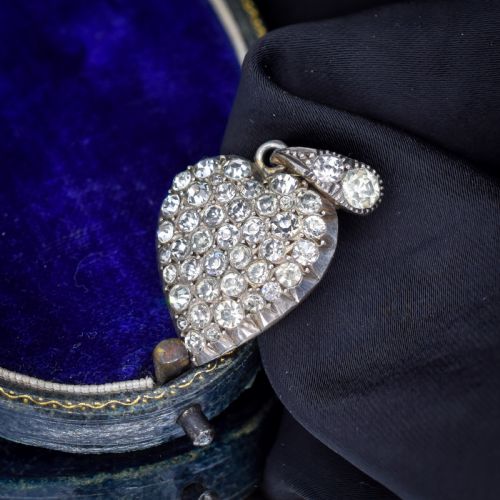
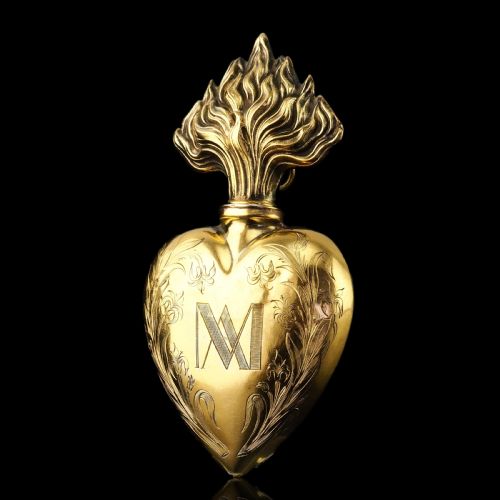
When you search for an antique glass heart, you encounter a distinct collection of small personal items and decorative vessels fashioned into the universal symbol of affection. The selection commonly includes scent bottles, trinket boxes, and pendants that span the nineteenth century and the early twentieth century.
Makers shaped these romantic motifs across various domestic and personal objects, pairing moulded or cut glass with precious metals. Pieces range from diminutive puffy pendants worn around the neck to desk accessories and dressing table boxes intended to hold keepsakes.
The aesthetic mirrors the prevailing design movements of the periods, shifting from ornate Victorian framing to simpler Edwardian mounts and Arts and Crafts simplicity. Buyers find both wearable jewellery and decorative containers that served practical functions in past households.
Materials and Technique
Artisans combined clear and coloured glass with sterling silver, silver gilt, and gold to construct these items. Cut glass and crystal provide faceted brilliance, while paste glass replicates gemstones with hand-finished precision.
Metal mounts and lids were cast, chased, and fitted precisely to the contours of the glass forms. Silversmiths and jewellers secured glass bodies into hinged boxes and bottle collars using traditional fastening methods.
Antique Glass Heart Retail Price Guide 2026
Typical asking prices for glass heart among the pieces listed under this phrase on Sellingantiques today, from the lower quarter to the upper quarter. They describe what is for sale here now, not the wider market.
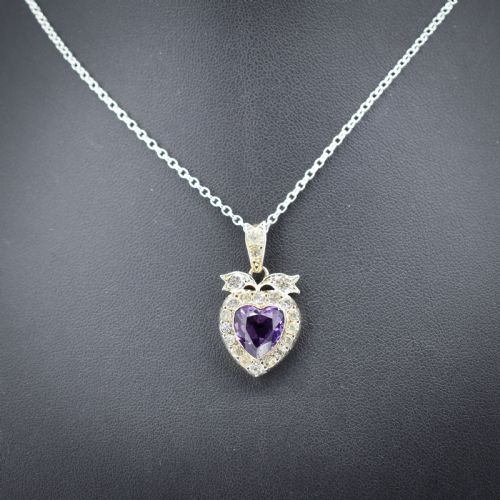
Listings feature items incorporating cut glass, sterling silver, 18ct gold, and amethyst paste across Victorian and Edwardian periods.
Judging Quality and Finish
Superior examples display crisp facet cutting in the glass and substantial gauge metalwork in the silver or gold mounts. The integration between the glass body and its metal collar demonstrates the maker's technical skill.
Fine pieces retain well-preserved gilding, tight hinge action on boxes, and original stoppers in scent bottles. The depth of the paste stones and the clarity of the crystal distinguish finer ornamental items from standard production pieces.
Daum
The Antique Glass Heart Glossary
- Paste Glass
- Hand-cut glass or lead crystal used to imitate gemstones. It was polished and foiled by hand in historical jewellery.
- Silver Gilt
- Silver that has been coated with a thin layer of gold. This finish provides the warmth of gold combined with the structure of silver.
- Puffy Heart
- A hollow, inflated heart pendant popular in past decades. These pieces are typically fashioned from sheet metal pressed into a rounded mould.
- Trinket Box
- A small lidded container designed for storing rings, pins, or small valuables. They frequently feature glass bodies with hinged silver mounts.
- Scent Bottle
- A small vessel intended to hold liquid perfume. Examples often include stoppers or screw caps secured with precious metal collars.
Antique Glass Heart: Frequently Asked Questions
What periods do these pieces date from?
The items span the nineteenth century up to the Edwardian era. Most examples date between the Victorian period and the early nineteen hundreds.
Craftsmanship reflects the changing decorative styles of these decades, from ornate Victorian metalwork to simpler Edwardian designs.
How were glass heart scent bottles used?
Owners carried these small vessels in reticules or displayed them on dressing tables to hold liquid perfumes. The fitted stoppers and screw caps kept volatile scents contained.
They served as both functional personal accessories and decorative items in the Victorian household.
How do I care for silver and glass items?
Clean the glass components gently with warm soapy water while avoiding harsh chemicals on metal mounts. Polish sterling silver and silver gilt sparingly with a soft cloth to preserve the finish.
Store trinket boxes and scent bottles away from direct sunlight and extreme temperature changes to protect the materials.
How can I tell a Victorian piece from an Edwardian one?
Victorian items often display heavier ornamentation, darker patination, and intricate Arts and Crafts or Revival styling. Edwardian pieces tend to feature lighter sterling silver mounts and brighter, airier aesthetics.
Hallmarks on the metal elements provide exact year markers and assay office origins for pieces made after eighteen hundred.