





Antique Glass Flush Mount
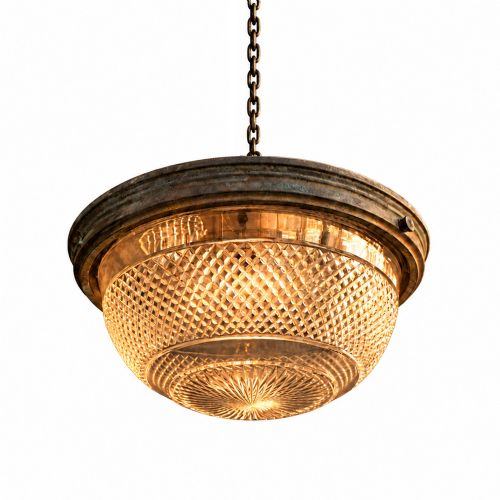
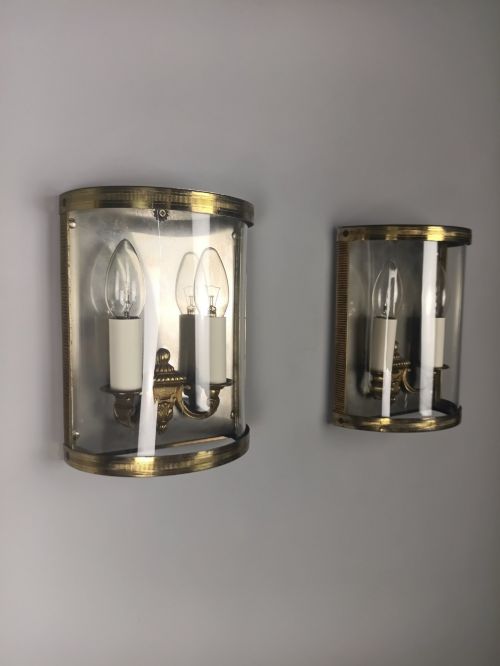
These antique glass flush mount fixtures sit tight to the ceiling, combining brass, bronze or copper with cut crystal, frosted glass or opaline shades to give rooms a clean, low-profile glow.
Antique Glass Flush Mount
When you search for an antique glass flush mount, you are looking at ceiling fixtures that hug the room overhead without the hanging drop of a standard chandelier. The pieces listed here span from the Victorian era and Edwardian period through to the 1920s and 1930s.
You will most commonly meet French plafonniers and compact Art Deco satin glass domes mounted directly to brass, copper or chrome fitments. These designs provide direct and diffused illumination in spaces with lower ceiling heights.
How they were made
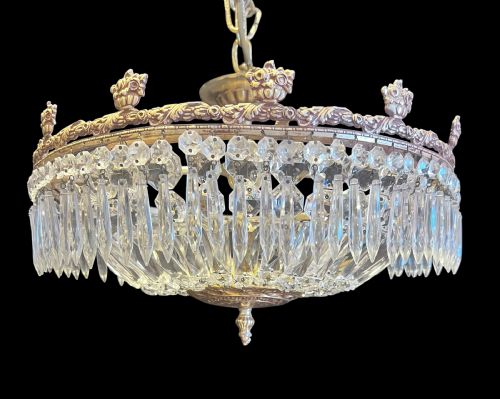
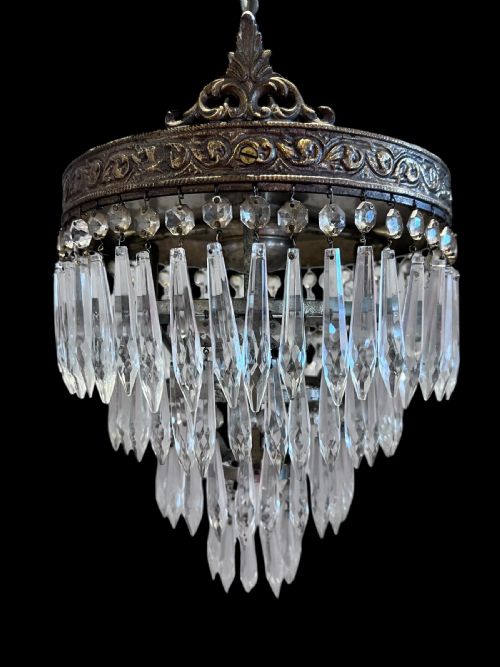
Maker workshops combined heavy metal mountings in brass, gilt brass, bronze, copper or chrome with glass components formed through pressing, cutting or blowing. Cut glass and crystal beads are wired together to form tents and bags, while opaline and frosted glass are shaped into dishes and domes.
Metal structures are cast or spun, holding the glass bowls and shades tightly against the ceiling framework via screws or central retaining mounts.
Antique Glass Flush Mount Retail Price Guide 2026
Typical asking prices for glass flush mount among the pieces listed under this phrase on Sellingantiques today, from the lower quarter to the upper quarter. They describe what is for sale here now, not the wider market.
Some Art Deco domes were designed to look like glowing celestial orbs, bringing a slice of the cosmos straight to the hallway ceiling.
What varies in quality
Quality rests in the depth of the metal casting and the clarity of the glass rather than the mere presence of decoration. Heavy cast brass or bronze frames hold their shape securely, whereas lighter spun metal can warp or feel fragile.
Cut glass and crystal show their standard in sharp, crisp facets that catch the light cleanly, while pressed satin and frosted glass display even thickness and well-defined moulded motifs without cloudiness.
René Lalique·Jean Gauthier
The Antique Glass Flush Mount Glossary
- Plafonnier
- A shallow bowl-shaped ceiling light or flush mount fitted close to the ceiling. This French term typically describes glass shades mounted directly on metal hardware.
- Cut glass
- Glass that has been shaped and faceted on a wheel to create decorative patterns. It reflects light sharply across the room.
- Opaline
- An opaque or translucent white glass that diffuses light softly. It gained popularity in nineteenth and early twentieth-century lighting.
- Art Deco
- A design style from the interwar period characterised by geometric forms and stylised motifs. Flush mount lights from this era often feature pressed satin glass.
- Flush mount
- A lighting fixture attached directly to the ceiling without a suspending chain or rod. It suits rooms with restricted vertical clearance.
Antique Glass Flush Mount: Frequently Asked Questions
How do I install an antique flush mount light?
These fixtures mount directly to a standard ceiling electrical box using the original or adapted metal backplates. You secure the metal frame to the ceiling before attaching the glass bowl or shades.
Because antique wiring can deteriorate over time, an electrician should inspect and update the internal lampholders and connections before installation.
What rooms suit an antique glass flush mount?
Low-ceilinged rooms, hallways, and cloakrooms benefit most from these compact fixtures because they provide adequate headroom while delivering bright illumination. They work well where a hanging chandelier would hang too low.
They also serve as functional overhead lighting in bedrooms and studies where a streamlined profile keeps the decorative focus on the walls and furnishings.
How do I clean antique glass and brass?
Remove glass shades from the metal frame whenever possible and wash them in warm soapy water using a soft cloth. Avoid harsh chemical cleaners that can damage vintage glass surfaces or aged metal platings.
Dust metal mounts gently with a dry or slightly damp cloth to preserve the natural patina developed over the decades.
How do I date an antique glass ceiling light?
Dating relies on stylistic markers and material combinations, such as heavy Victorian bronze mounts versus the geometric satin glass typical of 1930s Art Deco pieces. Edwardian designs often lean toward delicate cut glass beads and brass spikes.
Examining the screw threads, wiring channels, and manufacturing stamps on the metal or glass helps narrow down the period of production.