


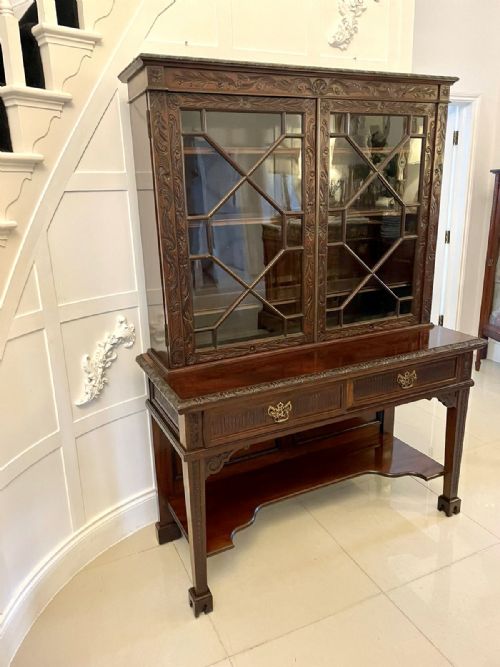


Antique Glass Drawer Cabinet
An antique glass drawer cabinet organises small treasures and displays them through clear panels.
Antique Glass Drawer Cabinet
When you search for an antique glass drawer cabinet, you find pieces designed to store and display collections, specimens, or shop goods. These items span periods from the Georgian era through the Victorian and Edwardian decades to the 1930s.
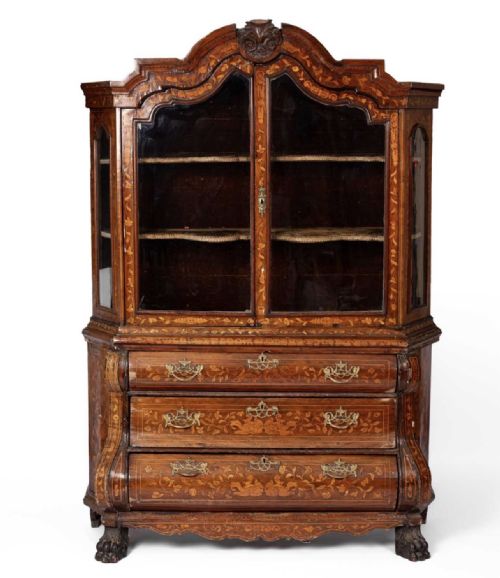
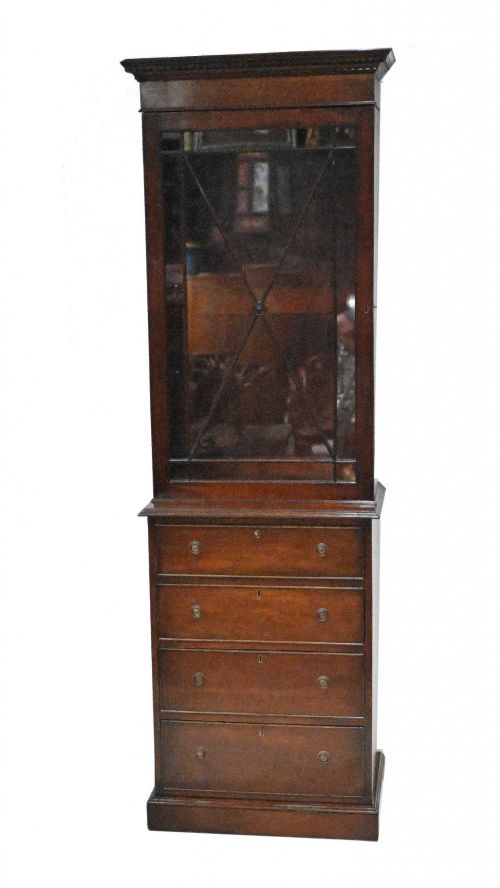
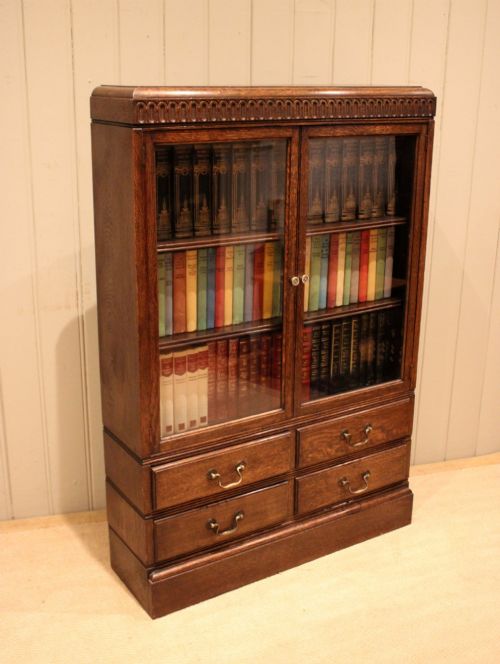
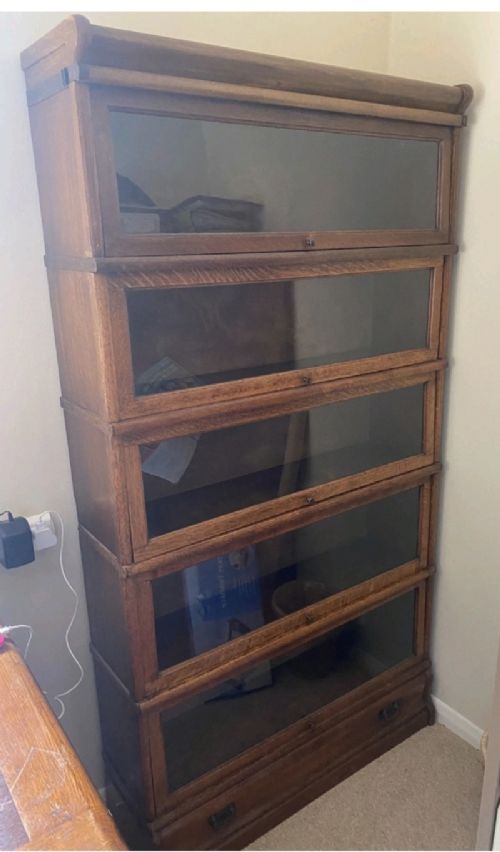
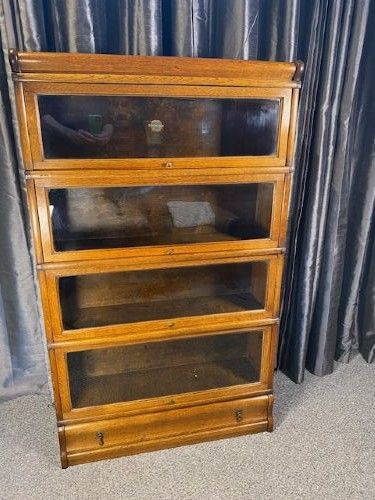
The form appears in various configurations, including collectors cabinets, specimen drawers, haberdashery counters, and bookcases with glazed sections. Mahogany and oak form the primary body materials, paired with glass and brass fittings.
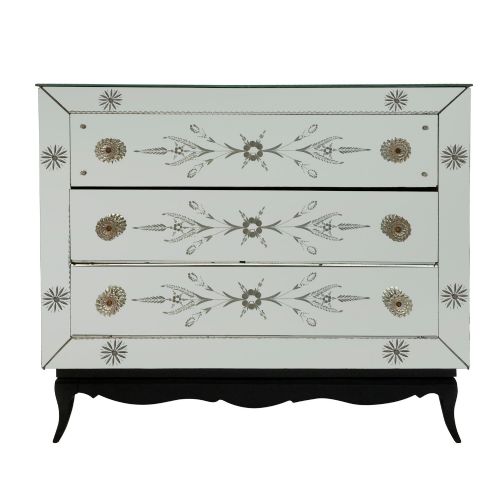
Victorian and Edwardian examples predominate alongside Georgian pieces and later 1930s designs. Cabinets range from multi-drawer apothecary chests to wall-hanging display units and counter-top cases.
How they were made
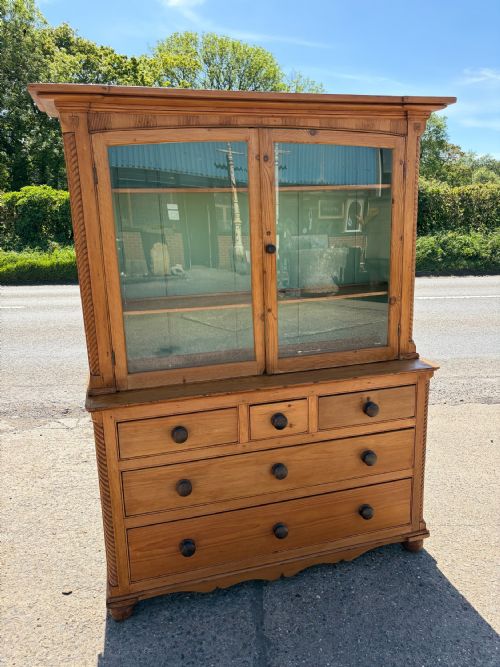
Cabinet makers utilised dense hardwoods like mahogany, walnut, and oak for structural carcasses and drawer frames, occasionally employing pine for internal elements or secondary carcases. These woods provided the stability needed for multiple close-fitting drawers and heavy glass doors.
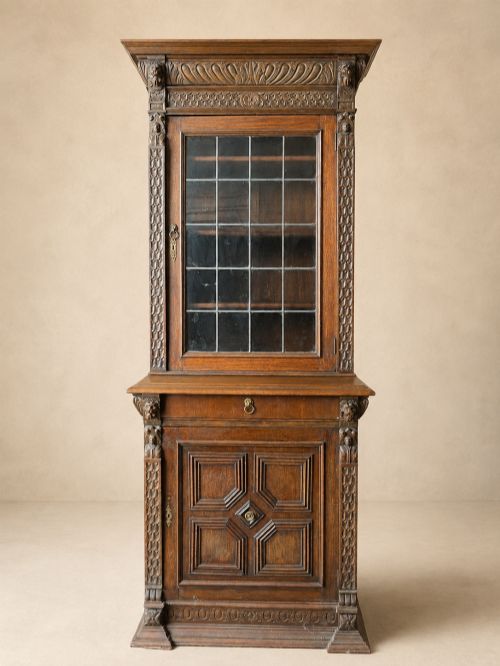
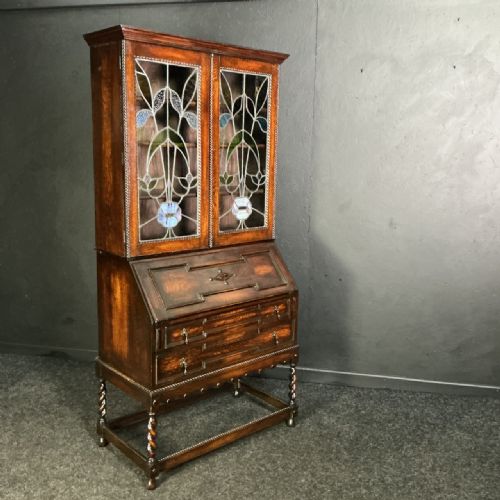
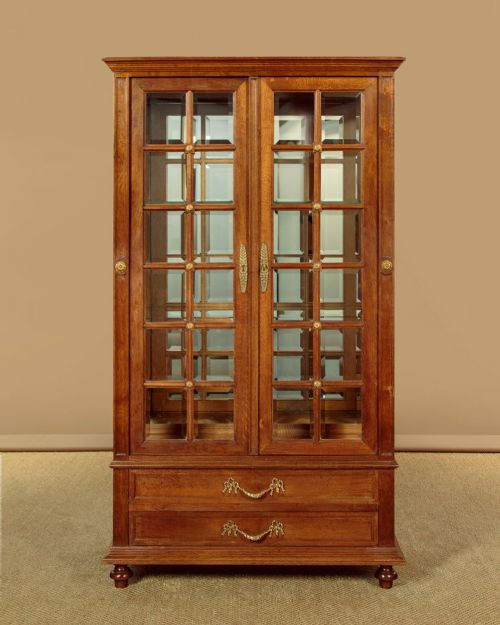
Glass panels were secured within wooden or metal frames, sometimes with lead light construction or bevelled edges to enhance the display. Brass handles, label holders, and locks finished the work on high-end pieces.
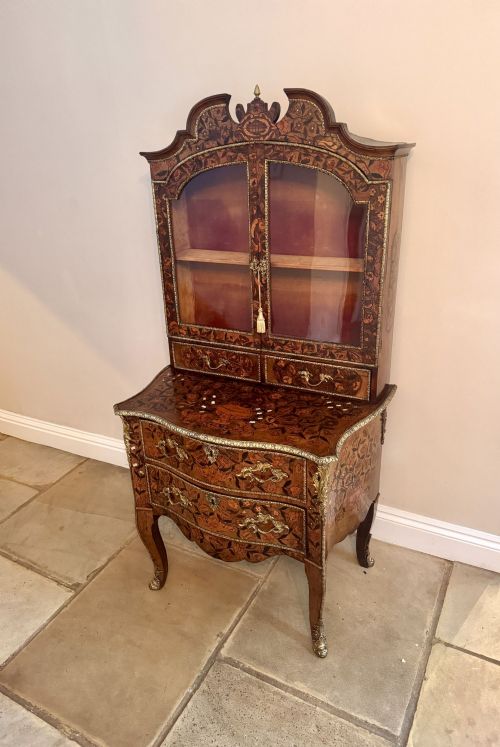
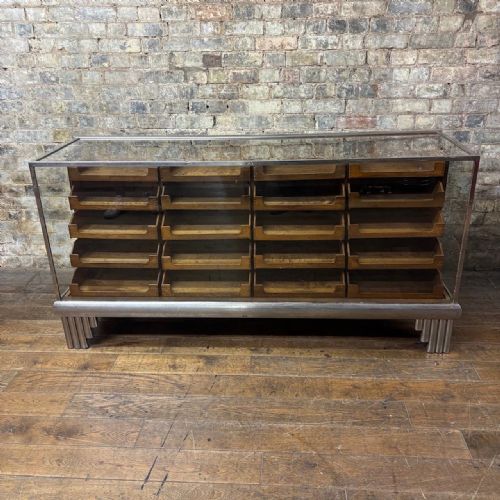
Inlaid marquetry, gilt mounts, and carved detailing ornamented the exterior surfaces of finer Edwardian and Georgian iterations, while commercial haberdashery counters relied on chrome and solid timber construction.
Antique Glass Drawer Cabinet Retail Price Guide 2026
Typical asking prices for glass drawer cabinet among the pieces listed under this phrase on Sellingantiques today, from the lower quarter to the upper quarter. They describe what is for sale here now, not the wider market.
Periods represented span from the 18th century through Georgian, Victorian, Edwardian, and Art Deco eras.
What varies in quality
The standard of construction dictates the distinction between ordinary storage and exceptional cabinet work. Precision in the joinery of multiple drawers, especially in large collectors cabinets with dozens of fitted compartments, marks the upper tier.
Materials selection and finishing elevate a piece, with figured mahogany, burr elm, or walnut veneers outperforming plain pine or secondary softwoods. Original brass hardware, functioning locks with keys, and intact lead light panels preserve integrity.
Maker attribution to known firms like Brady of Edmonton or James Winter & Sons signals superior workshop standards. The crispness of carved details and the absence of clumsy alterations separate workshop masterpieces from utilitarian utility items.
Dudley & Co·James Winter & Sons·Brady of Edmonton·Maple & Co
The Antique Glass Drawer Cabinet Glossary
- Haberdashery counter
- A shop display unit featuring multiple glass-fronted drawers or glazed top sections for mercantile goods. These items originated in retail environments before entering domestic interiors.
- Collectors cabinet
- A multi-drawer case intended for specimens, microscope slides, or small objects. They often incorporate glass doors or dust-proof internal drawers.
- Secretaire
- A cabinet incorporating a pull-down writing drawer that conceals a fitted interior of pigeonholes and small drawers. This form bridges the gap between a desk and a bookcase.
- Lead light
- Glass panels held together by lead cames in geometric or decorative patterns. This technique appears in cabinet doors and wardrobe panels.
- Marquetry
- Decorative woodwork where pieces of veneer are fitted into a ground to form floral or geometric designs. It frequently decorates walnut and mahogany cabinet doors.
Antique Glass Drawer Cabinet: Frequently Asked Questions
What were glass drawer cabinets used for?
These cabinets served laboratories, shops, and studies for housing delicate specimens, microscope slides, cigars, and small retail goods. The combination of drawers and glass allowed contents to remain visible yet protected from dust and handling.
Over time, collectors adapted them for domestic display, storing everything from geological samples to curiosities behind glazed doors.
How do I date an antique glass cabinet?
Dating relies on timber choices, construction methods, and stylistic cues. Georgian and early nineteenth-century pieces frequently feature solid mahogany and hand-cut dovetails, while Victorian examples often introduce heavy carvings and glazed top sections.
Edwardian items show lighter inlaid decoration, and 1930s pieces utilise chrome hardware and streamlined forms typical of haberdashery counters.
Are multi-drawer cabinets difficult to maintain?
Multiple drawers require stable humidity conditions to prevent timber from swelling and sticking within the carcase. Regular waxing keeps hardwood runners lubricated for smooth operation.
Glass panels and brass pulls need only gentle cleaning with soft cloths to preserve their original finishes without abrasive modern chemicals.