


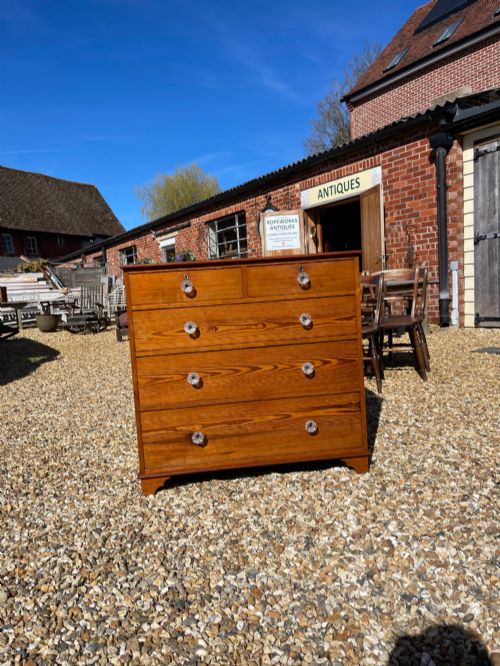


Antique Glass Chest of Drawers
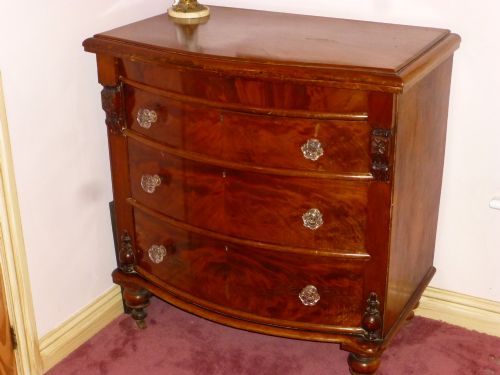
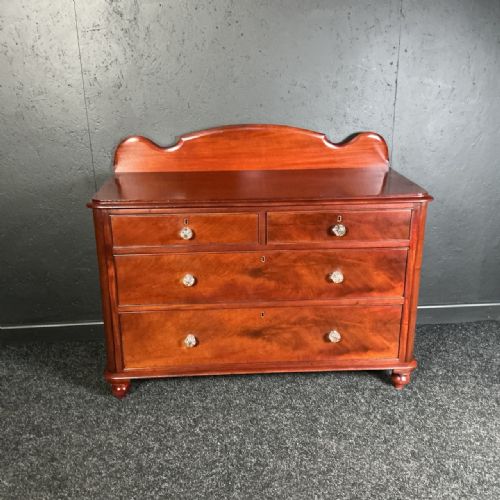
An antique glass chest of drawers brings together utilitarian multi-drawer storage and transparent panels or glass handles.
Antique Glass Chest of Drawers
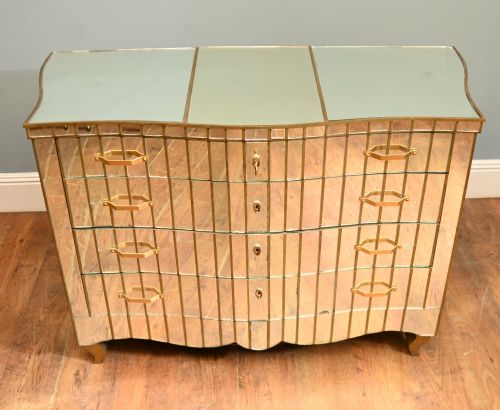
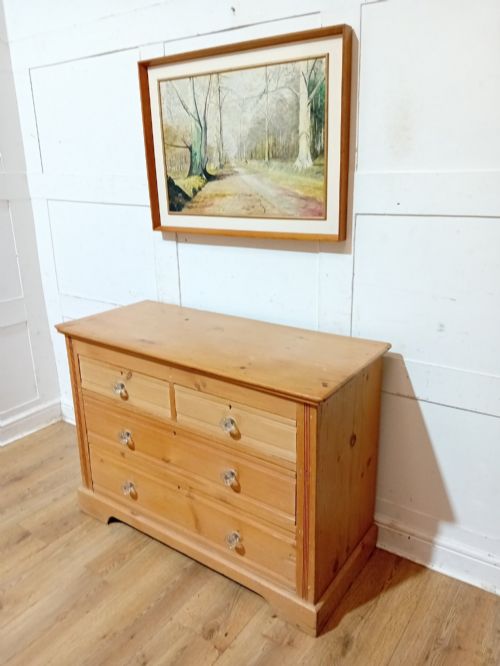
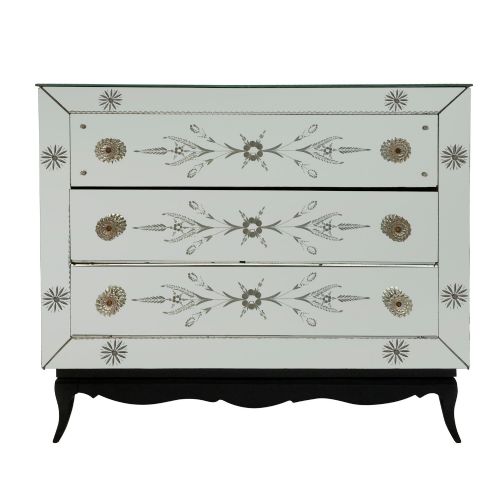
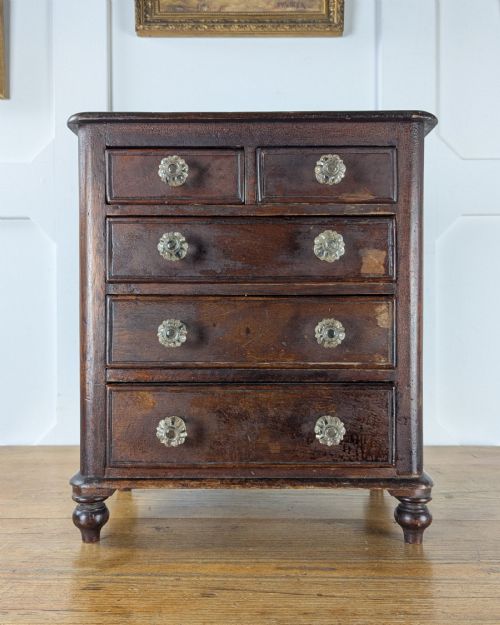
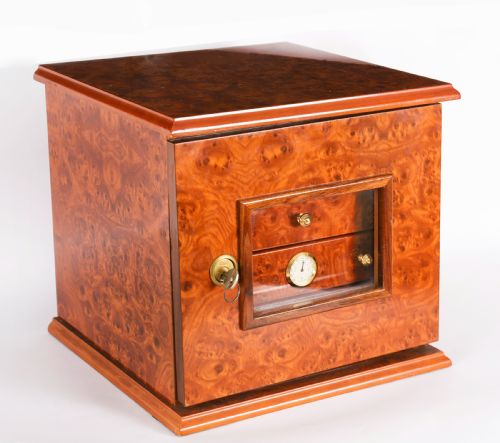
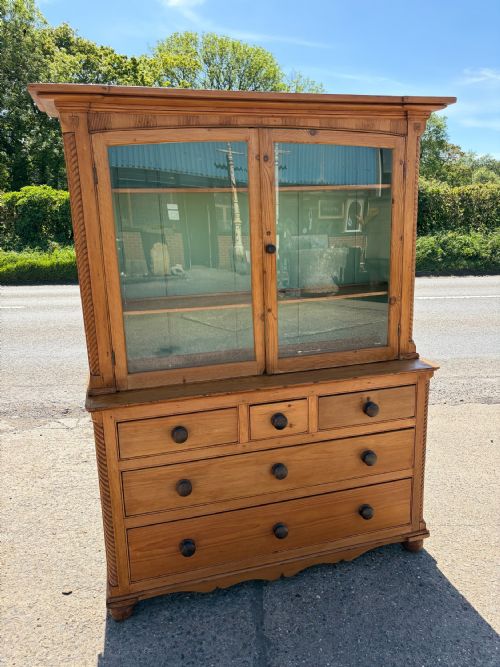
When searching for an antique glass chest of drawers, buyers encounter pieces incorporating glass elements, from Victorian pine chests fitted with glass handles to French mirrored chests of drawers from the 1930s. The selection spans distinct forms such as large collectors cabinets with glass fronts, miniature apprentice pieces, and multi-drawer chemist counters recorded across periods like the Victorian era, Georgian period, and 1920s.
The objects listed under this description frequently overlap with related multi-drawer forms including apothecary boxes, specimen drawers, and display cabinets. Buyers find that many items feature transparent viewing panels or glazed doors rather than entirely glass carcasses, serving specialised historical uses from microscope slide storage to retail display.
Materials and construction methods
The physical framework relies heavily on timber bodies constructed from mahogany, pine, walnut, and burr elm, complemented by brass hardware, velvet linings, and fitted glass bottles or microscope slides. Cabinetmakers utilised traditional joinery techniques to support dozens of small drawers within large collectors cabinets and apothecary travelling cases.
Glazing techniques range from bevelled glass in display doors to fitted mirrored panels on French art deco furniture and glass drawer pulls on late nineteenth-century pine pieces. Solid timber construction forms the structural basis for both standard chests and specialised storage units.
The listings show a concentration of Victorian and Georgian pieces built from mahogany, pine, and walnut, featuring specialised multi-drawer configurations.
Evaluating craftsmanship and condition
Quality separates mass-produced storage from specialised workshop creation, visible in the density of drawer configuration, such as multi-drawer collectors cabinets housing up to forty fitted trays. The integration of specialised internal fittings, original brass locking mechanisms, and intact glass components dictates the standing of each piece.
The precision of timber selection, including marquetry inlay on walnut or figured mahogany veneers, distinguishes standard utility furniture from high-status library bookcases and scientific cabinets. Original surface finishes and sign-written provenance details add specific historical distinction to utilitarian pine and mahogany forms.
Brady of Edmonton
The Antique Glass Chest of Drawers Glossary
- Collectors Cabinet
- A specialised multi-drawer piece designed to hold specimens, slides, or small objects behind glazed doors. These units often feature numerous shallow drawers constructed precisely for detailed organisation.
- Apothecary Box
- A portable or fitted chest containing internal compartments and medicine bottles for pharmaceutical storage. Early nineteenth-century examples often include concealed drawers and original glass containers.
- Secretaire
- A cabinet or chest incorporating a pull-down writing flap that conceals a fitted interior of small drawers and pigeonholes. Georgian and George III iterations frequently combine this desk function with bookcase upper sections.
- Bombe
- A swelling, outward-curved furniture shape characteristic of continental and Dutch baroque styles. Walnut and marquetry examples utilise this curved profile across the main body.
- Specimen Drawers
- Shallow internal trays built to hold natural history collections or scientific slides. These are typically housed within tightly fitted wooden cabinetry with glass or solid fronts.
Antique Glass Chest of Drawers: Frequently Asked Questions
What were glass fronted cabinets used for?
These cabinets served scientific, medical, and domestic sorting purposes, housing items such as microscope slides, botanical specimens, and apothecary supplies behind protective glazing.
Collectors and institutions relied on the compartmentalized drawers to keep delicate objects catalogued and visible without needing to open every individual tray.
Are glass handles original?
Glass handles appear on late Victorian pine and hardwood furniture, often dating from the period between 1880 and 1900.
They were utilised to provide a clean grip on domestic chests and small storage units while matching the transparent display trends of the era.
What is a drapers counter?
A drapers counter is a large retail shop fixture designed with numerous banks of small drawers for organising fabrics, ribbons, and haberdashery.
These pieces utilise sturdy timbers like mahogany to withstand commercial use in nineteenth and early twentieth-century shops.