



Antique Glass Brooch
These antique glass brooch pieces catch the light with genuine old lustre, offering wearable history from Georgian, Victorian, and Edwardian hands.
Antique Glass Brooch
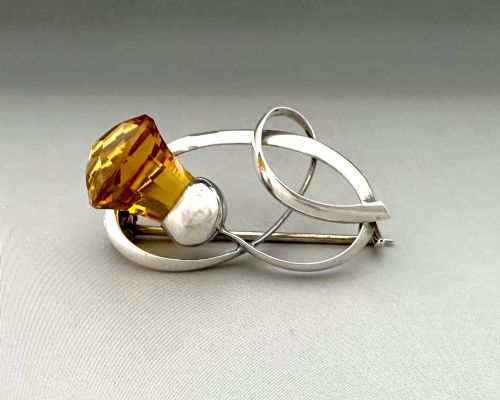
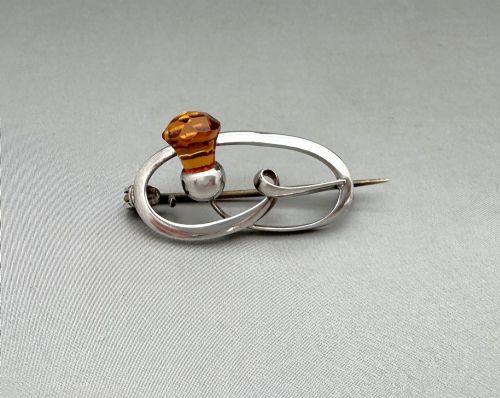
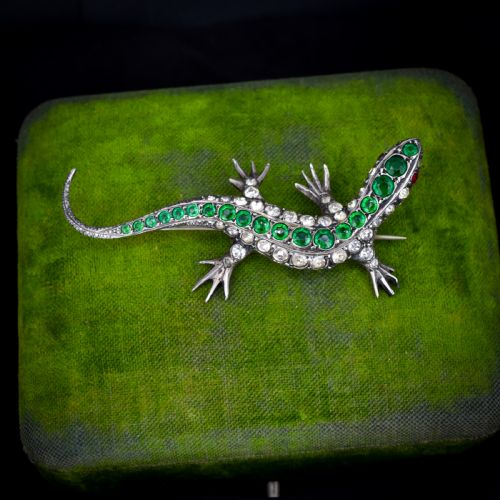
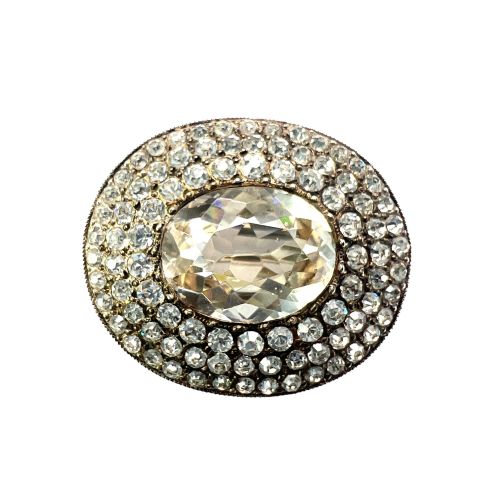
When you search for an antique glass brooch, you uncover a diverse array of ornamental pins spanning the Georgian, Victorian, and Edwardian eras. These jewels take many decorative forms, from floral baskets and crescent moons to figurative lizards and dragonflies.
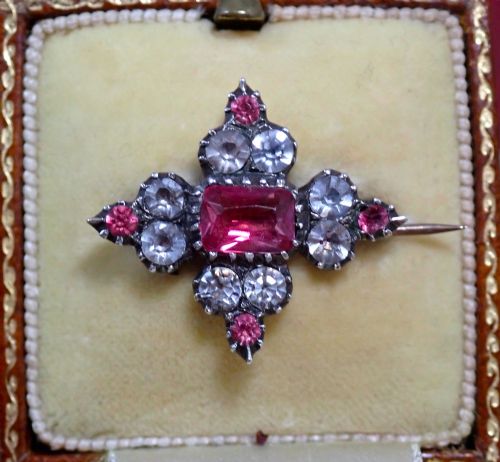
You are most likely to meet silver or gold mounts set with glittering paste glass or intricate micromosaics on this page. Pieces range from simple everyday dress pins to elaborate demi parures complete with matching earrings.
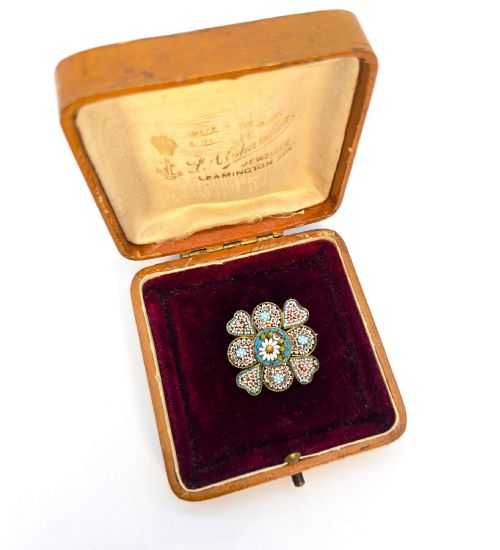
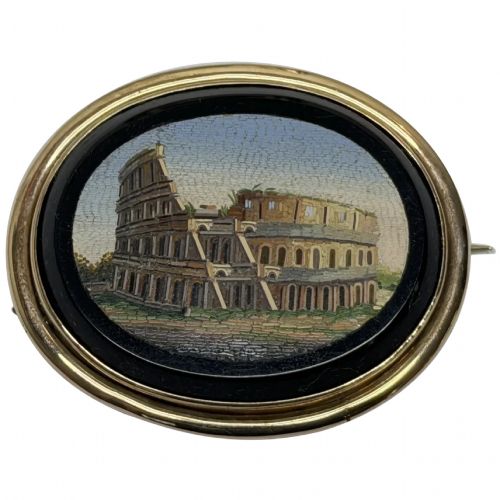
Originating across different periods, these items reflect changing tastes from the meticulous detail of micro mosaics depicting the Roman Colosseum to the sleek geometric lines of Art Deco butterfly wing designs.
How they were made
Craftsmen built these brooches using sterling silver, yellow gold, and gilt metal to securely house delicate glass elements. Many paste stones received metal foils placed behind them to intensify their brilliance and mimic genuine gemstones.
Specialised techniques such as micromosaic assembly required tiny glass tesserae to be meticulously arranged into pictorial scenes. Other pieces utilised Essex crystal, where a reverse-carved and painted intaglio creates a captivating three-dimensional illusion beneath a smooth dome.
Antique Glass Brooch Retail Price Guide 2026
Typical asking prices for glass brooch among the pieces listed under this phrase on Sellingantiques today, from the lower quarter to the upper quarter. They describe what is for sale here now, not the wider market.
Listings span several centuries, featuring Georgian, Victorian, and Edwardian periods executed in silver, gold, and glass paste.
What varies in quality
The standard of hand-setting and the precision of the metalwork distinguish finer examples from simpler workshop output. In paste jewellery, the clarity of the glass and the presence of thoughtful foil backings elevate the depth of colour.
Artistry in miniature work dictates value, particularly in micromosaics where the density and uniformity of the tiny glass tesserae show the maker's discipline. Original settings, intact clasps, and well-preserved structural integrity further separate superior survivals from altered pieces.
Charles Horner·Murrle Bennett·John Barry
The Antique Glass Brooch Glossary
- Paste glass
- Faceted glass created to imitate precious gemstones like emeralds, rubies, or diamonds. It was hand-cut and polished during the Georgian and Victorian periods.
- Micromosaic
- A tiny pictorial composition assembled from thousands of microscopic coloured glass tesserae. Artisans used this technique in Italy to depict ancient ruins and landscapes.
- Demi parure
- A partial matching set of jewellery, typically comprising a brooch and earrings designed to be worn together. These matched suites demonstrate coordinated period design.
- Essex crystal
- A technique involving a convex rock crystal cabochon with a miniature painting carved into the flat reverse. When viewed from the front, the image appears lifelike and rounded.
- Giardinetti
- A period style translating to little garden, depicting formal floral bouquets or baskets filled with colourful stones. These colourful arrangements date back to the Georgian era.
Antique Glass Brooch: Frequently Asked Questions
How do I date an antique glass brooch?
You can often date a piece by observing the metal framing, the cut of the glass, and the style of the clasp or pin mechanism. Georgian mounts tend to feature closed-back settings and foiled stones, while Victorian examples frequently utilise richer silver and gold combinations.
Looking closer at the subject matter also helps narrow the era, as micromosaics and naturalist motifs like lizards or crescent moons point directly to nineteenth-century preferences.
Can I wear an antique brooch every day?
These delicate items can certainly be worn regularly provided you treat them with appropriate care. Secure the pin properly and avoid wearing them on heavy fabrics that might strain the vintage clasp.
Store your brooch in a dedicated box away from other items to prevent the glass paste or micromosaic work from receiving accidental knocks.
What is a jabot pin?
A jabot pin is a long decorative ornamental pin originally designed to fasten folds of fabric on traditional neckwear. Victorian and Edwardian gentlefolk used them to secure delicate lace and silk.
They feature decorative terminals at both ends, often showcasing coloured paste glass or silver thistle designs, allowing the pin to sit securely within the cloth.