

Antique Glass and Bronze
Antique glass and bronze brings together luminous crystal and heavy cast metal to illuminate rooms with genuine period character.
Antique Glass and Bronze
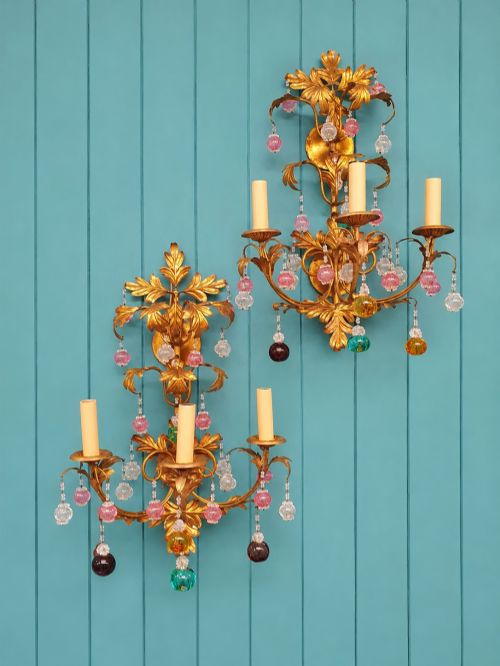
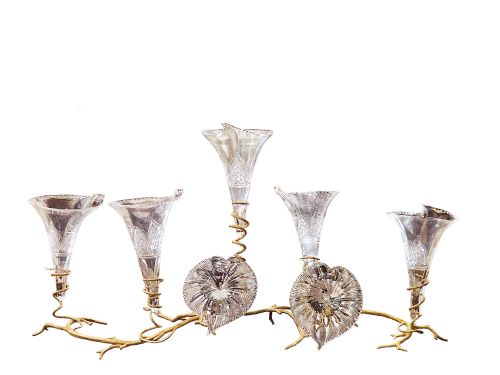
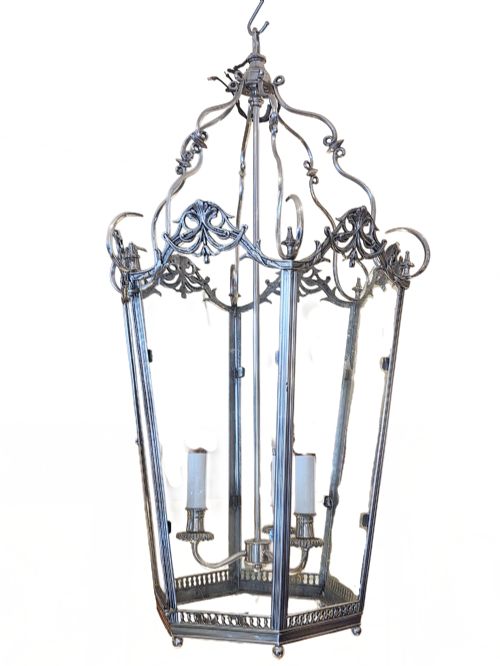
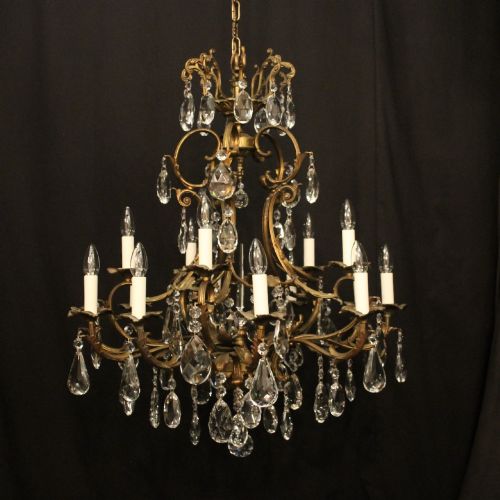
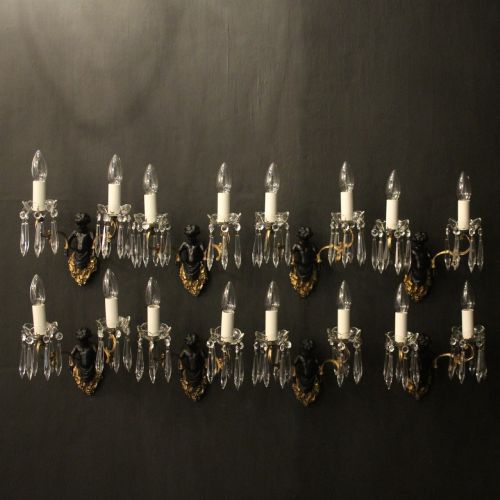
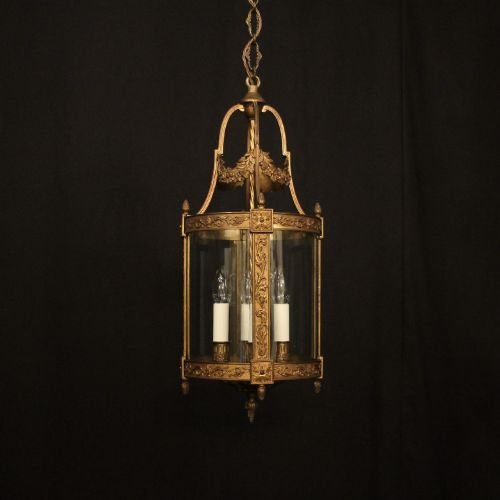
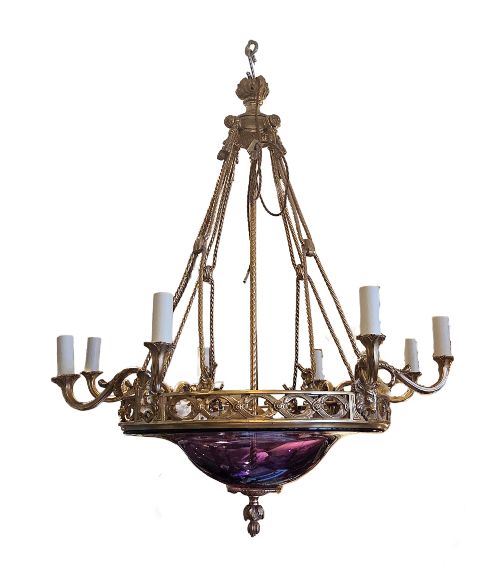
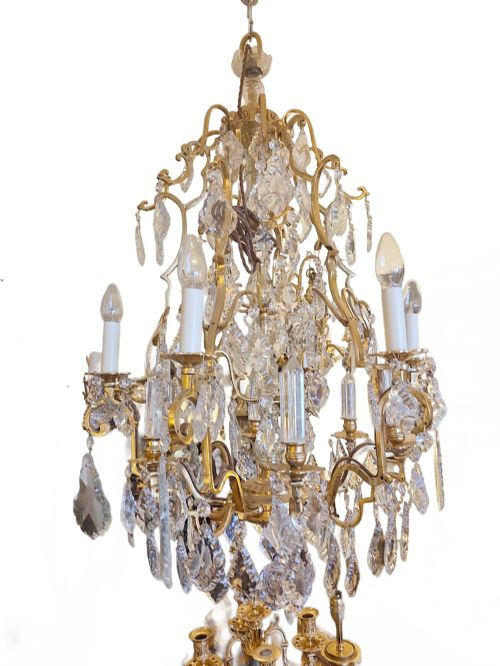
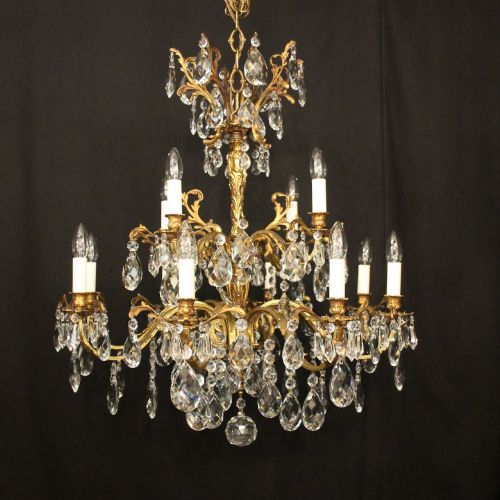
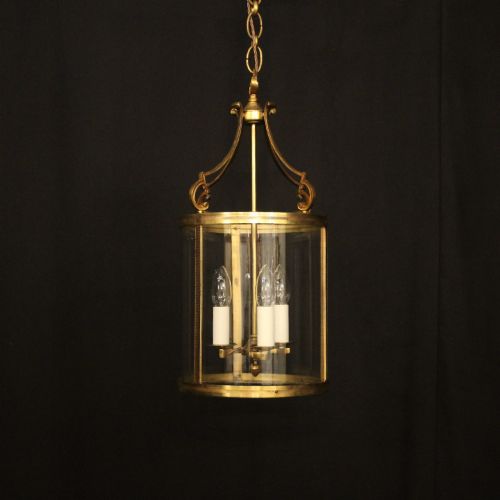
When searching for antique glass and bronze, you encounter objects that merge transparent or cut crystal elements with supportive metal frames, most frequently manifested as multi-light chandeliers, hall lanterns, and wall lights. These pieces span from the mid-nineteenth century through the Edwardian era and the Art Deco period, carrying distinct stylistic influences from French design traditions such as Rococo revival and Neoclassical forms.
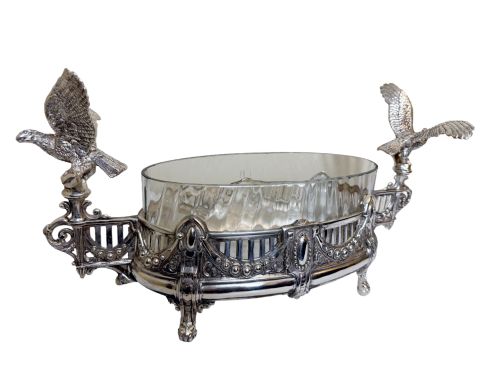
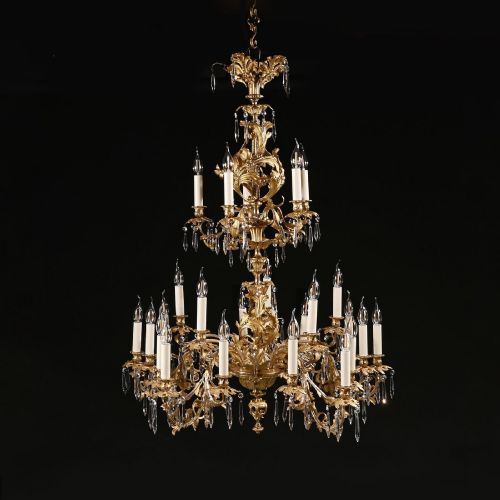
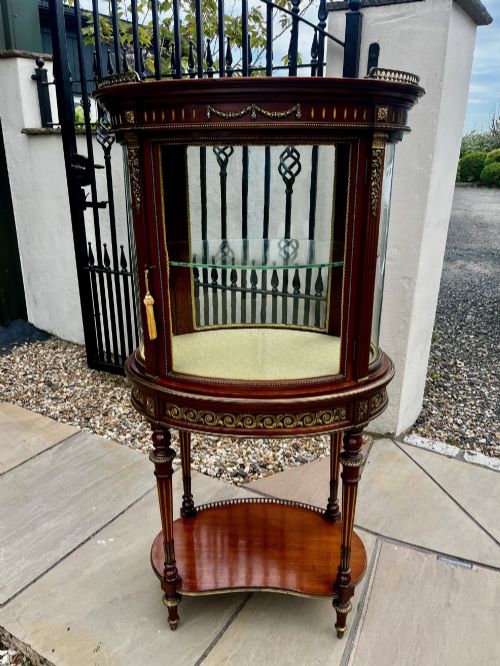
The selections on this page centre heavily on overhead lighting and wall fixtures alongside occasional furniture pieces featuring metal mounts, such as vitrines and credenzas. French origins dominate the available inventory, particularly multi-armed chandeliers adorned with crystal drops and gilded bronze frameworks dating from around nineteen twenty and the nineteenth century.
Materials and construction methods
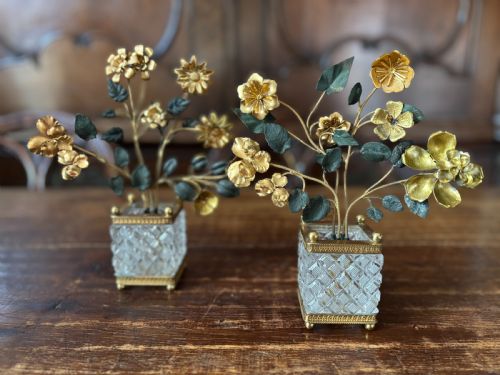
Makers utilised cast bronze, gilt brass, and ormolu to form the structural armatures and decorative mounts of these objects, applying gilding to the metal surfaces to enhance their reflective quality. Glass components were shaped through moulding, blowing, or precise hand-cutting to produce faceted crystal drops, bowls, and shades that interact with ambient light.
Assembly relied on mechanical joints, pins, and threaded rods to secure heavy glass prisms and panes into metal frames, as seen in hall lanterns and complex tent and waterfall chandeliers. Cabinetry pieces combined timber frameworks with cast bronze mounts fixed securely to polished wooden surfaces like mahogany, walnut, and kingwood.
Antique Glass and Bronze Retail Price Guide 2026
Typical asking prices for glass and bronze among the pieces listed under this phrase on Sellingantiques today, from the lower quarter to the upper quarter. They describe what is for sale here now, not the wider market.
Cast metal flying cherubs and dancing ladies occasionally hold up the glass.
Distinguishing quality across pieces
Quality separates objects by the crispness of the bronze casting and the depth of the hand-chasing applied to the metalwork after it leaves the mould. Superior examples display sharply defined ornamentation and consistent gilding, whereas lesser items show softened details and uneven surface plating.
The glass component tells its own story through the clarity of the crystal and the precision of the facet cutting, which dictates how brilliantly the piece refracts light. Heavier metal gauges and integrated structural design distinguish substantial fixtures from lighter, more utilitarian alternatives.
Charles Schneider·Degué·Gabriel Viardot·Samuel Marti
The Antique Glass and Bronze Glossary
- Ormolu
- A technique of applying finely ground high-carat gold to an object of bronze, creating a rich golden surface finish. This treatment protects the underlying metal from tarnishing while offering a luxurious appearance.
- Crystal
- Glass containing lead oxide, which increases the refractive index and weight of the material. This composition allows for deeper facet cutting and exceptional brilliance.
- Plafonnier
- A ceiling-mounted bowl light or flush-fitting shade popular during the Art Deco period. These fixtures direct light outwards through frosted or moulded glass panels.
- Vitrine
- A glass-fronted display cabinet designed to showcase porcelain, glassware, or small objects. They frequently incorporate gilt bronze mounts along the glazing bars and corners.
- Tent and waterfall
- A chandelier configuration where strings of glass beads form an upper tent shape above a cascading arrangement of drops. This design maximises the dispersion of light.
Antique Glass and Bronze: Frequently Asked Questions
How do I clean an antique crystal chandelier?
Cleaning requires a soft cloth and a gentle solution applied directly to each crystal drop by hand. Avoid harsh chemical cleaners that can strip the finish from the surrounding bronze framework.
Support the glass drops securely while working to prevent them from detaching from their wire fixings. Take care not to let moisture seep into any historic electrical wiring or internal metal joints.
Can these chandeliers be used with modern wiring?
Most chandeliers require professional rewiring to meet contemporary safety standards before installation in a modern home. An accredited electrician can adapt the internal fittings while preserving the exterior structure.
Original sockets and wiring are generally replaced to ensure reliable operation with current electrical supplies. The external metalwork and crystal elements remain entirely untouched during this updating process.
How do I tell nineteenth century pieces apart from later ones?
Nineteenth century pieces often display heavier cast bronze mounts with hand-chiseled details and traditional assembly methods like threaded nuts and pins. Stylistic cues draw heavily from French Rococo, Neoclassical, and Victorian design revivals.
Twentieth century items from the nineteen twenties and thirties introduce cleaner geometric lines, particularly seen in Art Deco pieces by makers like Degué and Charles Schneider. The glass forms in later items shift towards moulded plafonniers and streamlined pendant designs.
Where should I place a bronze and glass hall lantern?
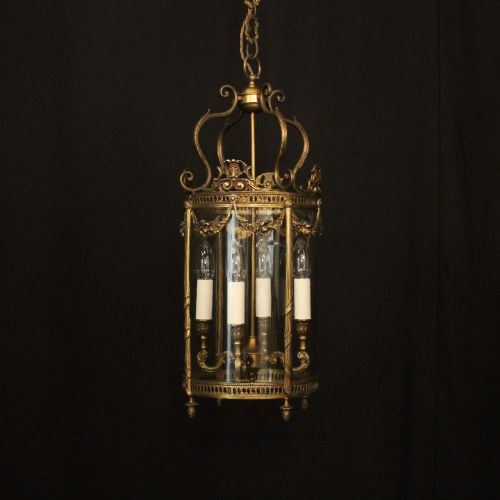
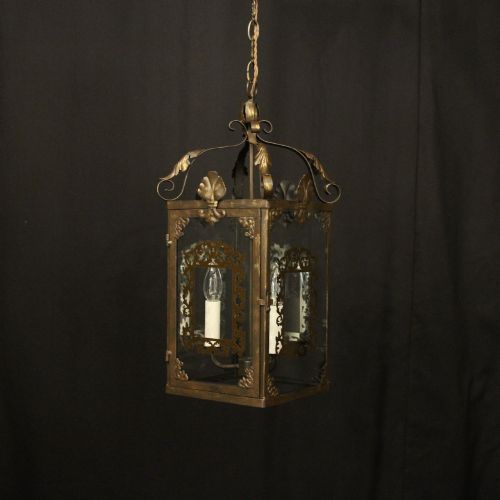
Hall lanterns suit high-ceilinged entryways, corridors, or stairwells where their enclosed glass panels can protect the internal light source while casting patterns across the walls. Their convex or cylindrical forms create a welcoming focal point in circulation spaces.
Ensure the hanging height allows adequate clearance beneath the fixture while positioning it to catch natural light. Secure the ceiling mounting to a structural joist due to the substantial weight of the bronze and glass.