

Antique Gilt Vases
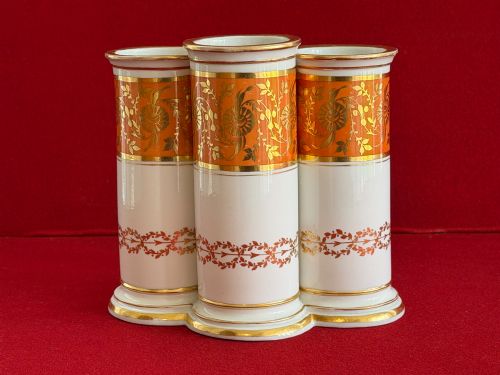
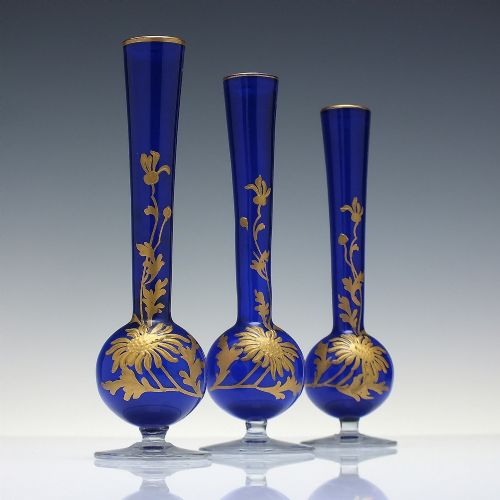
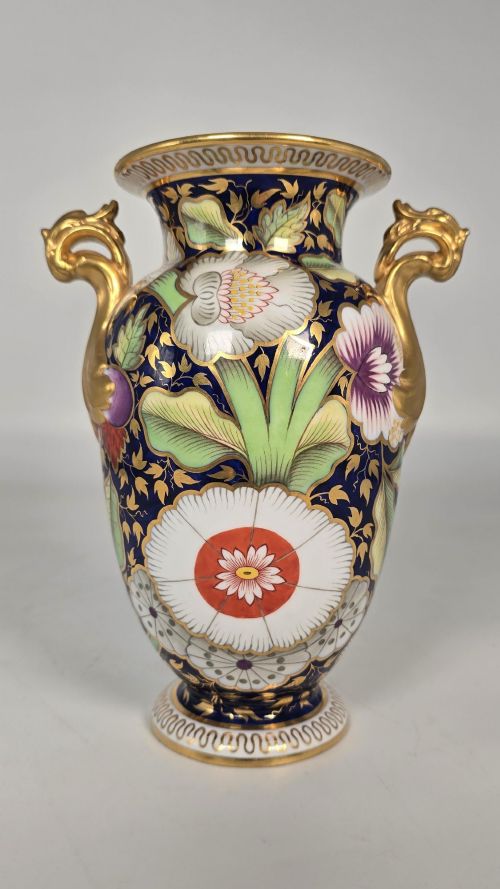
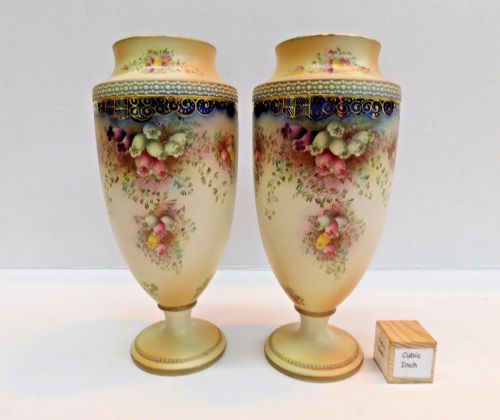
These antique gilt vases bring together porcelain, bronze, and enamel across Georgian, Regency, and Victorian periods.
Antique Gilt Vases
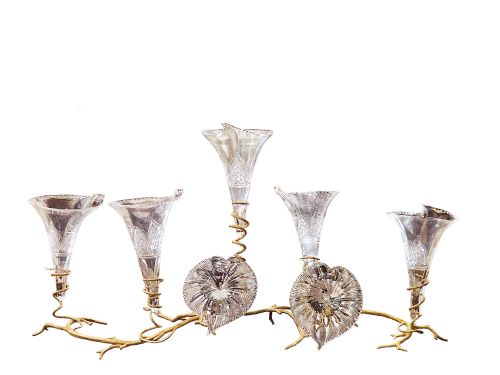
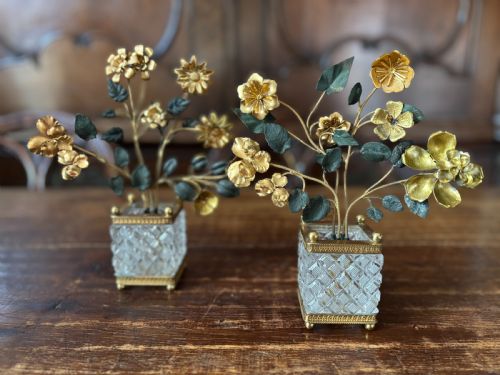
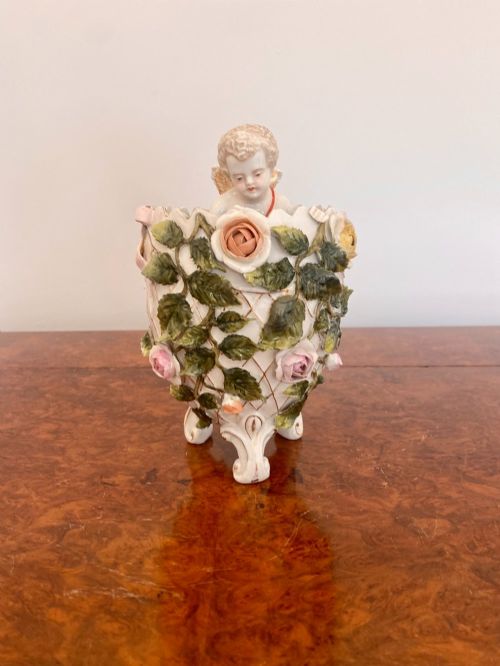
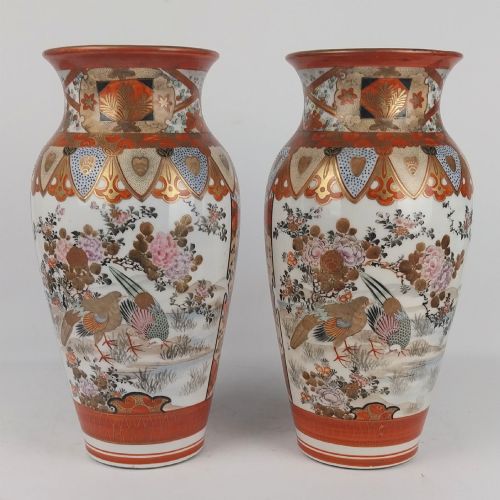
When you search for antique gilt vases, you encounter a diverse array of decorative vessels spanning the Georgian, Regency, Victorian, and later nineteenth-century periods. The selection encompasses urns, garnitures, jardinières, and spill vases shaped from fine porcelain, earthenware, and glass, embellished with metallic highlights. English factories like Worcester and Spode sit alongside continental works from Sèvres and Vienna, as well as Japanese Satsuma and Chinese cloisonné productions.
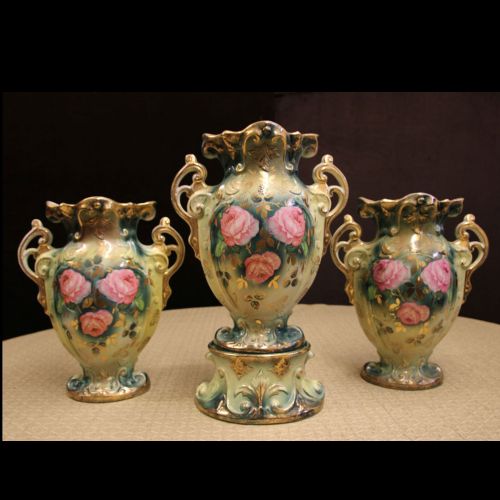
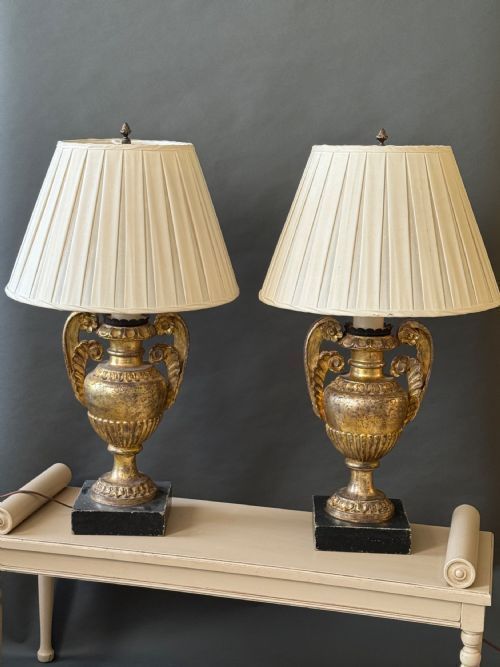
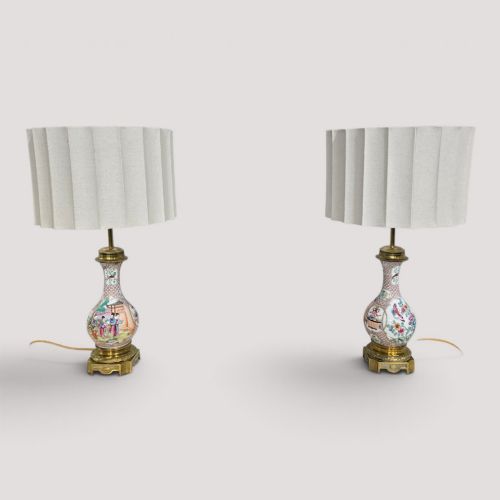
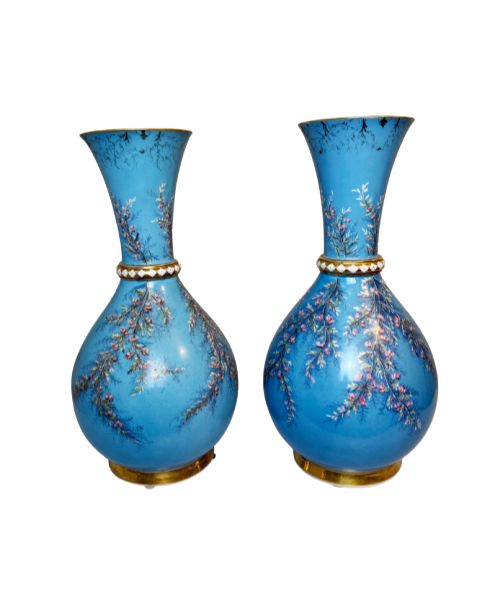
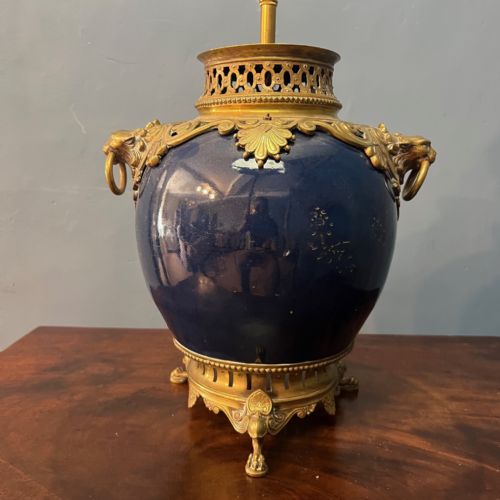
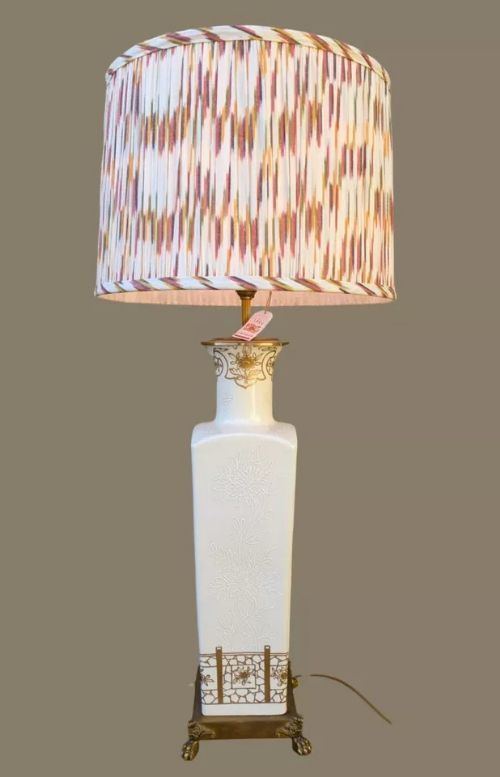
The most common forms on this page are porcelain campana shapes and pairs of decorative vases featuring hand-painted scenes, floral motifs, or intricate transfer patterns. Many examples incorporate handles, masks, or stands in ormolu and gilt bronze, merging ceramic bodies with metallic mounts. These pieces served primarily as mantel ornaments or centrepieces in period drawing rooms rather than utilitarian vessels for cut flowers.
How they were made
The manufacture of these items relies on skilled ceramic bodies combined with applied surface metals. Porcelain and earthenware forms are thrown, moulded, or cast before receiving hand-painted enamel decoration or transfer printing. Gilding is applied using gold leaf, liquid gold, or fire gilding on bronze mounts, creating contrasting textures across the surface.
Metal elements such as gilt bronze and ormolu are cast and chased to produce crisp relief details on mounts, handles, and stands. Champlevé enamel techniques also appear on metal bodies, where recesses are filled with vitreous paste before firing and polishing. These combined techniques demand precise kiln control to fuse glazes and metals without distortion.
Antique Gilt Vases Retail Price Guide 2026
Typical asking prices for gilt vases among the pieces listed under this phrase on Sellingantiques today, from the lower quarter to the upper quarter. They describe what is for sale here now, not the wider market.
Listings feature items from the 18th Century, 19th Century, Regency, Victorian, and Edwardian periods, utilising porcelain, gilt bronze, and cloisonné.
What varies in quality
Quality in these objects is determined by the crispness of the modelling and the precision of the hand-painting. Superior pieces display finely delineated brushwork in the enamel decoration, exact registration of gilt highlights, and well-finished mounts that fit the ceramic body without gaps. Factory marks and attribution to known decorators or prominent potteries elevate the standing of an individual piece.
The weight and depth of the gilding also distinguish finer examples from standard production items. Thick, burnished gold leaf reflects light differently than thin painted washes, retaining its lustre over centuries of handling. Furthermore, the integrity of the body, whether translucent porcelain or heavy bronze, dictates the overall solidity and presence of the vessel.
Spode·Minton·Flight Barr And Barr·Royal Crown Derby·Royal Worcester·Wedgwood·Takasaka Toemon·Maruni Kobe
The Antique Gilt Vases Glossary
- Garniture
- A set of three or more matching vases or vessels designed to be displayed together on a mantelpiece or sideboard.
- Campana
- A bell-shaped vessel with a flared rim and pedestal foot, common in classical and Regency designs.
- Ormolu
- Gilded bronze applied as mounts or decorative elements on furniture and ceramics.
- Cloisonné
- Enamel work in which coloured pastes are separated by thin metal strips soldered to a metal base.
- Imari
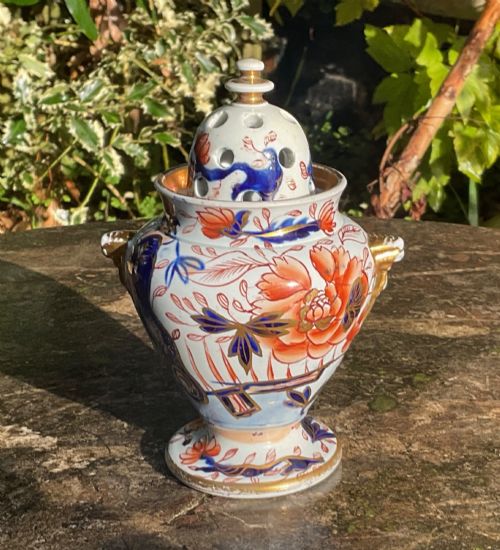
- A style of Japanese porcelain featuring a palette of underglaze blue, iron red, and gold.
Antique Gilt Vases: Frequently Asked Questions
What is a garniture set?
A garniture set typically consists of three or five matched vases designed to be displayed in a uniform arrangement along a mantelpiece. These groupings create a balanced decorative focal point within a period interior.
Individual pieces within the set often share identical motifs or graduated sizes to maintain visual harmony across the display space.
How were these vases used?
Most of these vessels functioned as permanent decorative ornaments rather than functional containers for fresh water and flowers. They were displayed on mantelpieces, pedestals, or console tables to demonstrate the owner's taste and wealth.
Lidded versions, such as potpourri pots, also served to fragrance the room using dried flower petals and aromatic spices placed inside the body.
How do I care for gilt surfaces?
Gilt and ormolu surfaces require gentle dusting with a soft, dry brush to prevent the accumulation of abrasive particles. Moisture and chemical cleaners should be avoided, as they can strip thin gold leaf or damage historic lacquers.
Handling these items should be done with clean hands or cotton gloves to protect vulnerable metallic finishes from natural oils.
How do I identify Regency pieces?
Regency era ceramics often display neoclassical influences, including campana shapes, classical figures, and crisp white porcelain bodies with rich gilding. Factory marks from this period, such as those from Worcester or Spode, provide definitive clues.
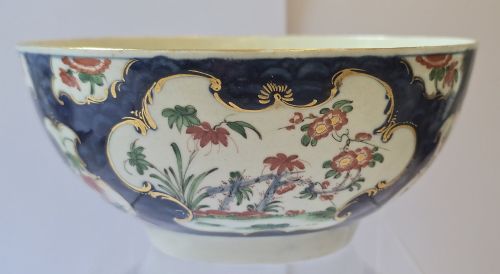
Stylistic cues also include symmetrical handles, floral reserves, and rich cobalt blue or iron red accents characteristic of early nineteenth-century design.