





Antique Gilt Toleware
Antique gilt toleware brings decorative painted metalwork into domestic rooms with the warmth of gold leaf and bright pigments.
Antique Gilt Toleware
When you search for antique gilt toleware, you are looking at functional and decorative metal objects shaped from sheet iron or steel, then finished with paint and gilding. These pieces span the eighteenth, nineteenth, and early twentieth centuries, drawing on Regency, Victorian, and French Empire styles.
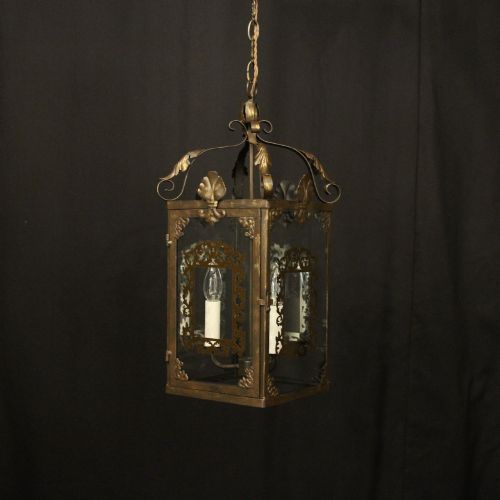
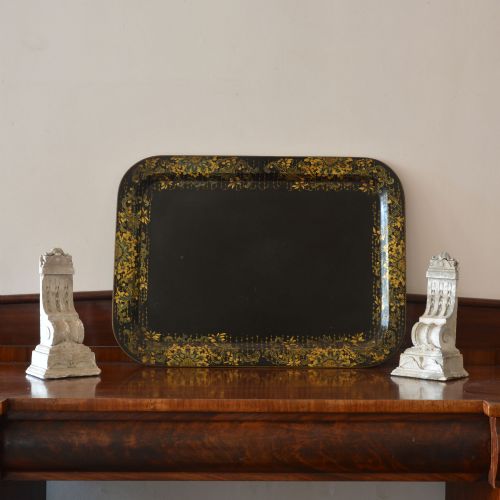
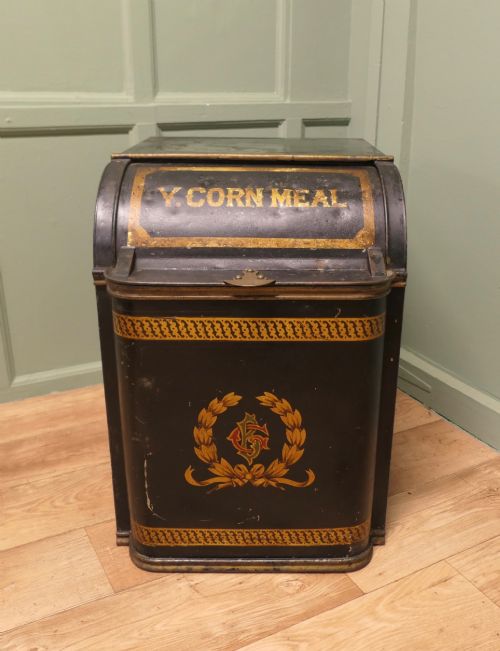
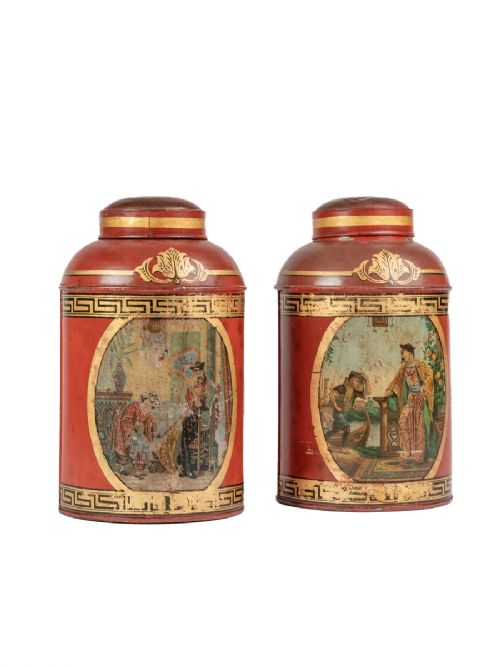
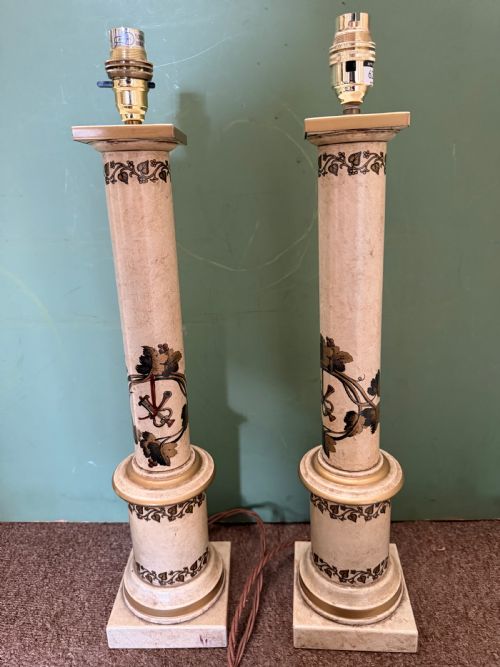
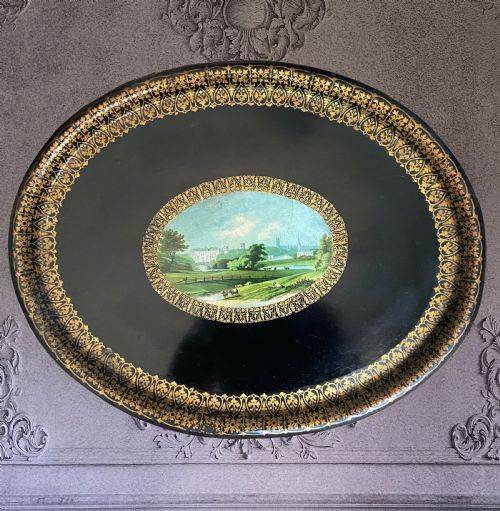
The versions you are most likely to meet on this page include serving trays, tea canisters, table lamps, chandeliers, and decorative urns. Many items originate from French and English workshops, demonstrating forms intended for both utility and display.
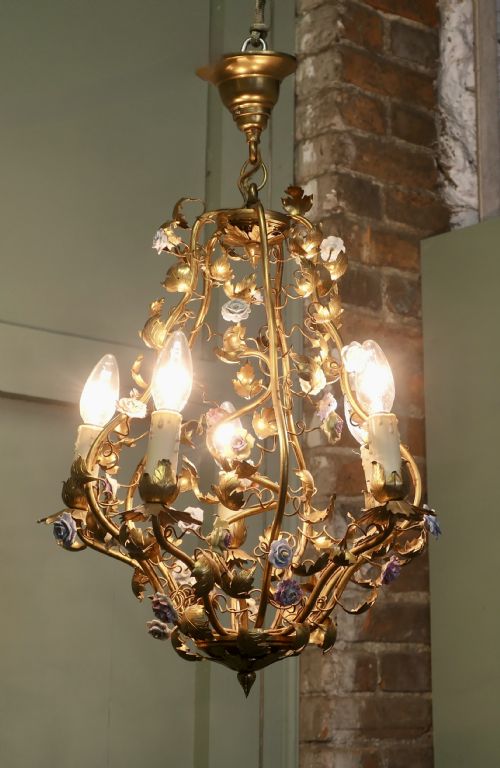
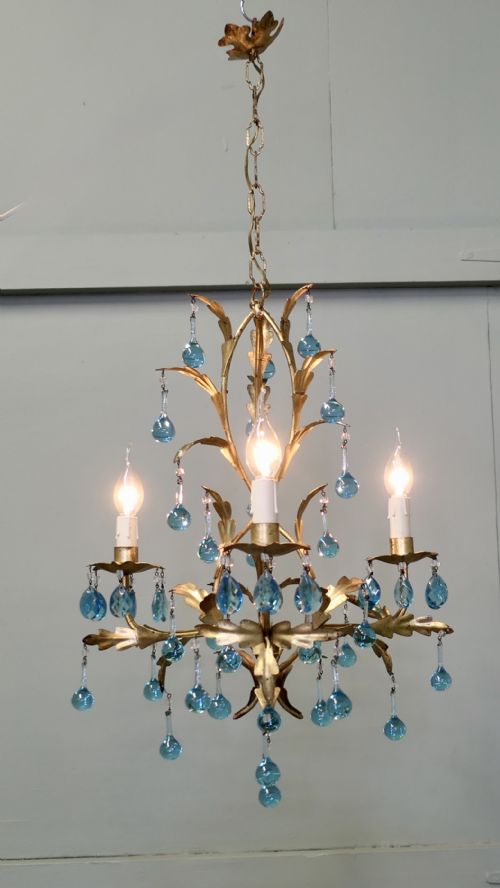
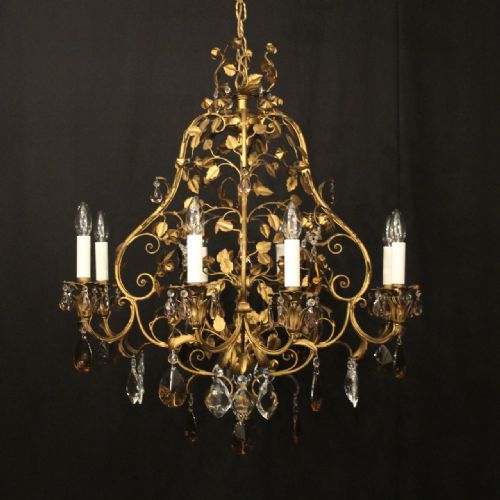
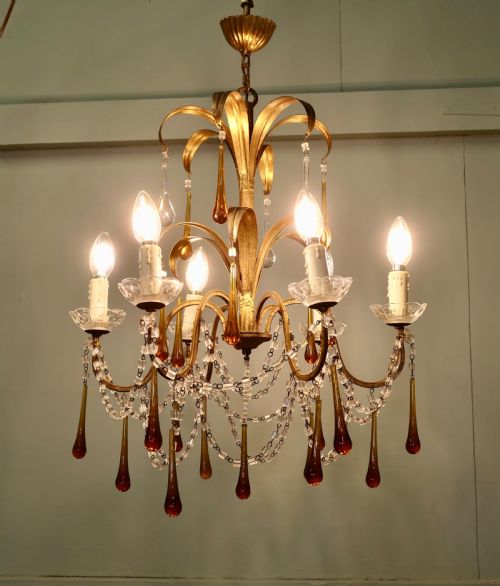
Objects range from simple spice boxes and tray tables to multi-bulb chandeliers adorned with crystals, ceramics, and carved elements. Each survivor shows how metal could mimic porcelain, wood, or stone through careful surface decoration.
How antique gilt toleware was made
Craftsmen shaped sheet metal into vessels, trays, and lamp bodies before applying multiple layers of ground paint. This opaque base coat provided a smooth foundation for subsequent decoration.
Artisans applied gold leaf or gilt paint to highlight raised mouldings, edges, and painted scenes. Varnish protected the delicate pigments and metallic leaf from wear during daily domestic use.
Antique Gilt Toleware Retail Price Guide 2026
Typical asking prices for gilt toleware among the pieces listed under this phrase on Sellingantiques today, from the lower quarter to the upper quarter. They describe what is for sale here now, not the wider market.
Listings feature lighting, trays, and containers utilising brass, crystal, and ceramic components alongside painted metal.
What varies in quality
The refinement of the hand-painted decoration separates standard production from exceptional examples. Pieces featuring detailed figural scenes, precise gilding, and layered polychrome pigments require greater skill than plain or simply stenciled items.
The weight and gauge of the underlying metal also influence the character of an object. Thicker iron sheets provide structural stability for larger items like trays and chandeliers, preventing warping over time.
H. Meeson
The Antique Gilt Toleware Glossary
- Tôle peinte
- Painted sheet metal. This French term describes tinplate or iron objects decorated with opaque paint and varnish.
- Giltwood
- Wood carved and covered with gold leaf or gilt paint. It frequently appears alongside metal elements in sconces, lanterns, and wall fixtures.
- Garniture set
- A matching group of decorative vessels designed for display on a mantelpiece or sideboard. These sets often include urns or vases in graduated sizes.
- Papier-mâché
- A composite material made from paper pulp or layers of paper bound with glue. It served as a lightweight alternative to metal for certain trays and boxes.
Antique Gilt Toleware: Frequently Asked Questions
What is antique gilt toleware?
Antique gilt toleware refers to objects made from sheet metal that have been painted and highlighted with gold leaf or metallic paint. These items include lighting, trays, and storage vessels.
Craftsmen produced these pieces primarily in Britain and France across the eighteenth and nineteenth centuries for domestic utility and ornament.
How were toleware trays used?
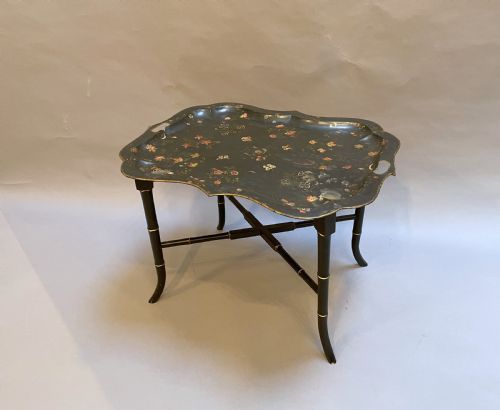
Toleware trays served to carry tea services, decanters, and glassware between rooms. Their painted surfaces resisted moisture from cups and pitchers.
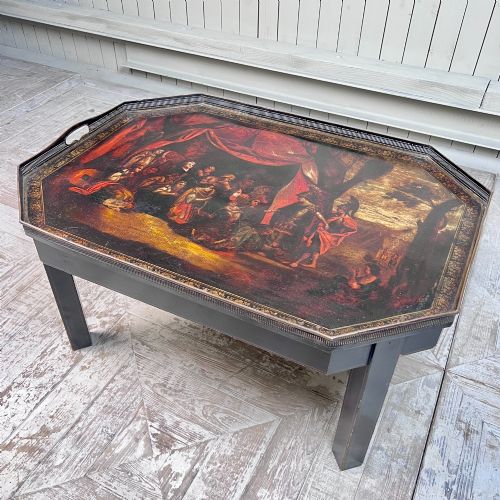
Many larger trays also functioned as table tops when placed upon folding wooden stands, creating portable furniture for entertaining.
How do I clean antique toleware?
Clean these items gently using a dry or barely damp microfiber cloth to remove dust. Avoid chemical solvents, abrasive polishes, and excessive water.
Harsh cleaning products will strip the aged varnish and damage the underlying paint and gold leaf layers permanently.
How do I date toleware pieces?
Dating relies on observing the style of the metalwork, the composition of the paint layers, and the nature of the fasteners. Georgian and Regency pieces show different handling of form compared to later Victorian or early twentieth-century revivals.
Examining the wear patterns on the base and the type of sheet iron also helps establish the era of production.