
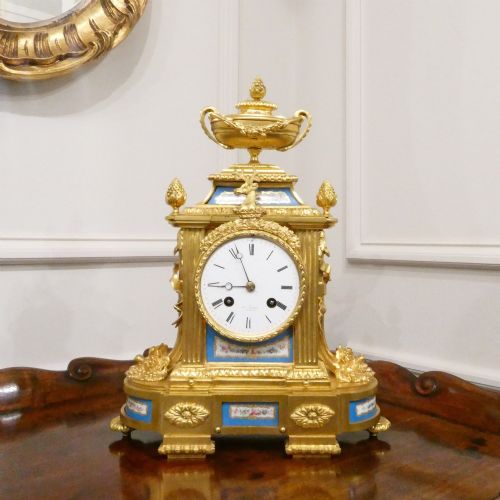
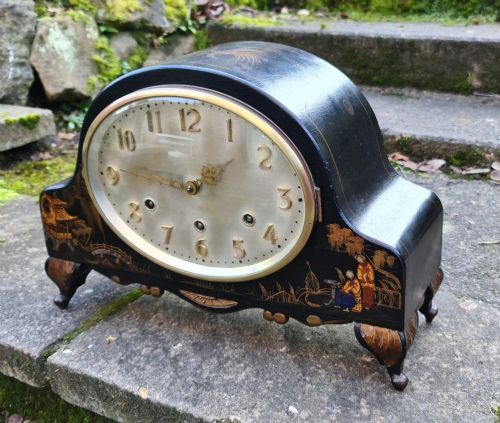
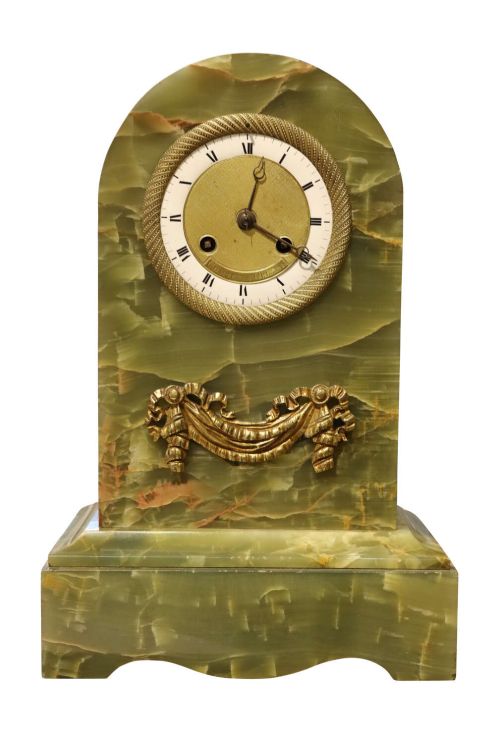
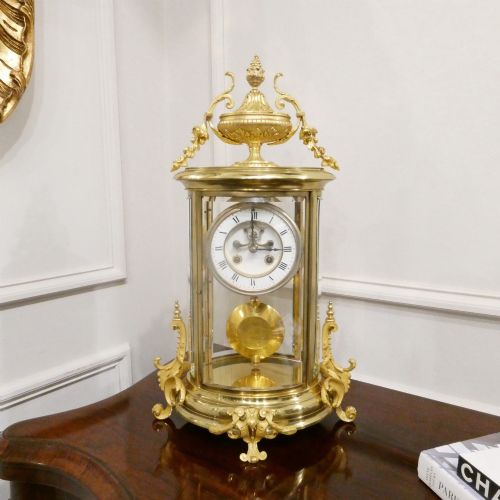
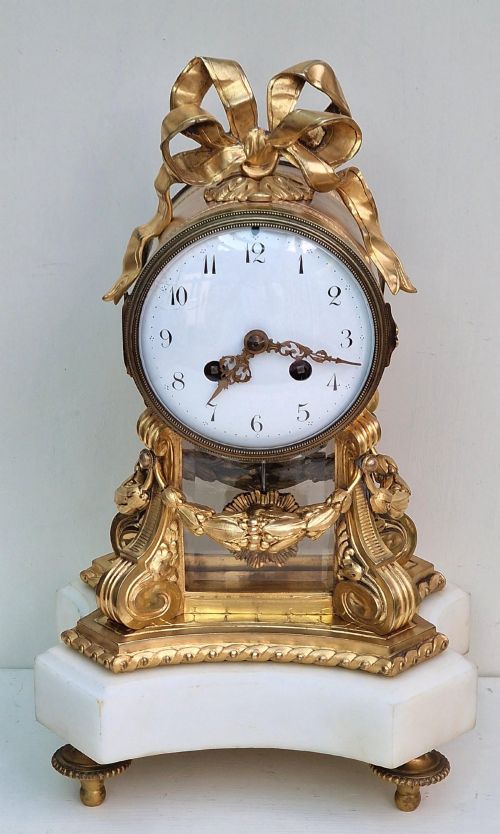
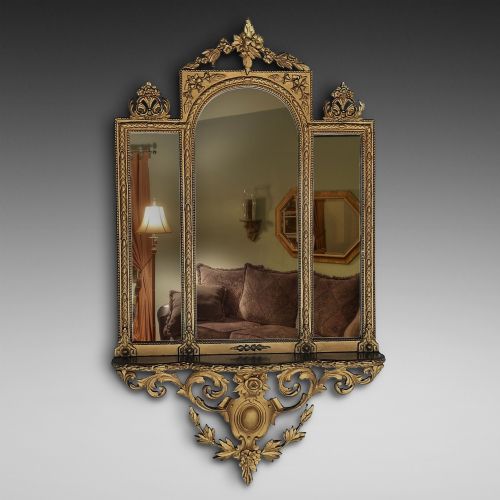
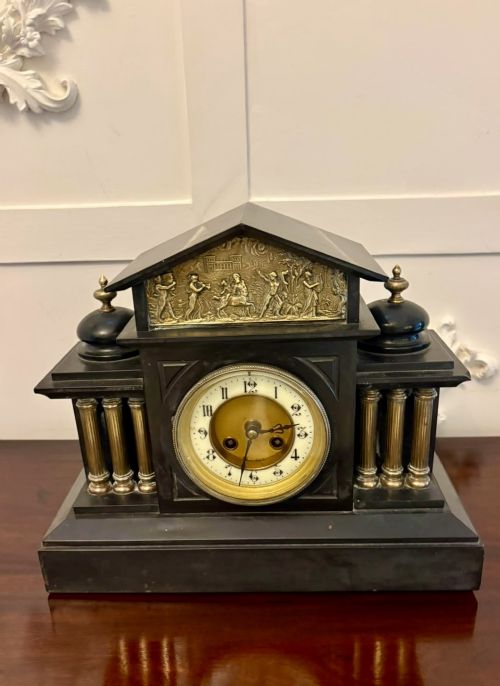
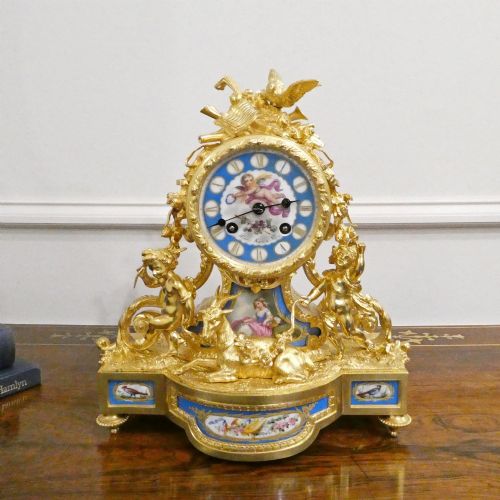
Antique Gilt Shelf
An antique gilt shelf brings warmth and reflected light to a room through carved wood, gesso, and gilded surfaces.
Antique Gilt Shelf
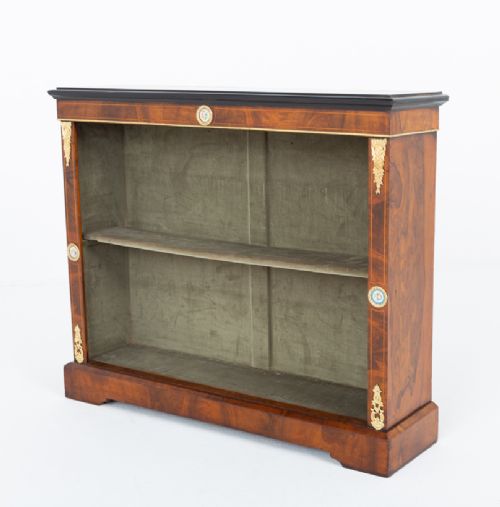
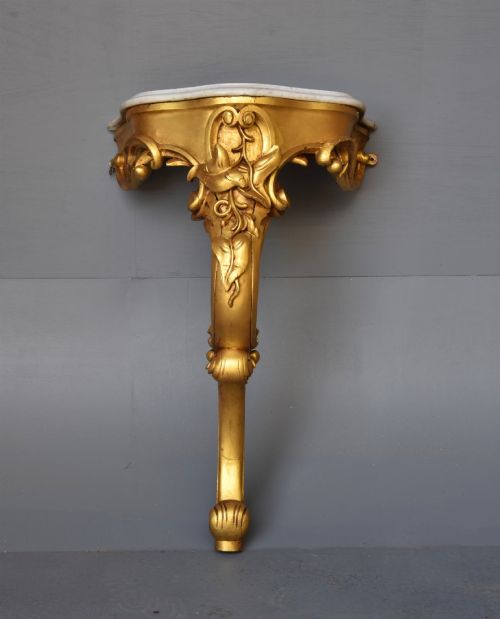
An antique gilt shelf encompasses wall brackets, corner shelves, and small display ledges originating predominantly from the nineteenth century. Buyers seek these items to mount small objects of vertu or to add architectural interest to plain walls.
The selection ranges from carved giltwood brackets dated to eighteen sixty and eighteen ninety to Victorian corner shelves and mirrored display ledges. French Rococo Revival and Neoclassical styles frequently appear alongside simpler English iterations.
Most examples function as single wall fixtures or paired brackets designed to support clocks, porcelain, or small bronzes. Their compact forms make them adaptable to various interior spaces.
How they were made
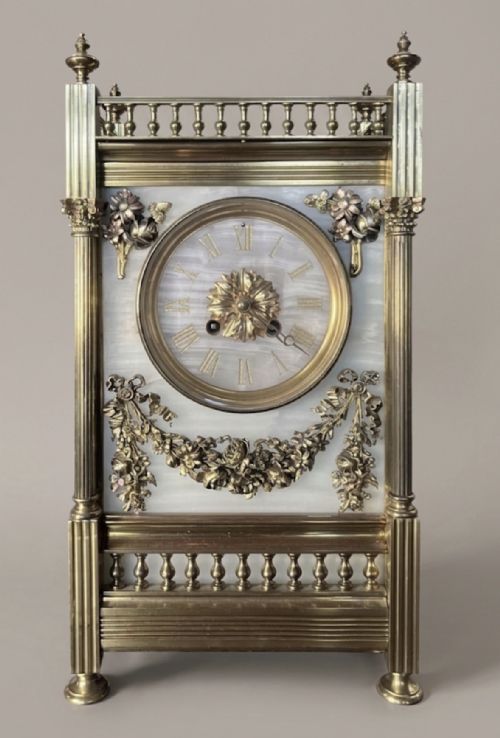
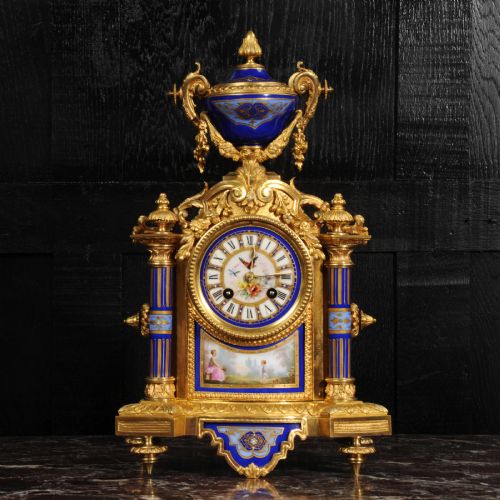
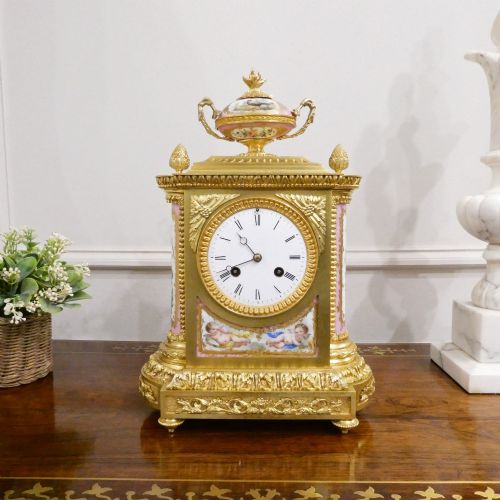
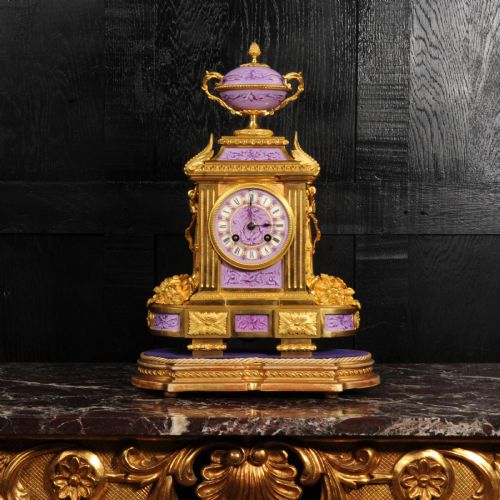
Carved timber forms the structural base for many pieces, finished with layers of gesso to create smooth grounds for water gilding or oil gilding. Ormolu and gilt bronze components also feature extensively, shaped through casting and chasing.
Makers utilised glass and mirrored panels within backing plates or display surfaces to enhance reflected light. Ebonising and parcel gilding techniques provided stark visual contrast on walnut and pine carcases.
Listings feature eighteenth and nineteenth century periods, utilising materials including ormolu, gesso, giltwood, and porcelain across wall brackets and mirrors.
What varies in quality
Depth of carving and crispness of detail separate standard production pieces from finer studio work. Pierced foliage, scrollwork, and figural elements show the hand of skilled carvers when undercut and sharply defined.
The integrity of the gilded surface and the preservation of the original gesso layers dictate the overall finish. Pieces retaining their original gilding without heavy overpainting demonstrate superior historical survival.
Johnstone and Jeanes·Achille Brocot·Henry Marc·Samuel Marti·Howell and James·Gillows·Delettrez·Etienne Lenoir
The Antique Gilt Shelf Glossary
- Giltwood
- Wood that has been coated with gold leaf or powder. This finish appears widely across nineteenth-century brackets and mirrors.
- Gesso
- A plaster mixture applied to wood surfaces as a preparation for gilding. It allows craftsmen to carve intricate relief details before applying gold leaf.
- Ormolu
- Finely ground high-carat gold-mercury amalgam applied to a bronze or brass object. The technique creates a rich golden finish seen on French decorative items.
- Wall Bracket
- A projecting support fastened to a wall to hold ornaments or clocks. Examples in the evidence include carved giltwood and terracotta winged siren designs.
- Rococo Revival
- A nineteenth-century design style marked by asymmetry, C-scrolls, and naturalistic plant motifs. It heavily influences many gilt brackets and clocks of the period.
Antique Gilt Shelf: Frequently Asked Questions
How do I hang an antique gilt shelf?
Wall brackets require secure fixings into wall studs or appropriate masonry anchors due to the weight of carved timber and gesso. Ensure the weight distribution aligns with the original hanging points on the backplate.
Position the shelf at an appropriate height to avoid accidental knocks from passing traffic. Smaller corner units and brackets benefit from placement away from direct heat sources that might dry out the old wood.
What is the difference between giltwood and ormolu?
Giltwood refers specifically to wooden objects coated with gold leaf over a gesso ground. Ormolu involves mercury gilding cast bronze or brass mounts.
Both materials achieve a bright golden appearance but serve different structural purposes on nineteenth-century furnishings and wall fixtures.
How should I clean a gilded surface?
Dust gently with a very soft, dry brush to remove surface particles without disturbing fragile gold leaf. Avoid liquid cleaners, abrasives, or modern solvents entirely.
Water and chemical agents easily dissolve historical gesso and water-gilt finishes. Consult a professional conservator if deeper cleaning becomes necessary.
What periods do these shelves come from?
The pieces span the eighteenth and nineteenth centuries, with a heavy concentration in the Victorian era and the eighteen sixties to eighteen nineties. French Revival and Neoclassical designs dominate this timeline.
Stylistic cues such as Rococo scrollwork and Empire motifs help indicate the specific decade of manufacture.