

Antique Gilt Pendant Light
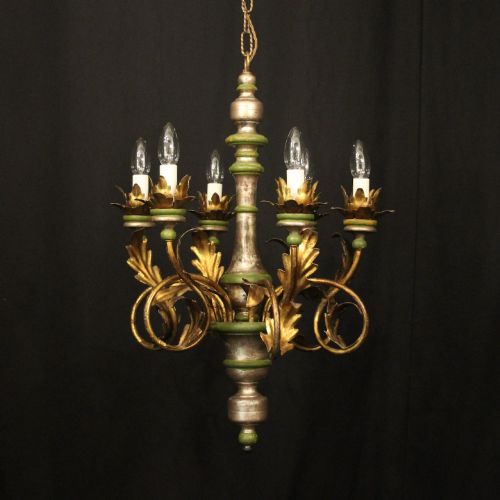
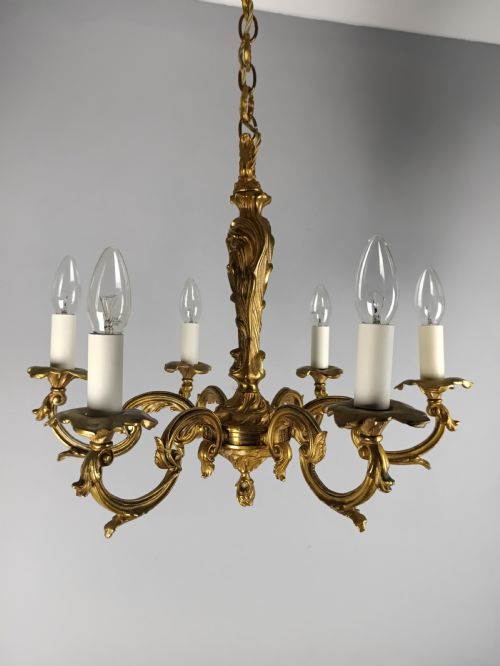
An antique gilt pendant light brings warm metallic radiance and classical French or Italian styling to high ceilings.
Antique Gilt Pendant Light
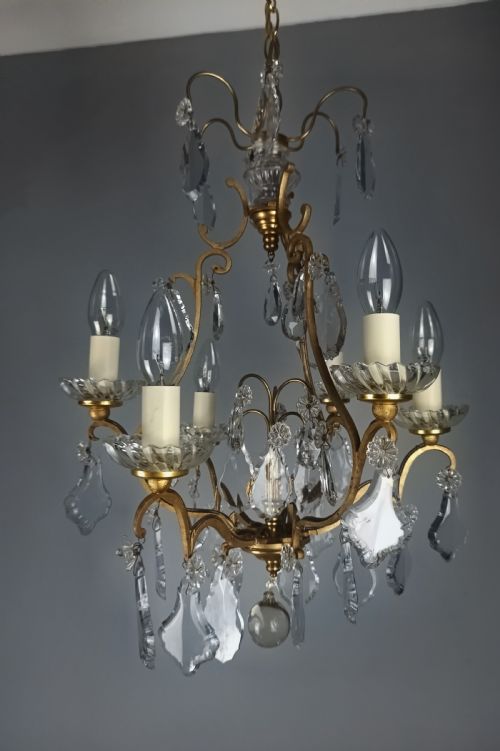
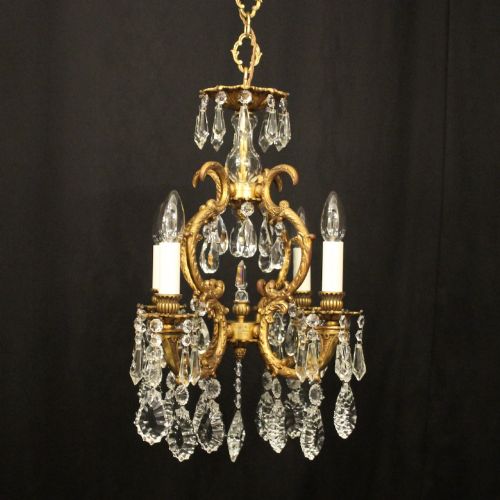
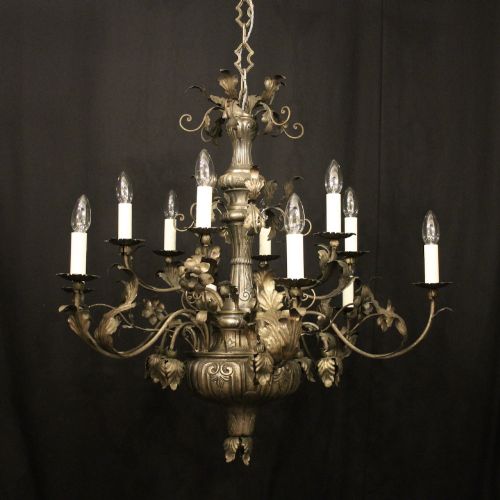
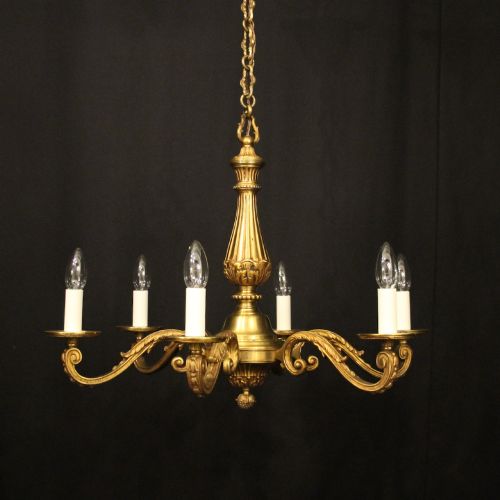
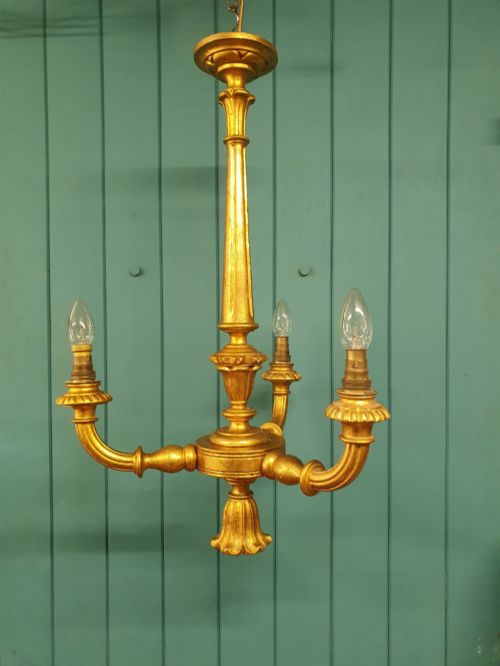
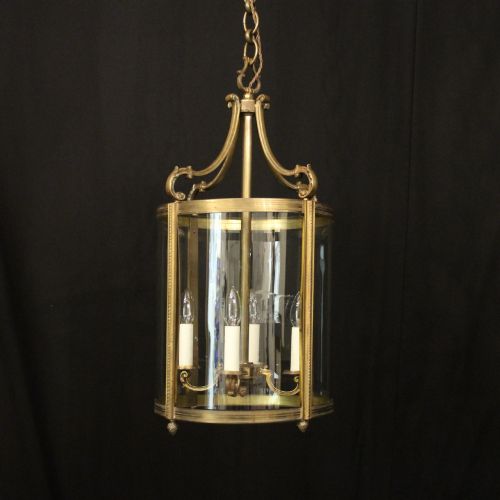
An antique gilt pendant light encompasses hanging chandeliers, hall lanterns, and ceiling lights produced across the nineteenth and early twentieth centuries. These fixtures descend from ceilings to illuminate spaces with multiple bulbs or candles, often adopting French or Italian stylistic influences.
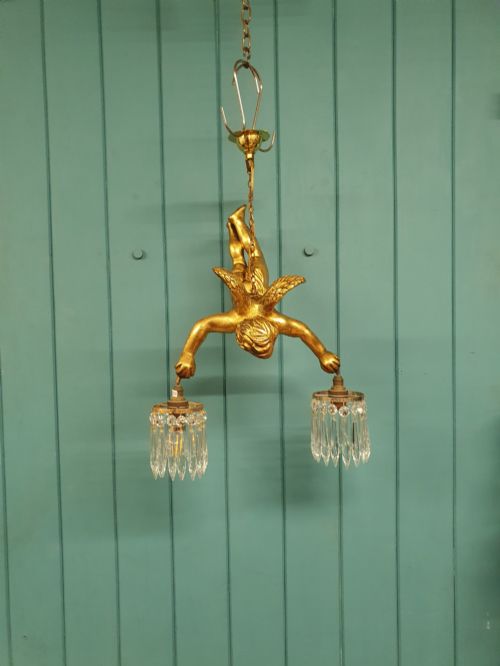
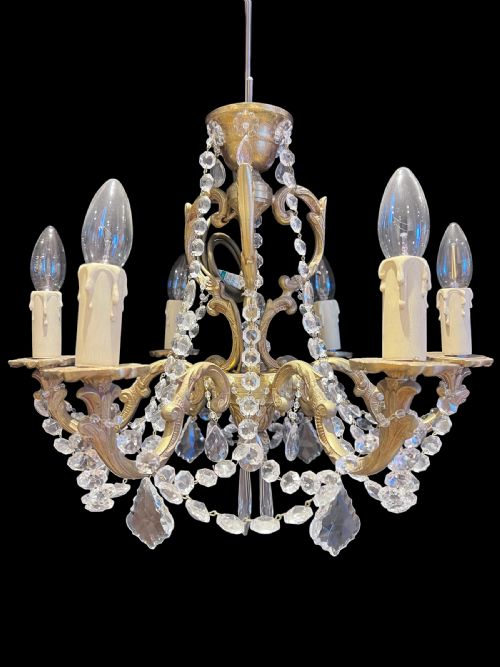
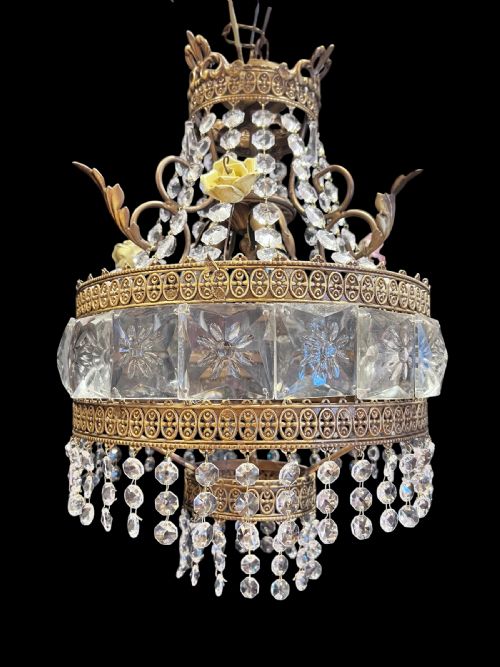
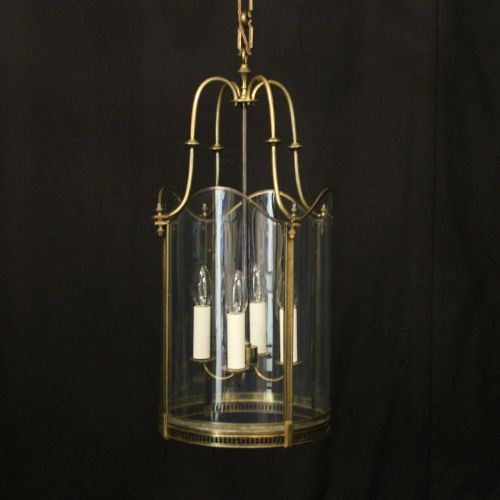
Most examples encountered here date from the nineteen-twenties and nineteen-thirties, alongside nineteenth-century and Edwardian pieces. Forms range from multi-arm chandeliers decorated with crystal spikes and porcelain flowers to convex glass hall lanterns enclosed in gilt metal frames.
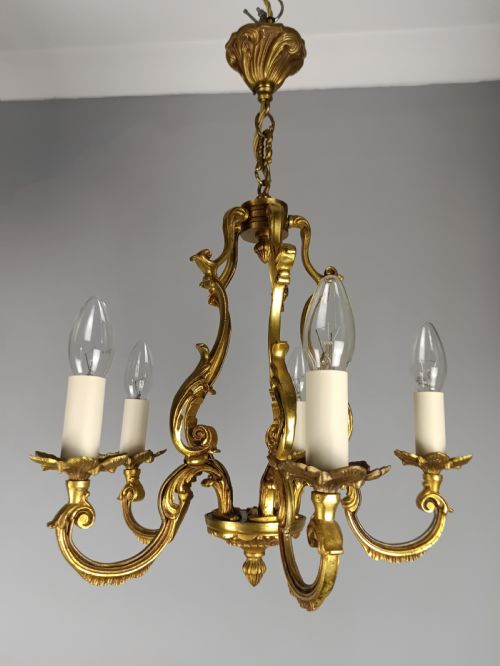
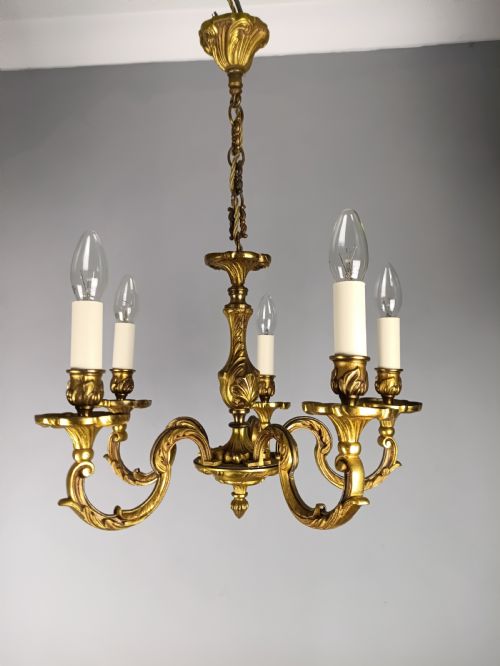
Makers and designers drew upon established traditions such as French Rococo, Neoclassical, and Empire styles, or Italian Florentine and Baroque aesthetics. Buyers select these fittings to anchor a room with period character, decorative metalwork, and reflective glass elements.
How they were made
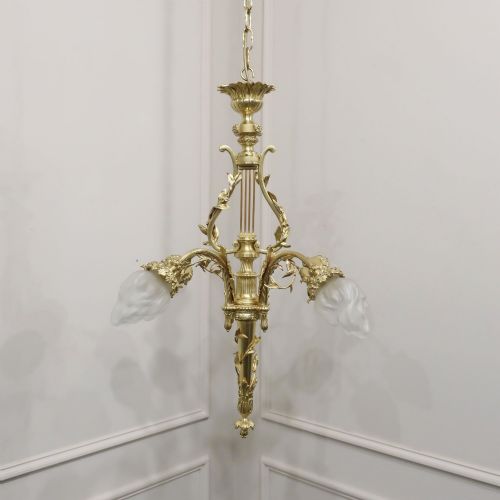
The construction of these light fixtures relies heavily on cast bronze, brass, spelter, and carved giltwood forming the structural frames and decorative mounts. Artisans applied thin layers of gold leaf or gilt finishes over base metals to achieve a rich, enduring metallic sheen.
Cut glass, crystal prisms, and etched glass panels complement the metalwork, catching and refracting light across the room. Details such as porcelain flowers, toleware foliage, and cast cherubs were integrated by hand into the hanging arrangements.
The listings on this page span the nineteenth century, the Edwardian era, and the nineteen-twenties and thirties, utilising brass, bronze, crystal, and glass.
What varies in quality
Quality in these hanging lights depends on the precision of the metal casting and the depth of the gilding applied to the bronze, brass, or carved wood. Finer pieces display crisp botanical motifs, sculptural figures, and well-proportioned frames that maintain visual balance from every angle.
The integration of high-grade cut crystal, such as waterfall drops or coffin prisms, separates standard production from exceptional examples. Superior assembly ensures that heavy components like crystal cascades and bronze mountings hang true and secure.
The Antique Gilt Pendant Light Glossary
- Gilt bronze
- Metal cast into decorative shapes and coated with gold or a gold-coloured finish. This material forms the sturdy chassis of many French chandeliers.
- Hall lantern
- A pendant light enclosed in glass panels and mounted in a metal frame, designed for entryways. These often feature convex glass and hinged doors for access.
- Tent and waterfall chandelier
- A lighting fixture featuring strings of crystal beads forming an upper tent shape above a cascading arrangement of prisms. This design maximises light reflection.
- Spelter
- An alloy of zinc and lead used as a cheaper alternative to bronze for cast decorative figures. It appears frequently in figural ceiling lights.
- Coffin prisms
- Long, flat glass drops with faceted edges used to trim hanging lights. They disperse light into sharp prismatic colours.
Antique Gilt Pendant Light: Frequently Asked Questions
How do I hang a heavy antique chandelier?
These large fixtures require anchorage directly into ceiling joists using a suitable metal hook or ceiling rose capable of supporting the combined weight of metal and crystal.
Professional electrical installation ensures the internal wiring safely handles the bulb capacity while bearing the suspension load securely.
Where should I place a hall lantern?
Hanging a lantern in an entrance hall, landing, or high-ceilinged corridor utilises its enclosed glass design to protect the light source while directing illumination downward.
Sizing the fixture to leave adequate clearance beneath ensures safe passage in vertical circulation spaces.
How do I clean crystal and gilt metal?
Dusting crystal prisms with a soft cloth and using mild soapy water on glass components prevents grime buildup without disturbing the delicate metal finishes.
Gilt surfaces require gentle dry dusting, avoiding harsh chemical cleaners that can strip away the historical gold leaf or metallic paint.
How can I tell an Edwardian pendant light apart from a nineteenth-century piece?
Edwardian lighting often incorporates lighter brass frames and simpler glass elements reflecting early twentieth-century domestic trends. Nineteenth-century examples tend to use heavier cast bronze, intricate Rococo or Empire motifs, and denser crystal configurations.