

Antique Gilt Frame Art
Antique gilt frame art brings centuries of portraiture and landscape into a room, framed in rich, gleaming gold leaf.
Antique Gilt Frame Art
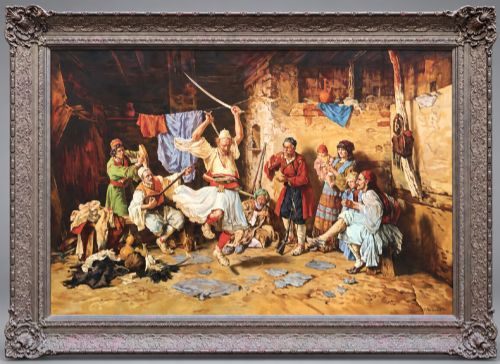
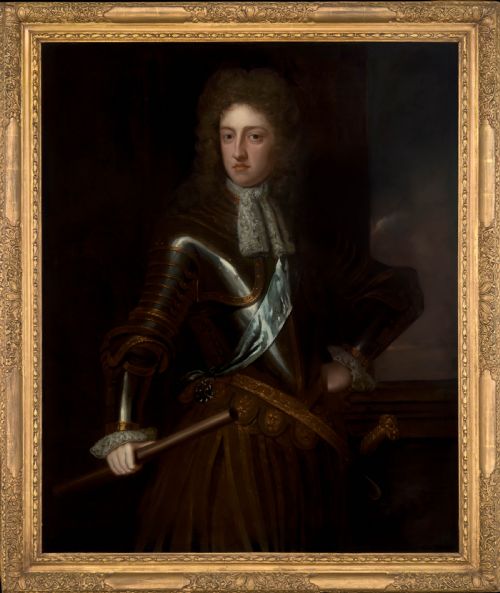
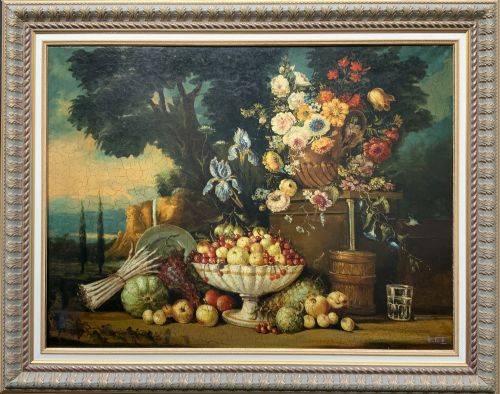
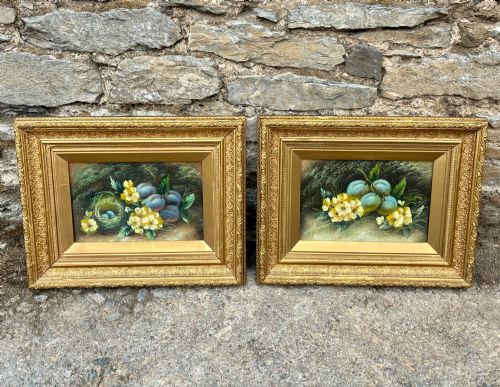
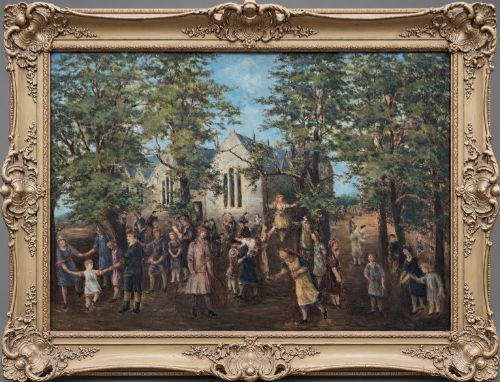
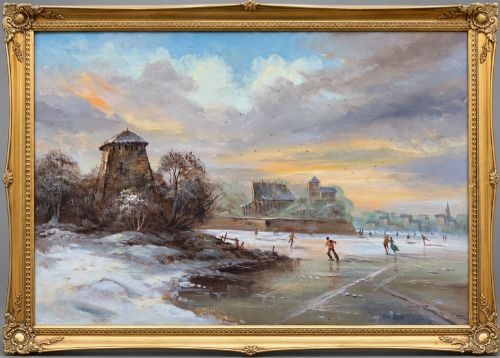
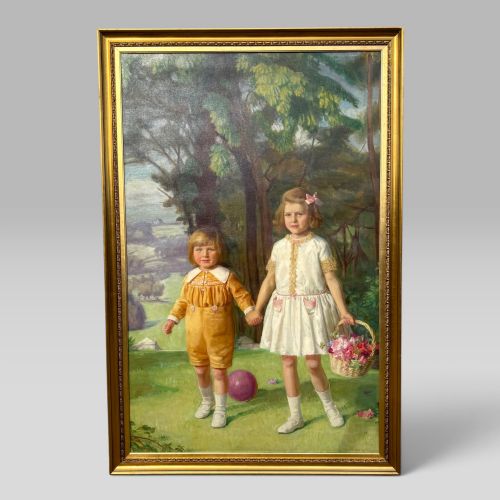
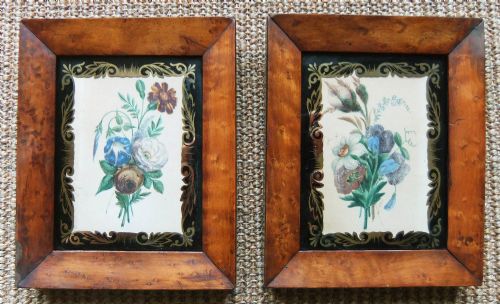
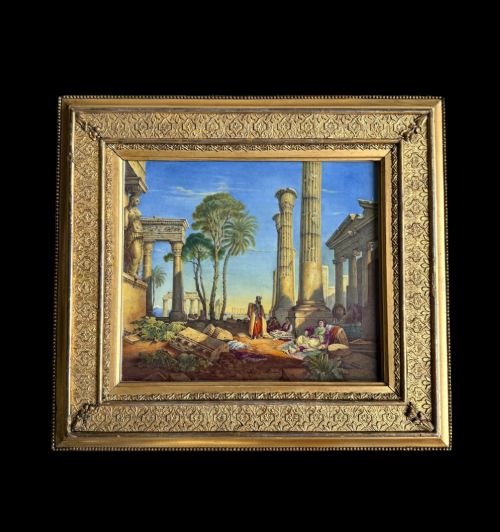
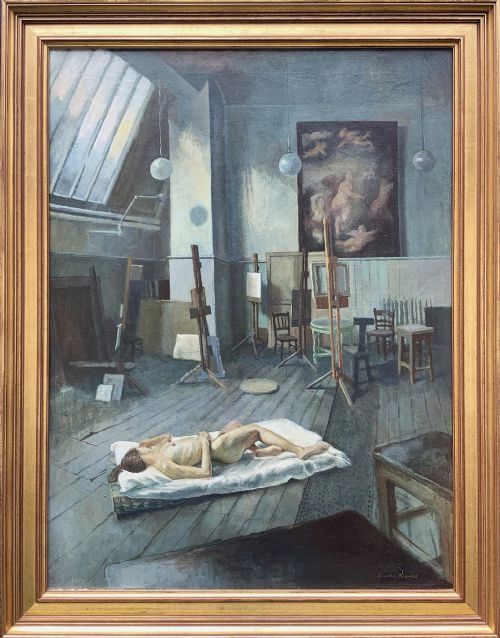
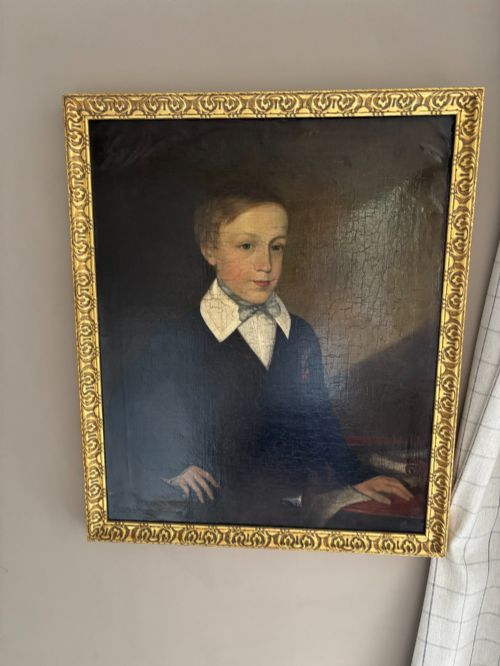
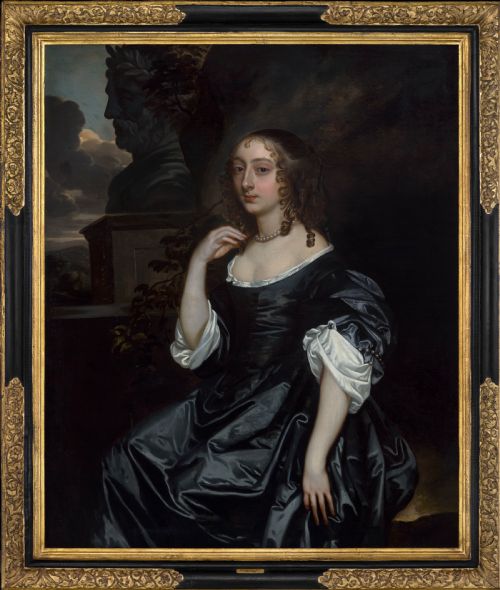
When you search for antique gilt frame art, you encounter oil paintings, watercolours, and portrait miniatures housed in ornate wooden surrounds. These works span from the seventeenth century through the Edwardian era, capturing subjects from noble sitters to pastoral landscapes and delicate flower studies.
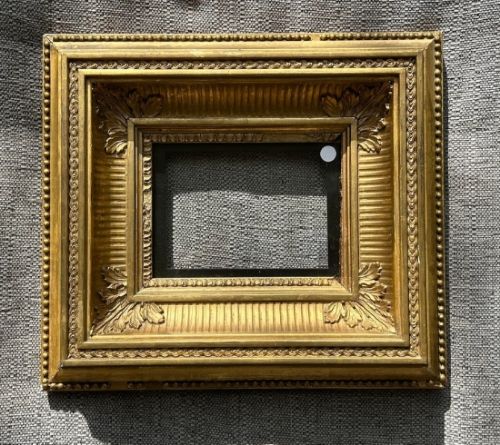
The most common pieces on this page are nineteenth century oil paintings and portraits executed on canvas or panel. Many retain their original deep giltwood and gesso frames, showing the characteristic fluted hollow mouldings of the period.
Alongside major canvases, buyers find smaller portrait miniatures and porcelain plaques set within gilded metal or wood surrounds. These diverse objects share a common reliance on gold leaf and traditional framing techniques to elevate the artwork within.
How they were made
Painters used oil on canvas, wood panel, or paper supports, applying rich oil pigments or delicate watercolours to capture light and shadow. Canvas works often required sturdy wooden stretchers, while panel paintings utilised stable timber bases prepared with gesso grounds.
The frames themselves were constructed from carved wood, such as giltwood, then built up with layers of gesso before the application of fine gold leaf. Artisans used specialised tools to shape intricate fluted hollows and ornate decorative motifs that caught the candlelight.
Master craftsmen applied gold leaf by hand, burnishing the metal to achieve a brilliant, enduring shine that contrasted with the dark varnishes of the oil paintings. This meticulous layering ensured the frame complemented the depth and prestige of the artwork it enclosed.
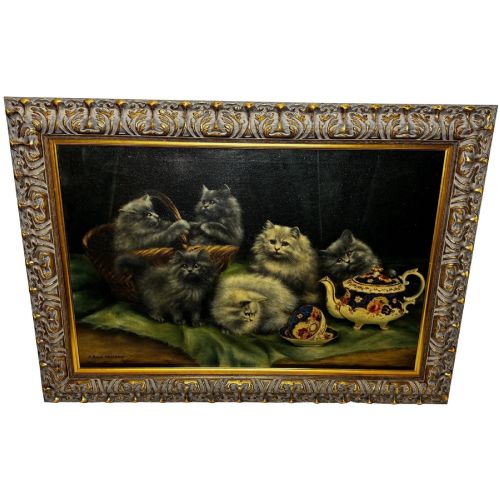
Several Victorian and Edwardian canvases proudly preserve the painted likenesses of pampered Persian cats, sporting spaniels, and playful farmyard cattle.
What varies in quality
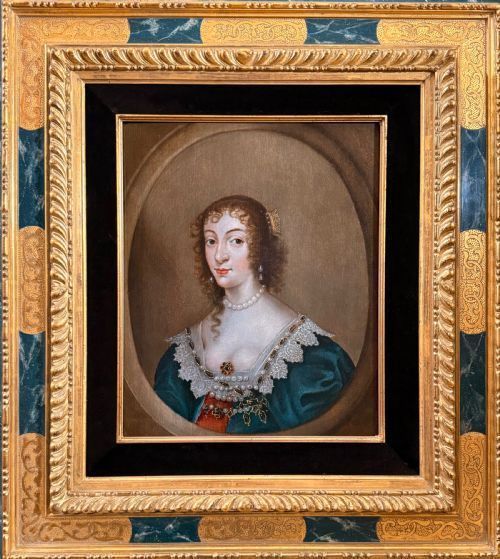
The distinction between ordinary and exceptional antique gilt frame art lies primarily in the fidelity of the brushwork and the anatomical accuracy of the subjects. Master hands achieved subtle skin tones and expressive facial details in portraits, whereas lesser works display stiff proportions and flat, uninspired backgrounds.
Frame quality depends heavily upon the crispness of the hand-carved or moulded gesso decoration and the completeness of the original gold leaf. Superior frames retain their sharp architectural lines and deep relief, while inferior examples suffer from heavy over-gilding or smoothed-out ornamental details.
The harmony between the painting and its surround indicates superior provenance, as original period pairings demonstrate careful curatorial alignment. Artworks retaining their initial frame makers' details or documented studio attributions command greater attention from serious collectors.
Sir Godfrey Kneller·Sir Peter Lely·Frederick Buck·William Langley·George F. Bird
The Antique Gilt Frame Art Glossary
- Giltwood
- Timber that has been decorated with a thin layer of gold leaf. This material forms the durable core of many traditional picture frames from the seventeenth century onwards.
- Gesso
- A plaster mixture applied to wood surfaces as a smooth base for gilding. Artisans carved intricate decorative details directly into this dried foundation before applying gold leaf.
- Portrait Miniature
- A small, highly detailed painting on ivory, vellum, or card. These intimate works were frequently housed in protective cases or gilt frames with hinged glass covers.
- Oil on Canvas
- Pigment mixed with drying oil applied to a stretched woven fabric support. This technique allowed artists to achieve rich colour saturation and subtle tonal gradations.
- Fluted Hollow
- A concave framing profile featuring parallel vertical grooves. This design gained popularity in the nineteenth century to draw the eye inward toward the canvas.
Antique Gilt Frame Art: Frequently Asked Questions
Are these paintings original or reproductions?
The works listed here are period originals dating from the seventeenth, eighteenth, and nineteenth centuries. Each piece reflects the painting techniques, materials, and artistic conventions of its specific era.
Detailed listing descriptions note the recorded period, medium, and any known studio attributions. Examining the canvas weave, stretcher construction, and backing boards helps confirm the age of the artwork.
How should I hang antique art safely?
Hang heavy gilt frame art securely from sturdy wall studs using appropriate picture wire and heavy-duty wall hooks rated well above the weight of the piece. Avoid placing artworks in areas subject to direct sunlight or damp conditions, which can warp wooden panels and degrade canvas.
Maintain stable room temperatures to prevent the gesso and gold leaf from cracking over time. Proper environmental control protects both the painting and its ornate frame for future decades.
How do I identify the period of a frame?
Frame styles evolved alongside artistic movements, shifting from heavy seventeenth-century Baroque carvings to cleaner nineteenth-century fluted hollows. Examining the corner joints, moulding profiles, and underlying gesso composition reveals the manufacturing methods of the era.
Comparing the framing style to the date of the enclosed painting often indicates whether the pairing is original. Many period frames were selected specifically to complement the aesthetic of the artwork.