

Antique Gilt Figures
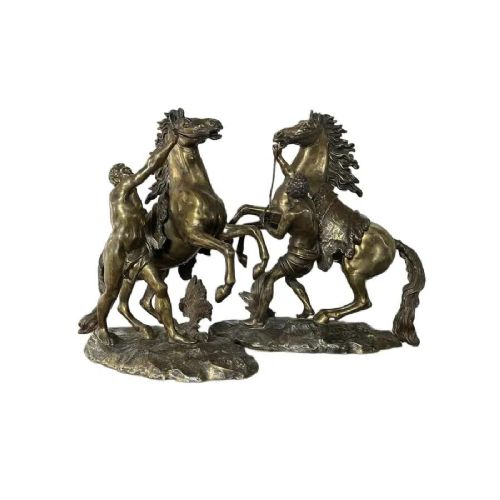
Antique gilt figures bring metallic warmth to a room, ranging from small desktop bronzes to cast metal deities.
Antique Gilt Figures
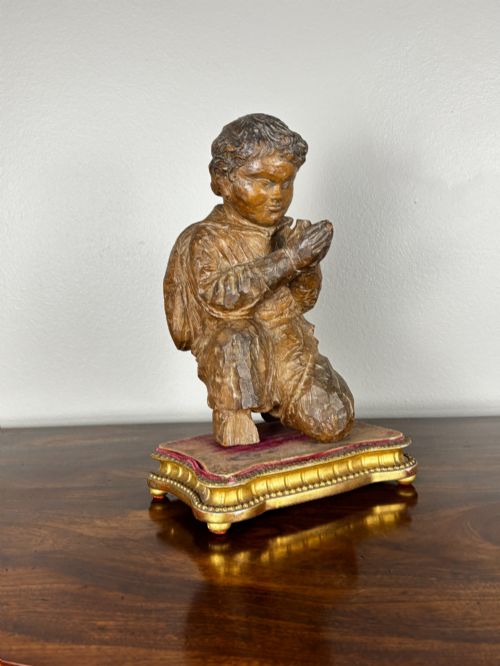
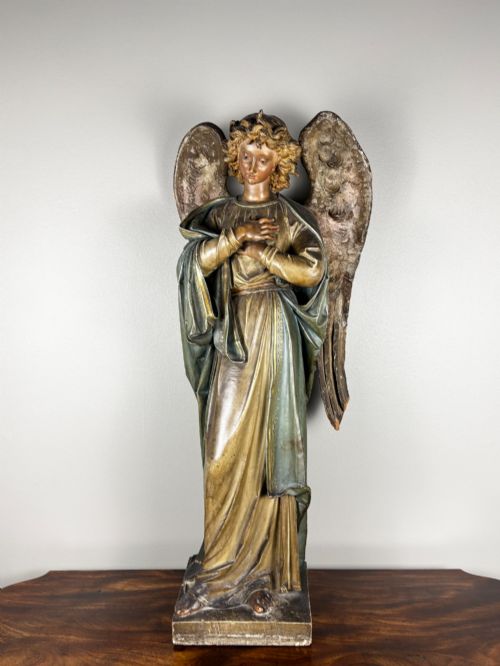
When you search for antique gilt figures, you encounter a diverse group of sculptural objects shaped from bronze, brass, terracotta, and wood, then finished with gold leaf, fire-gilding, or paint. The selection spans centuries and origins, reaching from European classical subjects to Sino-Tibetan religious deities.
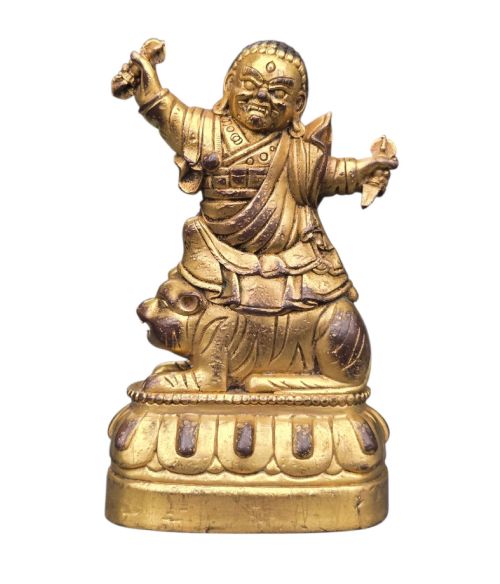
You are most likely to meet 19th century cast bronzes depicting mythological figures, cherubs, and classical maidens alongside earlier cast metal Buddhist protector figures. These pieces appear as standalone desk ornaments, cabinet sculptures, and lamp bases.
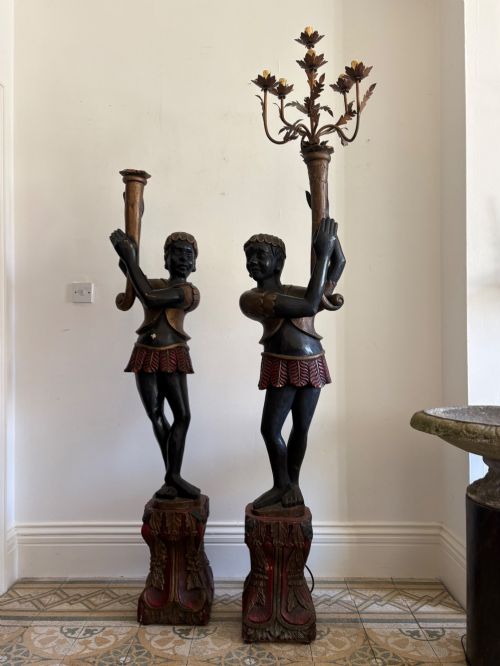
The form stretches beyond small ornaments into architectural brackets, figural inkwells, and large floor lamps rendered in carved wood. Each category reveals how makers across different cultures applied metallic surface treatments to three-dimensional forms.
How they were made
Makers utilised casting techniques like lost-wax for bronze and brass sculptures, allowing intricate detail in figures such as deities, cherubs, and classical subjects. Metal components then received surface enrichment through fire-gilding or applied gold leaf.
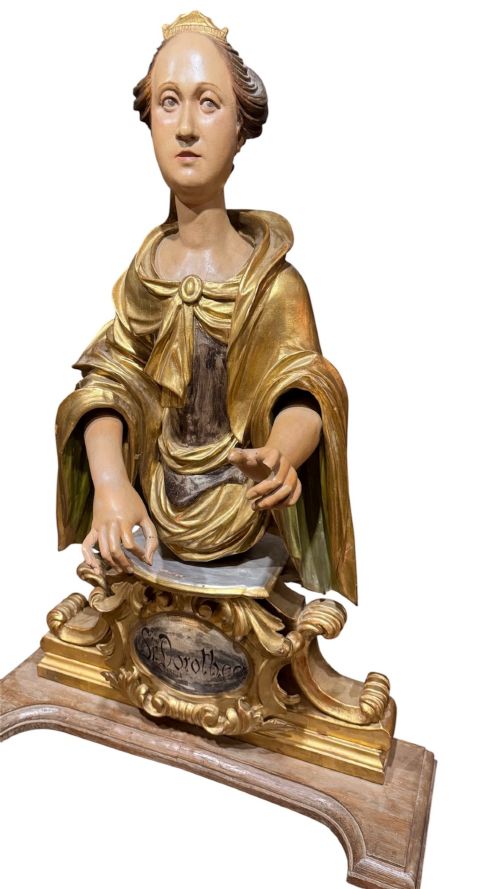
Carved wood and terracotta objects provided alternative foundations for gilding, often built up with gesso layers before the application of leaf. Artisans also combined cast metals with marble bases, mounting heavy figures upon stone plinths.
Antique Gilt Figures Retail Price Guide 2026
Typical asking prices for gilt figures among the pieces listed under this phrase on Sellingantiques today, from the lower quarter to the upper quarter. They describe what is for sale here now, not the wider market.
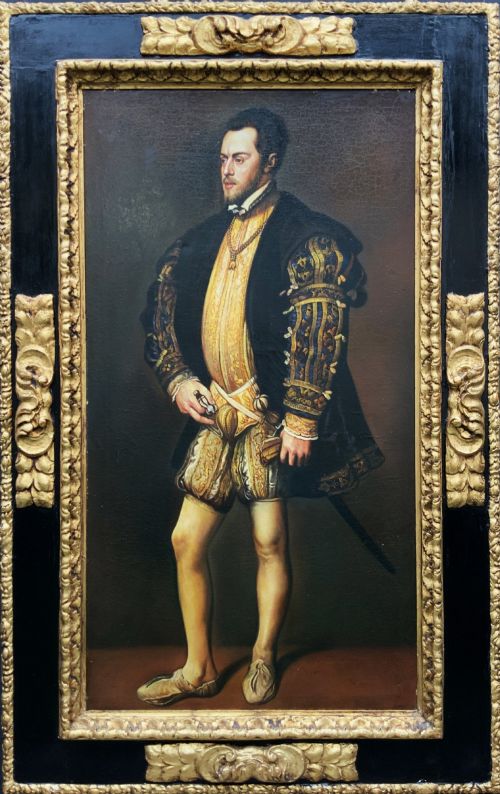
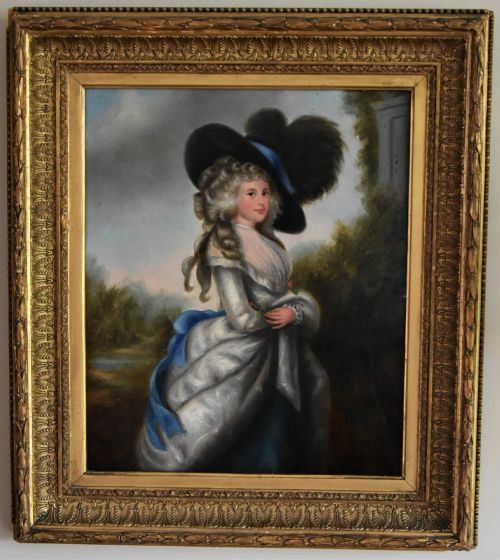
Listings for antique gilt figures encompass periods from the 16th century through to the 1920s, featuring materials like gilt-bronze, marble, and oil on canvas.
What varies in quality
Quality rests primarily in the crispness of the original cast and the depth of the subsequent hand-chasing. Superior examples retain sharp facial expressions and clean separation in clothing folds, whereas lesser pieces show smoothed details and softened edges from worn moulds.
The integrity and method of the gilding surface also divide standard pieces from exceptional ones. Fire-gilded finishes display a warm, durable bond with the metal beneath, while later or degraded surface applications may flake or appear flat and uniform.
Material selection and mounting contribute to the overall standard of the object, particularly where solid-cast metals meet fitted marble bases or where carved wooden components retain their original structural integrity.
Studio M. Canals·Deakin & Francis·Susse Freres
The Antique Gilt Figures Glossary
- Gilt-bronze
- Metalwork cast in bronze and subsequently coated with gold through fire-gilding or mercury gilding. This technique creates a deep, durable metallic lustre.
- Fire-gilding
- A historical method where an amalgam of gold and mercury is applied to base metal and heated until the mercury evaporates, leaving a bonded gold layer. It yields a rich matte and burnished finish.
- Sino-Tibetan
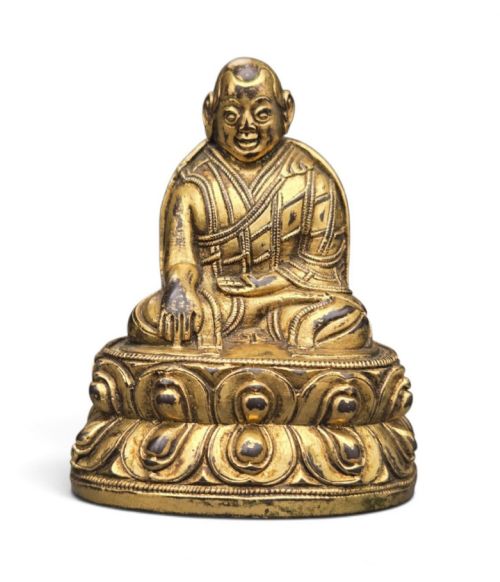
- A stylistic designation describing religious art produced within the cultural sphere bridging China and Tibet. These works frequently depict Buddhist deities cast in bronze with gilt surfaces.
- Lost-wax
- A casting process where a wax model is rendered around a core, encased in refractory material, and melted out to create a mould for molten metal. It permits complex undercuts and fine detail.
- Chasing
- The manual tool-work applied to the surface of a metal casting after it emerges from the mould. Artisans use punches and hammers to refine textures and sharpen lines.
Antique Gilt Figures: Frequently Asked Questions
What are antique gilt figures made from?
These pieces are predominantly cast in bronze, brass, or carved from wood and terracotta before receiving a gold leaf or fire-gilded surface treatment. Some examples incorporate stone elements such as marble bases.
Makers selected materials based on the intended function, utilising heavy metals for desk paperweights and freestanding cabinet sculptures while employing lighter woods or terracotta for architectural brackets and lamps.
How do I clean a gilt bronze figure?
Dusting gently with a soft, dry brush is the safest method for maintaining metallic surfaces. Moisture and abrasive polishes strip away historical gilding.
Preserving the original surface requires avoiding chemical cleaners entirely. Professional conservation is recommended if a piece requires deeper attention.
How can I tell the age of a bronze figure?
Dating relies on examining the casting technique, tool marks left by chasing, and the composition of the metal alloy. Earlier pieces often show hand-finished irregularities beneath the gilding.
Style, patination, and the nature of the wear patterns also offer clues. Comparing the casting quality to documented period examples helps confirm the era.
Where were Sino-Tibetan gilt figures displayed?
These figures served devotional purposes within monastic settings, household altars, and private shrines. They represented protective deities and bodhisattvas intended to inspire contemplation.
Their portable nature allowed them to travel across regions, eventually entering European and Western collections as decorative and scholarly objects.