


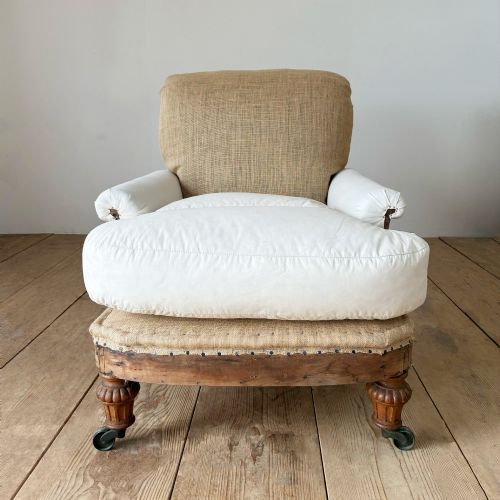

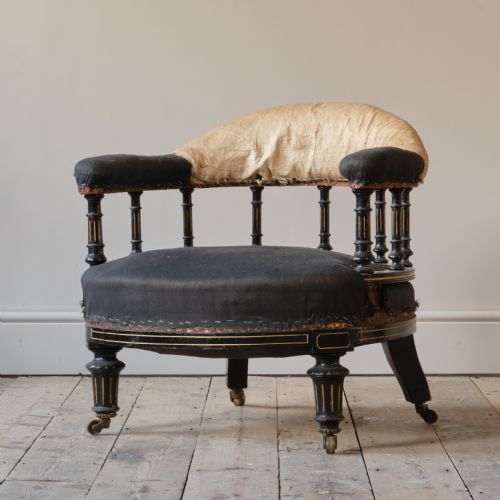
Antique Gillows Chair
An antique gillows chair brings the measured elegance and cabinet-making mastery of Lancaster and London into the domestic interior.
Antique Gillows Chair
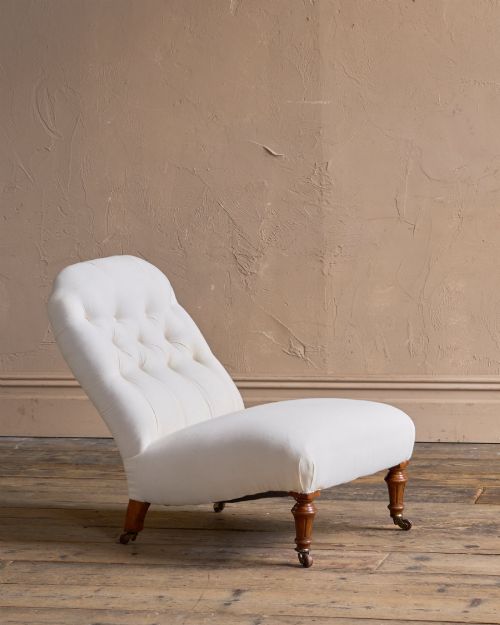
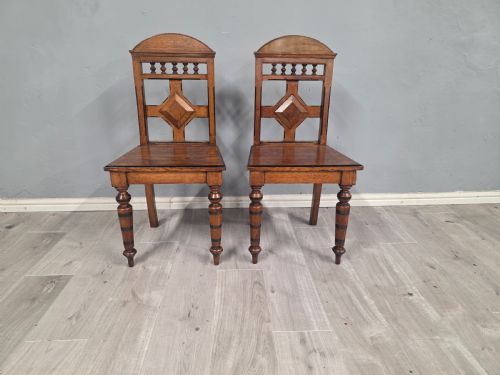
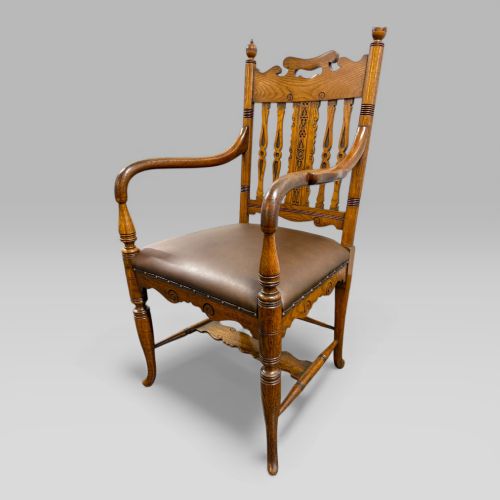
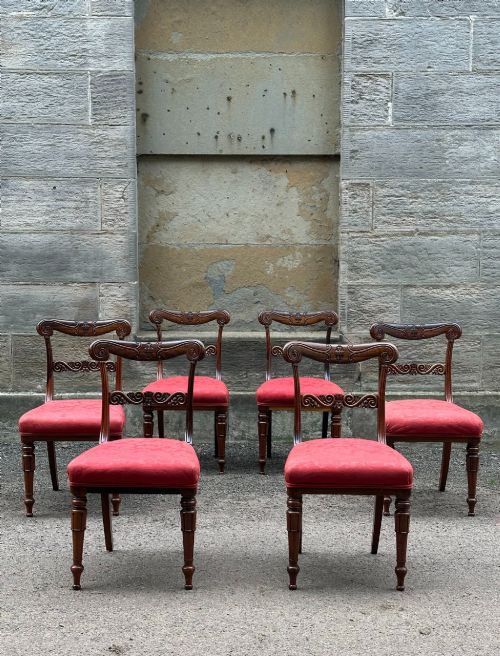
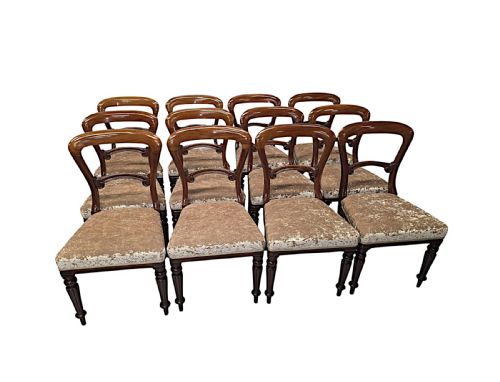
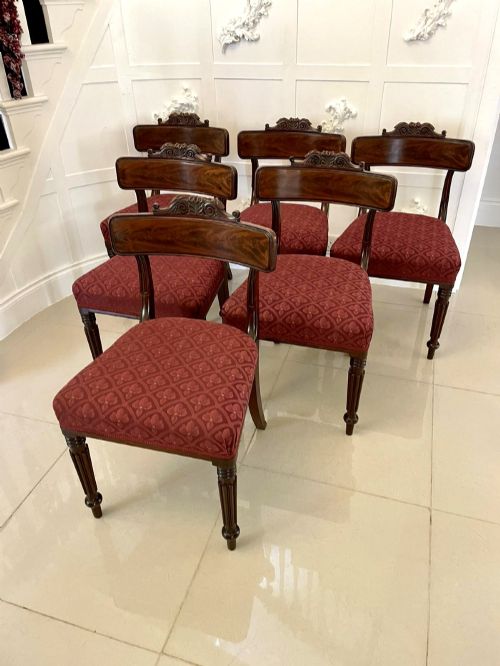
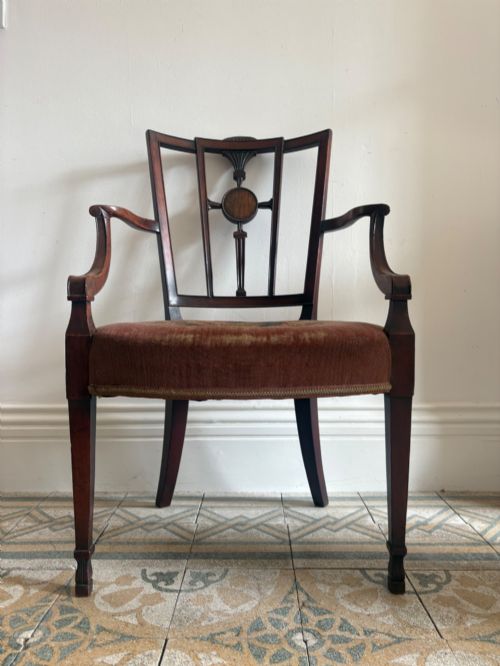
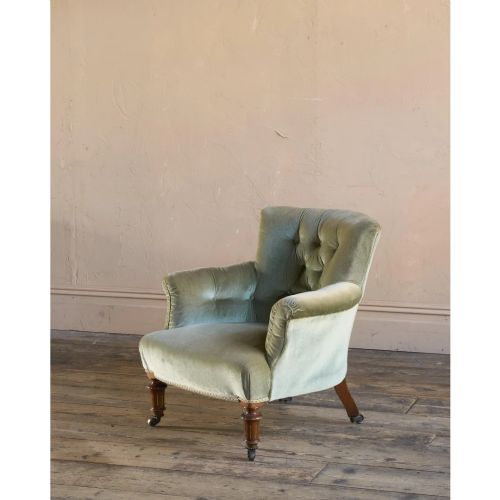
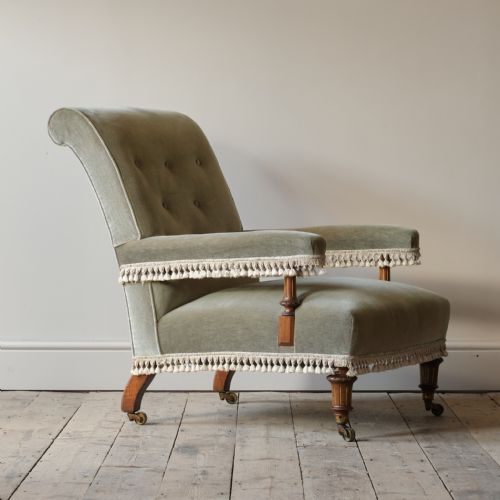
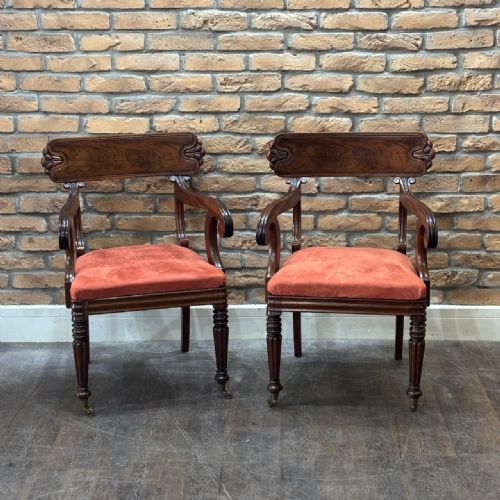
An antique gillows chair encompasses diverse forms ranging from solid mahogany dining seats and library armchairs to hall chairs and chaise longues. The listings frequently feature pieces from the Regency and Victorian periods, alongside earlier Georgian examples and later manifestations by Waring and Gillow.
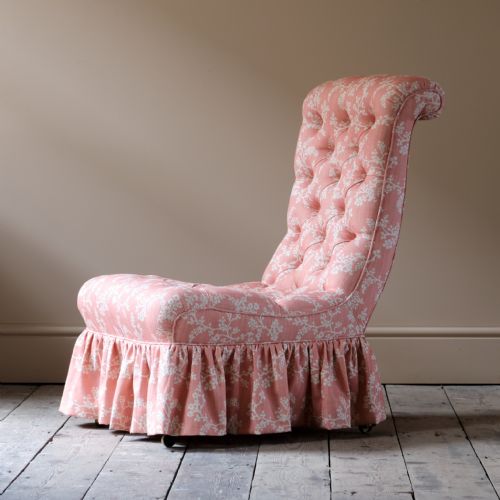
Buyers encounter both stamped originals bearing the firm's signature and pieces attributed through distinct structural traits, or created in the manner of the workshop. Dining chairs appear in matched sets of various sizes, while open armchairs, bergères, and slipper chairs represent the domestic seating options.
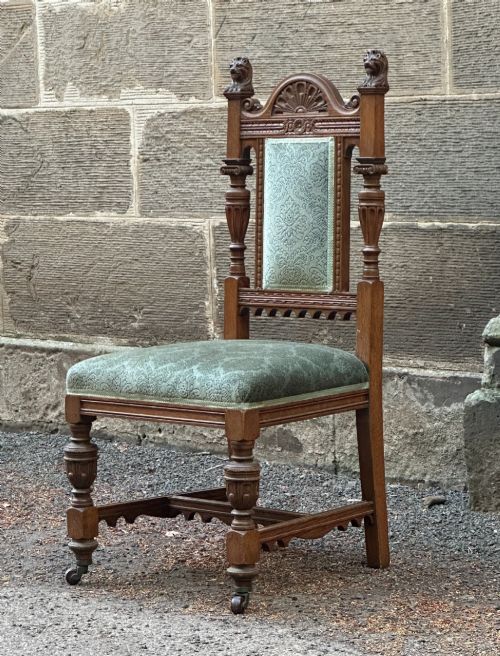
The aesthetic vocabulary shifts across the decades, moving from disciplined neoclassical lines to robust William IV proportions, Gothic Revival details, and Aesthetic Movement designs. Oak, walnut, rosewood, and mahogany provide the primary timber foundations across these stylistic phases.
Materials and construction
Cabinet makers utilised dense hardwoods including Cuban mahogany, rosewood, and oak, often selecting timbers for prominent grain patterns or ebonising them to emulate exotic materials. Brass castors, inlaid details, and carved rosewood roundels provide decorative punctuation on frames.
Upholstered forms rely on supportive webbeding and traditional stuffing beneath fabric, leather, velvet, or calico, while specific light seating utilises woven cane panels or turned wooden spindles.
Antique Gillows Chair Retail Price Guide 2026
Typical asking prices for gillows chair among the pieces listed under this phrase on Sellingantiques today, from the lower quarter to the upper quarter. They describe what is for sale here now, not the wider market.
Even a humble hallway bench received the full Lancaster treatment, ensuring guests admired the cabinet work before removing their hats.
Distinguishing quality in production
The highest tier of these chairs displays meticulous timber selection, where grain alignment and colour consistency unify the components of a dining set. Crispness in hand-carved elements, such as reeded legs or shell backs, separates master workshop output from simpler vernacular adaptations.
Structural integrity depends on robust joinery that survives centuries of use without excessive reinforcement. Presence of an original maker stamp or documented provenance elevates historical significance, though attribution relies entirely on established stylistic markers and timber handling.
Gillows·Waring and Gillow·Bruce Talbert·Bruce James Talbert
The Antique Gillows Chair Glossary
- Bergère
- An enclosed upholstered armchair with cane or upholstered sides and back. This French-inspired form gained popularity during the Regency period for library and drawing room settings.
- Reeded
- A decorative moulding consisting of parallel convex rounded strips resembling inverted fluting. This technique frequently appears on the legs and supports of dining chairs.
- Hall chair
- A rigid wooden seat intended for entrance halls rather than prolonged sitting, often featuring a carved or painted armorial crest. These pieces prioritise sculptural silhouette and durability.
- Aesthetic Movement
- A late nineteenth-century design style emphasising visual beauty over narrative content. Pieces from this era often incorporate ebonised finishes and geometric ornamentation.
- Gothic Revival
- An architectural and decorative style drawing inspiration from medieval forms. Chairs from this movement display pointed arches, quatrefoils, and heavy carved oak.
Antique Gillows Chair: Frequently Asked Questions
How can I identify a genuine Gillows chair?
Authentic pieces sometimes bear a stamped signature directly into the wood framing, usually found on the seat rail. In the absence of a stamp, attribution relies on characteristic proportions, high-grade timber selection, and specific construction methods documented in the Lancaster ledgers.
Matching stylistic details such as reeded legs, turned front supports, and specific brass hardware further reinforce attribution. Expert evaluation considers the exact joinery techniques employed by the workshop during the relevant decade.
What periods do these chairs cover?
The inventory spans from the late eighteenth century through the Georgian and Regency eras into the Victorian period. Early pieces reflect neoclassical restraint, whereas mid-century examples embrace bolder proportions and Revivalist ornamentation.
Later Victorian and Edwardian iterations produced by the successor firm demonstrate how the workshop adapted to changing tastes while maintaining cabinet-making standards. Each era brings distinct timber treatments and upholstery profiles to the seating forms.
Were these chairs made individually or in sets?
Dining chairs typically survive in matched sets ranging from four to twelve pieces, designed for formal dining rooms. Armchairs, hall chairs, and library seats were frequently commissioned individually or as matched pairs for specific domestic spaces.
Matched sets demonstrate uniformity in timber grain and carving detail across every frame. Single pieces often served specialised functions like desk work, reading, or bedroom seating.
How do I care for antique wood and upholstery?
Preserving the timber requires stable room humidity and protection from direct sunlight to prevent veneer cracking and fading. Regular dusting with a soft cloth maintains the finish without moisture damage.
Upholstered surfaces benefit from professional gentle cleaning appropriate to the specific fabric, leather, or velvet covering. Maintaining structural joints prevents loosening caused by seasonal temperature shifts in domestic environments.