
Antique Geometric Table
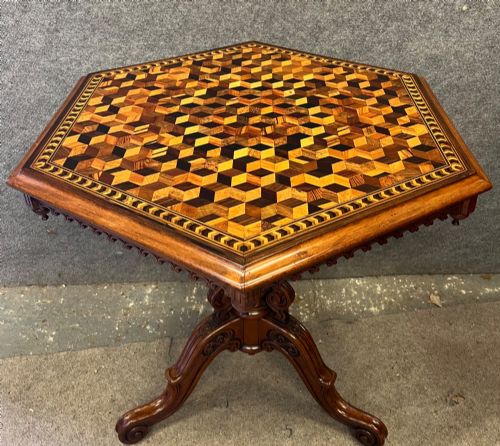
An antique geometric table brings sharp lines and precise woodwork into a room, offering both practical surface space and a distinct decorative focus.
Antique Geometric Table
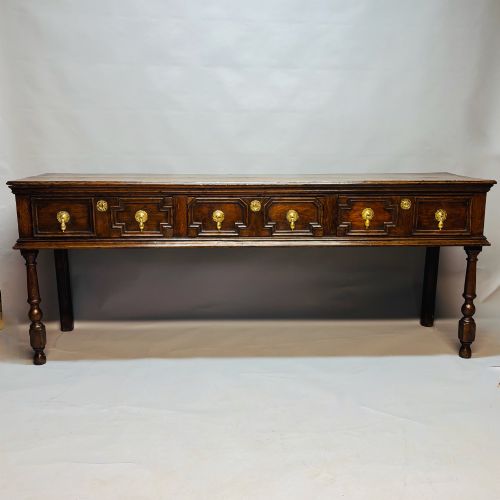
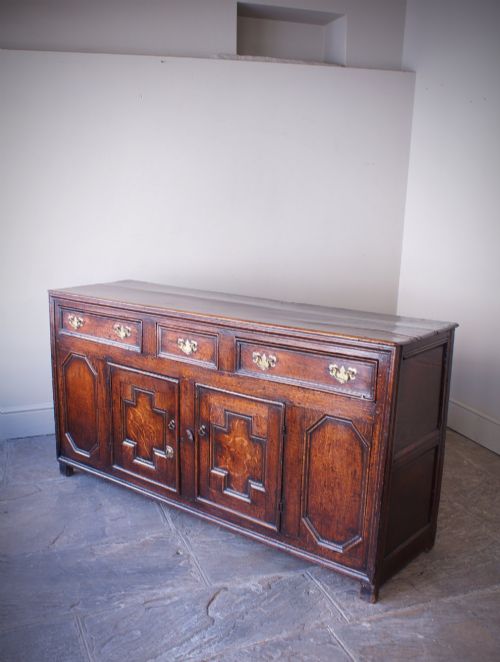
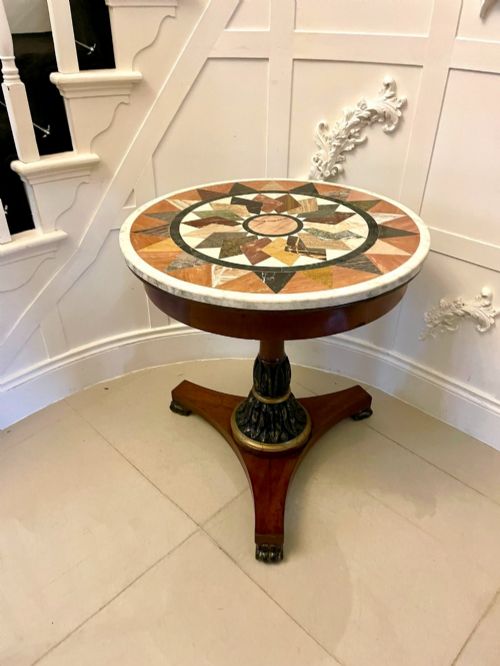
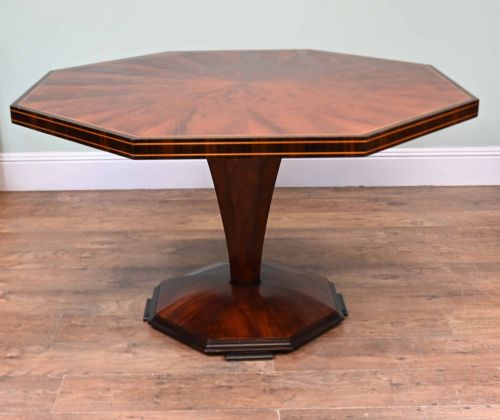
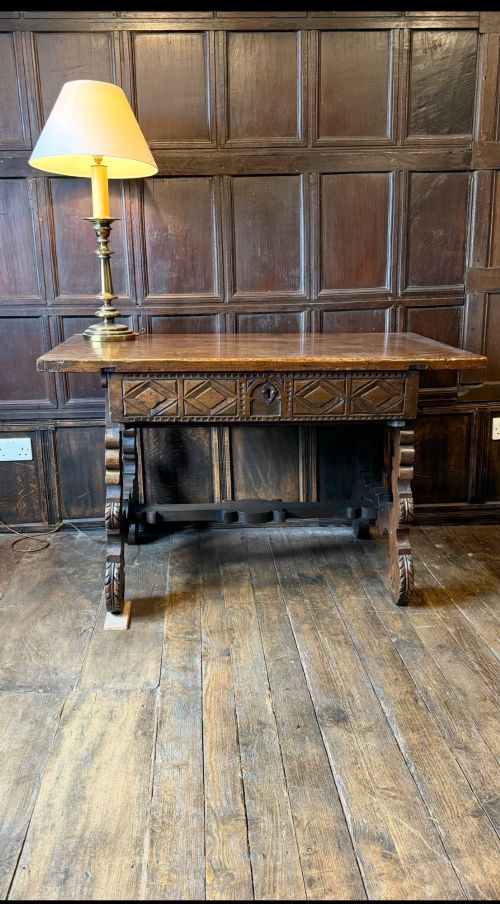
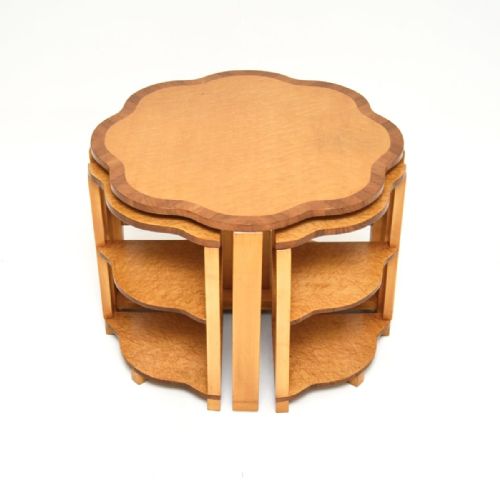
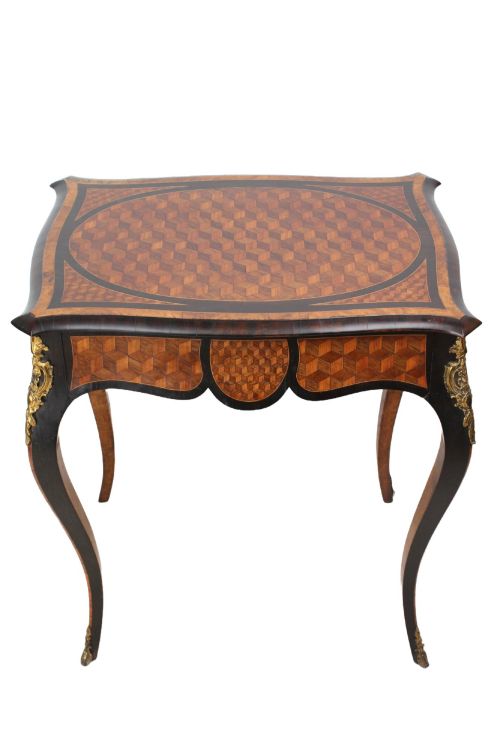
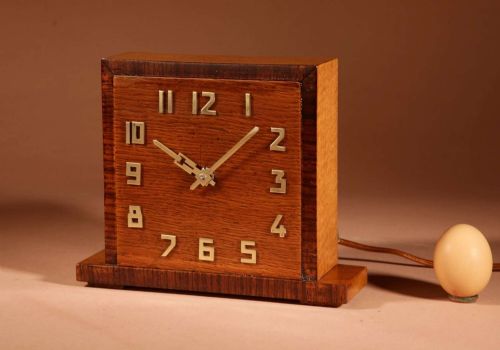
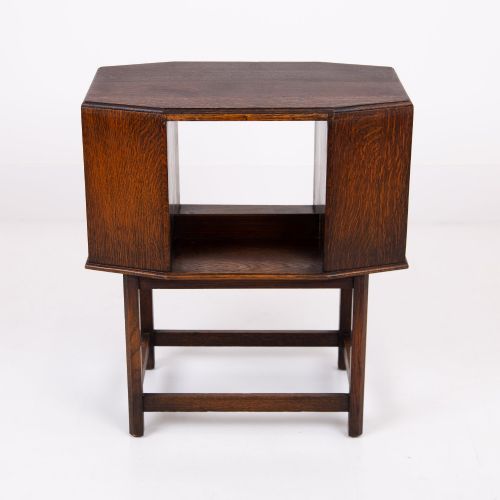
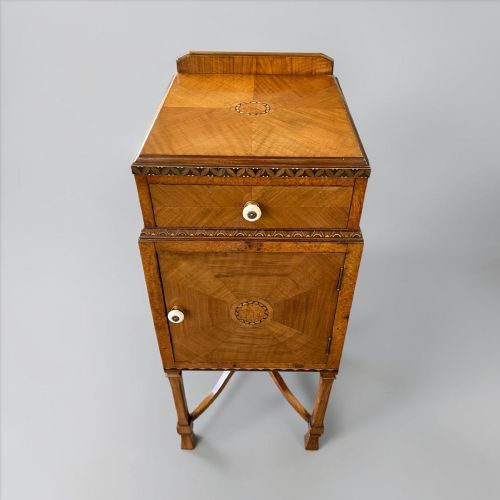
When someone searches for an antique geometric table, they encounter items built across several centuries, spanning periods from the late seventeenth century through the Victorian era and into the Art Deco epoch of the nineteen-thirties. The forms appearing most often take the shape of side tables, occasional lamp tables, and coffee tables, alongside related pieces featuring inlaid patterns or carved details.
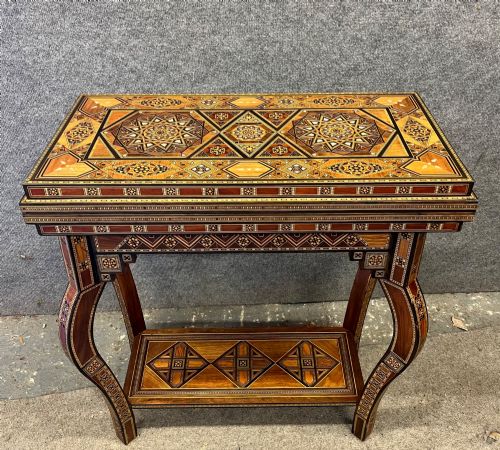
Makers utilised various regional traditions, producing Italian Sorrento pieces, Anglo-Indian works, and British designs in oak, walnut, and exotic woods. These tables served functional roles in domestic interiors as surfaces for lamps, books, or games, while displaying complex patterns formed by wood grain, marquetry, and chip carving.
Assessing Quality and Execution
Quality rests upon the precision of the woodwork and the complexity of the inlaid patterns. Tables with tightly fitted parquetry and well-preserved surface timbers demonstrate superior workshop execution.
The choice of materials also divides the range, with dense hardwoods, specimen woods, and intricate mother-of-pearl or metal detailing separating standard utility items from more ambitious decorative productions.
Several items double as games surfaces, hiding chess and backgammon boards beneath their polished geometric tops.
JAS Shoolbred·Gillows·Anton Seuffert
The Antique Geometric Table Glossary
- Parquetry
- Geometric wood mosaic work used to cover floors or furniture surfaces. It involves small pieces of timber arranged in repeating patterns.
- Marquetry
- Decorative veneer applied to furniture in intricate designs using various woods, shells, or metals. This technique creates pictorial or geometric motifs across tabletops.
- Chip carving
- A style of carving where small chips are removed from a flat wooden surface using chisels and knives. It produces crisp, geometric relief patterns.
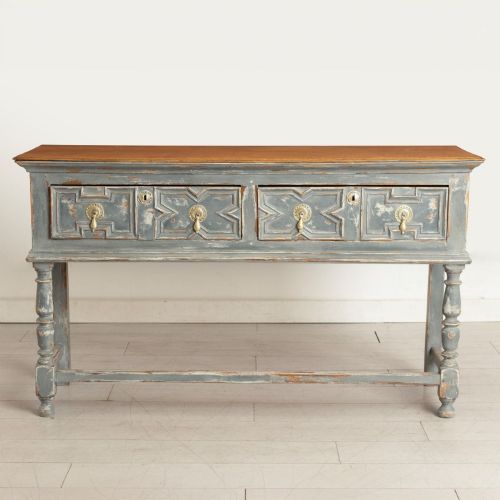
- Dresser base
- A low wooden storage unit with drawers or cupboards, often used as a side table or sideboard. These items frequently display period mouldings and geometric drawer fronts.
- Specimen wood
- Timber selected for its unusual grain, colour, or origin, often combined in multi-wood compositions. Makers used these woods to showcase natural botanical variety.
Antique Geometric Table: Frequently Asked Questions
What periods do these tables come from?
The pieces span multiple eras, including seventeenth-century oak work, Georgian designs, nineteenth-century inlaid examples, and nineteen-thirties Art Deco items.
Each period brings distinct construction methods and decorative vocabularies to the category.
How were geometric tables used originally?
They functioned as occasional tables, writing surfaces, and side tables in domestic rooms. Owners placed them beside seating or against walls to hold lamps and decorative objects.
Some specialised versions accommodated board games or writing materials.
What woods appear in these pieces?
Common timbers include oak, walnut, rosewood, and satinwood, alongside exotic specimen woods and ebonised finishes. Makers also incorporated brass, mother-of-pearl, and glass.
Contrasting shades of timber help define the geometric patterns.
How do I care for an antique wooden table?
Keep the wood away from direct heat sources and strong sunlight to prevent drying and fading. Regular dusting with a soft cloth maintains the finish.
Avoid excessive moisture and use appropriate wax polishes sparingly.