



Antique Gentleman Weapon
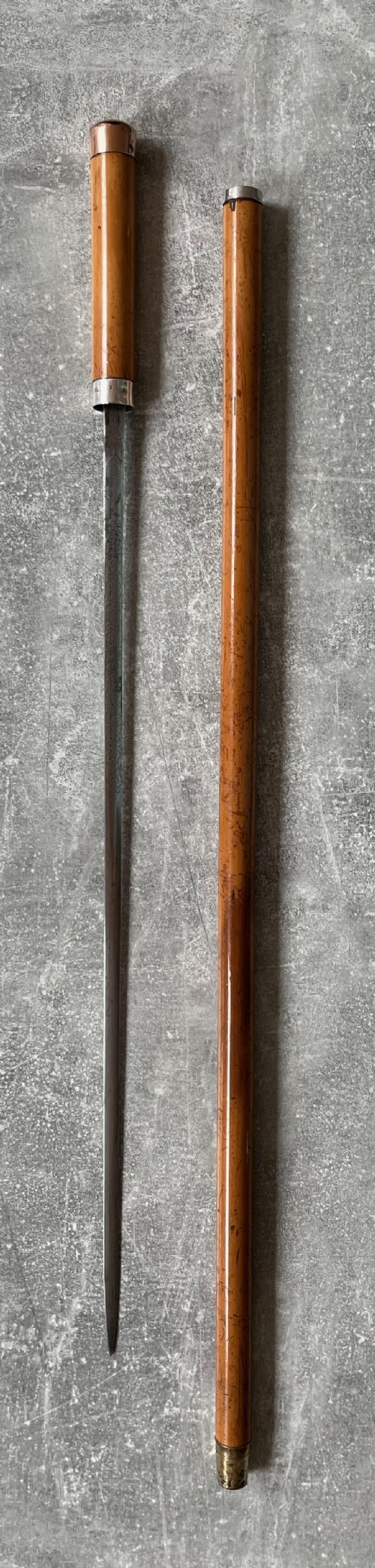
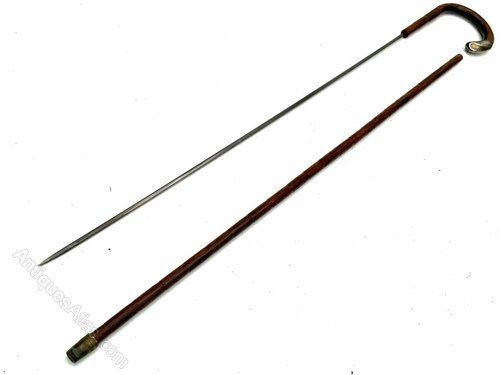
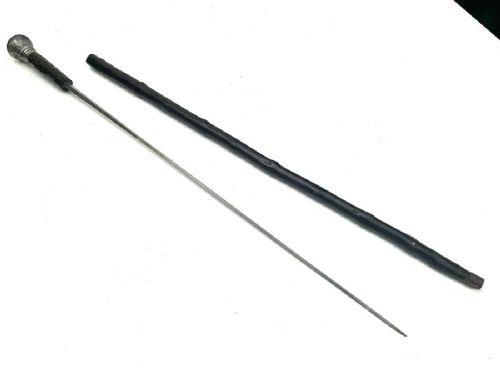
An antique gentleman weapon is a discrete self-defence tool disguised as a walking cane, offering gentlemen of earlier centuries both reliable support and hidden protection.
Antique Gentleman Weapon
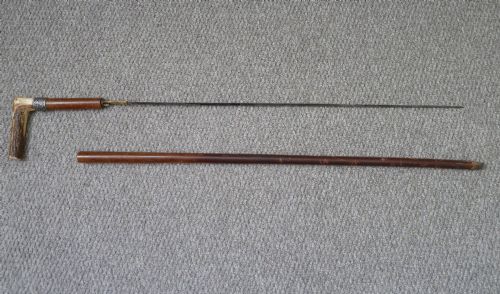
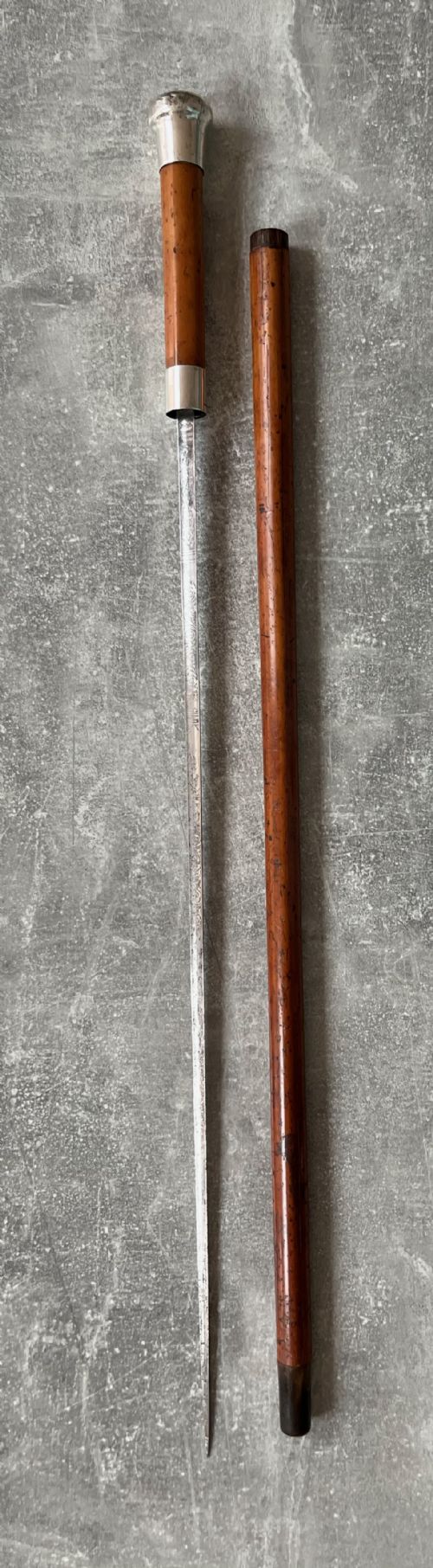
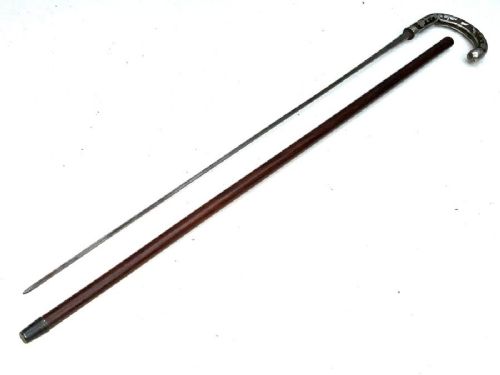
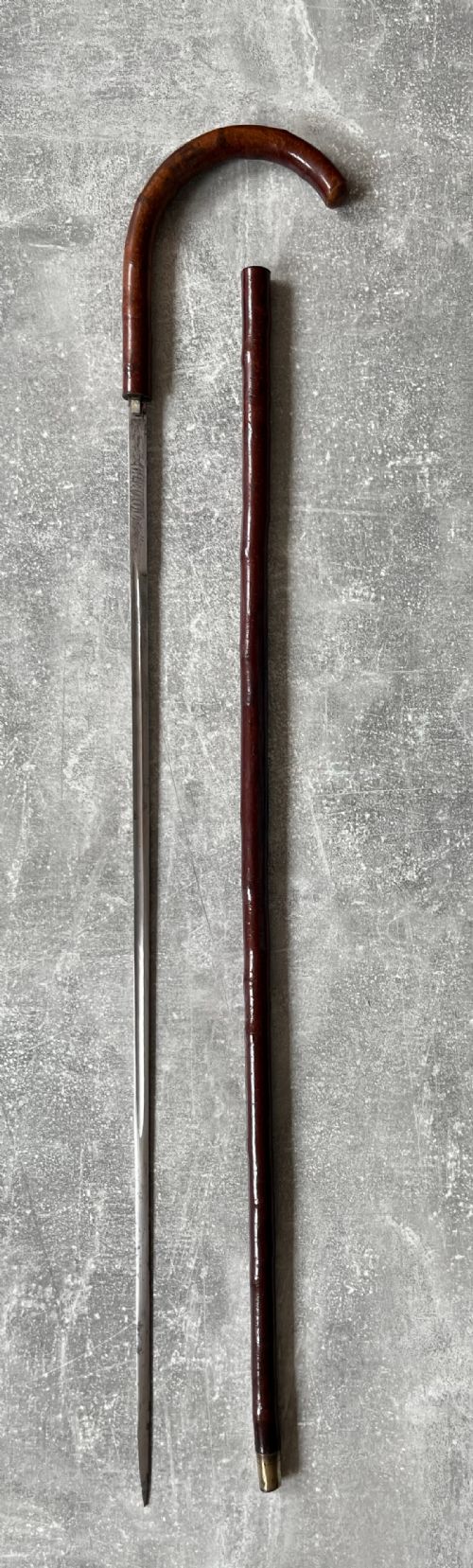
When you search for an antique gentleman weapon, you encounter a specialised category of walking sticks and canes that house concealed blades within their shafts. These items date primarily from the Victorian era up through the early twentieth century, spanning decades such as eighteen ninety and nineteen twenty.
The forms on this page range from simple wood shafts with horn or antler handles to elaborate examples featuring silver mounts, gold details, or porcelain sections. Most pieces combine a functional walking cane with a button release mechanism that secures the internal blade.
Makers and origins vary across these listings, including English workshops like Brigg alongside French nineteenth century designs. Blades themselves range from Toledo steel to specific makers such as Wilkinson.
Materials and construction methods
Makers utilised resilient woods such as malacca, cherrywood, partridge wood, holly wood, and rosewood to form the main shafts, often pairing them with natural handles fashioned from horn, antler, or root wood. Certain French examples incorporate distinctive coverings like snakeskin over the haft.
Metal components involve forged steel for the internal blades, alongside brass, silver, and gold for collars, mounts, and handle details. Etching often decorates the steel blades produced by notable sword makers.
Antique Gentleman Weapon Retail Price Guide 2026
Typical asking prices for gentleman weapon among the pieces listed under this phrase on Sellingantiques today, from the lower quarter to the upper quarter. They describe what is for sale here now, not the wider market.
Handles vary from plain root wood and horn to French Sevres porcelain and detailed silver mounts.
Factors that separate quality tiers
Quality in an antique gentleman weapon rests on the precision of the fit between the blade and the inner wooden scabbard, ensuring the stick remains rigid and secure during use. Superior examples close flush with a reliable button release rather than relying on loose friction fits.
The selection of materials significantly defines the grade of a piece, separating basic utility items from luxury accessories fitted with precious metal mounts, porcelain sections, and high grade etched steel blades from established makers.
Wilkinson·Brigg
The Antique Gentleman Weapon Glossary
- Sword stick
- A walking cane containing a concealed blade housed within the wooden shaft. This dual purpose design served personal defence needs during the nineteenth and early twentieth centuries.
- Malacca
- A sturdy rattan cane imported from Southeast Asia, prized for its mottled brown finish and flexibility. It served as a favoured material for quality walking sticks.
- Wilkinson blade
- A steel blade produced by the renowned sword manufacturer Wilkinson, often found in high grade British walking sticks. These blades carry distinct manufacturing heritage.
- Toledo blade
- A steel blade forged in the Spanish city of Toledo, historically celebrated for its metalworking quality and resilience. Such blades were frequently imported for European sword sticks.
- Collar
- A metal band encircling the top of the shaft just below the handle, often engraved and fashioned from silver or gold. This element reinforces the wood and conceals the joint.
Antique Gentleman Weapon: Frequently Asked Questions
How do you release the hidden blade?
Most concealed blades release via a small push button mechanism located near the handle collar, which disengages a catch inside the shaft.
Once pressed, the user pulls the handle straight out to reveal the steel blade housed within the wooden scabbard.
What woods were used for the shafts?
Makers constructed shafts from dense timbers like malacca, rosewood, partridge wood, cherrywood, and holly.
These woods provided the necessary rigidity and weight for a dependable walking cane while housing the internal metal blade.
How do I identify the period of a cane?
Dating relies on stylistic markers such as Victorian silver hallmarks, the specific materials used for mounts, and the craftsmanship of the blade.
Examining the wear patterns and handle style also helps narrow down the decade of manufacture between eighteen seventy and nineteen thirty.
Were these used for daily walking support?
Gentlemen carried these sticks routinely as part of formal attire, using them for balance and support while walking through urban streets.
The hidden blade offered an added layer of personal security during an era when street safety was less assured.