



Antique Gentleman Furniture
Antique gentleman furniture comprises specialist pieces built for domestic grooming, correspondence and wardrobe storage, spanning Georgian, Victorian and Edwardian periods in mahogany, walnut and oak.
Antique Gentleman Furniture
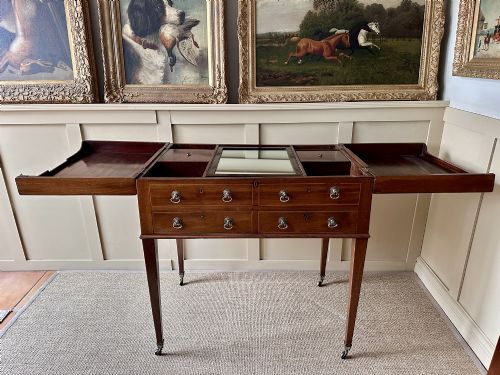
Antique gentleman furniture covers a functional category of historic household pieces designed specifically for masculine daily routines, personal grooming and private correspondence. These forms range from substantial wardrobes and linen presses to specialised shaving stands, washstands and compact vanity tables.
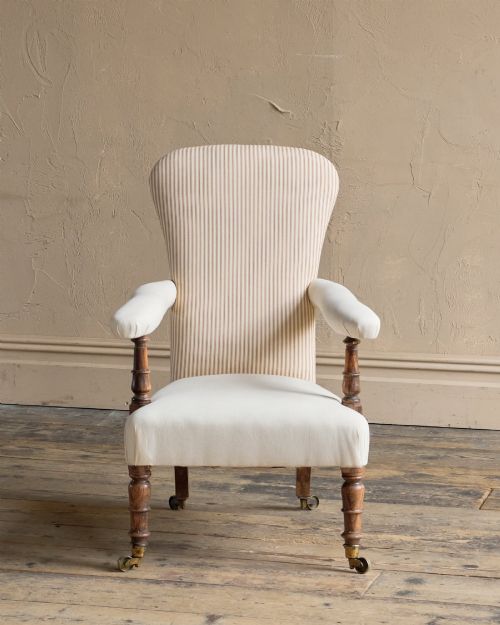
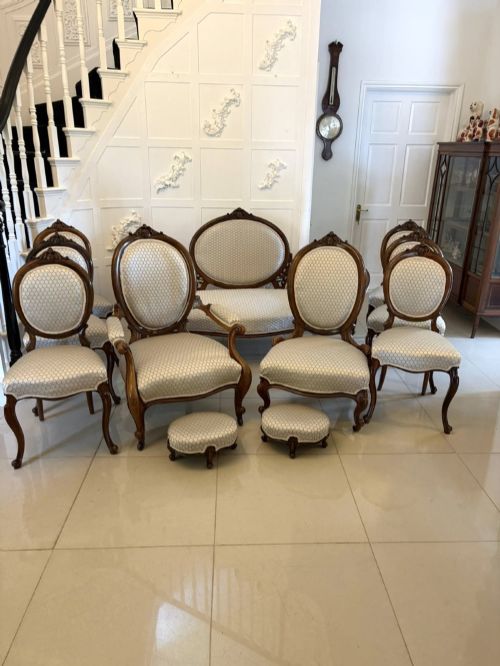
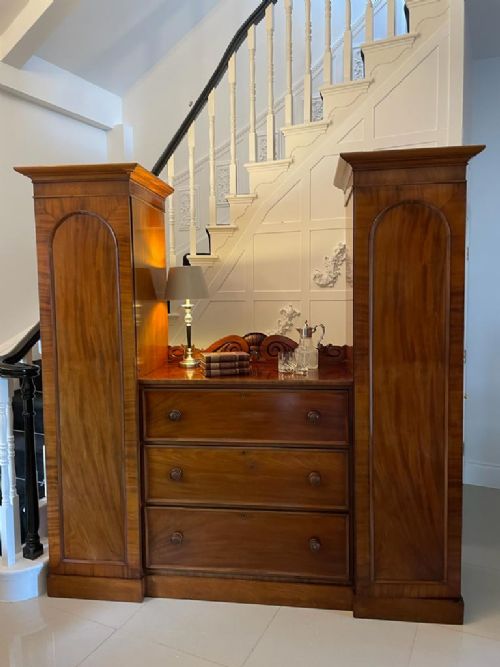
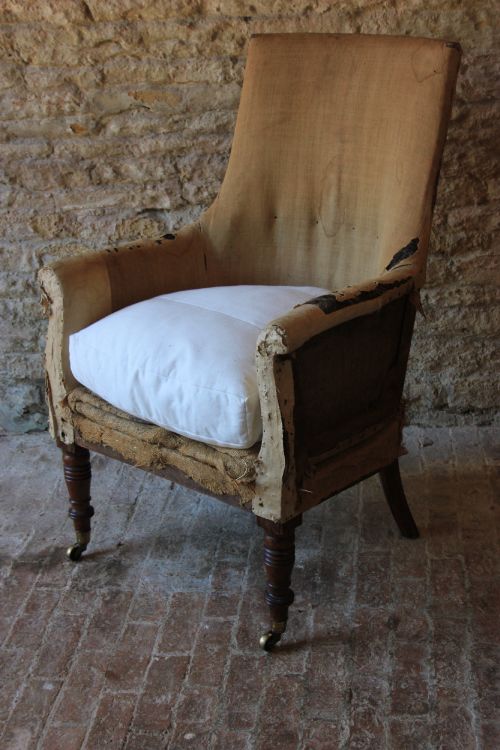
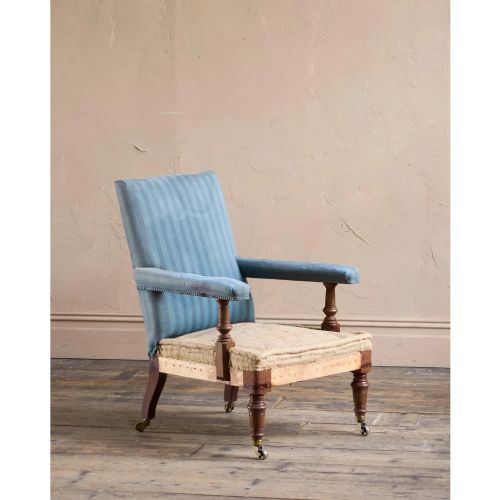
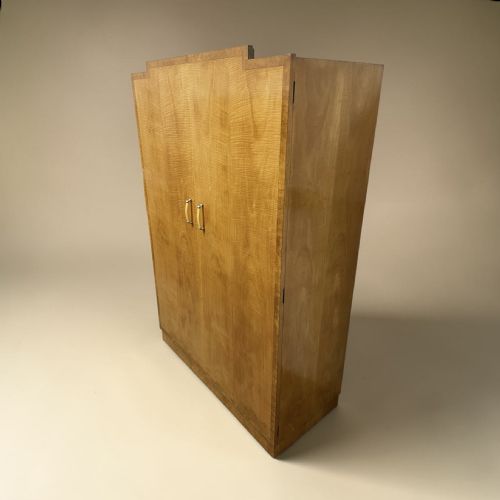
On this page, wardrobes, chests of drawers and dressing pieces dominate the selection, alongside library chairs and gentleman's desks. These functional objects appear in regional variations including Irish mahogany breakfront forms and Scottish sporran chests alongside standard English designs.
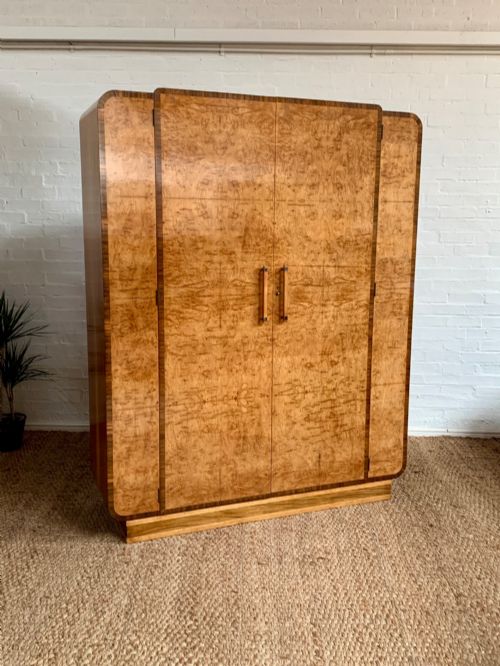
The periods represented stretch from the eighteenth century through the Georgian, Regency, William IV and Victorian eras into the Edwardian and Art Deco periods. Mahogany and walnut serve as the primary timbers, frequently enriched with inlaid satinwood or burr figuring.
Materials and construction methods
Cabinet makers relied heavily on solid mahogany and walnut, alongside decorative veneers such as burr walnut, birds Eye maple and satinwood applied to sturdy oak or deal carcases. Brass hardware, including campaign mounts, castors and swing mirror brackets, provides functional articulation on desks and dressing stands.
Joinery techniques involve traditional dovetailing for drawer construction and cabinet framing, paired with fine carving, boxwood stringing and mahogany crossbanding. Upholstered seating utilises supportive horsehair or fabric webbing over hardwood frames, while washstands and shaving units integrate fitted glass mirrors and marble or timber tops.
Antique Gentleman Furniture Retail Price Guide 2026
Typical asking prices for gentleman furniture among the pieces listed under this phrase on Sellingantiques today, from the lower quarter to the upper quarter. They describe what is for sale here now, not the wider market.
Listings feature mahogany, walnut, burr walnut, satinwood, oak, birds eye maple, teak, brass, glass, hessian and fabric.
Distinguishing quality in the pieces
Quality rests upon the crispness of cabinet joinery, the selection of figured timber veneers and the retention of original brass hardware. Superior pieces display harmonious proportions, such as diminutive proportions in cabinets or balanced grain matching across large wardrobe doors.
Maker attribution elevates certain examples, particularly pieces bearing stamps or plaques from established cabinet makers. The integrity of internal fittings, such as original linen slides within a press or intact shaving mirror mechanisms, marks the difference between standard utility items and high-end commissions.
Flashman & Co·Waring & Gillow·Morison and Co·Hindley & Sons·Maple and Co·James Shoolbred·Heal's·Robert Strahan·Whytock & Reid
The Antique Gentleman Furniture Glossary
- Linen press
- A tall storage cabinet featuring upper sliding trays for folded textiles above a chest of lower drawers. These items formed an essential part of historic bedroom storage.
- Tallboy
- A tall chest of drawers standing upon another chest or base section, maximising vertical storage capacity in smaller chambers. This form dates predominantly from the eighteenth and nineteenth centuries.
- Shaving stand
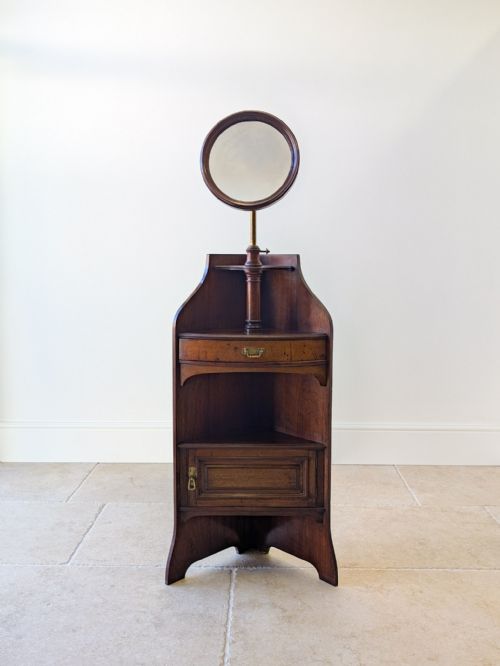
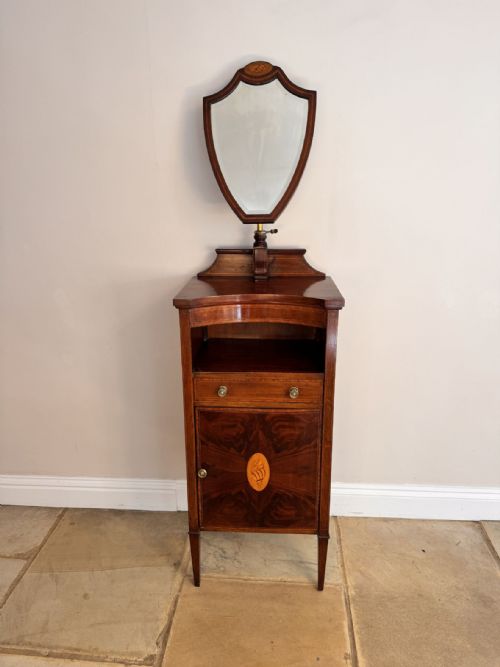
- A dedicated wooden or metal grooming station equipped with an adjustable mirror, small drawers for razors and a washbasin receptacle. Gentlemen used these daily before the spread of plumbed bathrooms.
- Campaign chest
- A portable set of drawers made in two or more sections with recessed brass pull handles and corner brackets for military transport. Officers carried these durable items on campaign.
- Sporran chest
- A specialised small chest of drawers traditionally utilised for storing Scottish highland dress accessories, hose and sporrans. This regional form reflects specific nineteenth-century domestic organisation.
Antique Gentleman Furniture: Frequently Asked Questions
What is a gentleman's wardrobe?
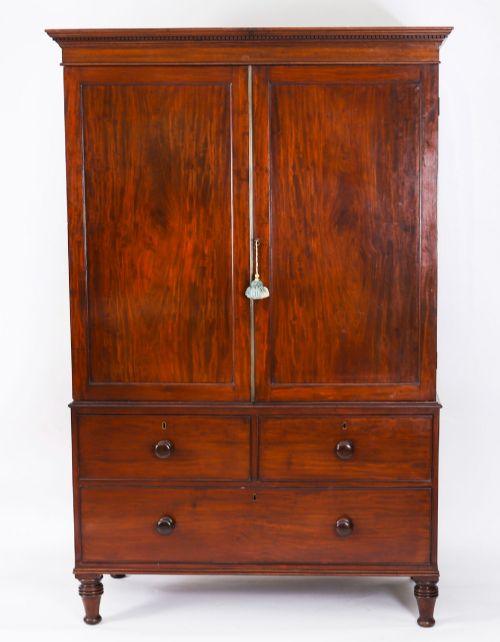
A gentleman's wardrobe is a large storage piece combining hanging space with internal drawers, sliding trays or linen presses. These units were built to house coats, waistcoats and folded garments.
They appear frequently in mahogany and walnut, dating from the Georgian and Victorian eras, often featuring panelled doors and substantial plinth bases.
How were shaving stands used?
Shaving stands served as private grooming stations where men shaved before tabletop mirrors fitted with holders for soap, razors and water basins. They stood in bedrooms or dressing rooms.
Most examples feature tripod bases or small cabinet supports with adjustable glass mirrors and dedicated compartments for grooming implements.
How do I identify a Georgian tallboy?
A Georgian tallboy is identified by its stacked chest configuration, typically comprising six or seven drawers arranged in two distinct sections with bracket feet or a plinth. The proportions remain tall and narrow.
Look for eighteenth-century secondary timbers like oak drawer linings, hand-cut dovetails and period brass handle plates.
Where should I place a folio cabinet?
A folio cabinet or stand is designed for storing large paper prints, maps, newspapers or drawings flat or upright without creasing. They suit studies, libraries and living rooms.
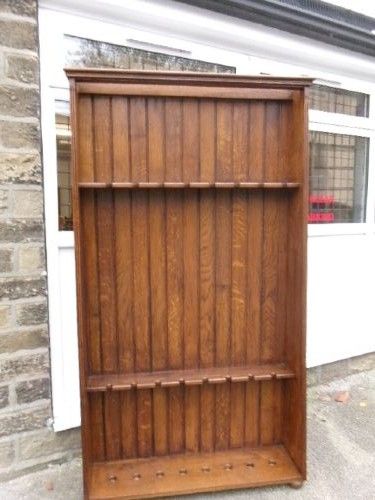
These pieces integrate shallow drawers or vertical wooden racks, constructed in decorative woods such as birds eye maple, teak or mahogany.