


Antique Garden Scene Artwork
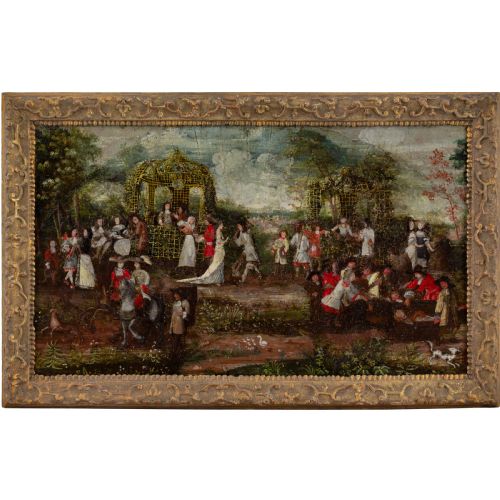
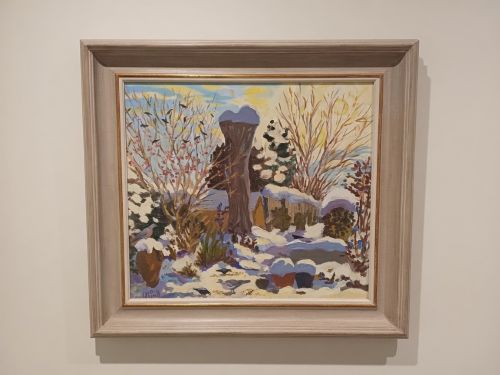
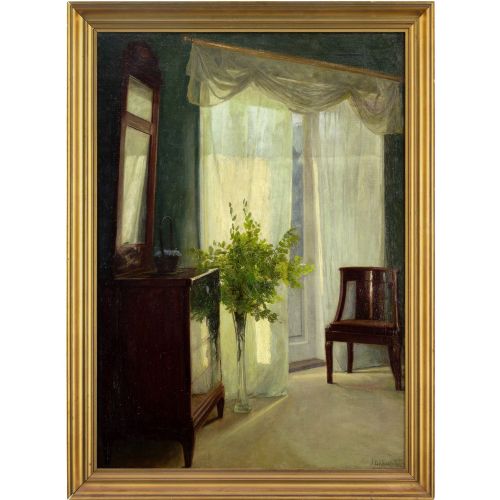
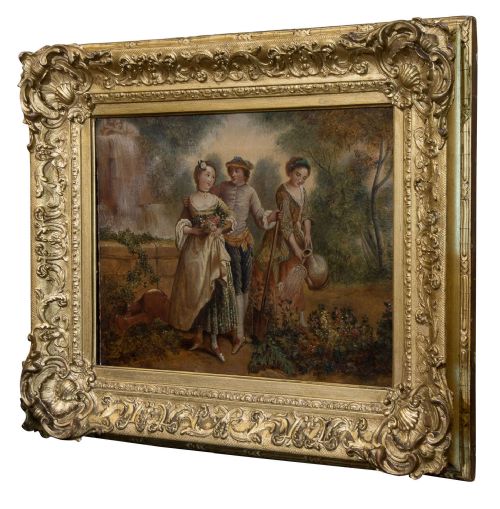
These antique garden scene artwork pieces capture domestic tranquility and cultivation across centuries, offering glimpses into walled plots, fountains, and country seats that collectors prize for their atmospheric charm.
Antique Garden Scene Artwork
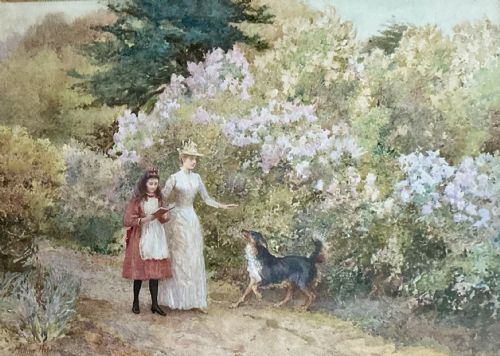
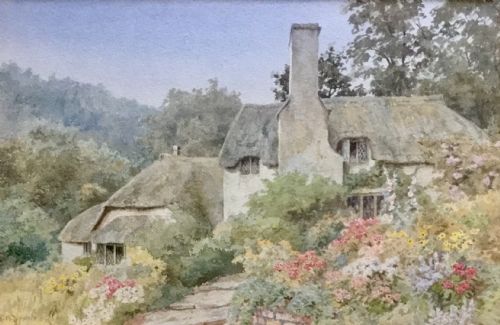
An antique garden scene artwork depicts cultivated outdoor spaces, ranging from intimate cottage plots and sunlit terraces to grand estate grounds populated with figures, flowers, and architectural elements. You will frequently encounter watercolours and oil paintings dating from the nineteenth and early twentieth centuries, capturing a period when pastoral and horticultural subjects held widespread artistic appeal.
The selection encompasses diverse regional schools and stylistic approaches, including British Impressionism, Edwardian depictions of domestic leisure, and earlier Flemish compositions. Works vary from detailed watercolours of walled gardens by specialists like Lilian Stannard to broader oil paintings of artists' retreats and garden doors.
Formats range from works on paper and extended fan leaves to large framed canvases and chrystoleum under convex glass. This variety reflects changing domestic tastes in wall art over successive centuries, uniting landscapes and figurative genre scenes around the central theme of the cultivated garden.
How They Were Made
Artists built these compositions primarily using oil on canvas or watercolour applied to paper, employing pigments that capture natural light filtering through foliage and onto stone paths. Watercolours often rely on delicate washes and pencil underdrawing, whilst oil paintings utilise heavier impasto and layered glazes to build depth in garden foliage and architectural backdrops.
Framing forms an integral part of these pieces, with many retaining period gilt wood, carved wood, or specialised convex glass settings that complement the visual weight of the artwork. The combination of durable canvas or protected paper with robust wooden framing ensures these scenes survive in recognizable states of preservation.
Listings feature paper, canvas, and wood supports carrying watercolours, oil paintings, and chrystoleum across Victorian, Edwardian, and seventeenth-century periods.
What Varies in Quality
Quality rests significantly on the artist's ability to handle natural light and atmospheric perspective within a confined outdoor setting, distinguishing masterly depictions of sunlight on foliage from rigid or formulaic botanical illustrations. The handling of figurative elements, such as children, gardeners, or gentlefolk integrated into the landscape, further separates competent topographical records from accomplished narrative works.
Condition and originality also divide examples, particularly the preservation of watercolour pigments against fading and the survival of original gilt wood frames that match the period of the painting. Pieces that retain their historic surface integrity without heavy restoration offer a more authentic connection to the artist's original palette.
John Lübschitz·Arthur Hopkins·G Villiers Stuart·Martinetti·Lilian Stannard·Frank Moss Bennett·Arturo Orselli·Owen Bowen·William Hatherell·Paul Viry·Arthur Claude Strachan·Jane Utley·Benjamin D. Sigmund·Edgar Bundy·Edmund Alphonse Andre·Belisario Gioja·William Greaves·Ralph Hedley·Eduard Veith·John F. Pasmore
The Antique Garden Scene Artwork Glossary
- Watercolour
- A painting method where fine pigment is suspended in a water-soluble vehicle on paper. This medium allows for luminous, translucent washes well suited to capturing outdoor light.
- Chrystoleum
- A Victorian technique of applying a hand-coloured print to the inside of convex glass and backing it with oil paint. The curved glass magnifies the image and creates a distinct three-dimensional depth.
- Gilt Wood
- Timber carved and coated with a thin layer of gold leaf or metallic gilt powder. It frequently frames nineteenth-century paintings to enhance their visual prominence.
- Flemish Baroque
- An artistic movement originating in Flanders during the seventeenth century characterised by dynamic movement, rich colour, and dramatic contrast. Pieces from this tradition often treat garden settings with theatrical grandeur.
- British Impressionism
- A late nineteenth and early twentieth-century painting style focusing on everyday subjects and the play of natural light outdoors. Practitioners prioritized loose brushwork over rigid academic finish.
Antique Garden Scene Artwork: Frequently Asked Questions
What periods do these garden artworks cover?
The pieces span from the late seventeenth century through the Victorian and Edwardian eras up to the mid-twentieth century. Earlier examples lean towards formal European schools, while later works frequently capture domestic Edwardian gardens.
This broad chronological spread allows collectors to trace changing artistic interpretations of cultivated landscapes across more than three hundred years of production.
How were chrystoleum pictures made?
Chrystoleum involves taking a transparent paper photograph or print, pasting it face down inside a convex piece of glass, and rendering it transparent with starch or oil. Once dry, the paper backing was rubbed away until only the thin photographic film remained attached to the glass.
Artists then hand-coloured the reverse of the image with oil paints before sealing the back, producing a luminous picture with a characteristic curved glass surface.
Are watercolours prone to fading?
Watercolours executed on paper are sensitive to prolonged exposure to direct sunlight, which can cause certain nineteenth-century pigments to lose their initial vibrancy. Careful placement away from bright windows helps preserve the original tonal values.
Many surviving pieces retain their delicate hues precisely because previous owners protected them behind glass in controlled domestic environments.
Where should I hang an oil painting?
Oil paintings on canvas thrive in rooms with stable temperature and humidity levels, away from direct heat sources like radiators or fireplaces. This prevents the canvas from slackening and protects the wooden stretcher and frame from warping.
Ensuring adequate wall space allows large works, such as those depicting cottage doors or garden scenes, to be viewed from an appropriate distance.