

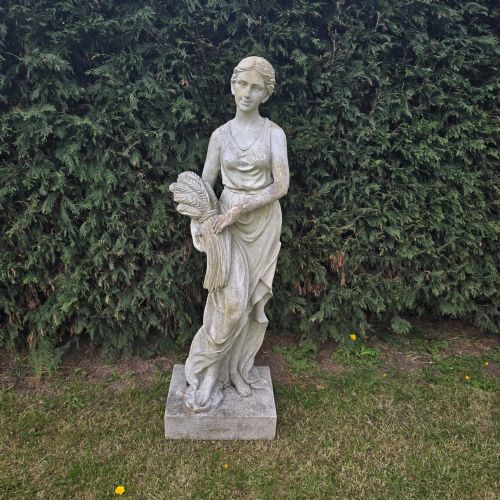


Antique Garden Figures
Antique garden figures bring character to lawns and terraces through sculpted stone, lead, iron, and terracotta.
Antique Garden Figures
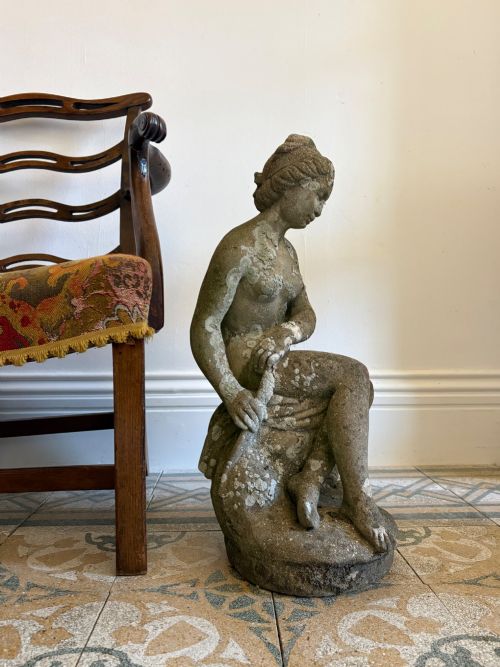
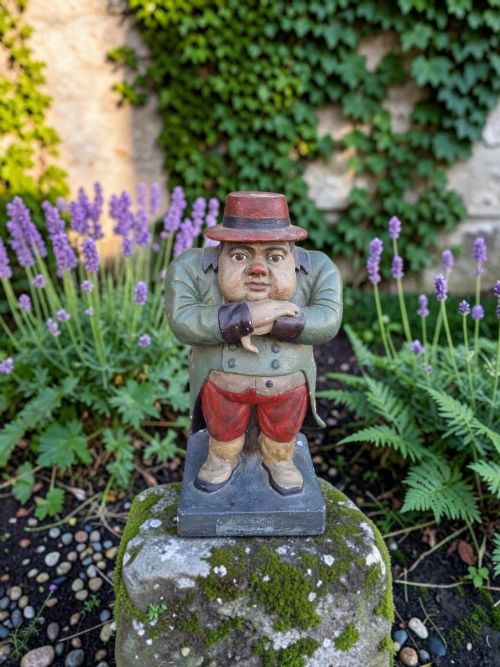
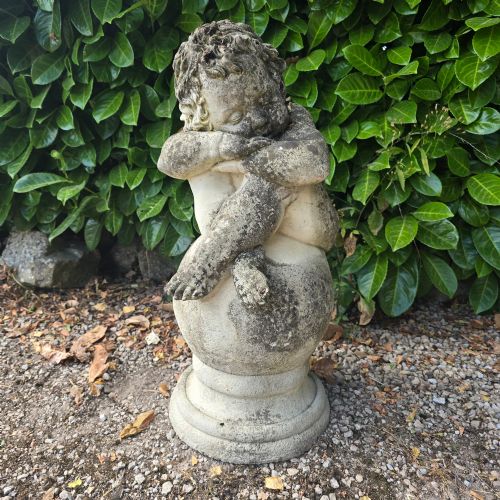
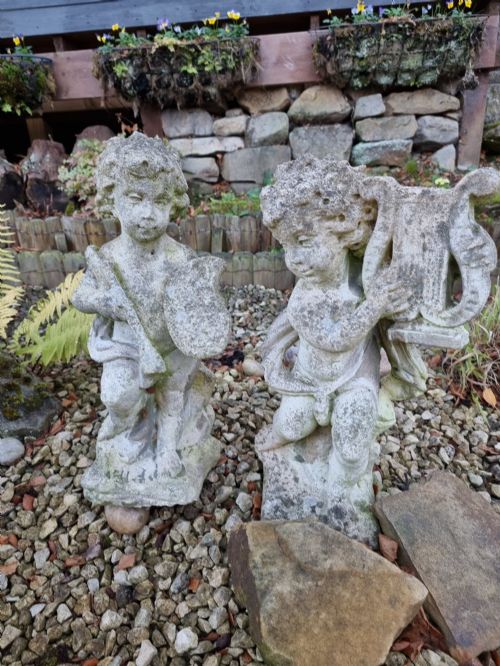
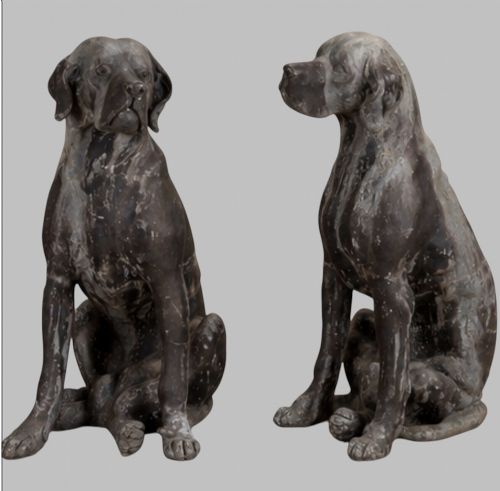
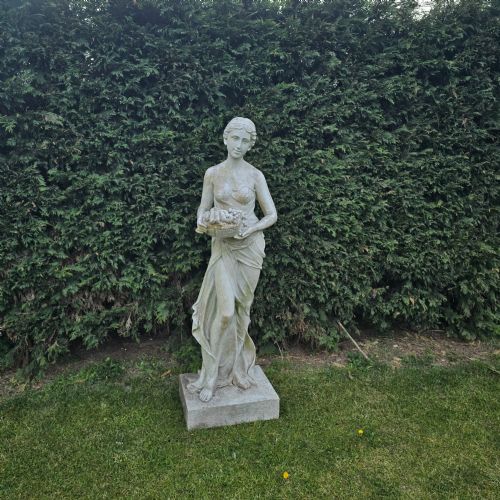
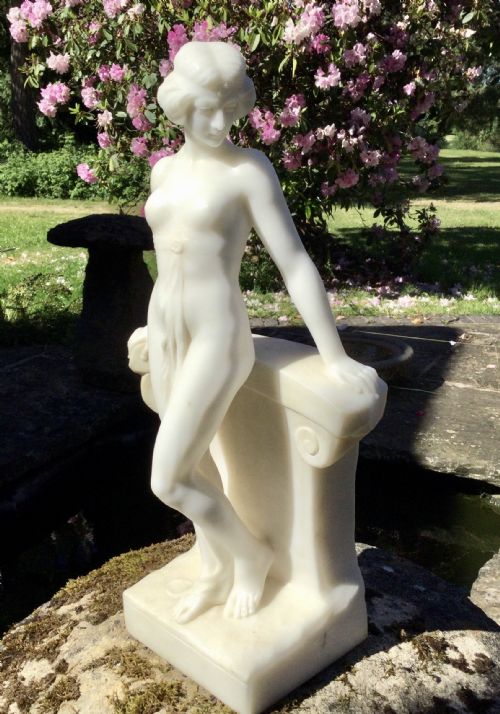
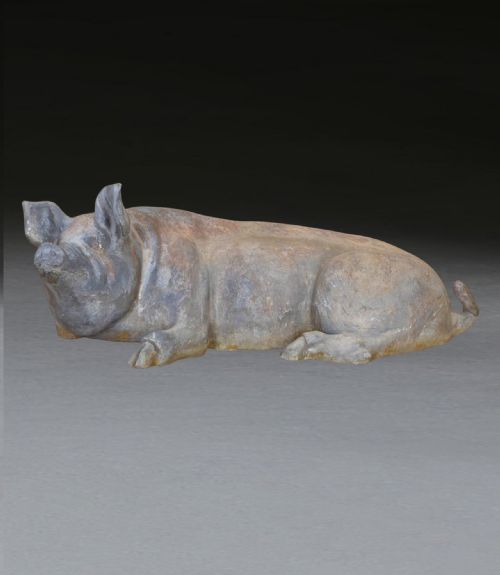
These pieces encompass statues, sculptures, and ornaments designed to inhabit outdoor spaces, ranging from classical deities to whimsical figures. When searching for antique garden figures, buyers encounter everything from life-size hounds and lions to cherubs, gnomes, and mythological representations.
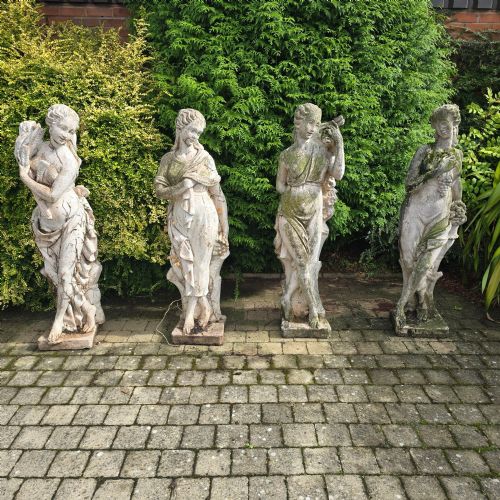
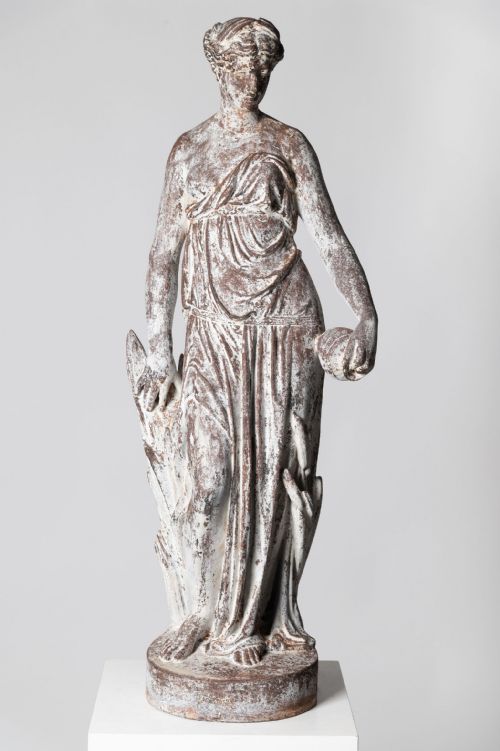
The materials vary widely across the selection, featuring heavy cast lead, reconstituted stone, cast iron, terracotta, and bronze. Figures take many forms, including mythological subjects like Venus and the Four Seasons, alongside animal sculptures and decorative ornaments.
Origin and period stretch from nineteenth-century European foundries to twentieth-century domestic workshops. Pieces may appear as singular monumental statues or matched pairs designed to flank paths and gateways.
Materials and methods
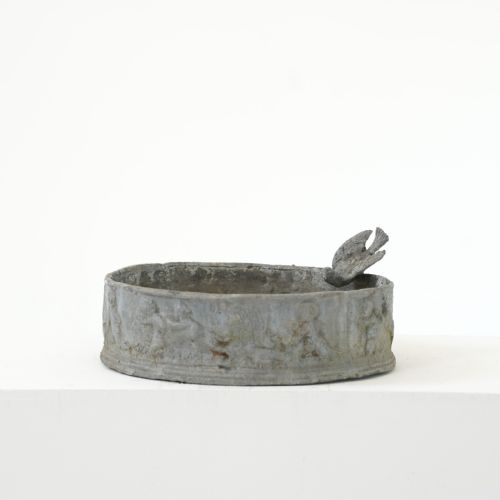
Foundries utilise traditional techniques such as sand casting for iron and lead, resulting in durable figures with distinct weight and detail. Lead sculptures often display soldered seams and intricate hand-finished surface textures that weather over decades.
Stone and terracotta figures rely on carving or moulding processes using reconstituted aggregates, concrete, or fired clay. These porous materials absorb moisture and develop organic patinas of moss and lichen when exposed to the elements.
Antique Garden Figures Retail Price Guide 2026
Typical asking prices for garden figures among the pieces listed under this phrase on Sellingantiques today, from the lower quarter to the upper quarter. They describe what is for sale here now, not the wider market.
Materials in these listings range from cast lead and iron to reconstituted stone, terracotta, and bronze across the nineteenth and twentieth centuries.
Evaluating quality and execution
The integrity of the material dictates longevity and aesthetic appeal. Cast lead with thicker gauge walls and solid stone or bronze command greater appreciation than thin metal stampings or low-grade concrete prone to crumbling.
The Antique Garden Figures Glossary
- Reconstituted stone
- A durable composite material made from crushed stone and cement moulded into decorative forms. It is widely used for garden statues and architectural ornaments.
- Cast lead
- Molten metal poured into moulds to create heavy, weather-resistant figures and planters. This material develops a characteristic dull grey oxidation over time.
- Terracotta
- Fired unglazed clay possessing a warm reddish-brown tone. It requires sheltered placement in freezing climates to prevent frost damage.
- Neoclassical
- A style inspired by classical antiquity focusing on symmetry and mythological subjects. It appears frequently in nineteenth-century garden statuary.
Antique Garden Figures: Frequently Asked Questions
Can I leave lead statues outside all winter?
Lead figures withstand frost and freezing temperatures exceptionally well without suffering structural damage.
Their robust metallic composition makes them ideal for permanent outdoor placement throughout the year.
How do I clean antique stone ornaments?
Gentle washing with water and a soft brush removes loose dirt while preserving the aged surface. Aggressive scrubbing or chemical cleaners strip away desirable patinas and damage the stone.
Allowing natural weathering to continue maintains the historical character of the piece.
What is the difference between cast stone and reconstituted stone?
Cast stone uses precise aggregate mixes poured into moulds to simulate natural carved stone blocks or figures. Reconstituted stone employs similar crushed materials bonded with cement for garden ornaments.
Both offer heavy, stable alternatives to carved stone.
Where should I position large garden figures?
Placing statues at the end of garden vistas or flanking pathways creates a clear visual focal point. Large figures need solid masonry plinths or level ground for stability.
Surrounding them with appropriate planting enhances their architectural presence.