


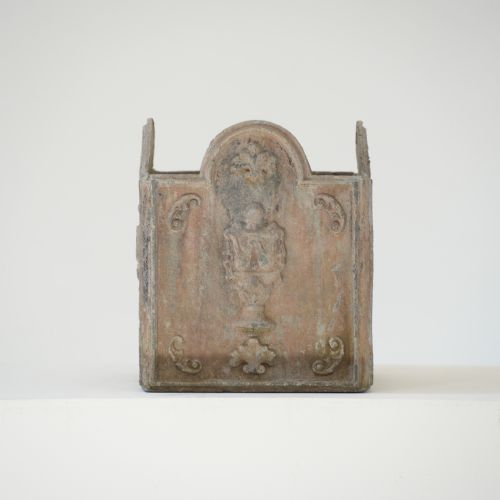


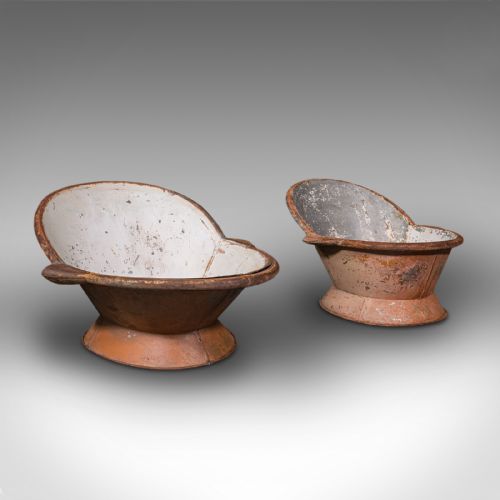


Antique Garden Container
An antique garden container brings robust utility and aged character outdoors, whether you choose a riveted copper pot or a salt-glazed stoneware vessel.
Antique Garden Container
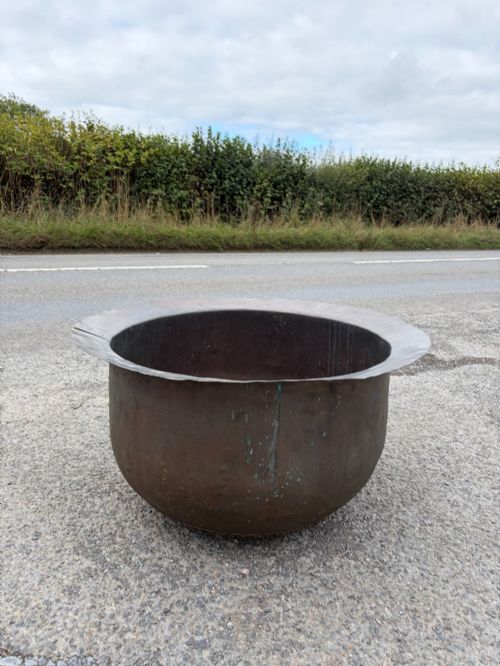
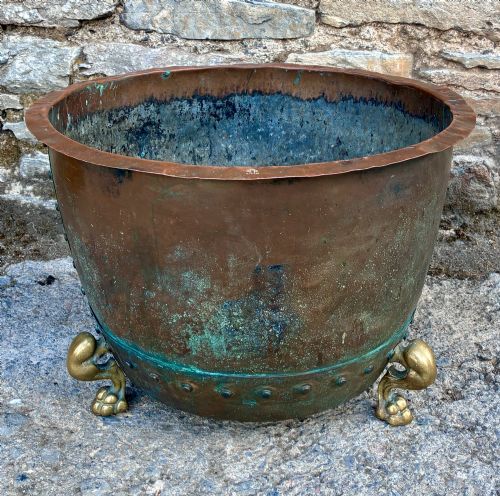
An antique garden container spans utilitarian vessels turned to horticultural use, including copper pots, galvanised metal tubs, zinc planters, and stone or lead troughs. You will frequently encounter heavy metal wash tubs, riveted copper boilers, and log bins adapted for planting.
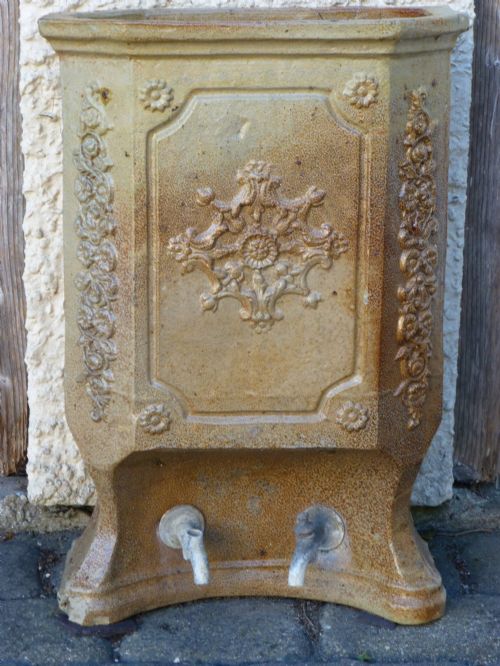
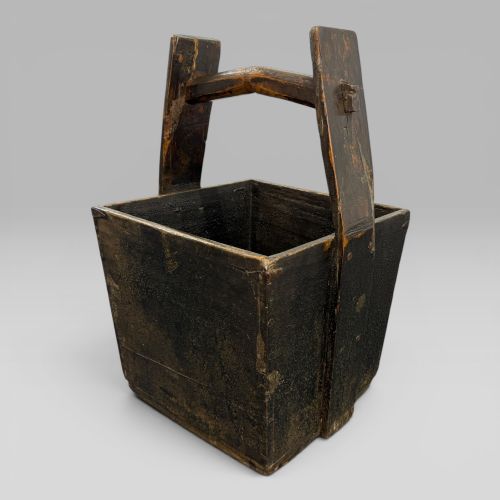
The material origins stretch from English workshops to French provincial kilns and Chinese rural carpentry. Forms range from simple stoneware water filtration fountains to wrought iron strapwork planters and elm harvest baskets.
Dating primarily from the Georgian era through the Victorian period and into the early twentieth century, these pieces combine industrial strength with domestic craft. Their survival outdoors proves their enduring construction and practical utility.
How they were made
Metal vessels rely on hand-beaten copper, galvanised iron, and zinc sheets joined with visible rivets and soldered seams. Wrought iron strapwork demonstrates traditional blacksmithing techniques applied to structural garden supports.
Ceramic examples employ heavy stoneware and salt glaze firing to create durable, water-resistant bodies capable of withstanding frost. Wooden items utilise solid elm construction with pegged joints and steam-bent handles for carrying heavy loads.
Antique Garden Container Retail Price Guide 2026
Typical asking prices for garden container among the pieces listed under this phrase on Sellingantiques today, from the lower quarter to the upper quarter. They describe what is for sale here now, not the wider market.
Several heavy metal hip baths from nineteen-hundred now spend their retirement outdoors holding geraniums instead of bathwater.
What varies in quality
Quality rests in the heaviness of the gauge, the integrity of the original joins, and the depth of natural weathering upon the surface. Superior examples retain their structural stability without modern repairs masking the original fabrication.
Artisanal touches like hand-cut dovetails, distinctive maker's patination, and uncompromised form separate mass-produced items from pieces with genuine age and heft.
The Antique Garden Container Glossary
- Salt Glaze
- A pottery finish achieved by throwing common salt into the kiln during high-temperature firing, creating an orange-peel texture. This dense coating makes the stoneware impervious to water.
- Strapwork
- Flat bands of metal arranged in geometric or intersecting patterns to reinforce containers. Wrought iron strapwork adds both structural rigidity and decorative linear detail.
- Riveted
- Joined together using metal bolts hammered flat at the ends before modern welding techniques became standard. Riveted seams on copper and iron vessels provide industrial strength.
- Galvanised Metal
- Iron or steel coated with a protective layer of zinc to prevent rusting. This process became widespread in the nineteenth century for utilitarian outdoor containers.
- Jardiniere
- An ornamental pot or stand designed to hold growing plants or flowers. These vessels often feature more decorative styling than standard utility buckets.
Antique Garden Container: Frequently Asked Questions
Can I leave copper planters outside all winter?
Copper develops a stable protective patina when exposed to the elements and withstands outdoor conditions well.
Ensure adequate drainage to prevent water pooling and freezing inside the metal vessel during severe frosts.
How do I clean an old metal garden tub?
Wash the surface gently using warm water and a soft brush to remove dirt while preserving the historical patination.
Avoid abrasive scouring pads or harsh chemical cleaners that strip away the aged surface character.
Are stoneware planters frost proof?
Dense salt-glazed stoneware handles lower temperatures effectively if water is not allowed to freeze solid inside the pot.
Raise containers slightly off the ground on pot feet during winter to prevent moisture absorption from the soil.
How do I date a riveted metal container?
Examine the construction methods, noting hand-beaten sheet metal and irregular hand-hammered rivets typical of nineteenth-century manufacture.
Standardised machine stamping and modern welds generally indicate twentieth-century or later production.