




Antique Gaming Room Decor
Antique gaming room decor brings mechanical cleverness and sporting history straight into a study or entertaining space.
Antique Gaming Room Decor
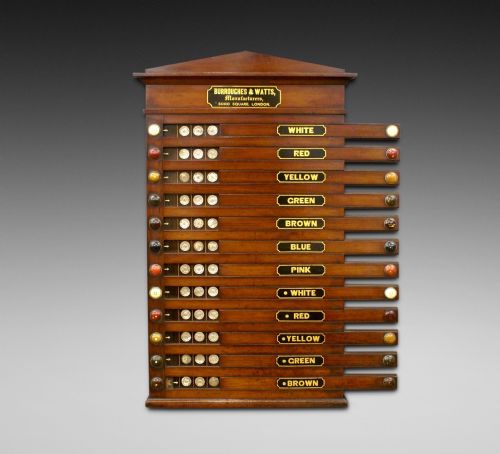
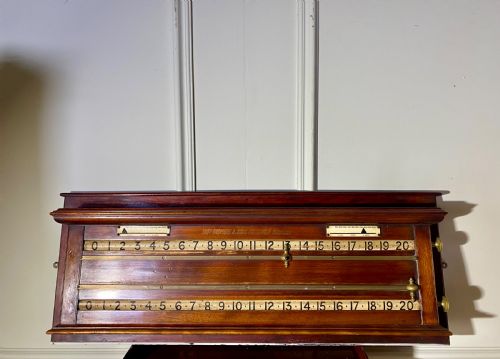
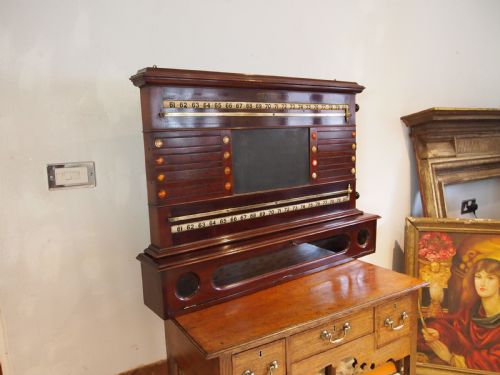
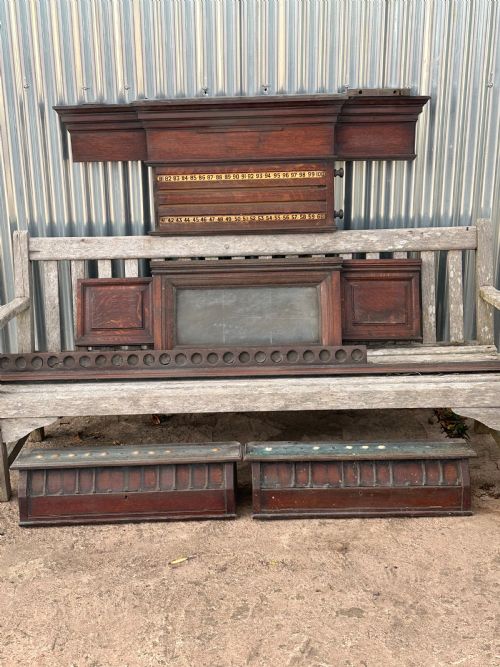
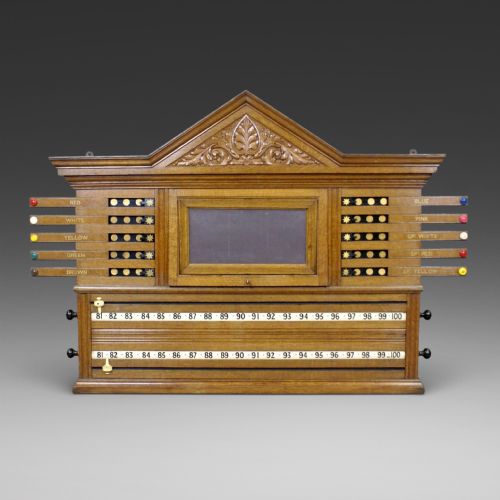
The most common forms on this page are large wooden scoreboards designed to hang on billiard room walls, constructed by prominent makers of the era. Alongside these scoreboards sit smaller treen items such as cribbage boards and complete chess sets with drafts.
Originating predominantly from British workshops and factories during the nineteenth century, these objects reflect the serious approach Victorians took to domestic parlour games and cue sports. Each piece served a practical function in a dedicated games room before finding a second life as decorative antiques.
How they were made
Cabinetmakers utilised dense timbers like mahogany, pale oak, and ebonised wood to build durable scoreboards and games boards that could withstand decades of club and domestic use. Brass fittings, sliding markers, and occasional bone details provided the moving parts and numerical indicators necessary for keeping score.
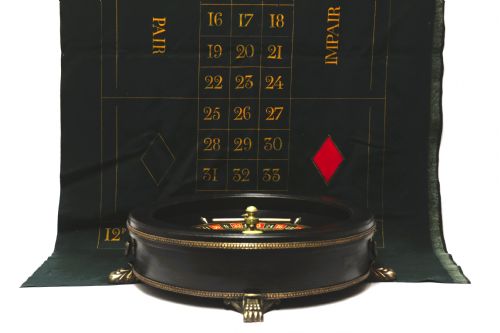
French roulette wheels combined turned wood structures with original felt table cloths and metal components to ensure smooth rotation during play. Scoreboard makers integrated slate panels, glazed compartments, and brass pointers into elaborate wooden backboards displaying the names of notable manufacturers.
Antique Gaming Room Decor Retail Price Guide 2026
Typical asking prices for gaming room decor among the pieces listed under this phrase on Sellingantiques today, from the lower quarter to the upper quarter. They describe what is for sale here now, not the wider market.
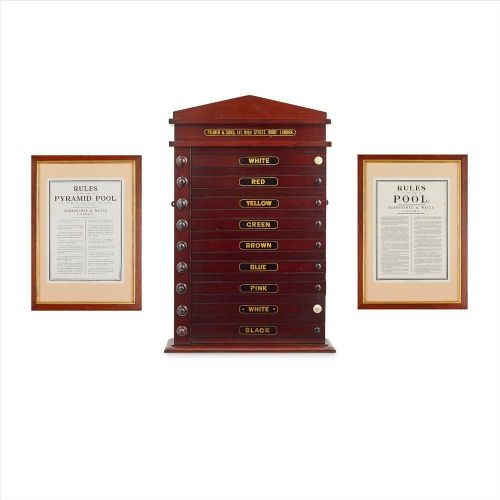
Joe Davis watches over the score from his printed portrait on the Victorian pool scoreboard.
What varies in quality
The distinction between standard commercial pieces and finer examples rests upon the reputation of the maker and the complexity of the mechanism. Workshop attributions to established billiard furnishers like Thurston and Co or Orme and Sons elevate the standing of a scoreboard.
Material selection and decorative carving also dictate the grade of an item, with figured mahogany and substantial oak framing marking out superior pieces. Original components such as brass sliding markers and intact felt surfaces preserve the integrity and visual weight of the object.
Orme and Sons Manchester·Thurston and Co of London·Cox and Yeman London·Burroughes and Watts
The Antique Gaming Room Decor Glossary
- Scoreboard
- A wall-mounted wooden board featuring sliding brass pointers or rollers used to track points in cue sports such as billiards and snooker. These items often incorporate multiple dials to record breaks and games won.
- Cribbage board
- A portable wooden board drilled with small holes to track scores in the card game cribbage using pegs. Nineteenth-century examples frequently utilise materials like bone and rich hardwoods.
- Ebonised wood
- Timber treated with a chemical stain or finish to imitate expensive ebony. This dark, uniform surface finish appeared widely on Victorian gaming accessories and furniture.
- Life pool
- A variation of billiards where players each start with a set number of lives represented on a dedicated scoreboard. The scoreboards built for this game contain specialised rows of rollers and markers.
Antique Gaming Room Decor: Frequently Asked Questions
What is antique gaming room decor?
Antique gaming room decor comprises nineteenth-century sporting apparatus, scoreboards, and parlour game equipment built for use in domestic billiard rooms and studies.
These objects include large oak and mahogany scoreboards, roulette wheels, and folding chess sets originating from the Victorian and Edwardian periods.
How were billiard scoreboards used?
Billiard scoreboards hung on the walls of dedicated games rooms to track points during snooker, billiards, and life pool matches. Players or markers manually slid brass pointers along numbered tracks to record current scores and games won.
Larger boards often included compartments for chalk, score sheets, and matching prints to complete the club or parlour environment.
How do I hang a heavy scoreboard?
Wall-mounted scoreboards from the nineteenth century are typically heavy and require secure fixing directly into wall studs or masonry using appropriate wall anchors. The original brass mounting brackets or screw holes on the wooden backboard indicate the correct suspension points.
Professional installation is often advisable given the substantial weight of dense timbers like oak and mahogany combined with slate or brass components.
How do I date an antique roulette wheel?
Dating a roulette wheel relies on examining the construction methods, materials, and associated textiles such as the original felt table cloth. Nineteenth-century examples display hand-turned wooden components and specific typographic styles on the wheel face.
Attributions often point to French or British workshops operating circa eighteen eighty, matching the period styles recorded in the maker's evidence.