



Antique Game Piece
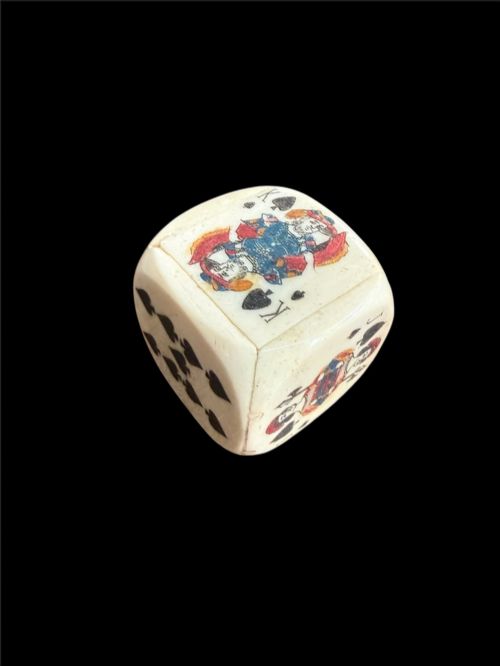
An antique game piece offers tactile connection to past parlours, spanning carved bone, boxwood, and ebony.
Antique Game Piece
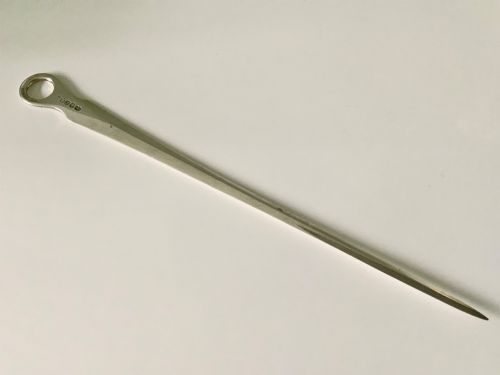
An antique game piece encompasses tangible components for chess, draughts, backgammon, and dominoes originating across the Georgian, Victorian, and Edwardian eras. Players encounter these objects within complete compendiums, travelling sets, or individual fragments.
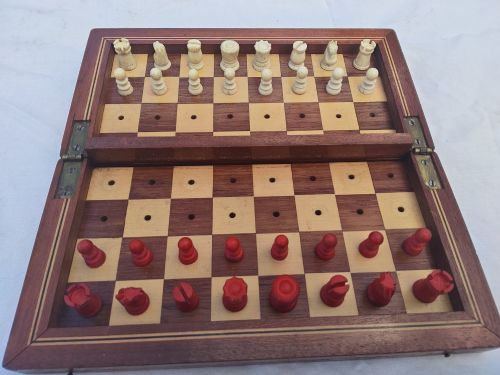
The material record highlights turned boxwood, ebonised wood, carved bone, and occasional brass components deployed in traditional forms. Pieces range from diminutive travelling sets to substantial library chess sets and large gaming counters.
Origins span standard domestic production alongside distinct regional iterations such as English folk art dice shakers and prisoner of war bone artefacts. Buyers frequently meet standard Staunton patterns alongside earlier Calvert or St George designs.
Judging standard and execution
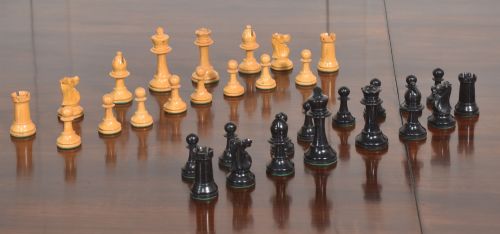
Superior sets display crisp, uniform turning across all pieces, particularly in intricate elements like rook turrets and knight mane detailing. Consistency in matching heights and proportional balance separates workshop production from standard output.
The preservation of original surface finishes, patination on unlacquered wood, and the inclusion of fitted boxes or boards influence overall integrity. Finer examples maintain complete, matching sets without replacement elements introduced later.
Antique Game Piece Retail Price Guide 2026
Typical asking prices for game piece among the pieces listed under this phrase on Sellingantiques today, from the lower quarter to the upper quarter. They describe what is for sale here now, not the wider market.
Listings feature 19th Century, Edwardian, and Georgian periods, utilising boxwood, bone, ebony, and mahogany across diverse gaming formats.
Jaques·F. H. Ayres·British Chess Company
The Antique Game Piece Glossary
- Staunton pattern
- The standard design for chess pieces introduced in the mid nineteenth century featuring distinct, architectural forms. It remains the most recognisable style found in library and travelling sets.
- Teetotum
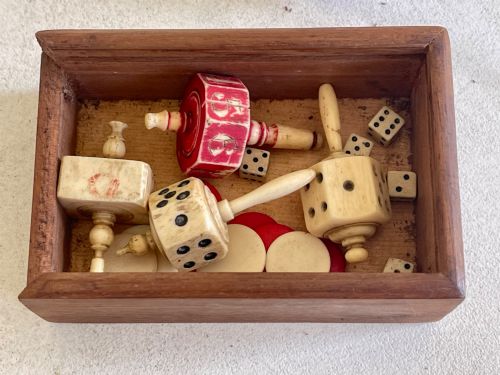
- A small multi sided spinning top used for gambling or parlour games instead of dice. Nineteenth century examples were frequently carved from bone by prisoners of war.
- Compendium
- A fitted box containing multiple games such as chess, draughts, and backgammon. These portable sets gathered various gaming pieces into a single container.
- Calvert pattern
- An earlier nineteenth century style of chess piece characterised by specific turned finials and proportions preceding the universal adoption of the Staunton standard.
- St George
- A nineteenth century chess set style produced before the Staunton design dominated the market. These pieces feature simpler, unweighted profiles.
Antique Game Piece: Frequently Asked Questions
How do I store antique game pieces?
Keep wooden and bone components in stable environmental conditions away from direct sunlight and extreme temperature shifts. Storing them in lined boxes prevents surface scratching.
Avoid plastic bags or sealed containers that trap moisture, as organic materials like bone and dense hardwoods require gentle air circulation to remain stable over time.
Were these pieces used for regular play?
Most surviving sets saw active use in domestic parlours, gentlemen's clubs, and travelling carriages. Wear patterns and natural patination often reflect frequent handling during nineteenth century gaming.
Heavily weighted sets served stationary library tables, whilst lighter unweighted or miniature sets accommodated travel. This practical utility shaped their current survival.
How can I date an antique chess set?
Examine the turning style, base weighting, and material characteristics to determine the period of manufacture. The introduction of the Staunton pattern in the mid nineteenth century provides a clear chronological marker.
Boxwood and ebony combinations alongside specific maker signatures help narrow the production window. Earlier Georgian sets typically display distinct regional turning before standardised workshop patterns emerged.
Can I complete an incomplete antique set?
Sourcing exact replacement pieces matching the precise turning, height, and patination of an older set presents a considerable challenge. Minor variations in wood colour or bone ageing usually remain visible.
Most collectors prefer preserving the set in its current incomplete state rather than introducing mismatched elements. Partial sets still hold historical and decorative interest.