



Antique Gallery Painting
An antique gallery painting brings the scale and character of historic rooms directly into domestic spaces, offering a tangible connection to nineteenth-century visual culture.
Antique Gallery Painting
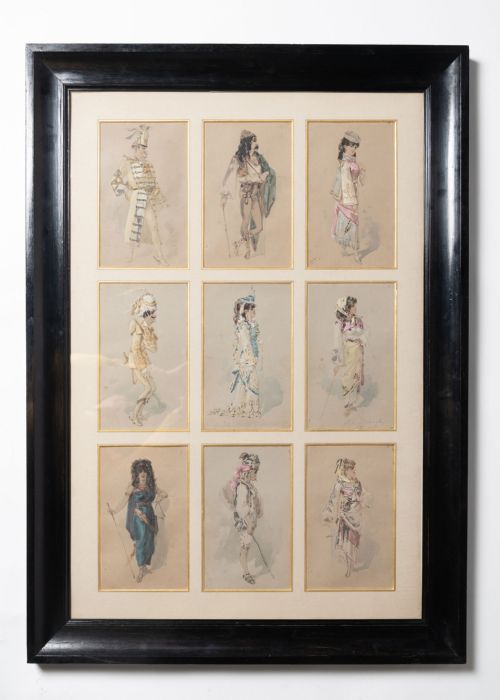
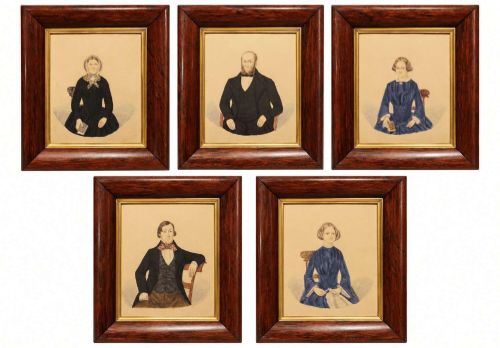
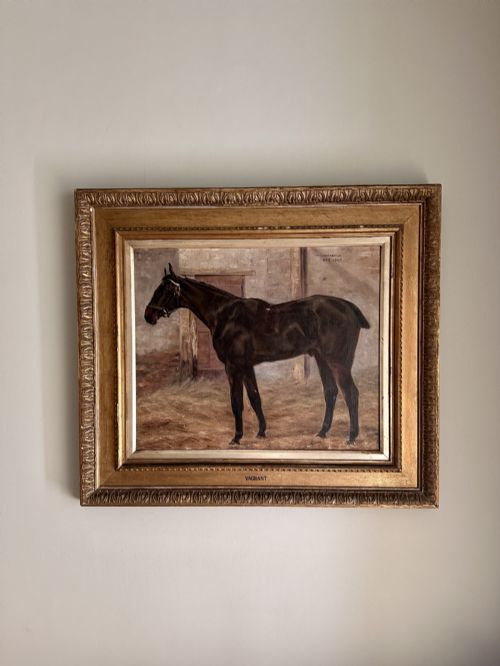
When searching for an antique gallery painting, buyers encounter framed watercolours, gouache sets, and equine portraits originating primarily from the nineteenth century and the early decades of the twentieth century.
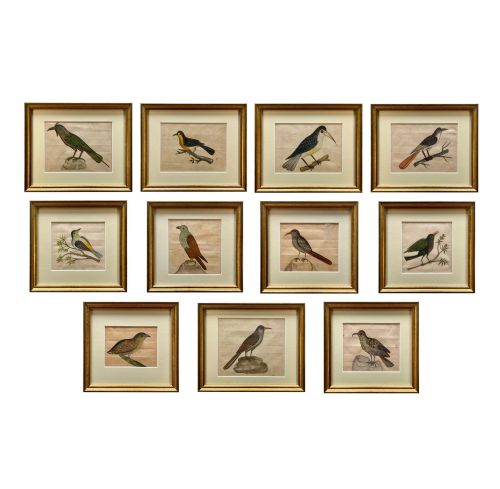
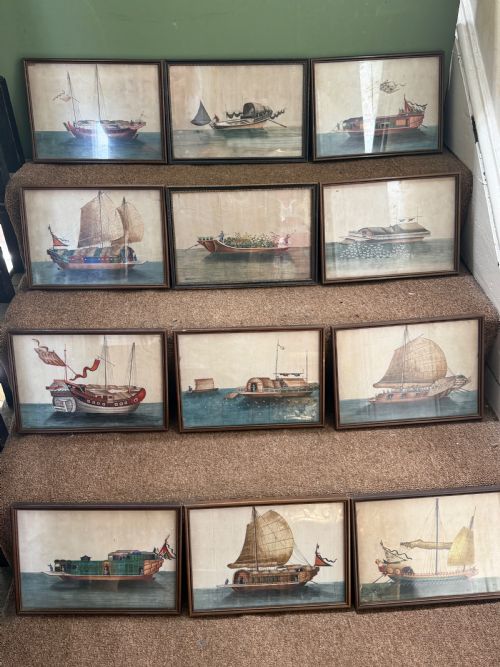
The selection ranges from detailed Chinese export maritime watercolours and botanical studies to portraits depicting historic interiors like long galleries, reflecting diverse subjects of the period.
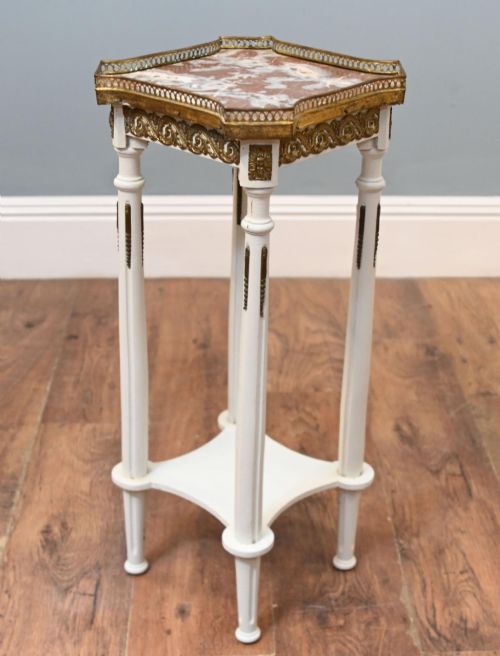
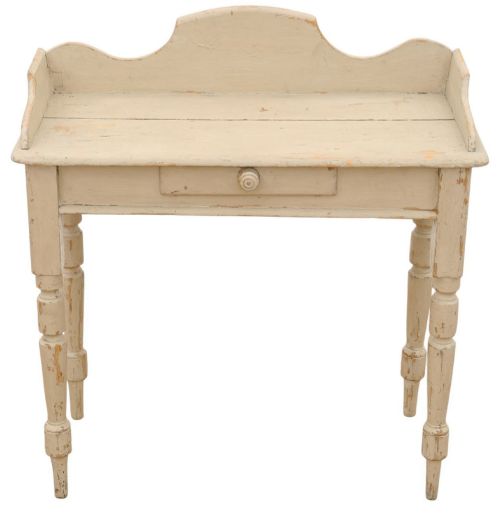
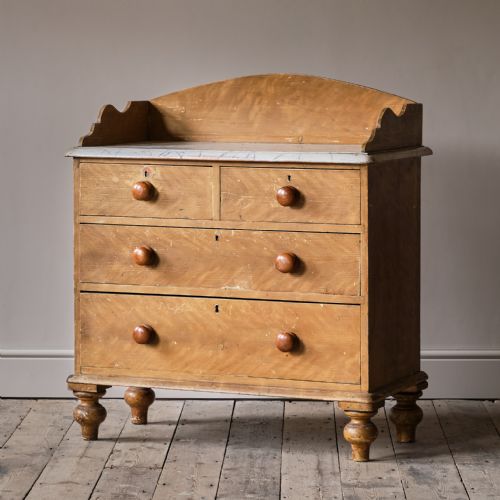
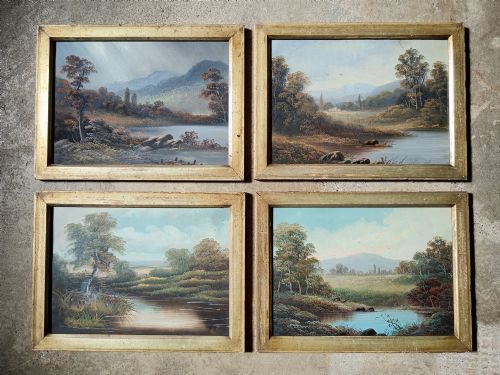
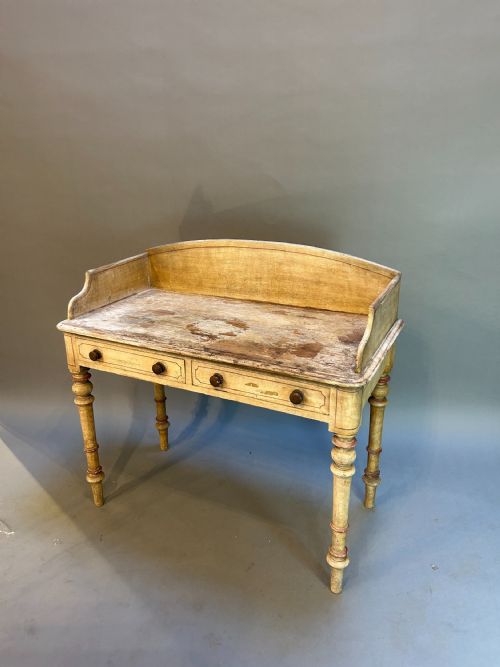
Framed watercolours and oil paintings dominate the available works, often accompanied by related display furniture and easels designed to hold large canvases in period rooms.
Materials and construction
Works of art utilise traditional paper, canvas, and wood supports, combined with paint, gouache, pencil, and gold leaf applied by hand.
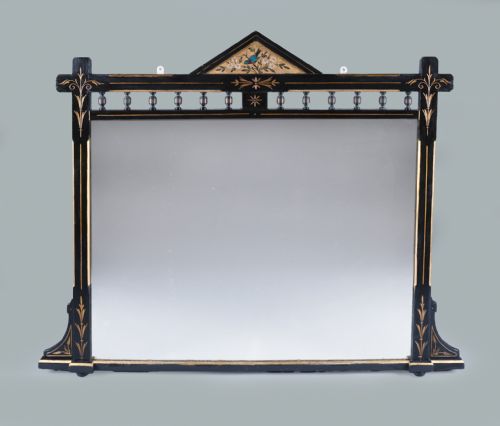
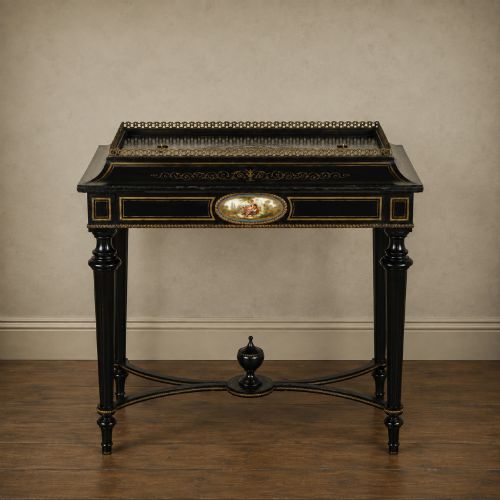
Frames and associated structural items incorporate pine, oak, satinwood, and ebonised mahogany, sometimes featuring gilded highlights or painted finishes.
Antique Gallery Painting Retail Price Guide 2026
Typical asking prices for gallery painting among the pieces listed under this phrase on Sellingantiques today, from the lower quarter to the upper quarter. They describe what is for sale here now, not the wider market.
Listings feature 19th-century works in paint, paper, and gold leaf, including portraits, watercolours, and architectural long gallery scenes.
Assessing quality
The standard of execution in the brushwork and the clarity of the subject matter distinguish finer works from simpler decorative items.
The condition of the original surface, the preservation of the pigment, and the integrity of contemporary framing contribute significantly to the standing of each piece.
Fred Fitzpatrick·John Phillip·George Cattermole·Pancrace Bessa
The Antique Gallery Painting Glossary
- Gouache
- An opaque water-based paint that produces rich, solid areas of colour. It was frequently utilised for detailed nineteenth-century illustrative works and maritime scenes.
- Ebonised
- Wood treated to imitate ebony, usually through dark staining or painting. This finish appeared often on Victorian and aesthetic movement furniture and frames.
- Provenance
- The documented history of a piece's ownership and origin. It provides verifiable context regarding where a painting or artefact was previously housed.
- Watercolour
- Pigments suspended in a water-soluble binder, applied to paper to create translucent layers. It is a defining medium for many period framed works.
Antique Gallery Painting: Frequently Asked Questions
How do I hang a gallery painting safely?
Ensure the wall fixings match the weight of the frame and use two points of suspension for wider canvases to keep the piece level.
Position the painting away from direct sunlight and strong heat sources to protect the painted surface and paper supports from fading.
What subjects are common in these paintings?
Portraits, river landscapes, maritime scenes, and botanical studies frequently appear among nineteenth-century works.
Interiors depicting historic long galleries and architectural spaces also feature within the broader selection.
How do I date a painted frame?
Examine the timber species, joinery methods, and the style of gesso or gilding applied to the moulding.
Nineteenth-century frames often display hand-carved decorative elements and traditional pine or hardwood construction behind the gilding.
Can I mix these paintings with modern decor?
Historic artworks provide a strong visual anchor that contrasts effectively against neutral, contemporary walls.
Pairing traditional watercolours or portraits with clean modern lines adds depth and individual character to a room.