
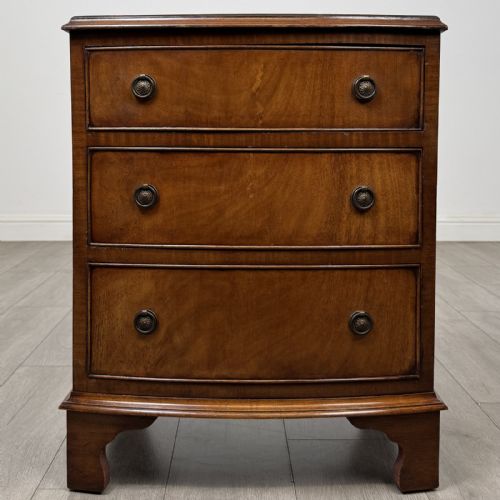
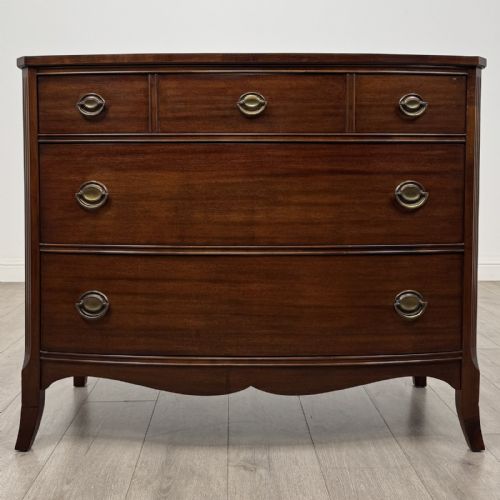
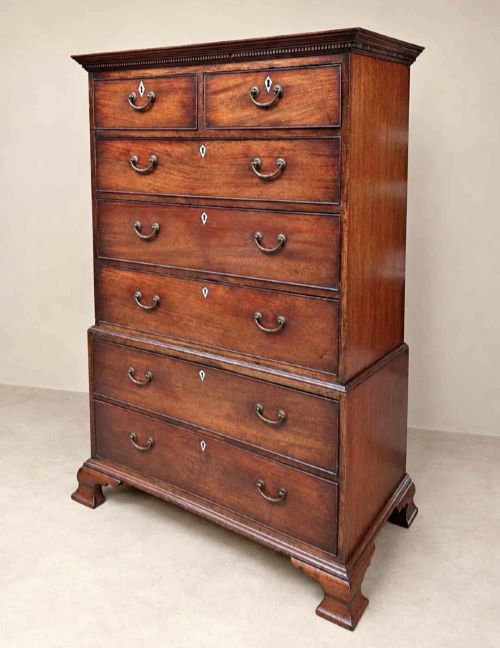
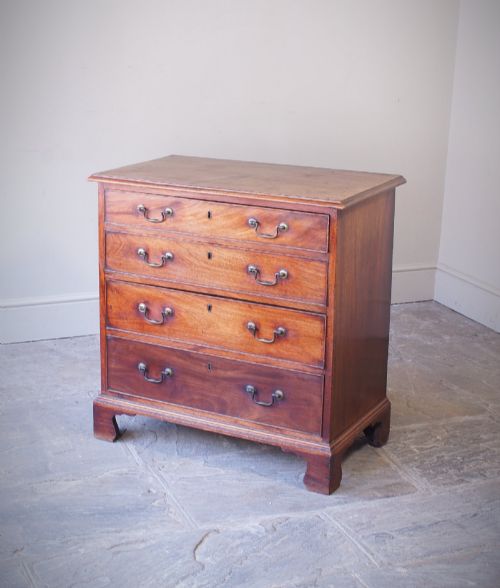
Antique Furniture Tallboy
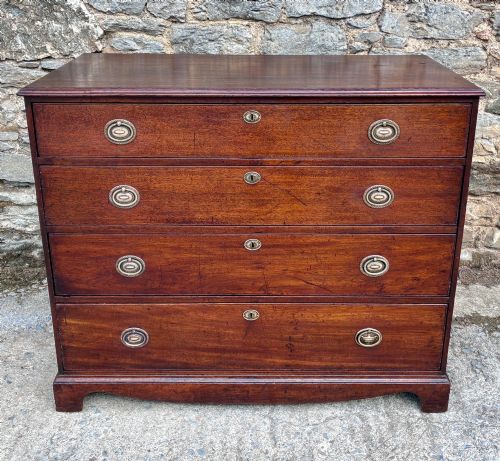
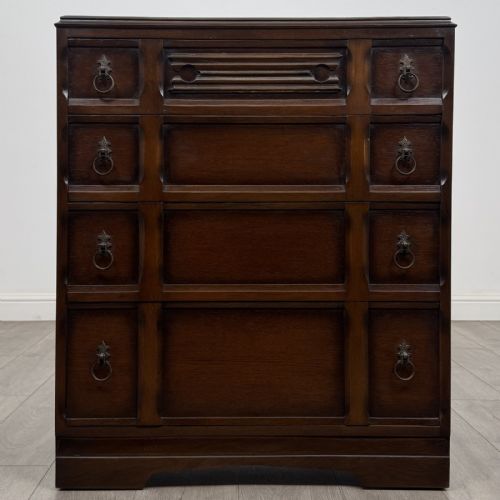
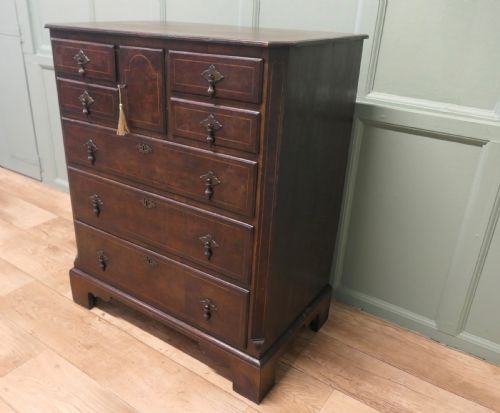
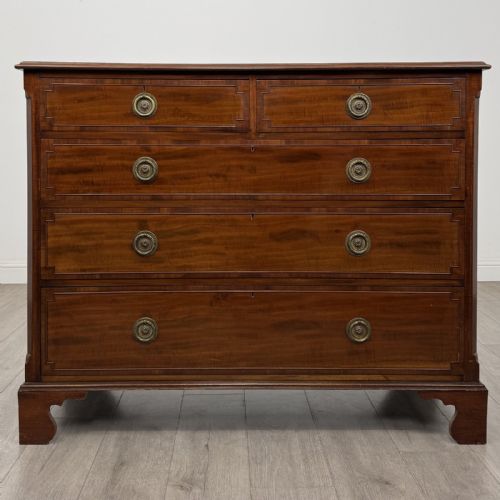
An antique furniture tallboy stands as a commanding vertical statement, offering generous storage through stacked drawers crafted to grace fine bedrooms.
Antique Furniture Tallboy
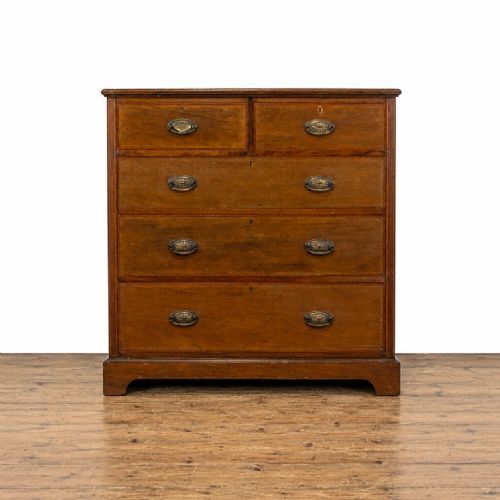
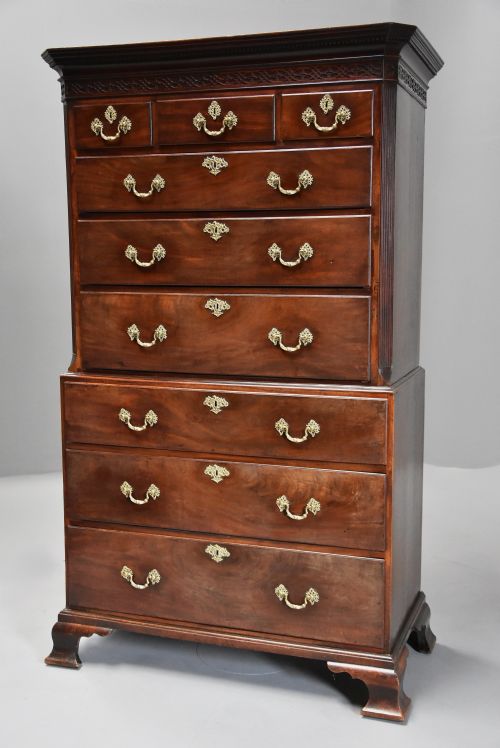
An antique furniture tallboy typically manifests as a chest on chest or a tall Wellington chest, designed to maximise storage without claiming excessive floor space. These pieces emerge predominantly from the Georgian, Victorian, and Edwardian eras, spanning the seventeenth through to the early twentieth century.
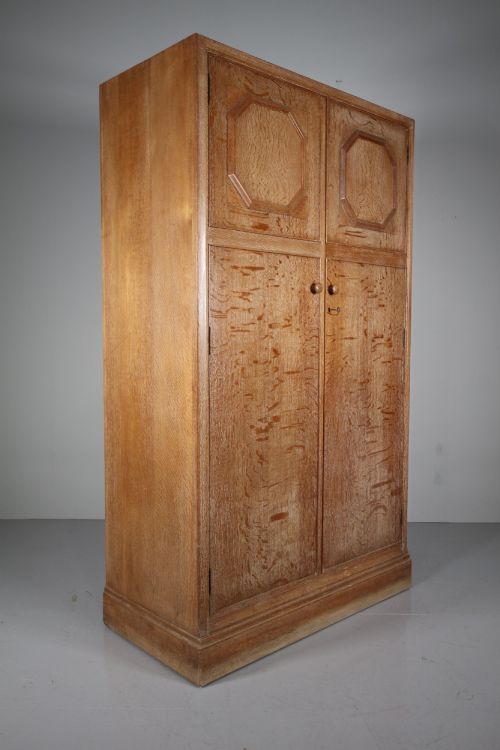
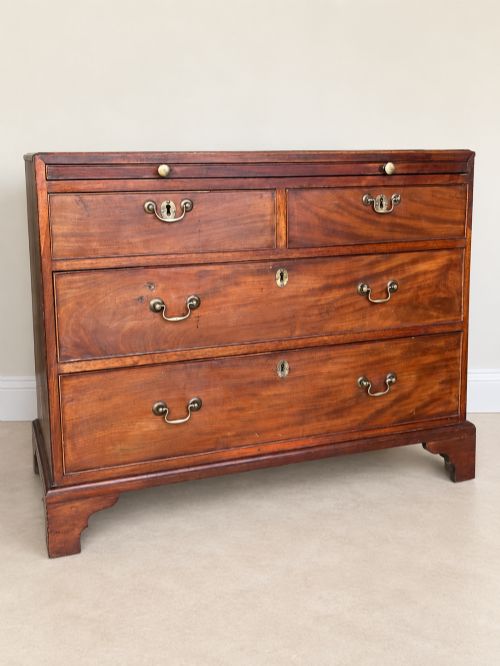
The buyer encounters varied configurations, ranging from substantial George II walnut examples to compact Edwardian mahogany versions and narrow oak editions. Many incorporate traditional two-over-three drawer arrangements or specialised setups such as secretaire drawers and brushing slides.
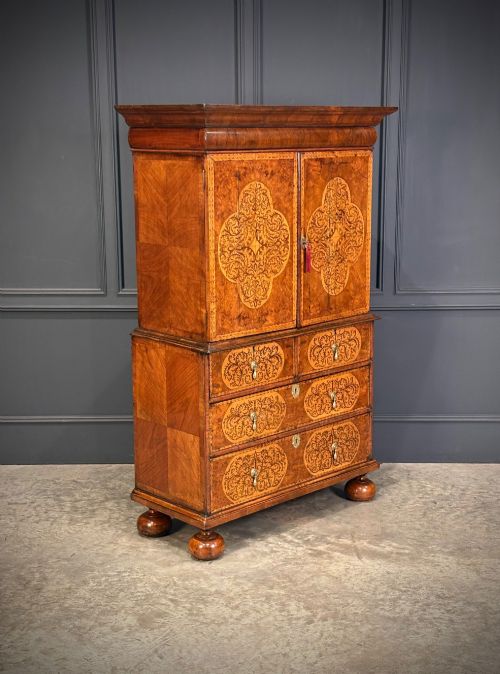
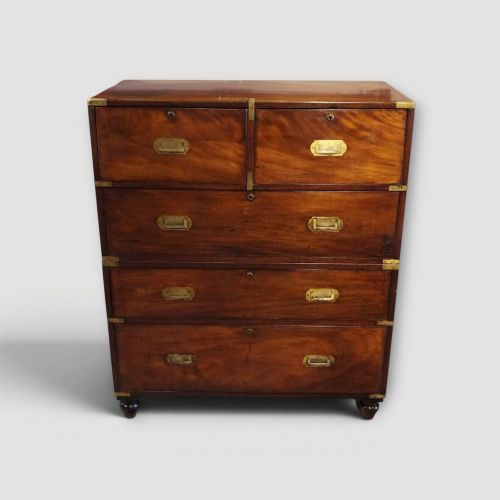
Regional and period variations introduce distinctive character to each piece, with Norfolk walnut and oak sitting alongside camphor wood military trunks and Art Deco burr walnut interpretations. The structural ambition remains constant: a soaring chest that organises clothing and linens within a disciplined architectural frame.
Materials and Construction
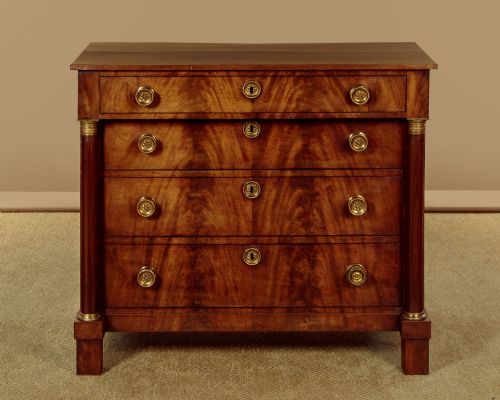
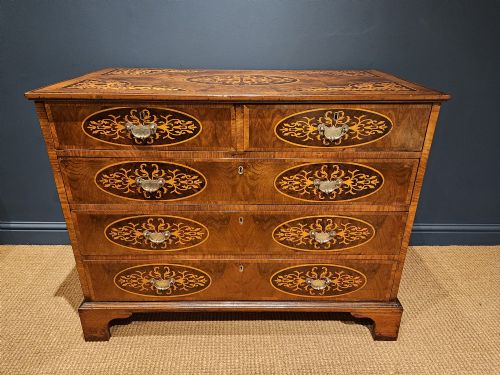
Cabinetmakers constructed these tall chests using robust timbers such as oak and mahogany, frequently applying figured veneers like burr walnut, flame mahogany, and birds-eye maple to primary display surfaces. Solid pine and ash often provided sturdy internal framing and secondary drawer linings.
Master joiners employed dovetail joints for drawer construction, ensuring durability under daily use, while brass handles, drop pulls, and cup handles furnished operational grip. Bracket feet, plinth bases, and geometric moulded panels completed the structural and decorative assembly.
Listings feature pieces spanning from the 17th century through the 1930s, constructed in mahogany, oak, walnut, pine, ash, and camphor wood.
The Spectrum of Craftsmanship
Excellence in these vertical chests rests upon the selection of timber and the precision of its deployment, where choice figured veneers and matched grain patterns distinguish superior pieces from utilitarian storage. The integrity of internal drawer linings and the crispness of carved geometric mouldings reveal the hand of a skilled cabinetmaker.
Proportion and hardware coordination dictate visual harmony, with original brass handles and well-scaled bracket feet elevating a piece far above later replacements. The smoothness of drawer operation within deep frames indicates careful historical fitting that maintains utility across centuries.
The Antique Furniture Tallboy Glossary
- Chest on chest
- A tall storage unit formed by placing a smaller chest of drawers directly upon a larger base chest, also known as a tallboy.
- Wellington chest
- A tall, narrow Victorian locking chest featuring a hinged side flap that secures all drawers simultaneously.
- Brushing slide
- A pull-out wooden shelf integrated above the drawers, historically used for folding garments or dusting hats.
- Dovetail
- A traditional interlocking joint utilised in drawer construction to provide robust tensile strength without metal fasteners.
- Veneer
- A thin layer of highly figured wood applied over a stable secondary timber to present an ornamental surface.
Antique Furniture Tallboy: Frequently Asked Questions
What is an antique furniture tallboy?
An antique furniture tallboy is a vertically oriented storage chest, typically constructed as a chest on chest or a tall single carcass, designed to provide maximum drawer capacity within a compact floor footprint.
These pieces developed through various historic periods, notably the Georgian and Victorian eras, utilising fine timbers like mahogany, walnut, and oak to combine domestic utility with architectural presence.
How do I use a tallboy today?
A tallboy serves as an exceptionally practical bedroom or dressing room storage unit, accommodating folded clothing, linens, and accessories within its stacked drawer configuration.
The vertical design makes it ideal for rooms with limited floor space where horizontal chest placement is impractical.
How do I date an antique tallboy?
Dating relies on observing structural characteristics, timber choices, and hardware styles associated with specific periods like the Georgian, Victorian, or Edwardian eras.
Examining construction details such as hand-cut dovetails, secondary woods in drawer linings, and moulding profiles helps determine the manufacturing epoch.