

Antique Furniture Shelves
Antique furniture shelves bring practical display and storage into a room, spanning open bookcases, tiered whatnots and wall racks.
Antique Furniture Shelves
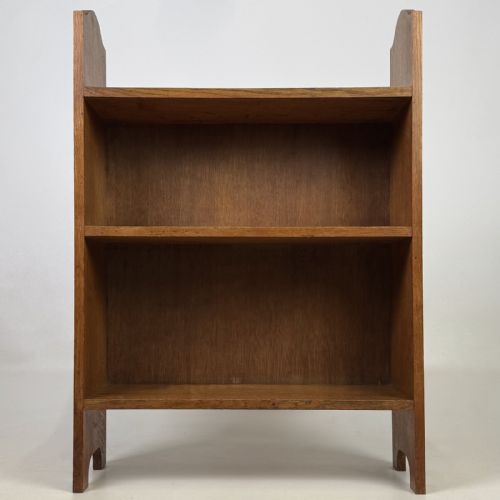
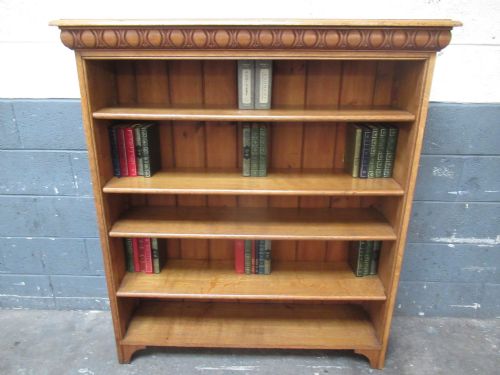
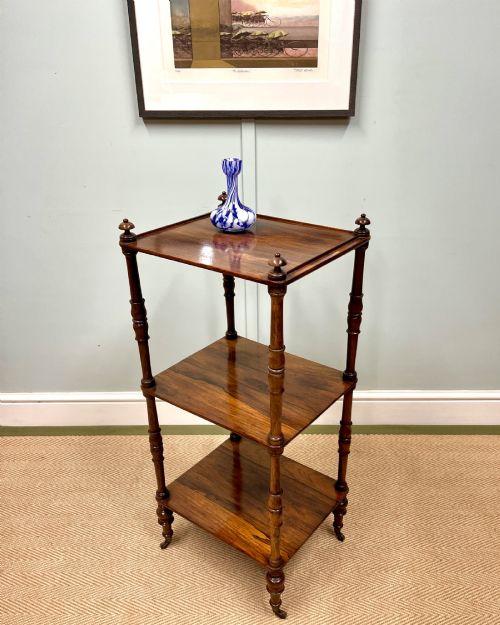
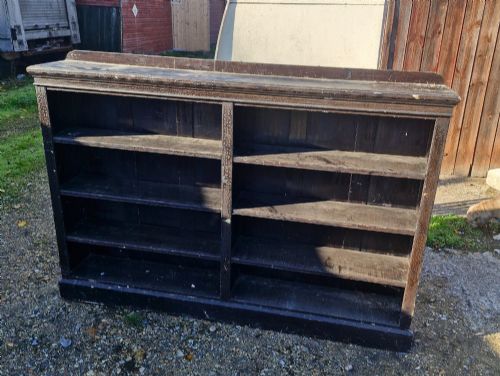
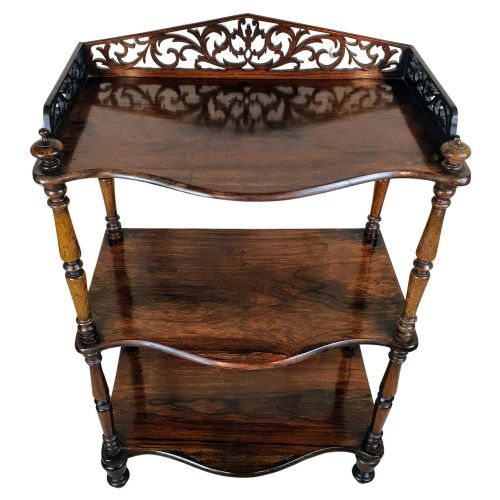
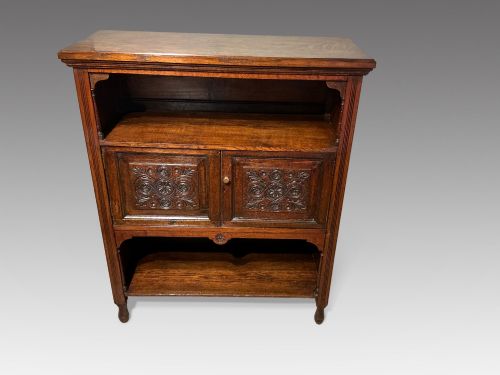
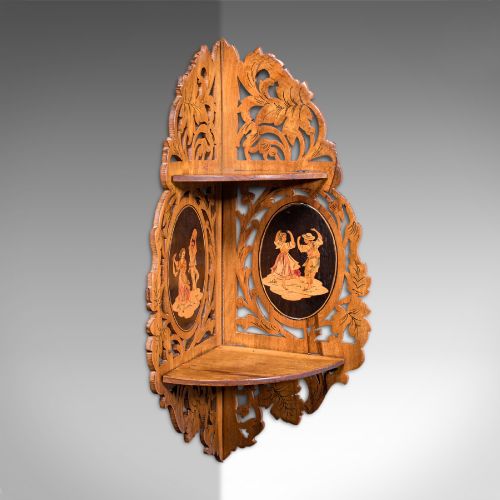
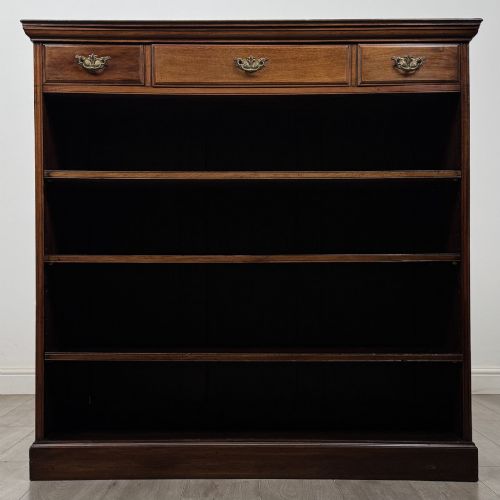
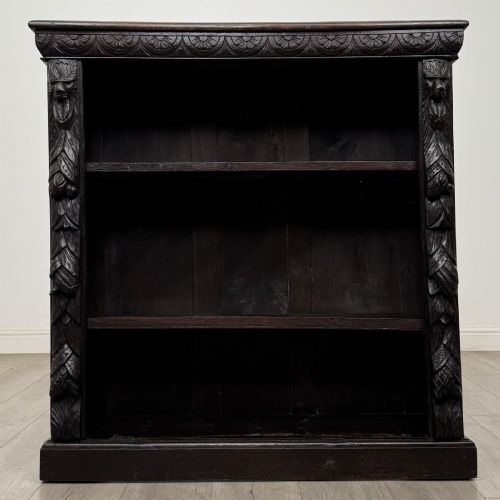
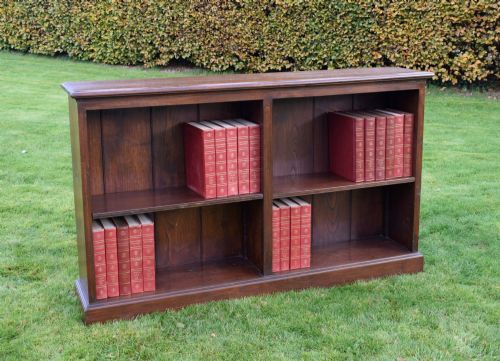
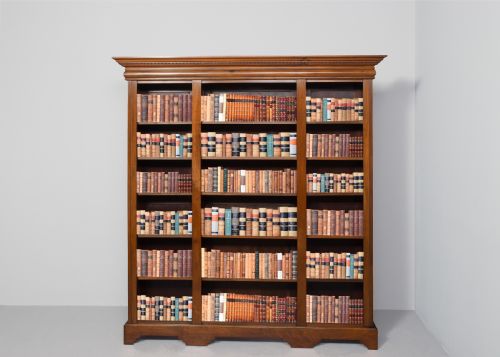
When you search for antique furniture shelves, you encounter a diverse range of domestic storage forms spanning the nineteenth and early twentieth centuries. These pieces encompass open bookcases, multi-tiered whatnots, wall hanging shelf racks, and display cabinets designed to hold books, ceramics, and ornaments.
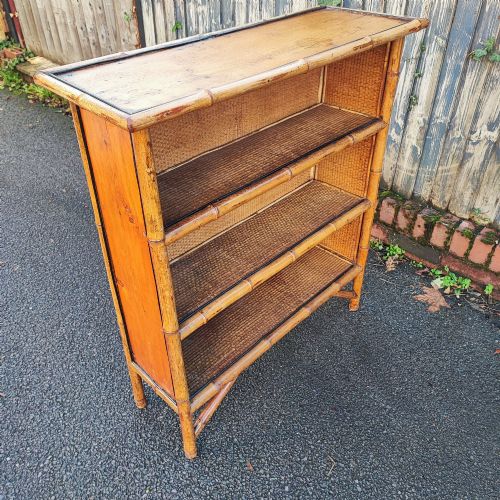
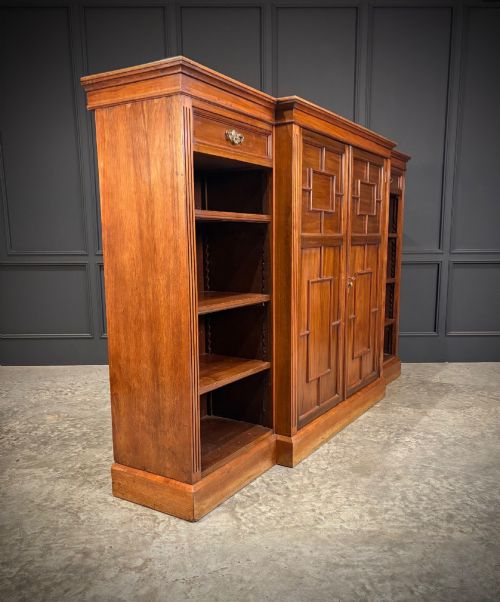
The most common examples on this page are nineteenth-century Victorian and Regency pieces, alongside Edwardian designs and later iterations up to the 1920s. Formats vary from freestanding breakfront bookcases and corner stands to delicate bamboo étagères and cascading shelving units.
Origins stretch across British workshops as well as continental and Japanese makers, reflecting shifting domestic tastes for organised display. Whether utilising a narrow wall rack or a substantial freestanding bookcase, these items served specific functional roles in period libraries, parlours, and drawing rooms.
Materials and Construction
Cabinet makers relied heavily on timber selections such as mahogany, walnut, burr walnut, oak, rosewood, and satinwood to construct these shelving units. Finer pieces incorporated contrasting grains, inlay work, and decorative brass mounts, galleries, or adjustable mechanisms.
Construction methods varied according to the specific form, utilising sturdy pegged joints for oak bookcases and delicate tiered uprights for multi-level whatnots. Secondary materials like glass, bamboo, and pine appear across display cabinets and wall-hanging shelf racks.
Antique Furniture Shelves Retail Price Guide 2026
Typical asking prices for furniture shelves among the pieces listed under this phrase on Sellingantiques today, from the lower quarter to the upper quarter. They describe what is for sale here now, not the wider market.
Victorian and Edwardian items dominate the selection alongside Regency and Arts and Crafts examples.
Distinctions in Standard
Quality in these pieces is dictated by the selection of timber, the crispness of carved details, and the integration of decorative elements like brass galleries. Finer examples display carefully matched burr veneers, robust structural integrity in tiered supports, and sophisticated joinery.
Standard and simpler pieces rely on plain mahogany or oak planks without secondary decorative enrichment or adjustable shelving mechanisms. The presence of documented maker attributions, exhibition quality carving, and balanced proportions elevate certain items above standard utility furniture.
John Moyr Smith·Bowman Brothers·Gillows
The Antique Furniture Shelves Glossary
- Étagère
- A French term for a piece of furniture consisting of a set of open shelves for displaying small articles. These often appear in bamboo or fine timbers.
- Breakfront
- A cabinet or bookcase design where the central section projects forward from the flanking outer sections. This architectural arrangement creates depth and visual interest.
- Gallery
- A raised decorative border, often made of pierced brass or carved wood, running along the edge of a shelf or top surface to prevent items from sliding off.
- Shodona
- A Japanese decorative cabinet or shelving unit featuring asymmetrical compartments for display, popular during the late nineteenth century.
Antique Furniture Shelves: Frequently Asked Questions
What is an antique whatnot used for?
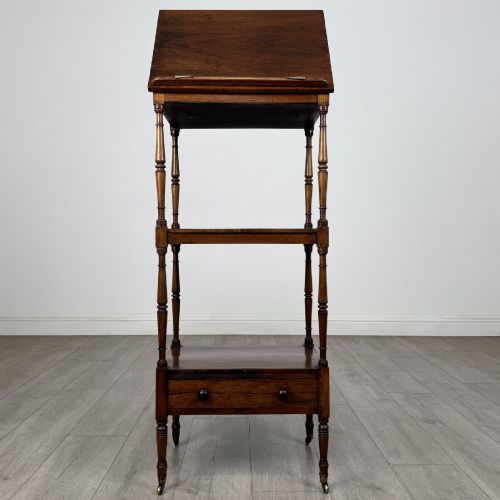
These tiered shelving units were originally used in nineteenth-century drawing rooms to display collections of small ornaments, silver, or books.
Today, they function similarly in domestic interiors, providing vertical display space without dominating a room.
How do I date an open bookcase?
Dating relies on timber choices, construction techniques, and stylistic markers such as Regency brass mounts or Aesthetic Movement carved motifs.
Earlier pieces often feature solid mahogany or rosewood, while later Edwardian and 1920s examples introduce adjustable shelving mechanisms.
Are wall hanging shelves sturdy enough for books?
Smaller wall racks and shelves constructed from solid mahogany or oak are structurally capable of holding modest weights.
However, wall-mounted items should be assessed for fixing stability before loading them with heavy volumes.
What distinguishes an étagère from a standard bookcase?
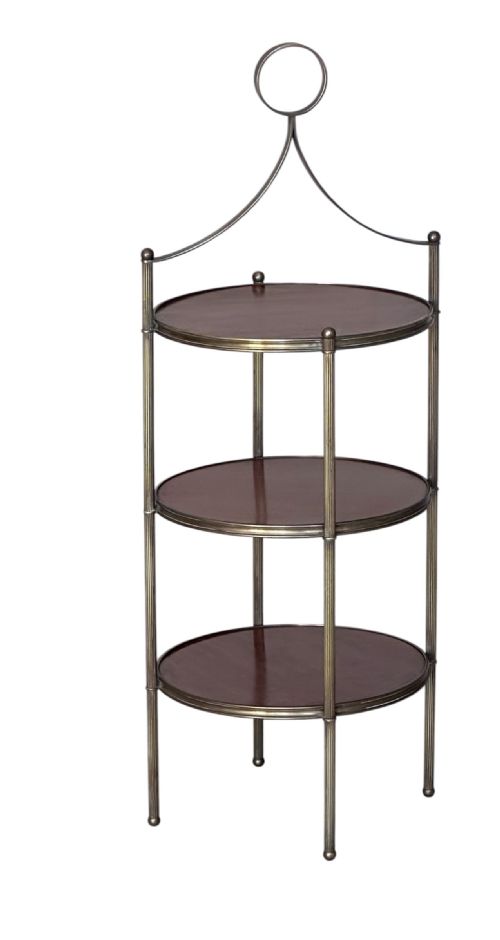
An étagère consists entirely of open tiers supported by columns, designed primarily for decorative display rather than housing large libraries.
Bookcases, by contrast, focus on enclosing or organising volumes with deeper shelf depths and sometimes glazed doors.