

Antique Furniture Part
An antique furniture part search uncovers modular sections, split chests, and sectional cabinets designed for transport and practical division.
Antique Furniture Part
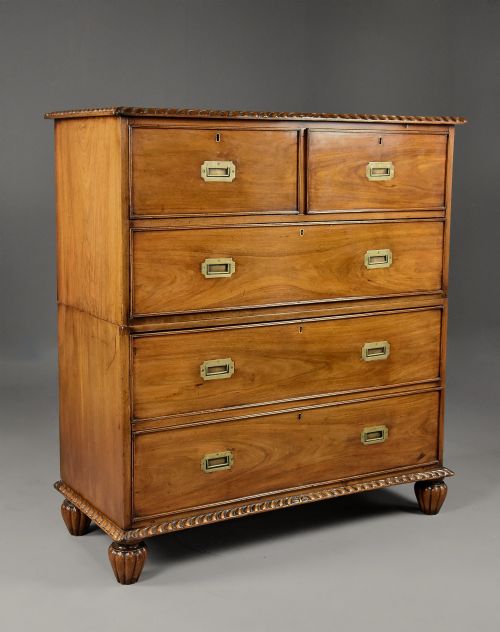
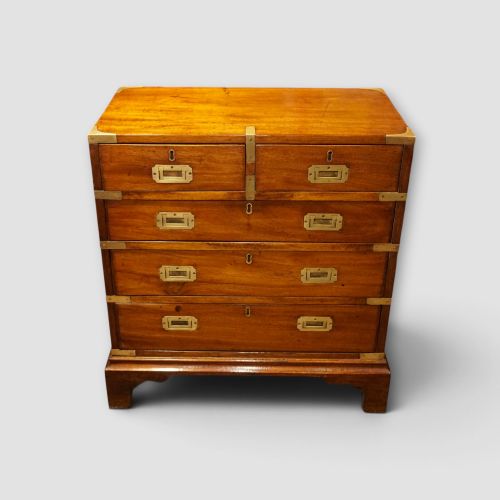
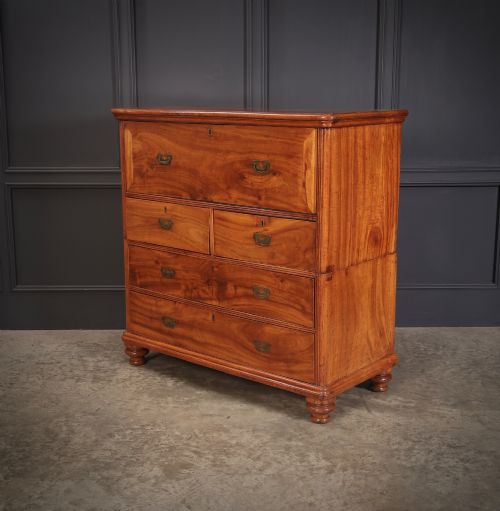
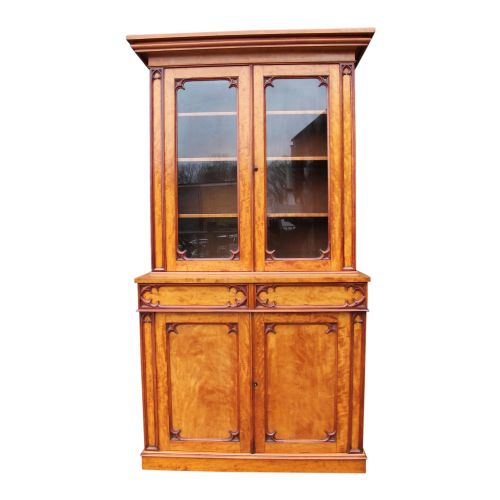
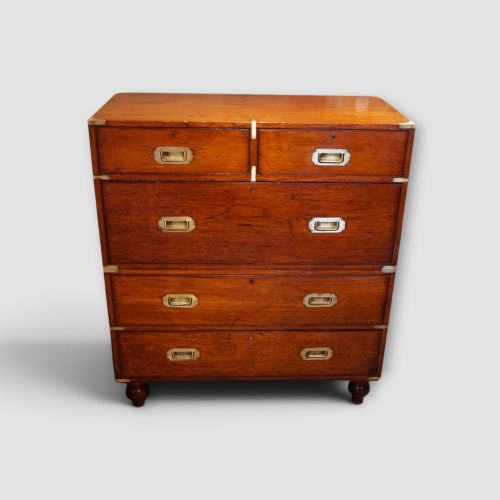
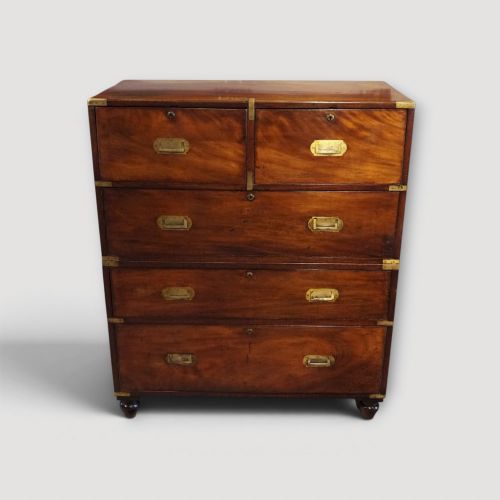
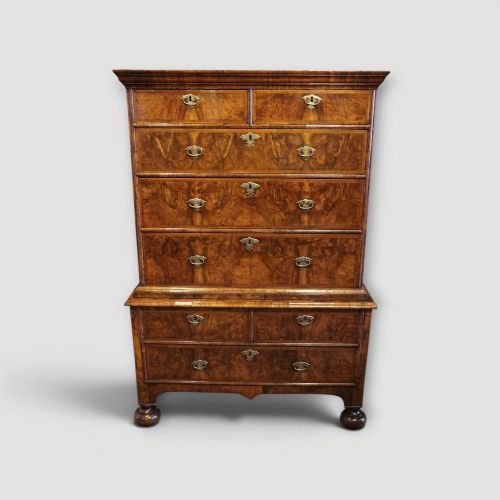
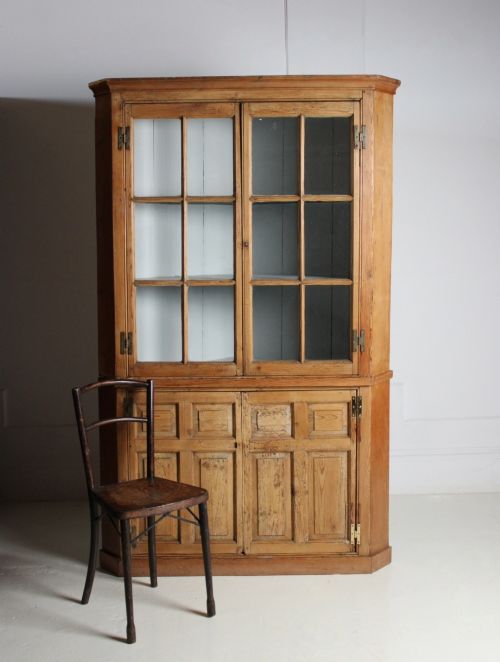
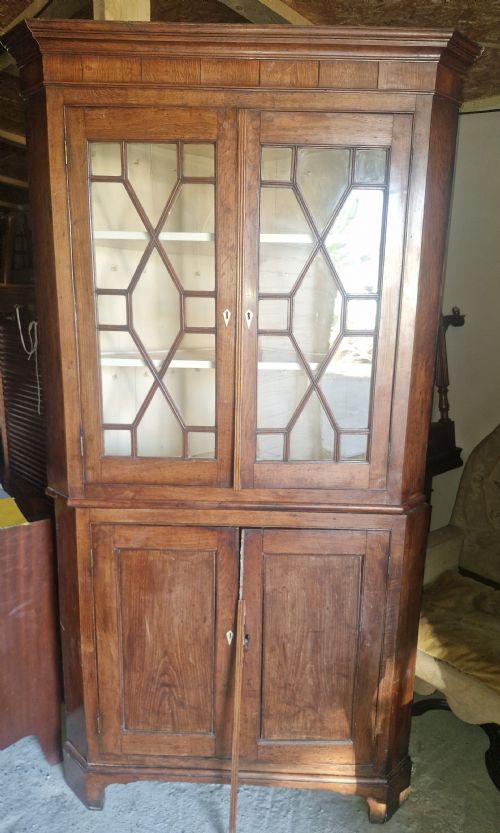
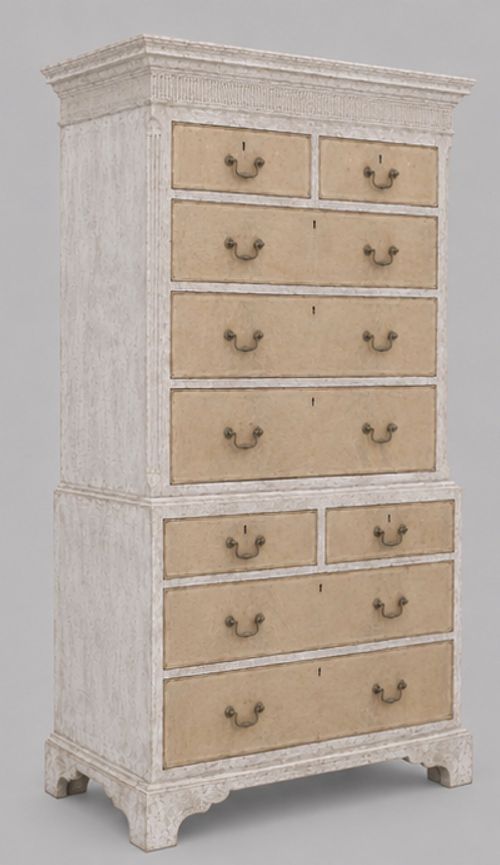
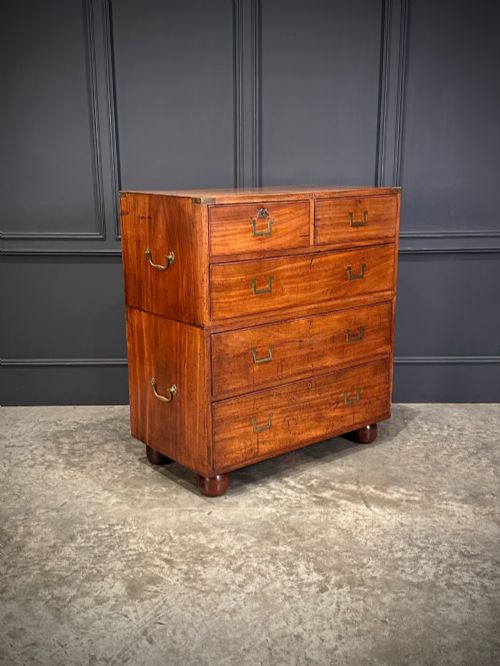
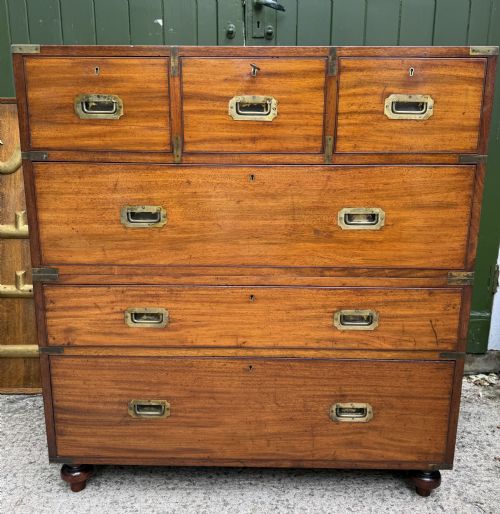
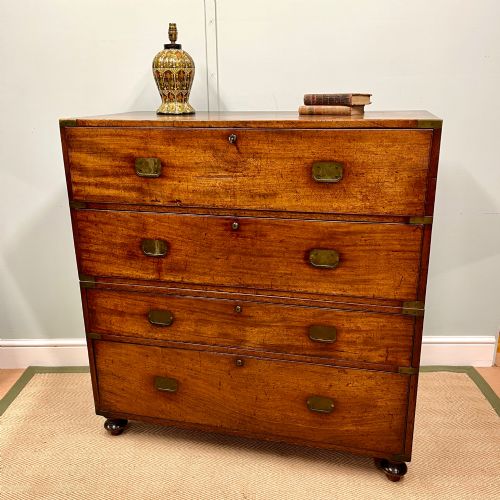
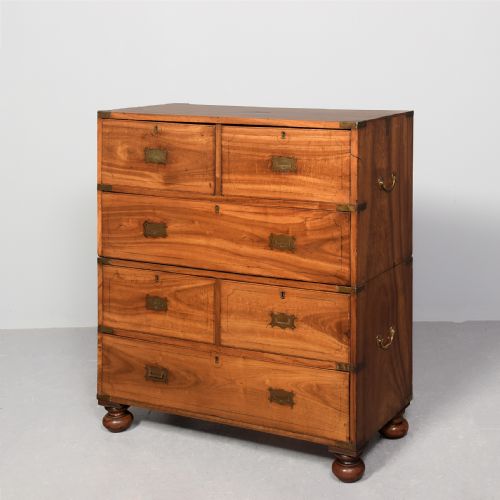
When buyers search for an antique furniture part, they encounter sectional pieces built in multiple distinct segments for portability and ease of movement. The most common manifestations on this page are two-part military campaign chests, tallboys, and sectional bookcases constructed to separate.
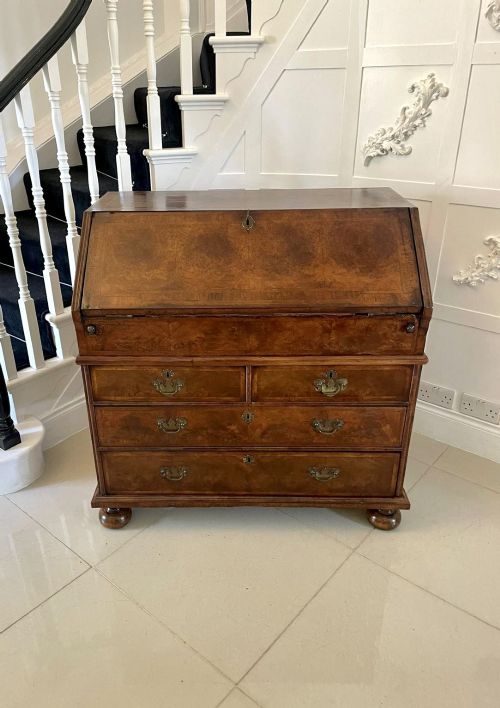
These items originate across several centuries, with particular emphasis on 18th-century, Regency, and Victorian periods. Forms range from brass-bound mahogany and teak campaign chests to oak corner cupboards and walnut bureaus.
The modular design allows large storage items to travel up narrow staircases or across oceans. Each section locks securely into place using metal brackets, pins, or flush handles.
Materials and construction methods
Cabinetmakers utilised durable hardwoods such as mahogany, teak, oak, walnut, and camphor wood to withstand rigorous travel and varying climates. These timbers are selected for dimensional stability and strength.
Brass fittings, including corner brackets, carrying handles, and flush escutcheons, protect the edges and joinery of modular sections while providing structural reinforcement.
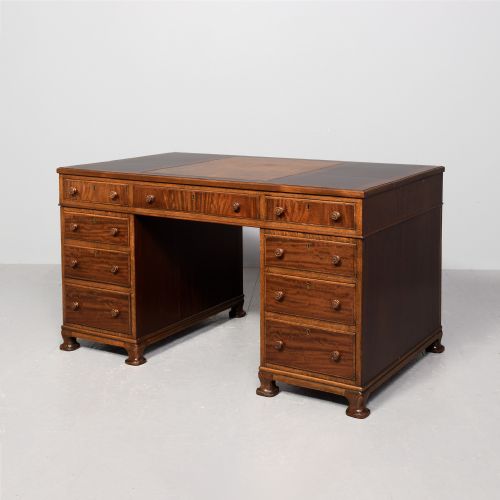
Secondary woods and hand-cut dovetail joints secure the internal drawer construction, whilst specialised sections incorporate leather writing surfaces and secret compartments.
Antique Furniture Part Retail Price Guide 2026
Typical asking prices for furniture part among the pieces listed under this phrase on Sellingantiques today, from the lower quarter to the upper quarter. They describe what is for sale here now, not the wider market.
Listings feature 17th-century oak pieces alongside Victorian teak and mahogany military campaign chests.
Factors that define superior quality
The integrity of the original joining mechanism separates standard modular pieces from exceptional ones. Top-tier items maintain precise alignment between sections without wobble or mismatched grain patterns.
Original hardware, including maker-stamped brass locks and inset carrying handles, elevates the integrity of a piece. Replacement fittings or missing structural pins alter the original state.
The selection of figured timbers, such as burr walnut, satinwood, or dense camphor wood, combined with crisp carving and herringbone inlay, marks the distinction between utility items and high-status commissions.
Army & Navy Stores·Whytock & Reid of Edinburgh·Ross & Co.
The Antique Furniture Part Glossary
- Two-part chest
- A cabinet constructed in vertically stacked upper and lower modules designed to separate for transport. This division forms the basis of many campaign and tall storage forms.
- Campaign furniture
- Portable pieces made for military officers and travellers, characterised by flush hardware and sectional builds. These items dismantle into manageable units.
- Secretaire
- A desk form featuring a drop-front writing drawer that conceals smaller pigeonholes and document drawers. It combines storage with a functional writing surface.
- Corner cupboard
- A triangular cabinet built to fit snugly into room angles, often constructed in separate upper and lower halves. They maximise floor space in domestic interiors.
- Dovetail joint
- An interlocking woodworking joint used in drawer construction, formed by interlocking wedge-shaped fingers. Hand-cut variations indicate early craftsmanship.
Antique Furniture Part: Frequently Asked Questions
How do two part chests separate?
The upper and lower sections lift apart after removing internal securing pins or sliding brass latches on the interior sides.
This modular design was originally intended for easy packing into transport crates during military campaigns.
Are campaign chests made of teak?
Many campaign chests utilise teak because the wood resists tropical humidity and moisture damage during overseas travel.
Mahogany and camphor wood also appear frequently across 19th-century military examples.
What is a secretaire chest?
A secretaire chest contains a specialised top drawer that pulls out and folds down to reveal a fitted writing desk.
This integration allows a standard chest of drawers to function as a compact bureau.
How do I date a campaign chest?
Dating relies on timber choices, brass hardware styles, and construction techniques like hand-cut dovetails or recessed pulls.
Victorian and Regency examples often display specific maker stamps on the brass locks.