
Antique Furniture Mirrors
These antique furniture mirrors combine functional timber frameworks with reflective glass, bringing depth and light to period interiors.
Antique Furniture Mirrors
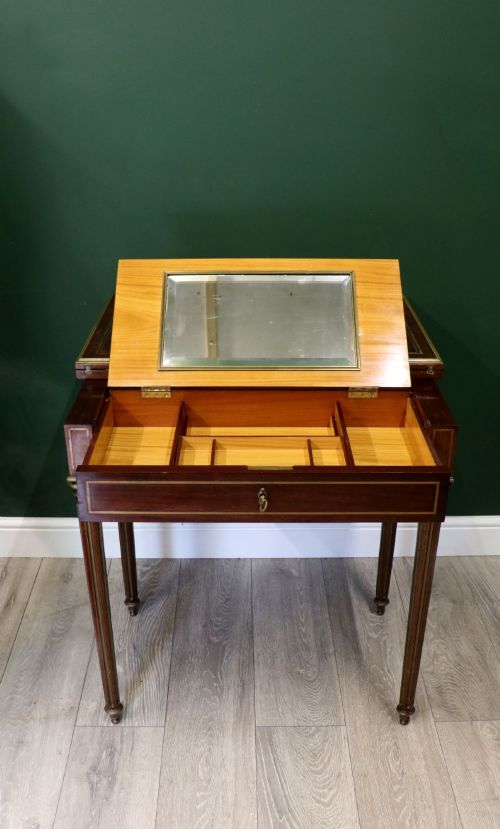
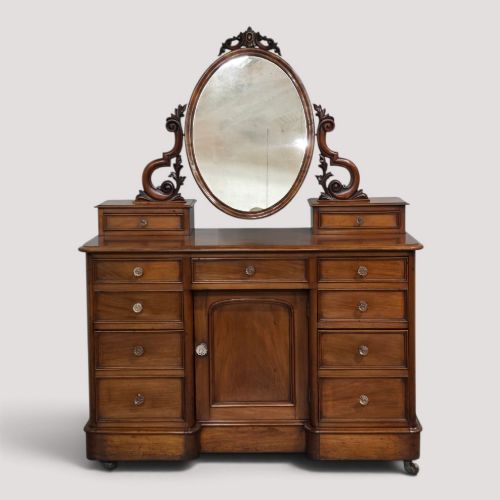
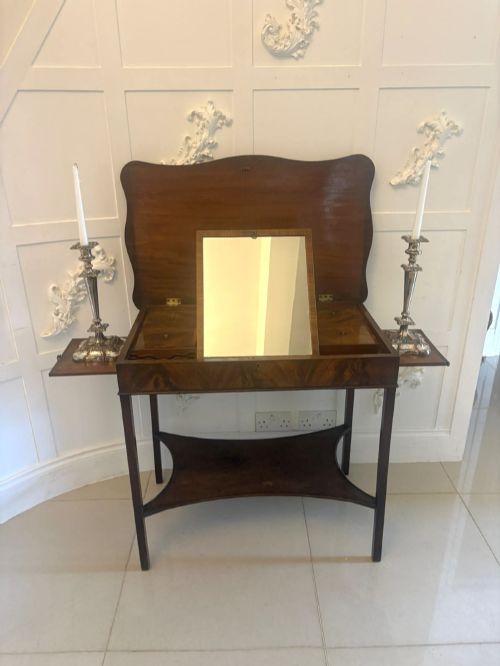
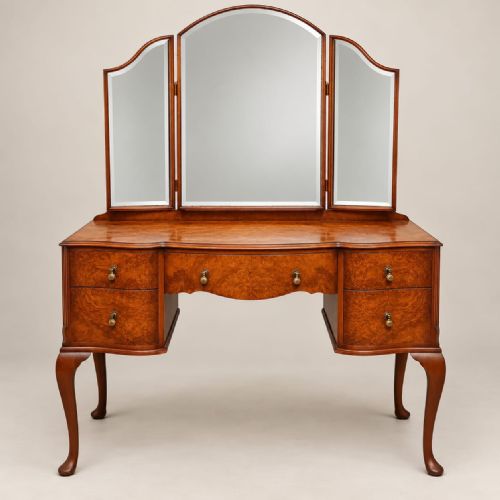
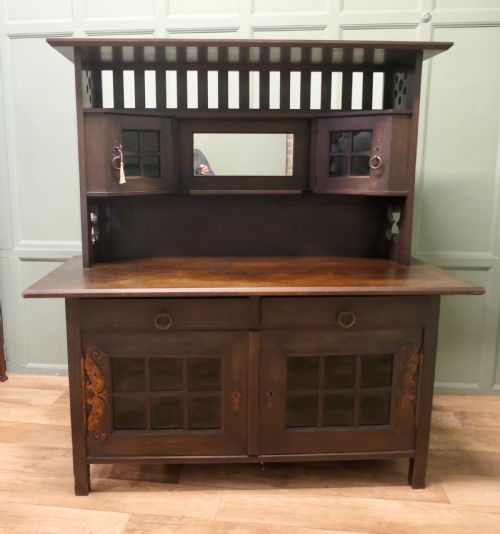
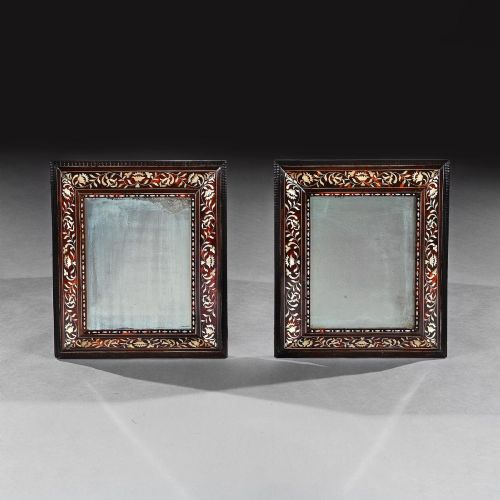
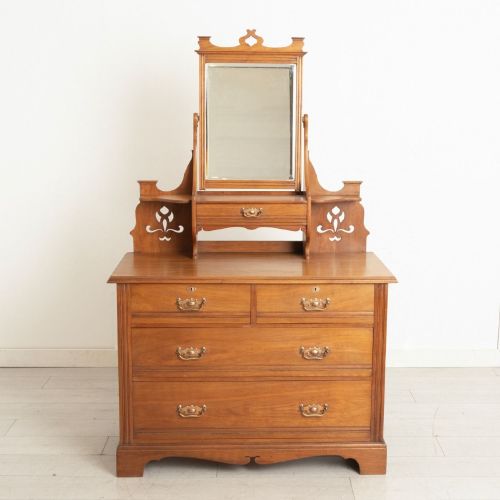
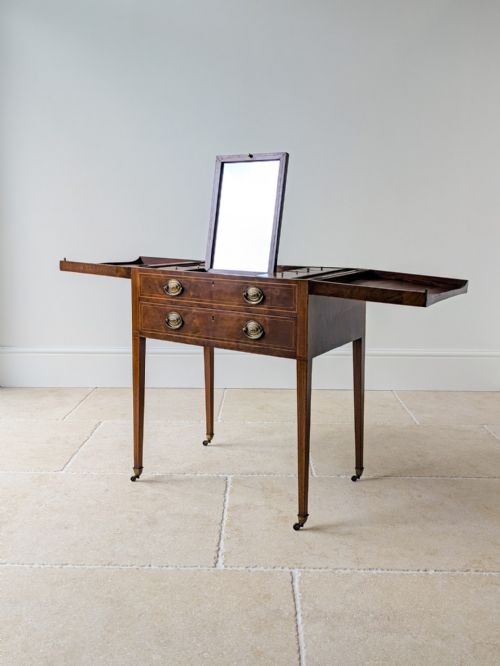
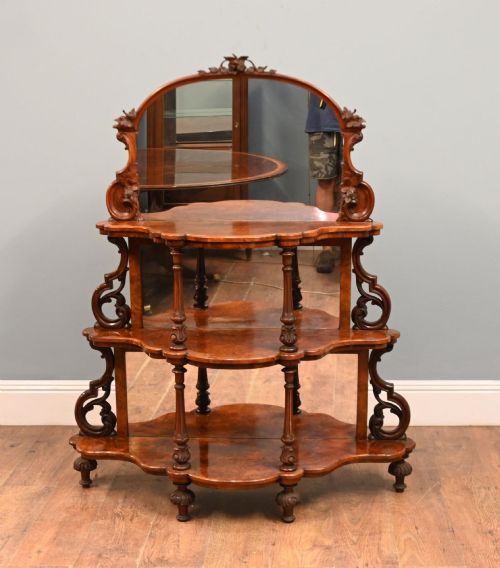
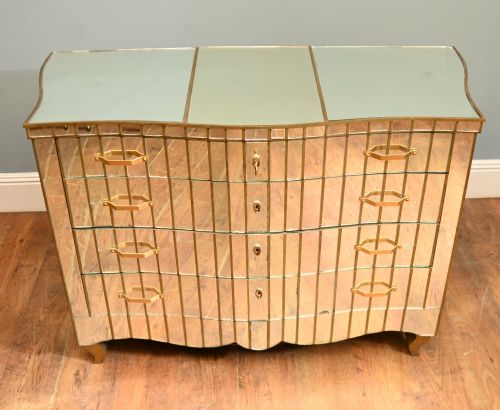
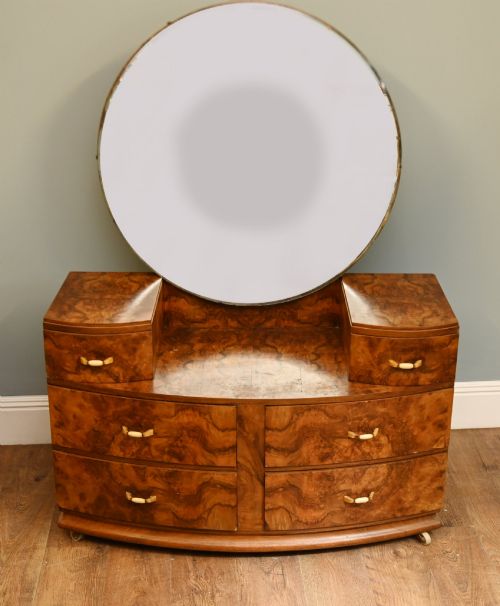
When you search for antique furniture mirrors, you encounter a varied collection of items where reflective glass forms an integral part of larger wooden forms or stands. These pieces span centuries of design, encompassing Georgian dressing tables, Victorian sideboard mirror backs, Edwardian display cabinets, and 1930s Art Deco mirrored chests of drawers.
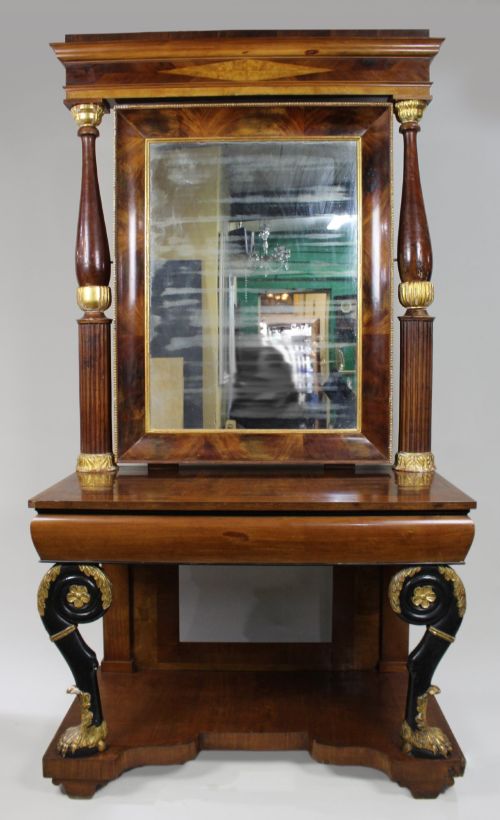
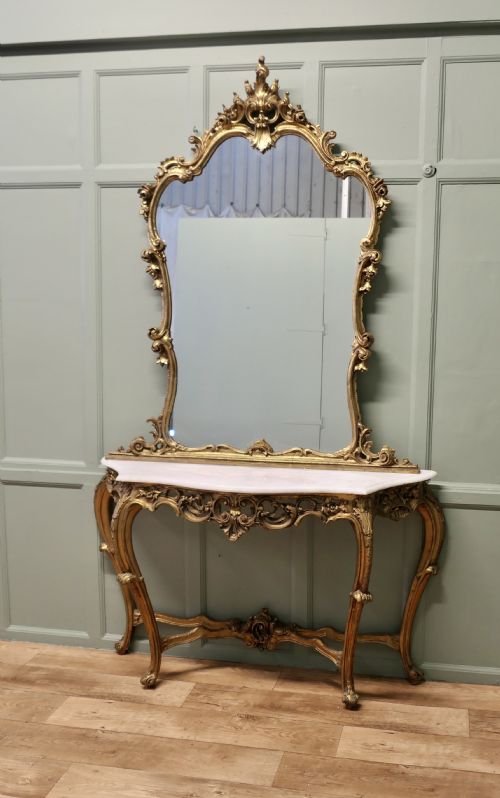
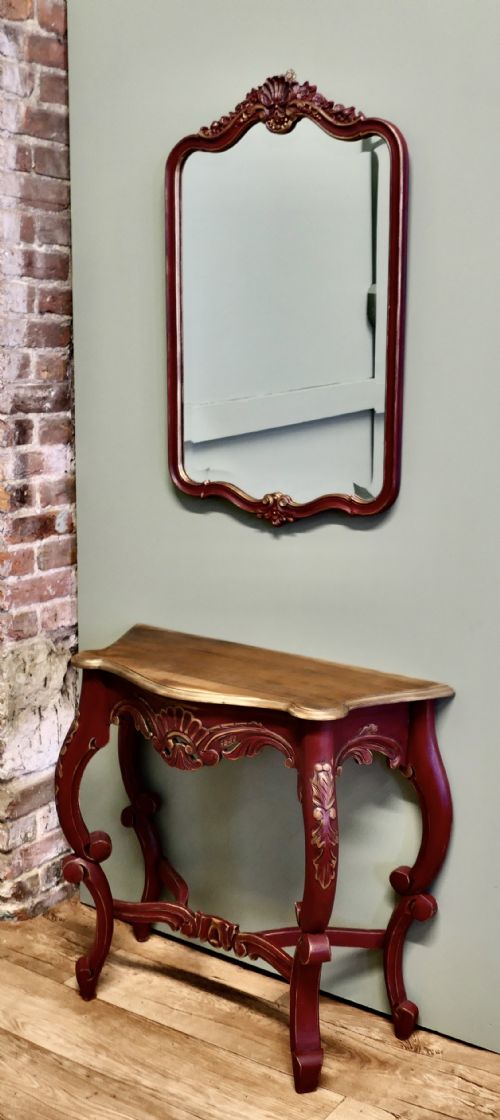
The most common examples on this page unite storage and reflection, such as dressing tables with pivoting plates, console tables paired with pier mirrors, and hall stands fitted with coat hooks and umbrella wells alongside hat plates. Materials range from solid mahogany and pollard oak to burr walnut, bamboo, and rosewood, reflecting stylistic shifts from Rococo Revival and Regency to Arts & Crafts and Art Deco.
Materials and construction methods
Cabinetmakers utilised hardwoods like mahogany, oak, walnut, and rosewood, frequently applying burr walnut or birdsye maple veneers to create striking figure on larger surfaces such as sideboard backs and dressing table drawers. Parquetry, marquetry, and parcel gilding often embellished the timber frames to enhance visual interest.
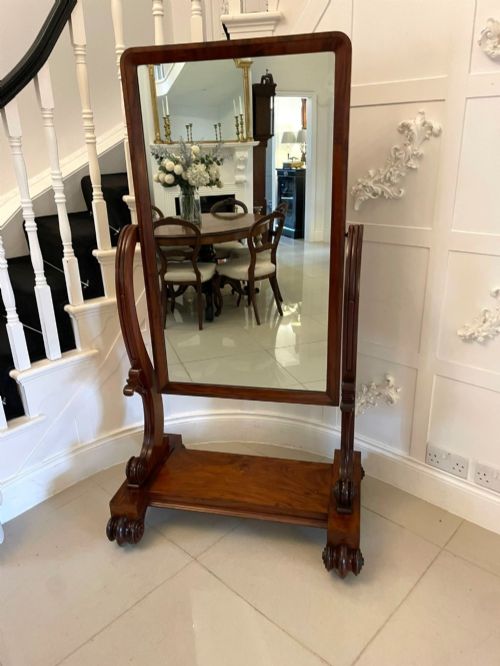
Mirror glass was set into rebated wooden frames, sometimes supported by adjustable brass pivots on cheval mirrors or secured behind carved pediments on console sets. Joinery techniques varied from traditional dovetailing in drawer construction to sturdy pegged mortise and tenon joints found in oak hall stands and Arts & Crafts wardrobes.
Listings feature items from the 18th Century through the 1930s, constructed in mahogany, oak, walnut, rosewood, and bamboo.
Judging quality in mirrored furniture
The standard of a piece rests on the integration between the wooden furniture base and the mirror component, observing whether the mirror plate appears original or replaced. Superior examples demonstrate harmonious proportions where the weight of the frame balances the scale of the glass.
Detailing in the timber work distinguishes finer pieces, such as hand-carved mahogany scrollwork, crisp parcel gilding, and precise geometric inlay work in satinwood or boxwood. Maker attribution, seen in pieces originating from workshops like Liberty & Co. or James Shoolbred, also elevates the standing of an item.
Leonard Wyburd·Liberty & Co.·Shapland & Petter
The Antique Furniture Mirrors Glossary
- Pier mirror
- A tall mirror designed to hang on the wall between two windows, frequently positioned directly above a matching console table.
- Cheval mirror
- A freestanding full-length mirror mounted on a vertical swivel frame supported by four feet.
- What not
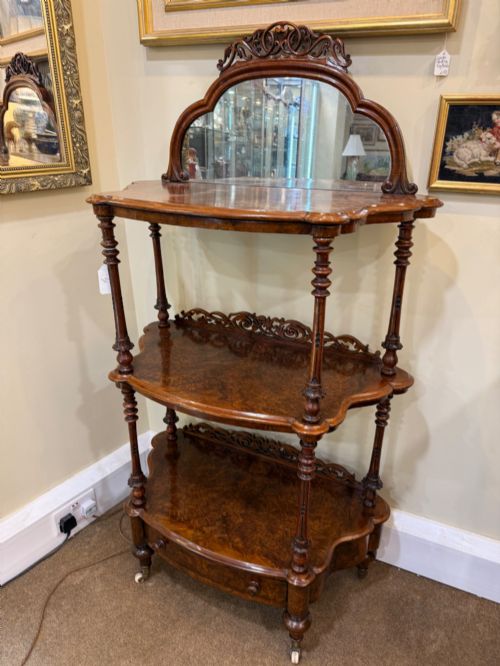
- A set of open shelves for displaying small ornaments or books, occasionally incorporating mirror panels or small upper cabinets.
- Enconchado
- A decorative technique utilising mother-of-pearl inlay embedded into painted panels, seen on Spanish colonial pieces.
- Washstand
- A wooden chamber piece designed to hold washbasins and pitchers, sometimes featuring a tiled splashback and integrated mirror.
Antique Furniture Mirrors: Frequently Asked Questions
Are mirror plates original on these pieces?
Many older pieces retain their original glass, which often exhibits characteristic foxing, minor dark spots, and slight distortions from historical manufacturing methods.
Replacement glass appears clearer and lacks these subtle imperfections, though owners frequently swapped damaged plates during the nineteenth and twentieth centuries.
Where should I place a console table and mirror set?
These matched sets work best in entrance halls, reception rooms, or dining spaces where they maximise natural light and create an immediate sense of scale.
Ensure the wall fixings securely support the weight of the mirror before hanging it directly above the console table base.
How do I date a mirrored sideboard?
Examine the secondary woods inside drawer linings, the style of the hardware handles, and the joinery methods used to construct the carcass and back panels.
Victorian pieces often feature heavy carved mahogany or pollard oak with mirror backs, whereas Edwardian and later examples tend toward lighter inlaid timbers.