
Antique Furniture Lamp Table
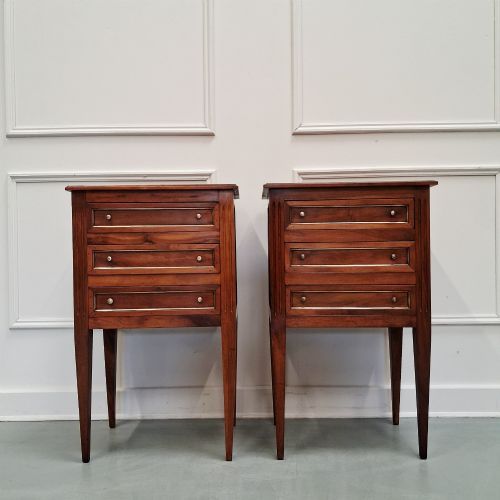
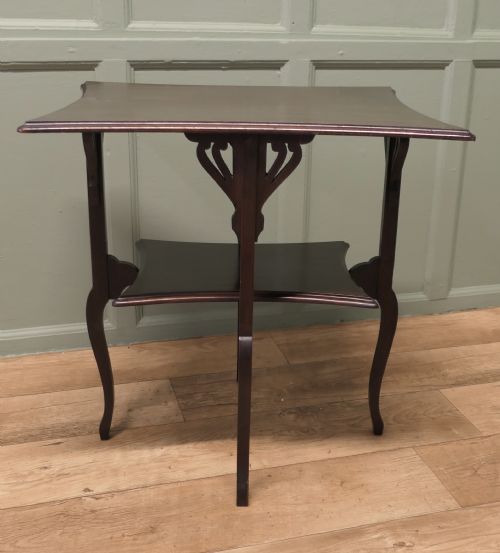
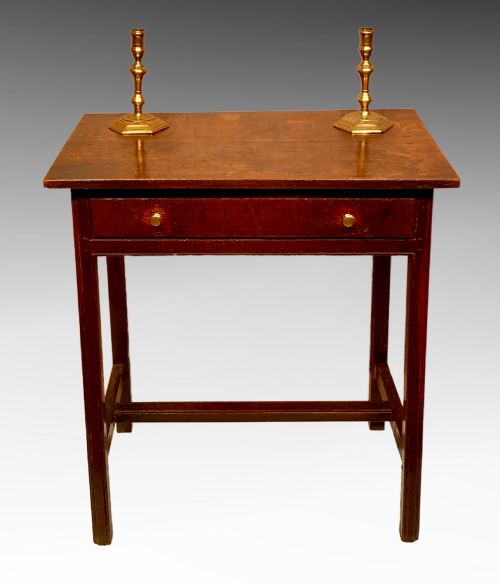
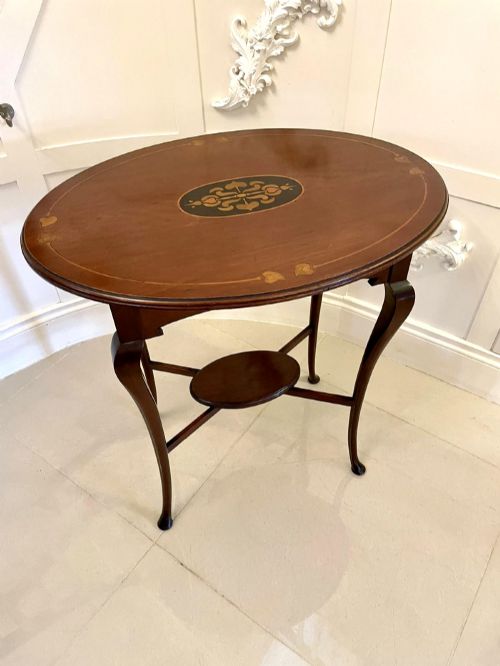
An antique furniture lamp table provides a sturdy surface beside a chair, coming in forms from Georgian oak to Edwardian mahogany.
Antique Furniture Lamp Table
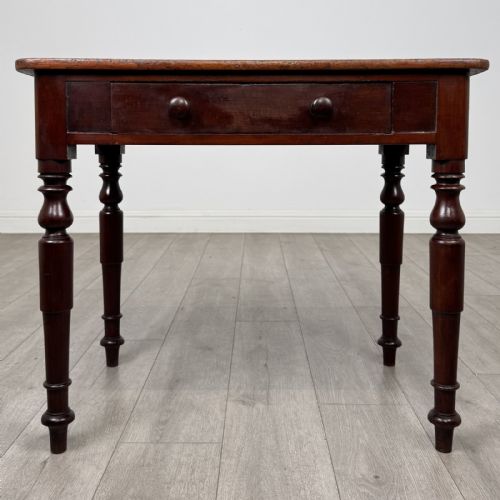
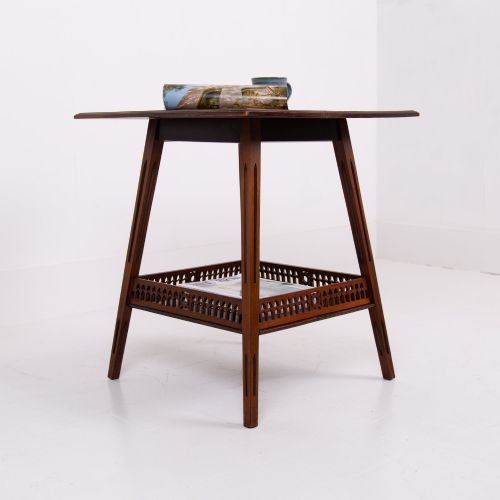
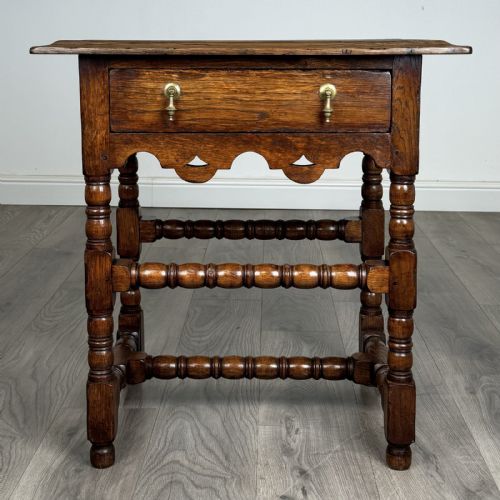
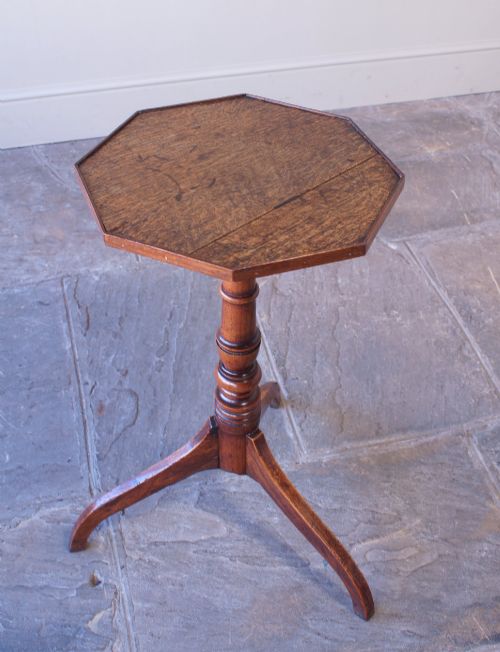
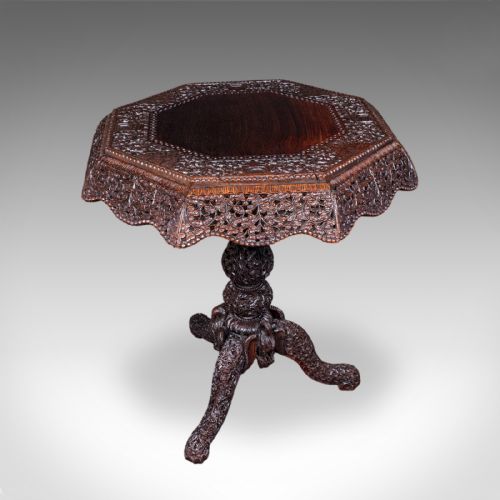
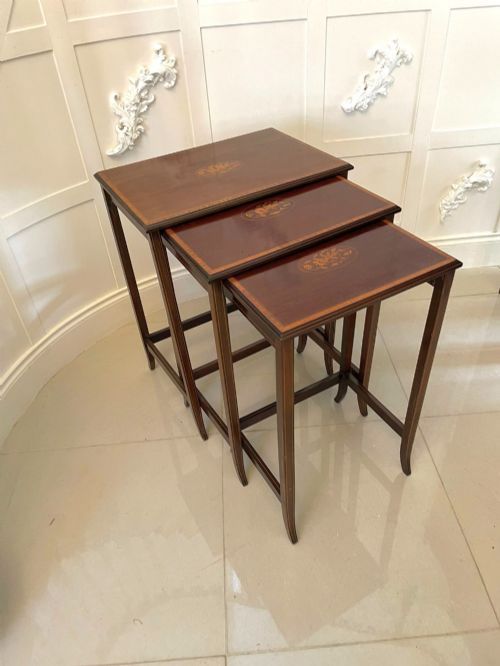
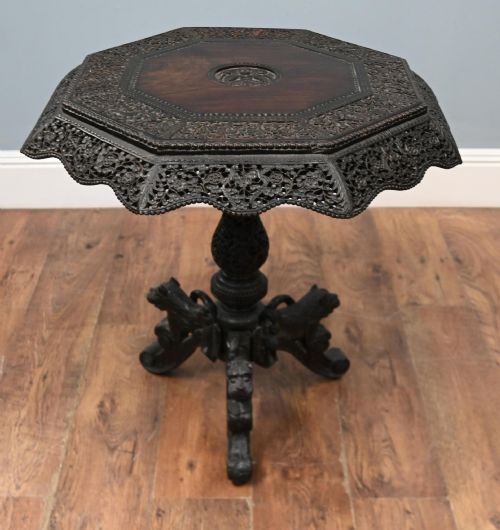
An antique furniture lamp table encompasses a diverse group of smaller surfaces designed to hold lighting and objects within a room. When exploring this selection, buyers frequently encounter side tables, occasional tables, nests of tables, wine tables, and centre tables spanning centuries of craftsmanship.
The historical span represented in these pieces stretches from 18th-century country walnut and Georgian oak through to Victorian burr walnut, Edwardian satinwood, and later 1930s designs. Origins range widely across British workshops, French ateliers, and colonial Burmese production in teak and hardwoods.
Form follows utility across the selection, accommodating everything from multi-tiered lamp stands and bedside surfaces to kidney-shaped occasional tables and freestanding centrepieces. Domestic interiors relied on these adaptable items for daily convenience, resulting in surviving examples tailored for reading, writing, and displaying decorative items.
Materials and Construction
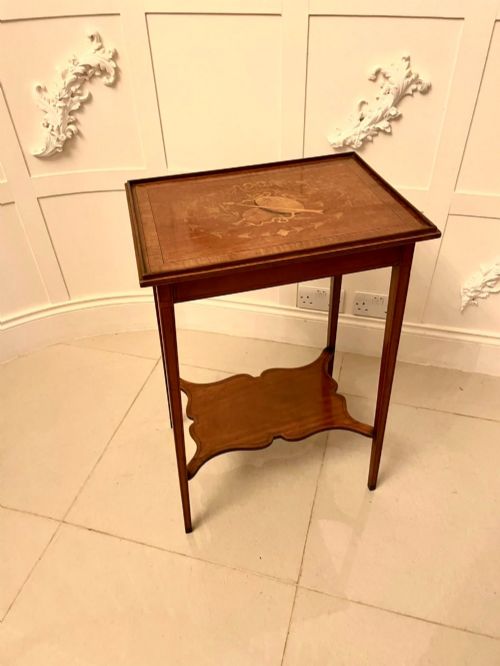
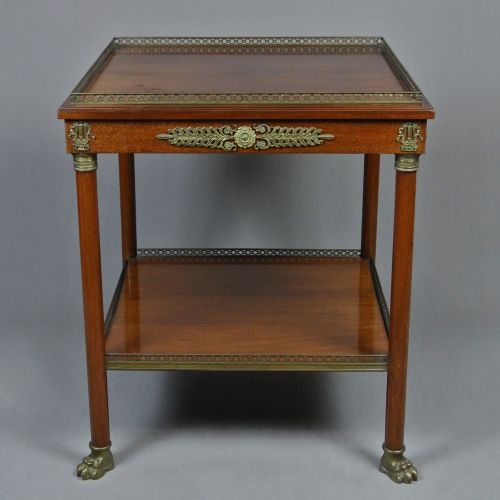
Cabinet makers utilised dense hardwoods such as mahogany, walnut, oak, and satinwood, often selecting figured veneers like burr walnut or kingwood for prominent surfaces. Structural integrity relied on traditional joinery, while decorative impact was achieved through marquetry inlay, boxwood stringing, and applied ormolu mounts.
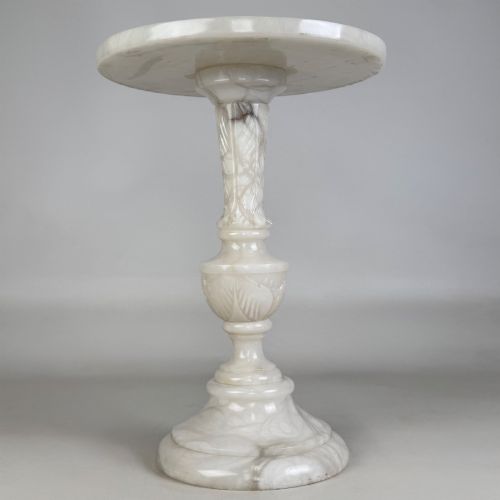
Turned elements, carved bases, bobbin legs, and cabriole supports demonstrate the structural repertoire of period artisans working in wood. Surfaces were finished with polish or lacquer, occasionally incorporating marble tops, leather inserts, or brass fittings to enhance durability and appearance.
One unexpected Victorian bamboo table proves that even hollow grass stems could be pressed into service for afternoon tea.
Assessing Craftsmanship
The division between standard utility pieces and finer examples rests on the selection of timber and the precision of the joinery. Superior items display carefully matched veneer grains, crisp carving on legs and pillars, and well-integrated secondary timbers within drawer construction.
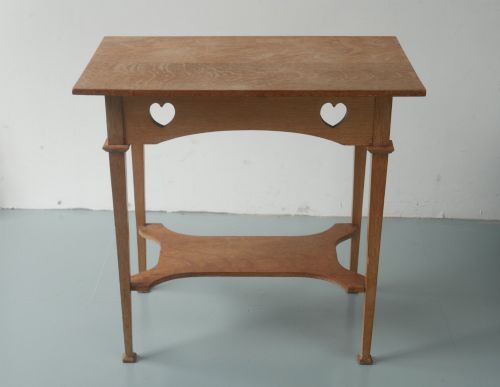
Design ambition separates basic tables from works by notable makers who incorporated intricate marquetry, Ormolu mounts, or specialised mechanisms like lift tops and multi-tiered shelving. The cohesion of style, whether Regency, Art Nouveau, or Arts and Crafts, determines the visual weight and authority of the piece.
James Shoolbred·Francois Linke·Trevor Page & Co
The Antique Furniture Lamp Table Glossary
- Occasional table
- A small, movable table designed for various intermittent uses around a living space. These pieces adapt easily to changing domestic arrangements.
- Inlay
- A decorative technique where pieces of contrasting timber, such as satinwood or boxwood, are fitted into the surface to create patterns. This method highlights the skill of the cabinet maker.
- Ormolu
- Gilded bronze mounts applied to the corners, legs, or aprons of finer furniture, particularly French pieces. It provides a metallic contrast to dark woods like kingwood and walnut.
- Cricket table
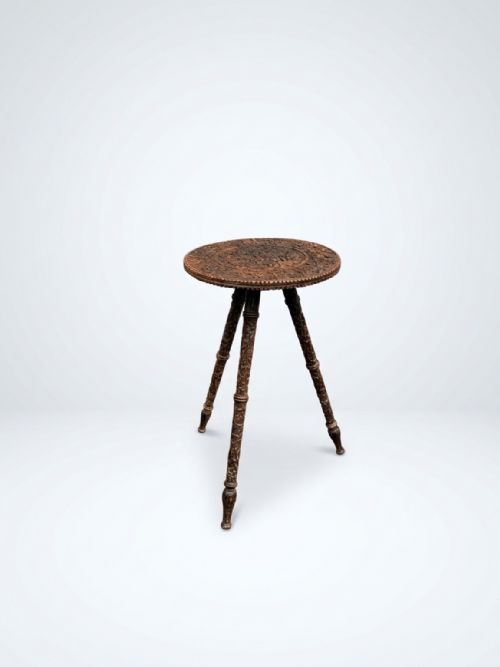
- A small, three-legged circular table, typically constructed from oak with pegged joints. This sturdy vernacular form originated in early English country houses.
- Tiered table
- A piece featuring multiple stacked surfaces supported by columns or uprights, designed to maximise display area within a compact footprint.
Antique Furniture Lamp Table: Frequently Asked Questions
How were lamp tables originally used?
These tables served primarily to hold lighting devices such as oil lamps or candlesticks near seating areas. Their portable nature allowed residents to move them beside reading chairs or desks as daylight faded.
Over time, households repurposed them to hold books, tea services, and decorative items. Their compact dimensions ensured they fitted easily into corners or beside upholstery without dominating the room.
How do I distinguish Edwardian pieces from Victorian ones?
Victorian examples often feature heavier proportions, dark burr walnut or mahogany veneers, and rich, deep polishing. Carved ornamentation tends to be dense and robust.
Edwardian pieces generally exhibit lighter framing, brighter satinwood or mahogany surfaces, and refined stringing inlay. The aesthetic reflects a shift toward airier domestic spaces and graceful tapered or cabriole legs.
Are these tables suitable for modern living rooms?
Their modest proportions make them exceptionally practical for placing beside contemporary sofas and armchairs. They provide functional surface area without requiring substantial floor space.
Integrating antique wood tones adds texture and historical contrast to modern interiors. They work effectively as isolated accent pieces or paired as matching bedside surfaces.
What defines a wine table?
Wine tables are small, single-pillar tables traditionally topped with a circular or shaped wooden surface. They were designed to hold glasses and bottles during evening gatherings.
Many feature tilting mechanisms on the central column, allowing the top to be stored vertically against a wall when not in use. Their tripod bases provided stability on uneven historical flooring.