





Antique Furniture Accessory
These antique furniture accessory pieces span Georgian and Victorian periods, bringing functional hearth and domestic hardware into modern rooms.
Antique Furniture Accessory
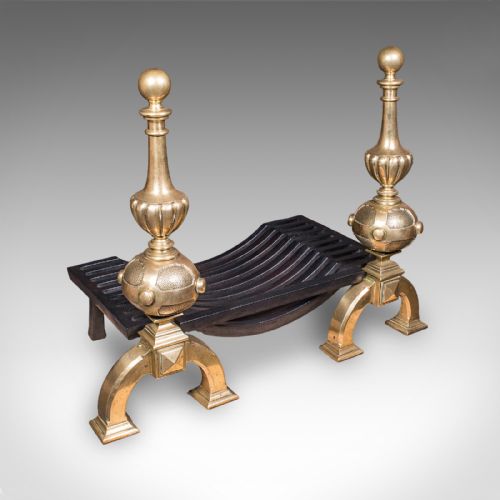
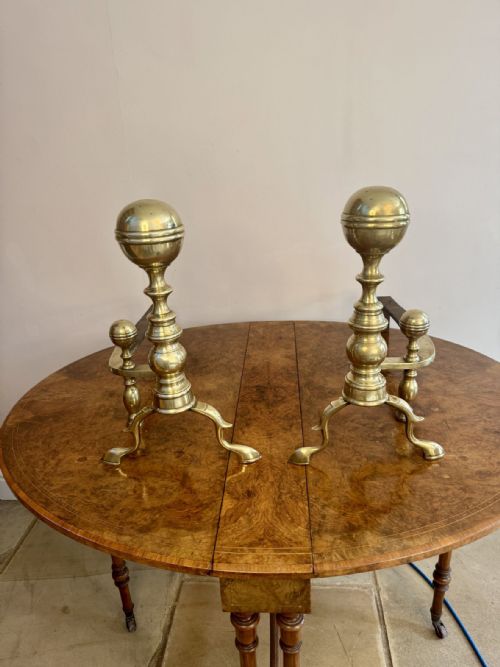
An antique furniture accessory encompasses practical items designed for domestic use, spanning Georgian, Victorian, and Edwardian eras. Buyers searching for an antique furniture accessory most frequently encounter brass andirons, footmen, and coal scuttles used around the hearth.
The selection ranges from iron fire baskets and door finger plates to smoking stands and hat boxes. These domestic additions served specific daily functions in period homes, from warming rooms to managing footwear and tobacco.
How they were made
Makers utilised durable metals like brass, cast iron, steel, and copper, often shaping them through casting and forging. These materials provided the necessary strength for items exposed to hearth heat and daily domestic wear.
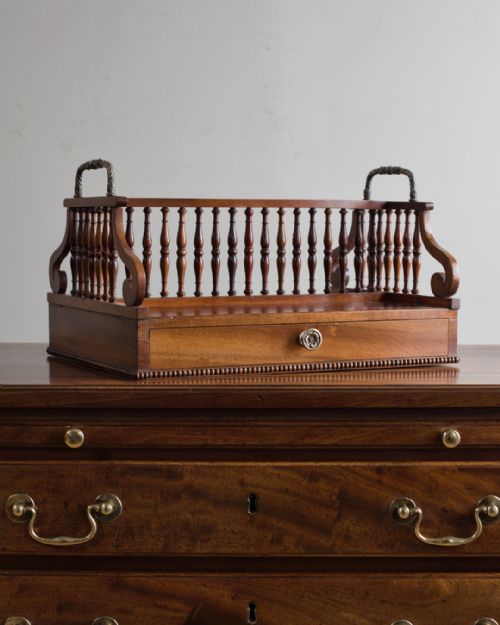
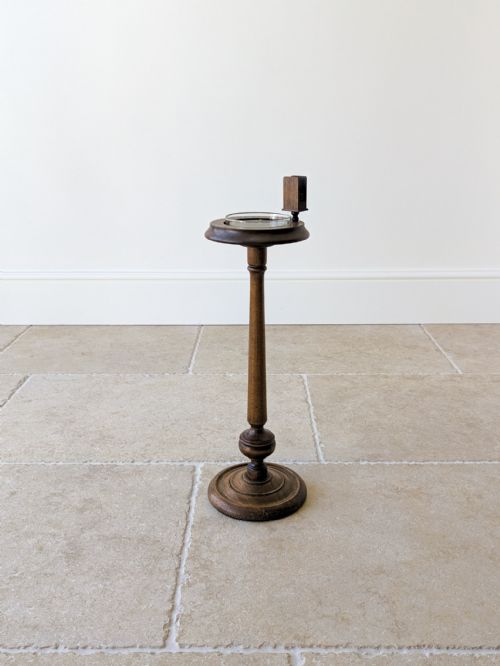
Mahogany and oak appear in larger wooden pieces such as dumb waiters, floor-standing smoking stands, and leather-covered hat cases. Construction methods combined robust joinery with fine metal fittings to endure frequent handling.
Antique Furniture Accessory Retail Price Guide 2026
Typical asking prices for furniture accessory among the pieces listed under this phrase on Sellingantiques today, from the lower quarter to the upper quarter. They describe what is for sale here now, not the wider market.
Some officers required dedicated leather top hat boxes and boot jacks to maintain appearances on campaign.
What varies in quality
Quality reveals itself in the weight of the metal and the crispness of cast or chased ornamentation on brass fire dogs and footmen. Superior examples display careful finishing by hand, whereas lesser items show simpler, heavier moulding with minimal surface detail.
In wooden and leather pieces, the grade of timber and the preservation of original hardware separate standard items from finer workshops. Maker attribution, such as work originating from Gillows of Lancaster or Orme and Sons, elevates the standing of an item.
JW Allen·Orme and Sons·Gillows of Lancaster
The Antique Furniture Accessory Glossary
- Andirons
- Support irons placed in a fireplace to hold logs above the hearth floor. They often feature decorative brass or cast iron fronts.
- Footman
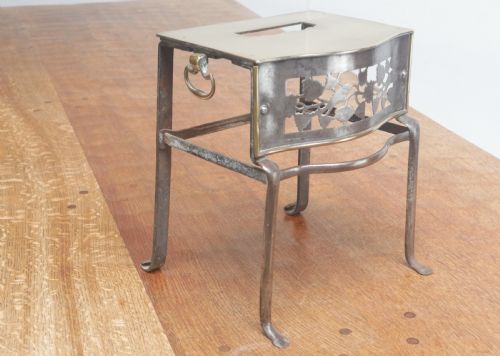
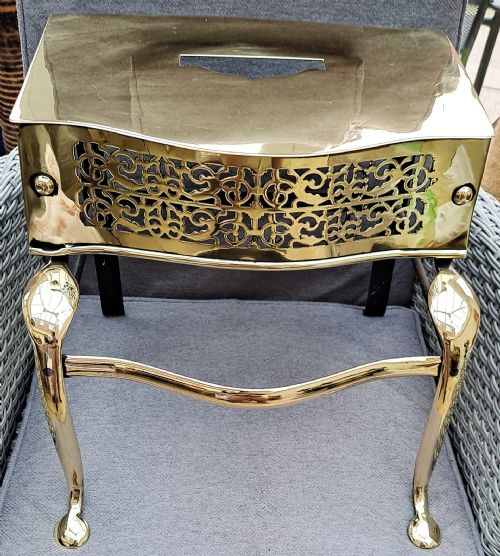
- A metal stand placed beside or over the fire to keep dishes warm. These are typically constructed from brass and steel.
- Chenets
- An alternative term for andirons or fire dogs. They frequently display Baroque or Regency style ornamentation.
- Cellarette
- A lockable container used for storing wine bottles near the dining table. These are often made from mahogany during the Georgian period.
- Door Finger Plate
- A protective metal plate fixed to a door around the handle to prevent staining. Arts and Crafts examples often show detailed brass work.
Antique Furniture Accessory: Frequently Asked Questions
What counts as an antique furniture accessory?
This category includes smaller functional items used around the home, particularly hearth equipment, door hardware, and smoking stands.
Items date from the Georgian, Victorian, and Edwardian periods, constructed in brass, iron, mahogany, and leather.
How do I identify Georgian brass footmen?
Georgian footmen combine a brass top plate with iron legs, often featuring pierced decoration and cabriole supports.
They were designed to sit near the fireplace for warming food or heating plates.
What materials were used for coal scuttles?
Makers utilised solid brass, copper, and iron to construct durable coal scuttles and helmet buckets.
Victorian examples frequently display embossed decoration and sturdy handles for daily hearth service.
Where were andirons placed?
Andirons sit inside the fireplace hearth to elevate logs and improve air circulation beneath the fire.
Paired sets often feature ornate brass or gilt fronts matching the style of the period.