

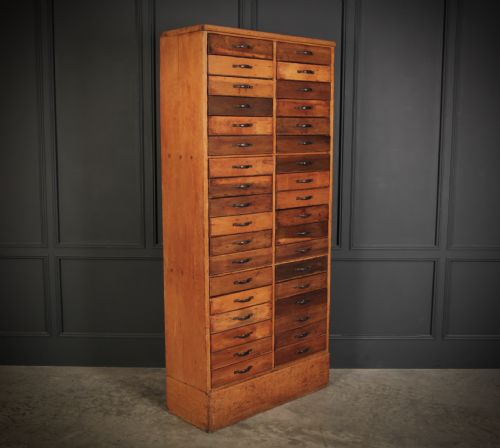


Antique Fruitwood Cupboard
An antique fruitwood cupboard brings warmth and local character to a room, offering practical storage fashioned from timber with a distinctive grain.
Antique Fruitwood Cupboard
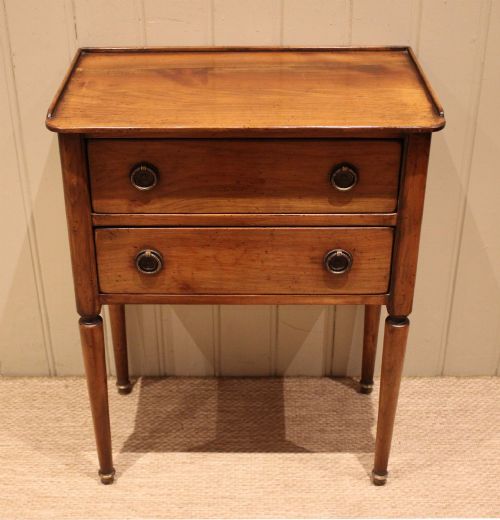
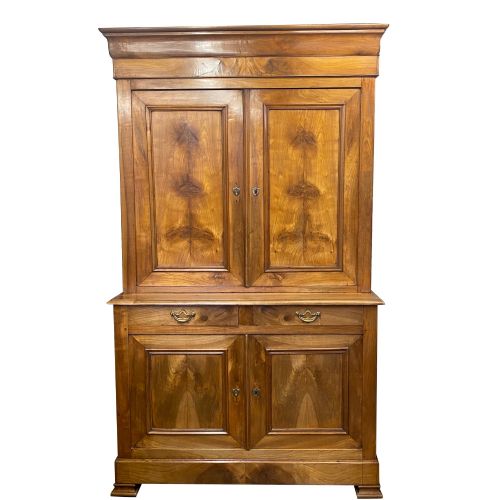
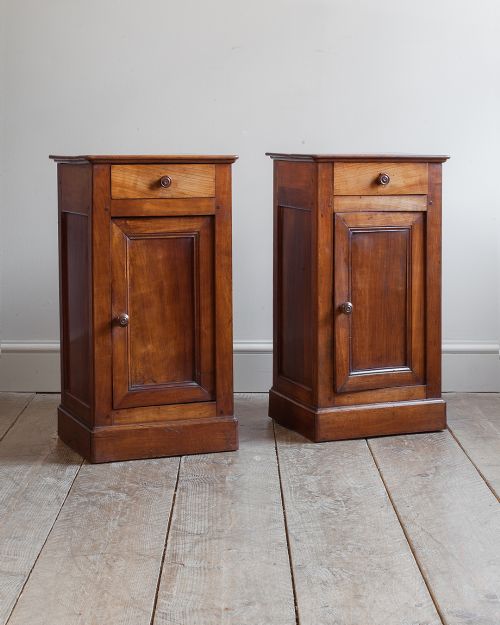
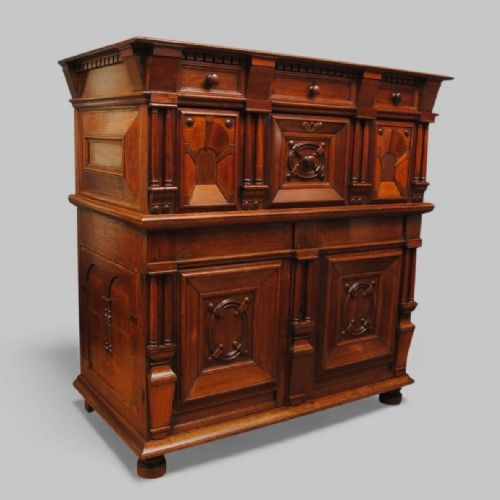
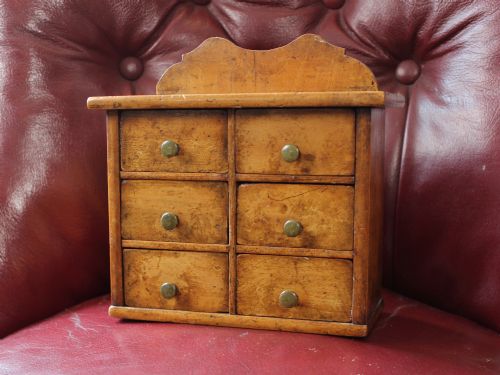
An antique fruitwood cupboard encompasses various forms from bedside tables and wardrobes to housekeepers cupboards, spice cabinets, wall cabinets, haberdashery cabinets, and general storage chests. These pieces span the 17th century through to the 1930s, drawing upon English, French, and Dutch origins.
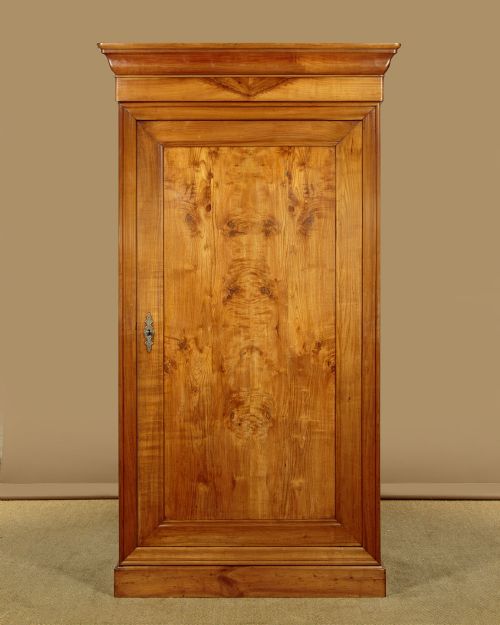
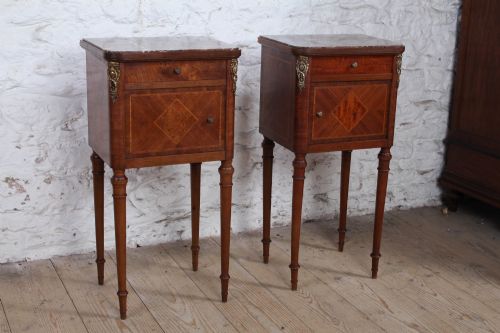
The version most likely to meet you on this page is the French storage piece, typically rendered in solid cherry wood or burr and fruitwood veneer. Such examples often feature provincial designs, sometimes paired with marble tops or executed as bedside cabinets and tall dressers.
Materials and construction methods
Cabinet makers utilised fruitwood alongside complementary timbers like oak, walnut, cherrywood, and cherry wood, often enhancing surfaces with brass and iron hardware. Marquetry inlay, snakewood decoration, and burr veneers demonstrate the decorative techniques applied to these cabinets.
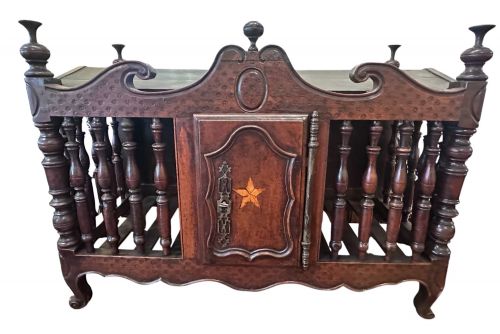
Construction methods range from robust two-part housekeeper configurations and panelled bread cages to intricate inlaid dressers and multi-drawer spice units. Structural integrity relies on traditional joinery suited to domestic and commercial utility across multiple centuries.
Antique Fruitwood Cupboard Retail Price Guide 2026
Typical asking prices for fruitwood cupboard among the pieces listed under this phrase on Sellingantiques today, from the lower quarter to the upper quarter. They describe what is for sale here now, not the wider market.
Listings feature items from the 17th century through to the 1930s, incorporating French Provincial, Jacobean, and Victorian country styles.
Distinctions in quality and execution
The standard of a piece rests upon the selection of timber, where rich natural patination and pleasing colour separate superior surfaces from plain ones. Skill in marquetry inlay and veneer work also elevates certain cabinets above standard utility items.
Proportion and form dictate the architectural success of the cupboard, distinguishing provincial vernacular work from refined urban pieces. Well-integrated additions like original marble tops or subtle decorative details enhance the overall character without appearing laboured.
The Antique Fruitwood Cupboard Glossary
- Fruitwood
- Timber sourced from fruit-bearing trees such as pear, apple, or cherry, prized for its fine grain and warm tone. It was frequently utilised by provincial makers for furniture.
- Marquetry
- Decorative inlay work where pieces of wood veneer are fitted together to form geometric or pictorial designs. This technique ornaments the surfaces of select cabinets.
- Panetiere
- A traditional French bread cage featuring turned spindles or open griles to allow air circulation around loaves. These wall-mounted or freestanding cupboards are characteristic of rural French design.
- Commode
- A low chest of drawers or cabinet originating in France, often finished with a marble top. Such pieces combine decorative presence with practical bedside or room storage.
Antique Fruitwood Cupboard: Frequently Asked Questions
What periods do these cupboards cover?
The pieces span a wide chronological range, appearing across the seventeenth, eighteenth, nineteenth, and early twentieth centuries. Georgian examples sit alongside Victorian country and French provincial designs.
Specific eras like the Louis Philippe period and the nineteen-thirties are also represented. This variety reflects changing domestic needs and regional cabinet-making traditions over hundreds of years.
Where were these cupboards made?
Origin points include English, French, and Dutch workshops, encompassing both rural countryside output and more formal urban production. French provincial items are particularly prevalent among these listings.
Regional differences in style, from Jacobean formality to French country utility, define the appearance of each piece according to its source.
How are different fruitwoods identified?
Identification relies on observing the grain pattern, natural colouration, and density of the timber used in construction. Cherrywood and general fruitwood veneers display distinct warm tones that deepen over time.
Cabinet makers often combined these timbers with oak or walnut, making close inspection of secondary woods helpful for dating and provenance.
How do I care for fruitwood furniture?
Maintenance involves keeping timber away from direct heat sources and sudden humidity changes to prevent movement in the wood. Regular dusting with a soft cloth preserves the natural patina.
Applying occasional appropriate wax feeds the surface without building up excessive residue, allowing the grain to remain visible.