

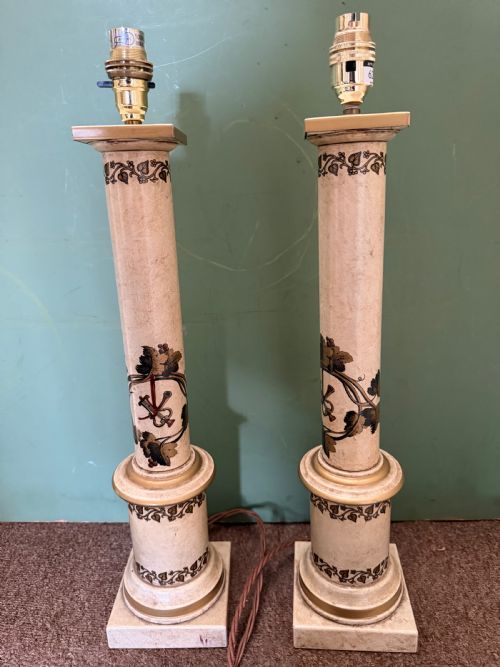


Antique French Tole Light
These antique french tole light pieces bring painted metal character and warm illumination to a room, drawing collectors who appreciate historic continental lighting.
Antique French Tole Light
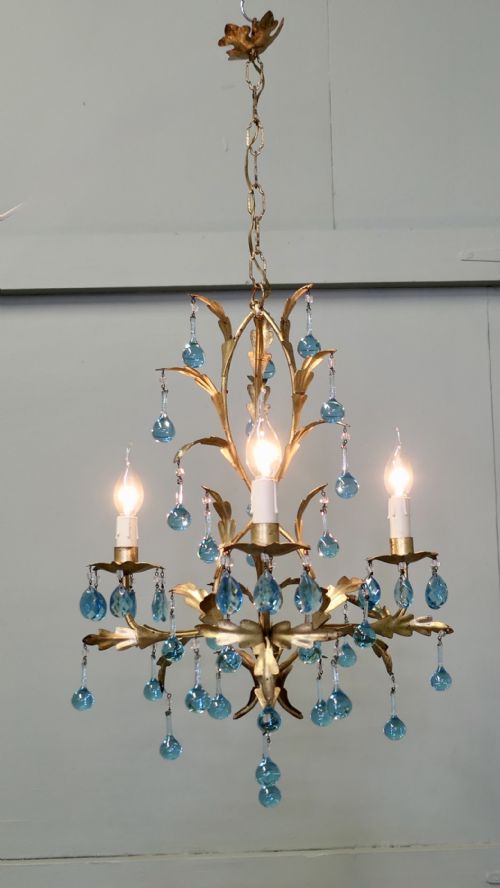
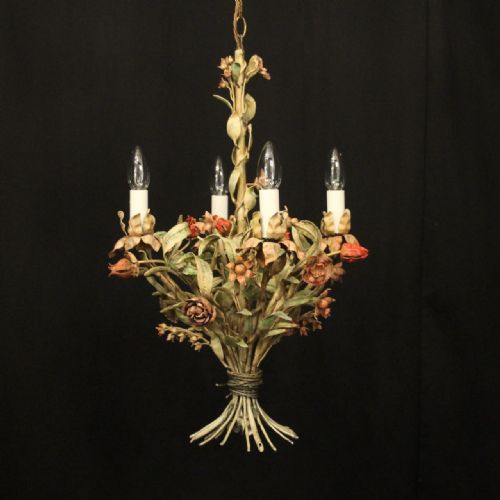
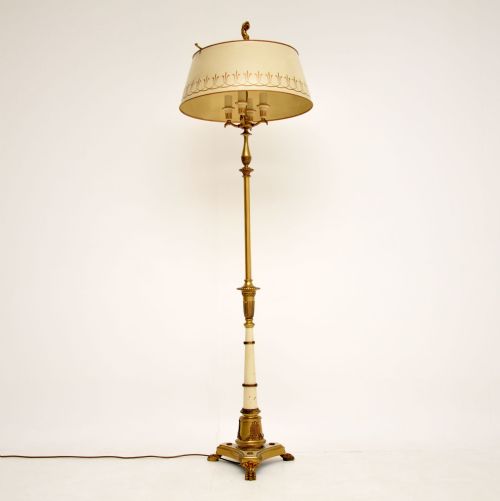
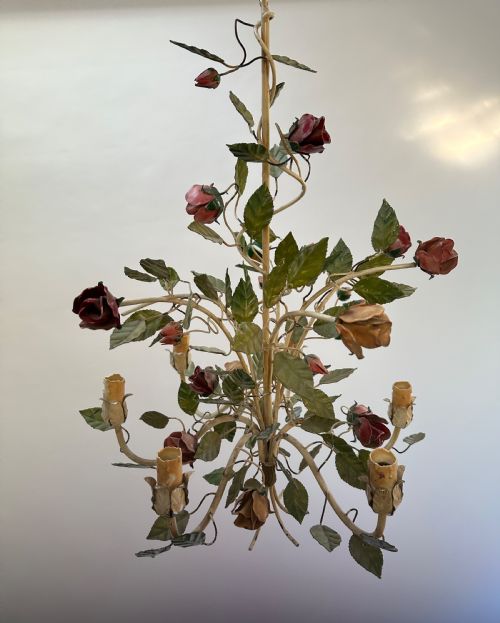
When searching for an antique french tole light, buyers encounter a diverse range of painted metal lighting fixtures originating from France across the nineteenth and early twentieth centuries. The selection encompasses table lamps, desk lamps, floor lamps, wall sconces, wall lanterns, and multi-bulb chandeliers designed to illuminate domestic interiors.
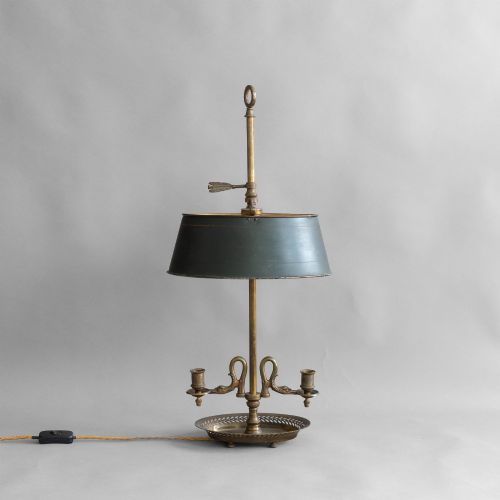
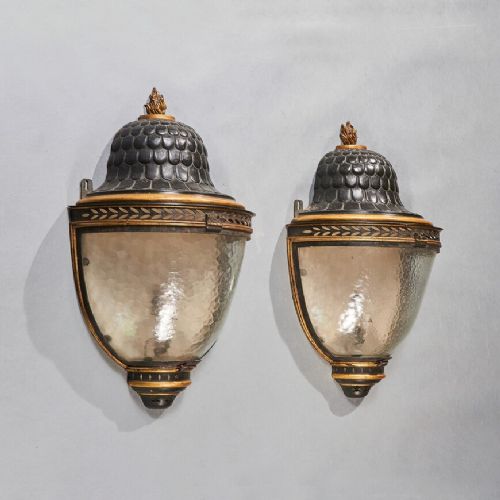
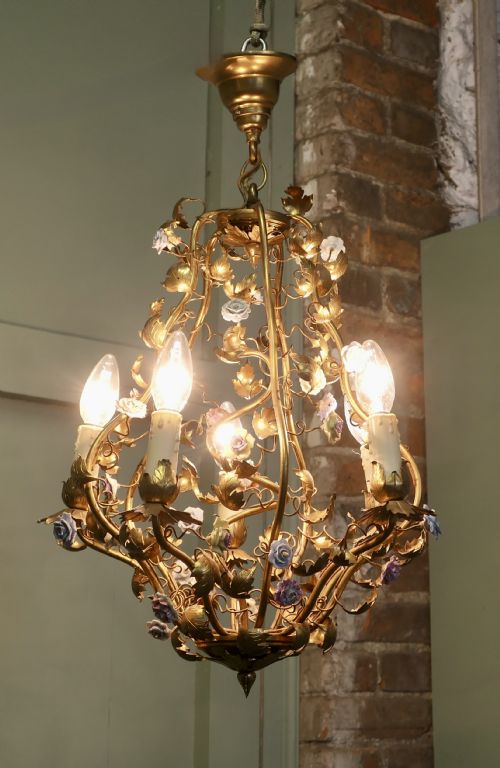
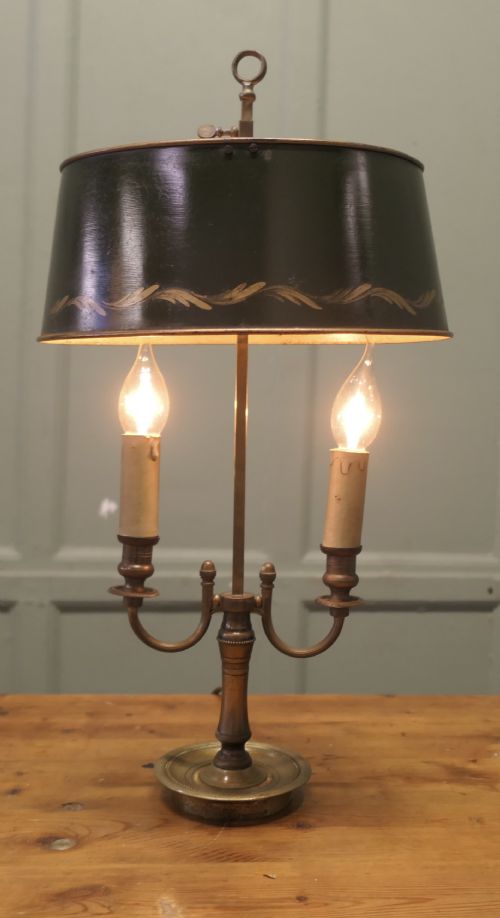
The most common variations appearing in these selections include multi-branch chandeliers, bouillotte desk lamps, and paired wall lights. These pieces often combine painted metal components with brass, bronze, crystal, or ceramic floral elements, reflecting traditional French craftsmanship from periods spanning the Victorian era through the early nineteen-twenties.
Materials and construction
Maker construction relies heavily upon sheet metal shaped into toleware or tole peinte, combined with structural elements of brass, bronze, gilt metal, and painted iron. Surfaces receive hand-painted polychrome finishes, often featuring green or turquoise tones alongside parcel gilt highlights.
Lighting configuration incorporates electrical fittings or candle sockets alongside secondary components of glass crystals, ceramic flowers, and silver plating. Metal arms and columns are assembled with threaded joints or soldered connections to support multiple light branches.
Listings feature items from the nineteenth century alongside pieces dated across the nineteen-tens and nineteen-twenties.
Distinctions in craftsmanship
Quality separates along the intricacy of the metalwork and the preservation of the hand-painted surface decoration. Pieces featuring detailed floral motifs, parcel gilding, and integrated crystal drops demonstrate higher artistic ambition than plain utilitarian examples.
The weight of the base metals, the fineness of the brass or bronze fittings, and the harmony of the overall proportions distinguish superior examples. Complete matching pairs of wall lights or lanterns also command greater appreciation among collectors.
The Antique French Tole Light Glossary
- Tole
- Painted sheet metal used in decorative objects and lighting fixtures. This material allows for vibrant colour application and shaped botanical forms.
- Bouillotte lamp
- An adjustable desk lamp featuring a central metal shade above a saucer-like tray base. It typically holds two, three, or four candle or bulb arms.
- Tole peinte
- Painted tinplate or sheet metal decorated with detailed brushwork. This technique characterises much of the floral and scenic ornamentation found on French lighting.
- Chandelier
- A branched ceiling-mounted lighting fixture designed to hold multiple bulbs or candles. Examples in this category often feature crystal drops and floral toleware elements.
- Gilt metal
- Metal treated with a gold-coloured finish or gold leaf application. It provides contrasting metallic highlights against painted tole surfaces.
Antique French Tole Light: Frequently Asked Questions
How do I style a bouillotte lamp?
Place the lamp on a desk, sideboard, or reading table where the adjustable shade can direct light downward.
Pair the brass and painted metal finish with traditional wooden furniture to highlight its historic character.
Where should wall lanterns be hung?
Mount these fixtures in hallways, dining rooms, or living spaces at eye level to create ambient illumination.
Ensure the wall space accommodates the projection of the bracket and the spread of the light branches.
What periods do these lights cover?
The pieces span from the nineteenth century through the early decades of the twentieth century, including Victorian examples.
Stylistic influences range from French Empire and Neoclassical designs to provincial Country aesthetics.
How do I care for painted metal?
Dust the surface gently with a soft, dry cloth to preserve the delicate polychrome paint and gilt highlights.
Avoid liquid cleaners and abrasive cloths that might damage the historic painted finish.