


Antique French Mannequin
An antique french mannequin brings genuine Parisian studio character and shop history into a modern interior.
Antique French Mannequin
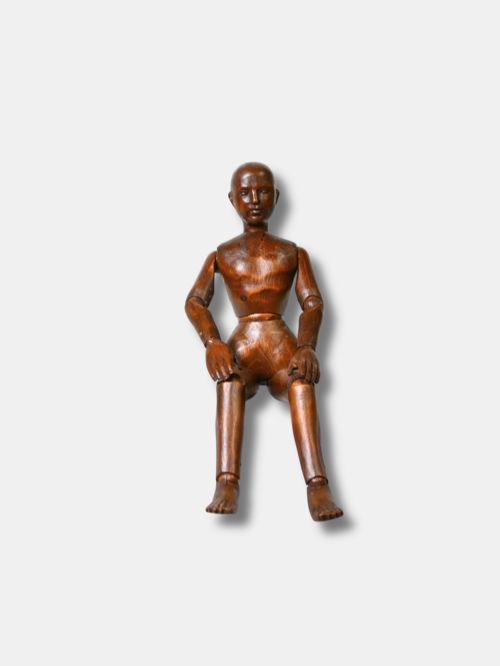
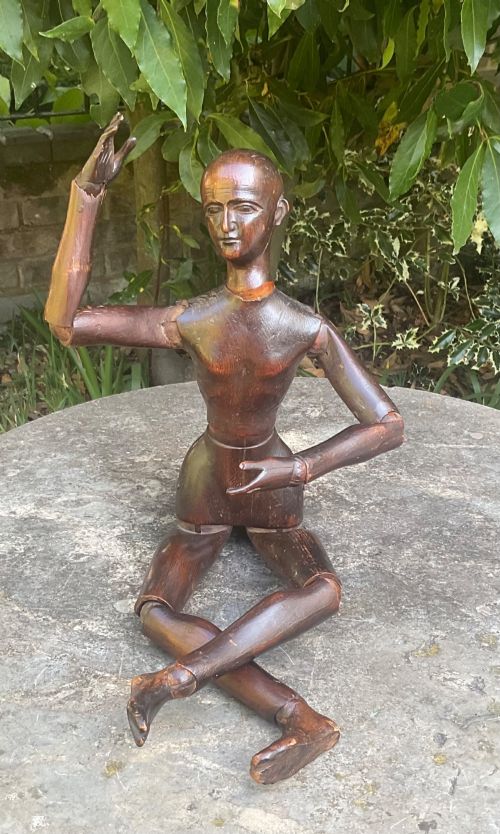
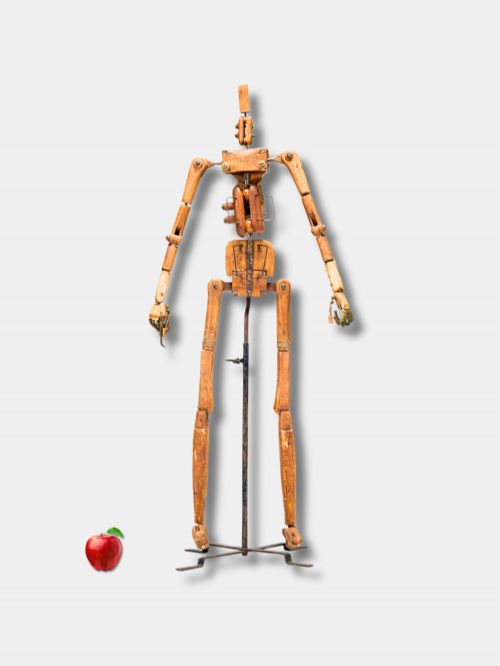
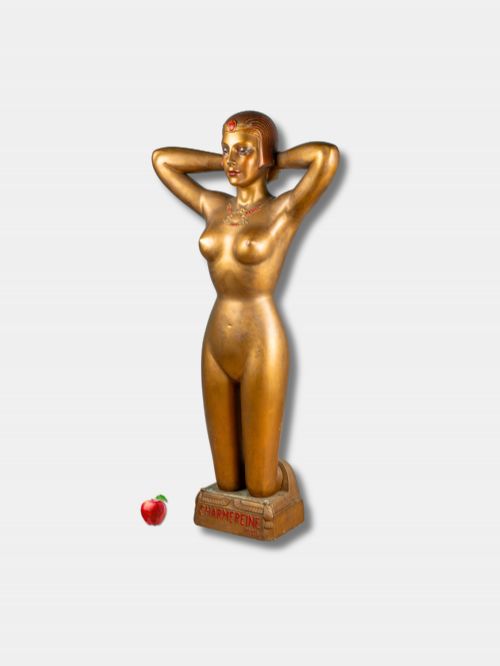
When you search for an antique french mannequin, you find pieces that span from the nineteenth century into the art deco period, taking forms ranging from artist lay figures to shop display dummies and lingerie advertising models. These items capture the practical work of nineteenth century ateliers alongside the commercial presentation of twentieth century Parisian shop windows.
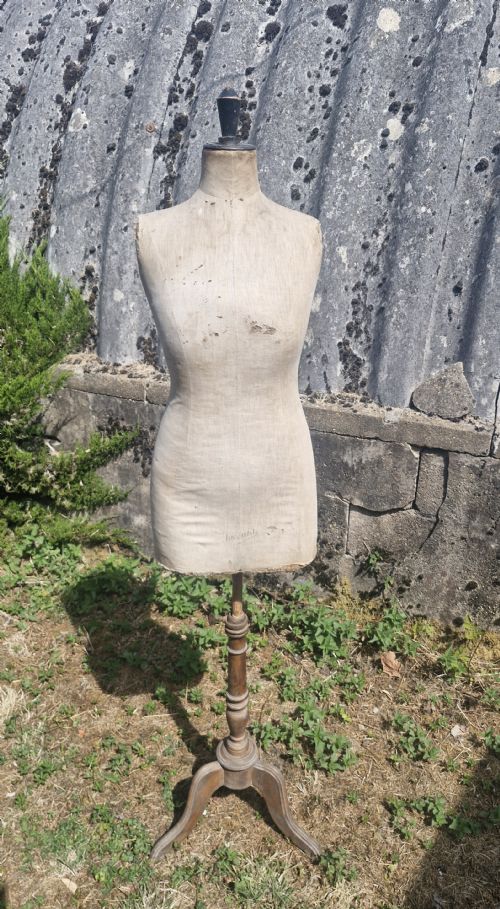
The most common examples you meet on this page are dressmaker dummies and shop mannequins originating from makers like Stockman of Paris, alongside smaller articulated figures used by artists. They appear in adult and child sizes, often mounted on wooden stands or heavy iron bases.
How They Were Made
Makers built these pieces using supportive frames of carved wood, iron, and plaster, overlaid with surfaces of natural linen canvas or painted terracotta. Fully articulated artist figures required precise joinery in wood to hold poses, while shop dummies relied on sturdy internal structures covered in durable cloth.
Surface treatments included hand-applied paint, stamped maker details, and fitted fabric coverings designed to withstand daily atelier and retail use.
Several listed figures come paired with their own vintage costume coats, ready to brave the Parisian chill.
What Varies in Quality
The distinction between standard commercial pieces and superior examples rests on the articulation of the joints, the integrity of the original linen or canvas covering, and the presence of maker stamps from notable Parisian houses. Fully articulated wooden artist figures with working joints represent a different level of craftsmanship compared to stationary shop display dummies.
Original mounts, such as heavy cast iron or turned wood stands, contribute significantly to the integrity of the piece, as do authentic historical garments or maker inscriptions preserved on the torso.
Francois-pierre Guillois·Charmereine·Stockman of Paris·Pierre Iman
The Antique French Mannequin Glossary
- Artist lay figure
- A wooden, articulated mannequin used by painters and sculptors to study drapery and human anatomy. These pieces feature functional joints held together by pegs or screws.
- Stockman
- A prominent Parisian maker of dressmaker dummies and shop mannequins. Their pieces often bear stamped identification marks on the wooden base or collar.
- Art deco
- A design style prominent around the 1920s and 1930s characterised by clean geometric lines and sleek forms. Mannequins from this period reflect contemporary fashion and advertising aesthetics.
- Dressmaker dummy
- A padded torso form used for fitting and altering garments. They typically stand on a tripod base and are covered in durable linen or canvas.
Antique French Mannequin: Frequently Asked Questions
How do I date an antique french mannequin?
Dating relies on stylistic markers, construction materials, and stamped maker details found on the torso or base. Pieces from the nineteenth century often feature hand-carved wooden articulation, whilst 1920s and 1930s examples lean towards shop advertising and specific Parisian makers.
Changes in silhouette, such as the Victorian bustle form or art deco styling, provide further chronological clues.
Can I use a dressmaker dummy for sewing?
Many antique dressmaker dummies retain their original padded linen structure, making them suitable for light display or pinning garments. However, historical forms may not match modern body proportions.
It is often best to treat them as decorative objects rather than working tools due to their age.
How do I clean a linen covered mannequin?
Maintenance requires gentle surface cleaning with a soft brush or a low-suction vacuum attachment to remove dust from the fabric. Avoid using water or chemical cleaners on aged canvas and linen.
Preserving the original patina ensures the historical character remains intact.
What is the difference between a lay figure and a shop mannequin?
An artist lay figure is typically smaller, fully articulated in wood, and designed for studying posture and drapery in the studio. A shop mannequin is usually life-sized, stationary, and built for displaying clothing or millinery in retail environments.
Both serve distinct purposes within nineteenth and twentieth century french craftsmanship.