





Antique French Entrance
An antique french entrance brings immediate architectural weight and period character to a property through grand doors, consoles and hardware.
Antique French Entrance
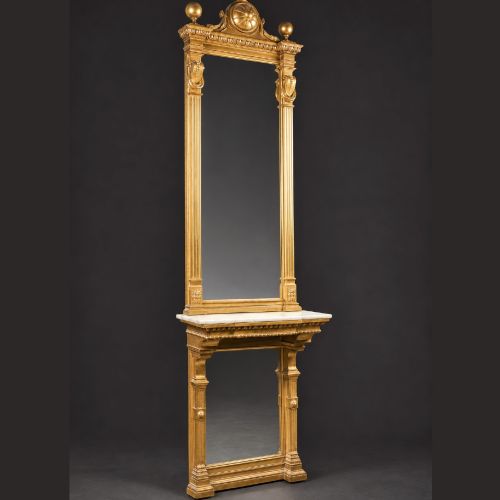
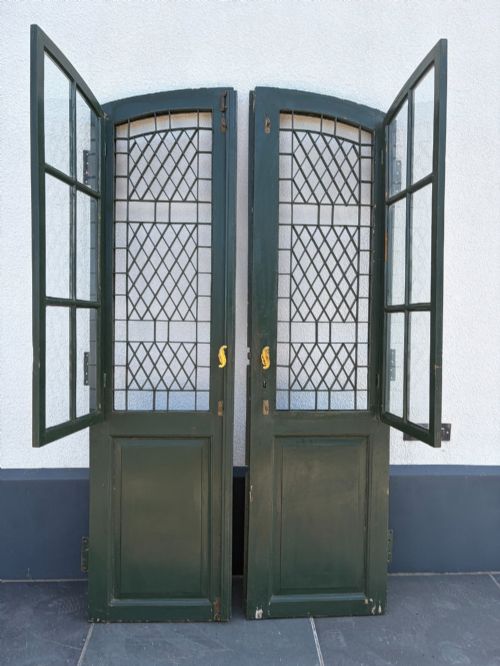
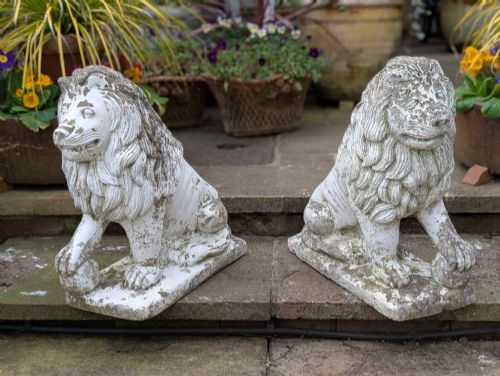
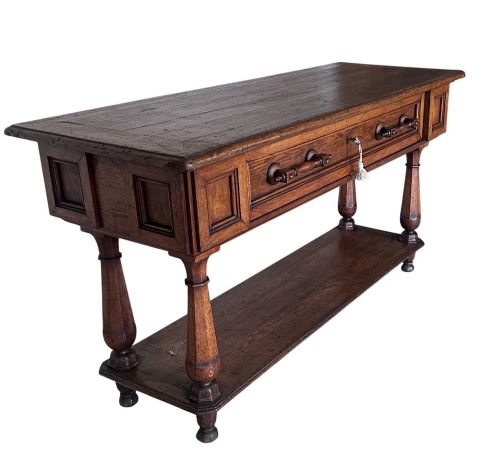
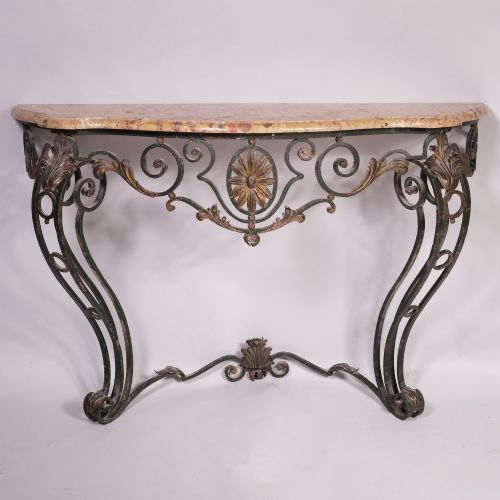
When you search for an antique french entrance, you are looking at architectural elements and furnishings that define a grand hallway or threshold. The selection spans robust oak doors, monumental pairs of garden statues, and striking console tables designed to anchor a foyer. These pieces originate from periods including the nineteenth century and the early decades of the twentieth century.
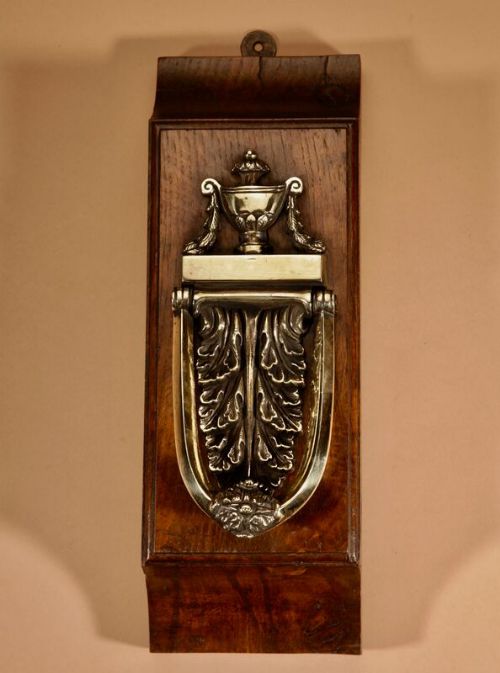
Console tables form a major part of what you meet, frequently topped with marble and paired with trumeau style mirrors or giltwood frames. You also encounter functional hardware such as brass door knockers and bronze door pull handles alongside substantial lantern lighting. Styles range from French Empire and Louis XVI Neoclassical to rustic French Provincial and geometric Art Deco.
Materials and construction methods
Makers utilised heavy timbers such as oak, mahogany, and pine to construct structural elements like doors and console tables. These woods often received painted finishes or clear polishes to highlight the natural grain.
Decorative hardware and mounts relied on cast brass, bronze, and ormolu, while heavy furnishings employed carved giltwood and serpentine marble tops. Cast stone and porphyry marble appear in monumental items such as garden statuary and centre tables.
Antique French Entrance Retail Price Guide 2026
Typical asking prices for french entrance among the pieces listed under this phrase on Sellingantiques today, from the lower quarter to the upper quarter. They describe what is for sale here now, not the wider market.
Materials across these listings span marble, glass, oak, mahogany, ormolu, giltwood, brass, and cast stone.
Distinctions in quality and execution
The standard of carving and metal casting sets the finest examples apart from standard production. Crisp detailing in giltwood mirrors, bronze door handles, and brass knockers indicates superior workshop skill.
The selection of materials also dictates quality, particularly the choice of marble for console tops, the weight of cast bronze in hardware, and the structural integrity of mature oak and mahogany timbers.
The Antique French Entrance Glossary
- Console table
- A table designed to stand against a wall, frequently featuring a marble top and supported by elaborate legs or brackets. These pieces often serve as the focal point in an entrance hall.
- Trumeau
- A decorative wall mirror or panel placed above a mantel or console table. It typically incorporates painted scenes or carved woodwork within the frame.
- Ormolu
- Gilded bronze used for decorative mounts on furniture and hardware. The technique involves applying a mercury and gold amalgam to cast bronze.
- Porphyry
- An igneous rock with large crystals, highly prized for its purple or red colour. It appears in high-end table tops and decorative objects.
- Giltwood
- Wood that has been coated with a thin layer of gold leaf. This finish is common on nineteenth-century frames and console tables.
Antique French Entrance: Frequently Asked Questions
Where were antique french doors used?
These doors served as grand exterior entrances or internal double doors within chateaux and townhouses. Pine and oak variants often feature arched tops designed to fit substantial stone openings.
When installing historic doors today, verify the dimensions against modern structural openings. Hardware such as bronze pull handles and brass knockers completes the functional setup.
What maintenance do marble console tops need?
Marble surfaces benefit from regular wiping with a damp cloth and mild soap to prevent staining. Avoid acidic cleaners that can etch the polished stone.
Consoles from the nineteenth century often feature serpentine or porphyry marble which requires gentle handling. Waxing the wooden bases helps preserve the original finish of oak or giltwood components.
How do I identify Louis XVI style?
Louis XVI style is characterised by a turn towards classical symmetry and straight lines following the more ornate rococo period. You will notice fluted legs, rectilinear forms, and classical motifs like acanthus leaves and ribbons.
Pieces bearing this influence often utilise brass and ormolu mounts alongside marble tops. This neoclassical approach provides a structured and restrained appearance.