


Antique French Enamel Box
An antique french enamel box is a small, decorative container for trinkets, pills or snuff, prized for its colourful artistry and metalwork.
Antique French Enamel Box
An antique french enamel box serves as a portable container for trinkets, pills, matches or jewellery. These small decorative vessels emerge from periods such as the nineteenth century, the Victorian era, the Edwardian period, and the nineteen twenties.
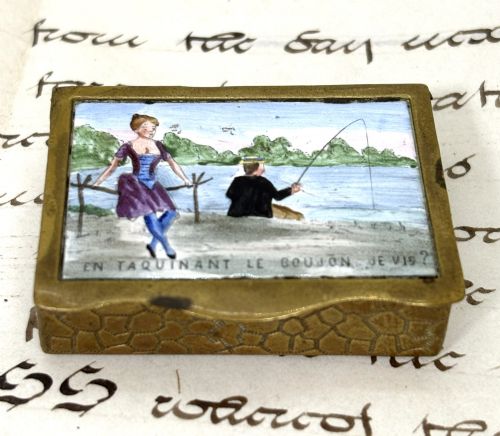
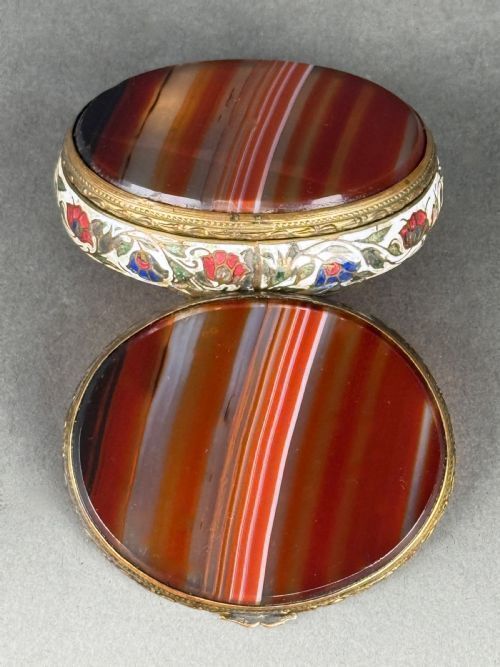
The objects take many forms on this page, including pill boxes, trinket boxes, jewellery caskets, snuff boxes, vesta cases, and dressing table jars. Examples range from brass and champleve enamel pieces to porcelain, glass, and gilt bronze containers.
Buyers encounter French Rococo Revival, Art Deco, French Empire, and Second Empire styles among the listings. The items often combine glass, banded agate, leather, or porcelain with painted or fired enamel panels.
How they were made
The construction of these pieces relies on metal frames of brass, gilt bronze, or silver that hold panels of glass, porcelain, or banded agate. Artisans applied enamel directly onto metal bases using techniques like champleve and guilloche to create patterned or colourful surfaces.
Hand painting frequently decorates the porcelain and enamel inserts, depicting figural scenes, portraits, or delicate floral motifs. Gilt detailing and bronze mounts finish the edges and hinges of the boxes, securing the fitted lids.
Listings feature 19th century, Victorian, Edwardian, and 1920s pieces in brass, glass, porcelain, and gilt bronze.
What varies in quality
The fineness of the hand painting on the enamel and porcelain panels distinguishes standard containers from superior examples. Crisp execution in champleve work and the weight of the underlying bronze, brass, or silver frame also separate the grades.
The integration of materials, such as clear glass paired with clean enamel work or solid silver mounts rather than plated brass, marks the upper tier of the range. Complete original boxes and well preserved hinged fittings elevate the standing of a piece.
Sevres·Limoges·Jean-Baptiste Isabey
The Antique French Enamel Box Glossary
- Champleve enamel
- A technique where troughs are carved into a metal surface and filled with enamel pigment before firing. This method creates bold patterns bounded by thin metal lines.
- Guilloche enamel
- Enamel applied over a metal surface that has been mechanically engraved with repetitive geometric patterns. The underlying engraving shows through the translucent coloured glass layer.
- Vesta case
- A small pocket box designed to hold matches and keep them dry. Many examples feature hinged lids and integrated striking surfaces.
- Casket
- A larger decorative box, often footed and mounted in gilt bronze or ormolu, used for storing jewellery or keepsakes. These pieces frequently incorporate porcelain plaques or glass panels.
- Ormolu
- A gilded bronze finish applied to metal mounts and decorative hardware. The technique gives a rich gold appearance to brass and bronze fittings.
Antique French Enamel Box: Frequently Asked Questions
What were antique french enamel boxes used for?
These small containers held personal items such as snuff, pills, matches, powder, or small trinkets. People carried them in pockets or displayed them on dressing tables.
Wealthy owners used them as fashionable accessories during social calls. The compartments kept delicate items secure and private.
How do I date an antique french enamel box?
Dating relies on the stylistic clues of the metal mounts, the framing materials, and the type of enamelwork. Victorian and nineteenth century pieces often feature ornate gilt bronze or champleve.
Later items from the nineteen twenties and nineteen thirties display Art Deco geometric chrome or guilloche designs. Hallmarks on silver mounts also help narrow down the period of production.
Are these boxes made of solid silver?
Some pieces utilise sterling silver or solid silver for their construction and mounts. Other boxes rely on brass, gilt bronze, or chrome frames.
The listings show a variety of base metals combined with enamel, glass, porcelain, and banded agate panels.
How should I clean my enamel box?
Dust the surface gently with a soft, dry cloth to remove particles. Avoid using harsh chemical cleaners or abrasive polishes on the enamel or gilt mounts.
Keep the box away from excessive moisture to protect the metal hinges and any interior fabric lining. Handle the lid carefully to preserve the original fittings.