




Antique French Embroidery
These antique french embroidery pieces bring tactile depth into a room, spanning framed silk pictures, needlework panels, and fitted sewing tools.
Antique French Embroidery
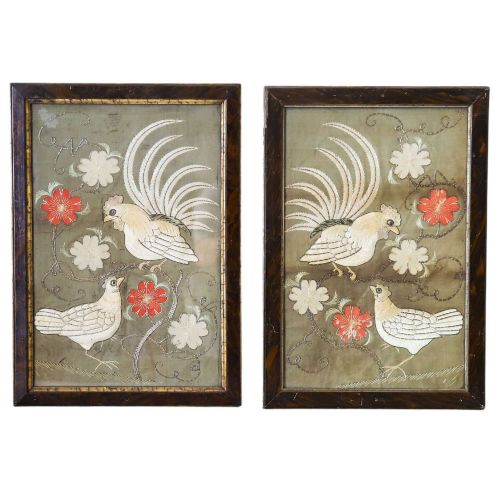
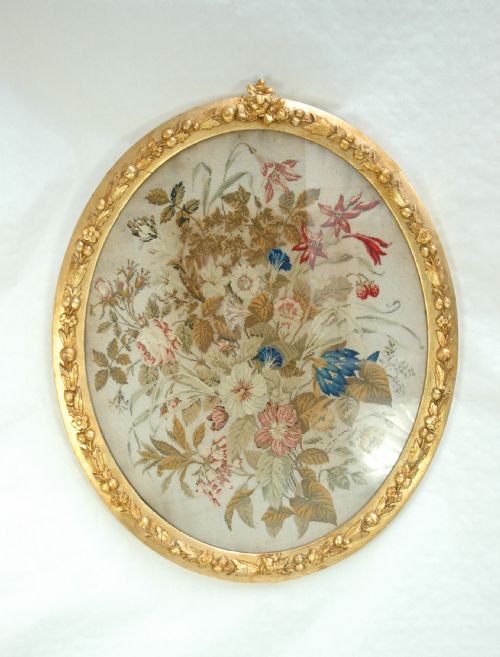
When searching for antique french embroidery, buyers encounter a diverse range of textiles, wall art, and sewing equipment spanning from the eighteenth century through to nineteen hundred. These pieces encompass framed silk embroideries, tapestry pictures, lace samplers, and needlework panels depicting subjects such as cockerels, hens, and historical figures.
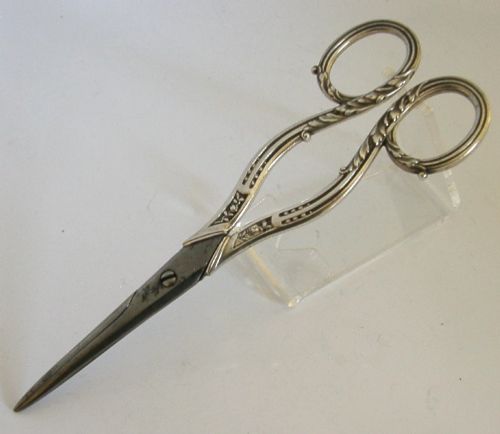
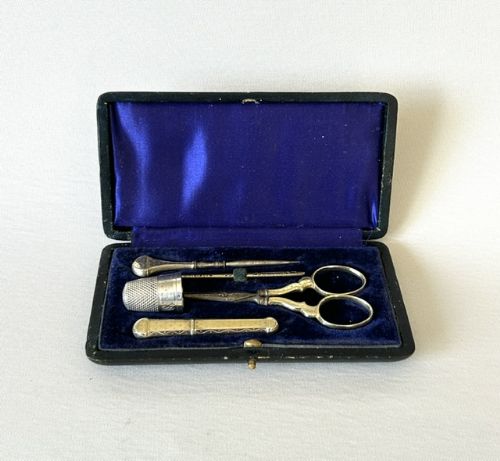
Alongside wall art, this category includes functional sewing sets, silver gilt sewing compendiums, rosewood sewing baskets, and large sterling silver handled scissors originating from France. The selection draws upon varied historical styles including French Chateau, Belle Epoque, Napoleon III, Empire, Rococo, and Restoration.
The items most frequently met on this page combine textile arts with decorative housing, such as faux tortoiseshell frames enclosing silk threadwork. Every piece reflects domestic handcraft or bespoke textile creation from earlier French eras.
How they were made
The construction of these textiles relies upon natural fibres like silk, wool, linen, and canvas stitched by hand to form detailed pictorial and geometric surfaces. Artisans frequently mounted these delicate works within protective frames of wood, rosewood, or faux tortoiseshell.
Metalwork elements accompanying the textiles involve sterling silver and silver gilt applied to handles, compendiums, and sewing tools. Gold leaf and glass also appear in the assembly and framing of the needlework pictures and panels.
Antique French Embroidery Retail Price Guide 2026
Typical asking prices for french embroidery among the pieces listed under this phrase on Sellingantiques today, from the lower quarter to the upper quarter. They describe what is for sale here now, not the wider market.
Stitched poultry takes pride of place alongside military commanders.
What varies in quality
Quality in these textiles rests upon the precision of the needlework and the complexity of the rendered subject matter, such as multi-coloured depictions of birds or historical scenes compared against simpler samplers. The preservation of the original fibres and the tightness of the weave dictate the overall durability and visual clarity of the picture.
The physical housing also distinguishes pieces, with bespoke rosewood baskets, faux tortoiseshell frames, and hallmarked sterling silver mounts representing finer subsidiary craftsmanship. The harmony between the textile art and its original or period frame determines the integrity of the piece.
The Antique French Embroidery Glossary
- Needlework panel
- A decorative textile created by stitching yarn or thread onto a ground fabric, often designed to be hung on a wall.
- Silver gilt
- Silver that has been coated with a thin layer of gold, frequently utilised on nineteenth-century sewing compendiums and tools.
- Lace sampler
- A piece of fabric showcasing various lace-making stitches and patterns, traditionally used for practice or demonstration.
- Sewing compendium
- A fitted box or case containing multiple implements for needlework, such as scissors, thimbles, and thread spools.
- Tapestry embroidery
- A form of needlework where threads are stitched across a canvas or open-weave ground to build up a dense pictorial design.
Antique French Embroidery: Frequently Asked Questions
What periods do these pieces cover?
The available items span from the eighteenth century through the nineteenth century, including specific years like eighteen seventy, eighteen eighty, and nineteen hundred.
Styles range across historical French periods such as Rococo, Empire, Napoleon III, and the Belle Epoque.
How were sewing sets used?
Sewing sets and compendiums housed essential tools for domestic needlework, including specialised scissors and thread winders.
These portable or tabletop kits kept delicate implements organised and protected within fitted compartments.
Are the frames original to the textiles?
Many pieces retain period enclosures such as rosewood baskets or faux tortoiseshell frames that complement the textile work.
Framing materials also include carved wood and gilded elements suited to nineteenth-century display standards.
What subjects appear in the embroidery?
Pictorial works depict various subjects including cockerels, hens, floral arrangements with roses and chrysanthemums, and historical scenes like Napoleon at Pont d'Arcole.
Other examples focus on abstract patterns, lacework, and structured samplers.