
Antique French Clock Dial
An antique french clock dial brings the intricate craftsmanship of nineteenth-century horology directly into modern interiors.
Antique French Clock Dial
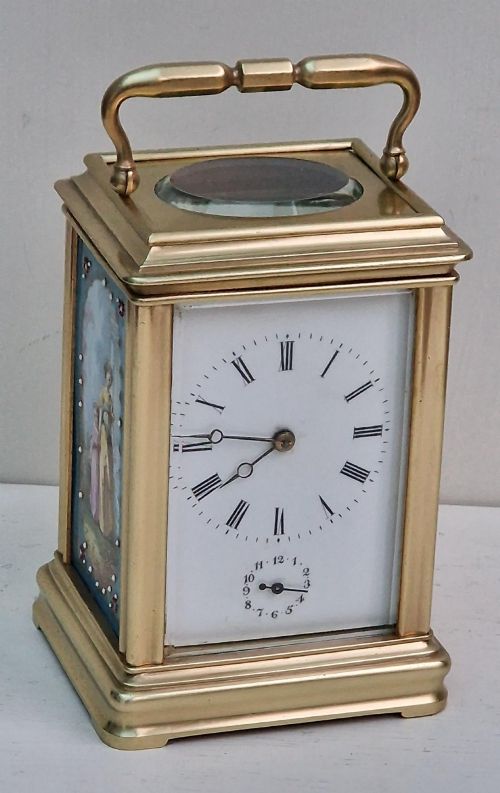
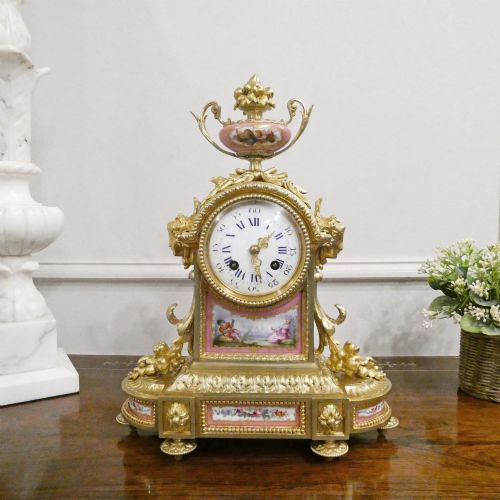
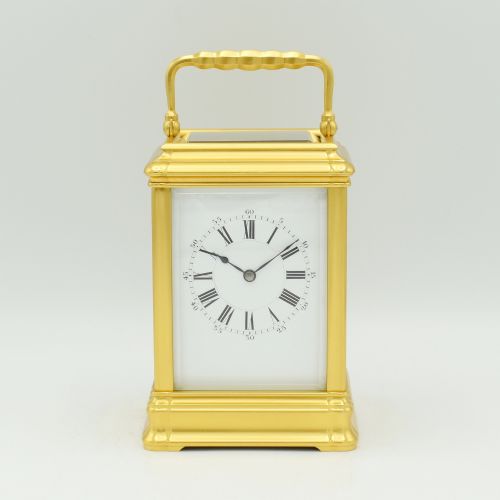
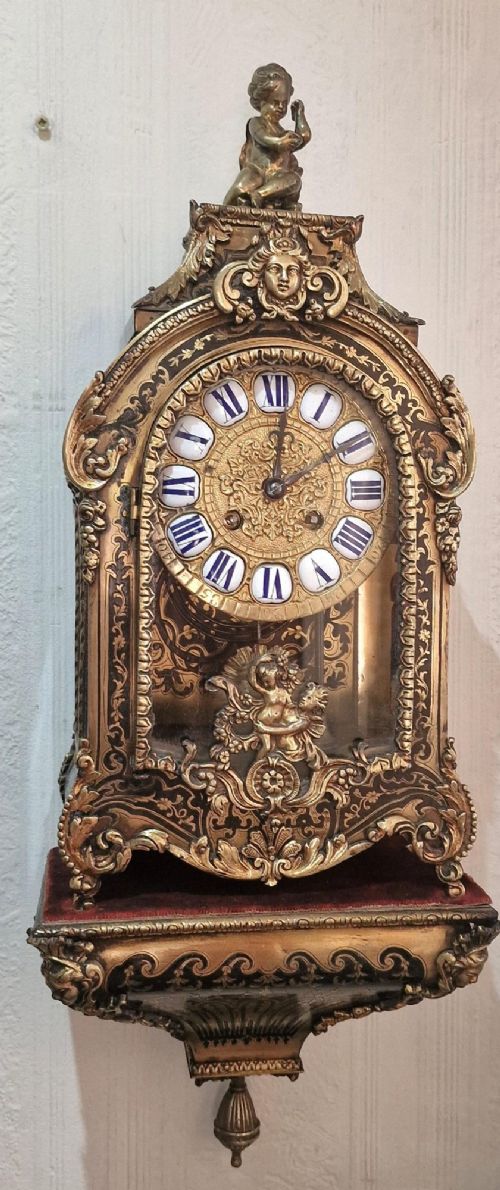
An antique french clock dial represents the visible face of horological heritage, often found mounted on carriage clocks, mantel clocks, and architectural wall pieces. These items capture the decorative ambition of periods spanning the Victorian era through the early twentieth century.
Buyers on this page most frequently encounter individual dials or complete clocks featuring enamel, porcelain, and brass faces. The selection draws heavily from nineteenth-century French workshops, showcasing styles from Louis XVI revivals to industrial designs.
Materials and Techniques
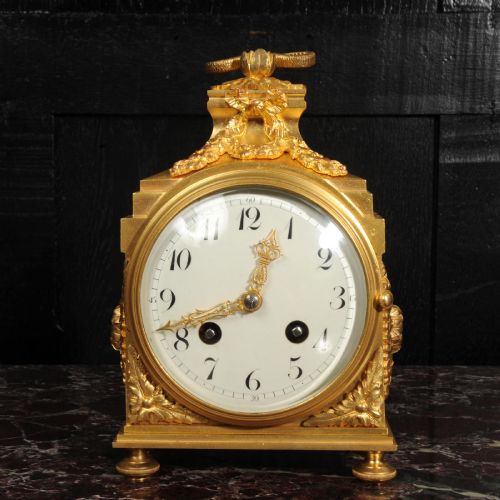
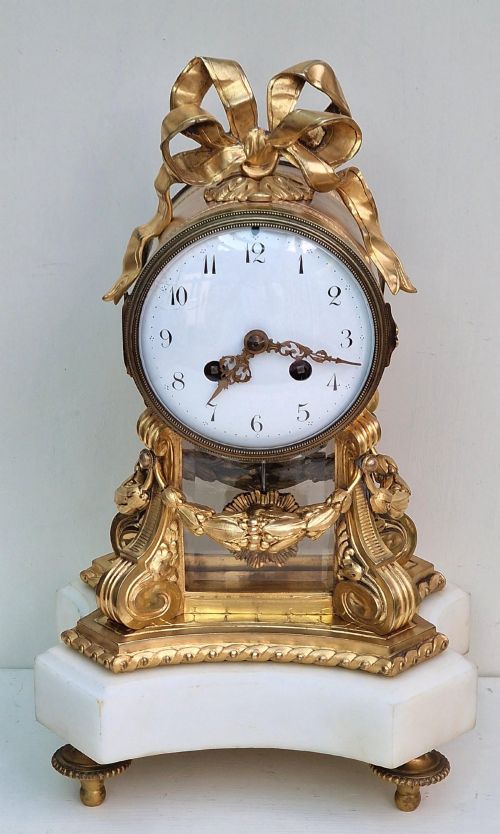
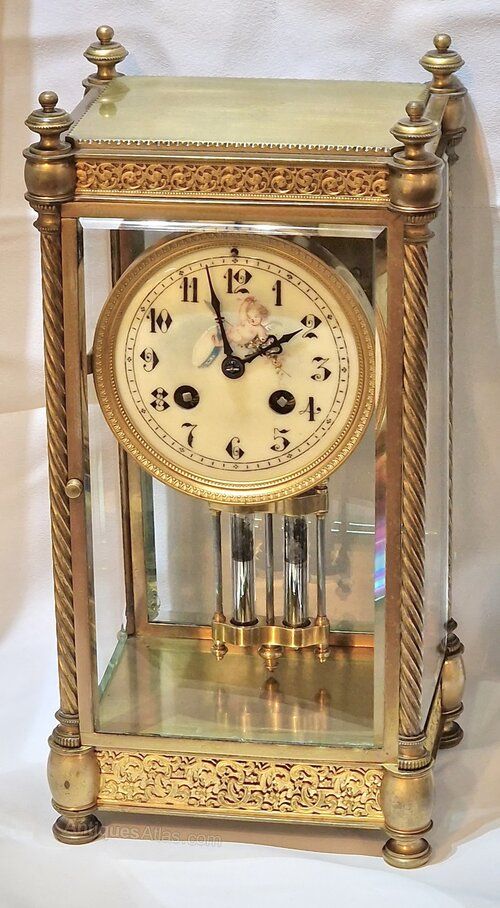
Makers utilised brass, gilt bronze, ormolu, and glass to construct robust cases and mountings that frame the delicate dial faces. Enamel and porcelain served as the primary canvases for painted Roman or Arabic numerals, fired at high temperatures to achieve a lasting finish.
Intricate metalwork involved casting and gilding bronze elements, whilst specialised techniques produced curved glass crystals to protect the paper-white or cream enamel dials underneath.
Identified periods span from eighteen-fifty through to nineteen-twenty, encompassing Victorian, Edwardian, and Belle Epoque eras.
Evaluating the Range
The distinction between standard production and exceptional work rests in the crispness of the dial enamel and the delicacy of the hand-painted numerals. Superior examples display minimal hairline cracking in the white glaze and feature finely pierced hands.
Housing materials also dictate standing, with heavy cast gilt brass and detailed ormolu mounts indicating a higher tier of manufacture than simpler brass housings or standard wooden cases.
Henri Jacot·Japy Freres·Drocourt Paris·C Detouche Paris·Rene Lalique
The Antique French Clock Dial Glossary
- Enamel
- A glassy substance fused to a metal substrate through firing, creating a smooth, durable, and glossy white surface for clock numerals.
- Ormolu
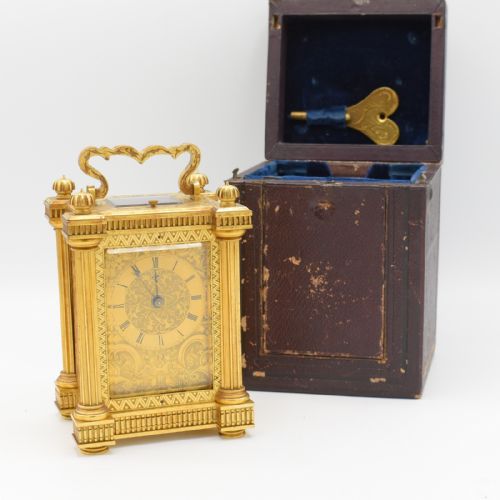
- Gilded bronze produced by applying a mercury-gold amalgam to cast bronze, yielding a rich golden finish characteristic of French decorative arts.
- Gorge Case
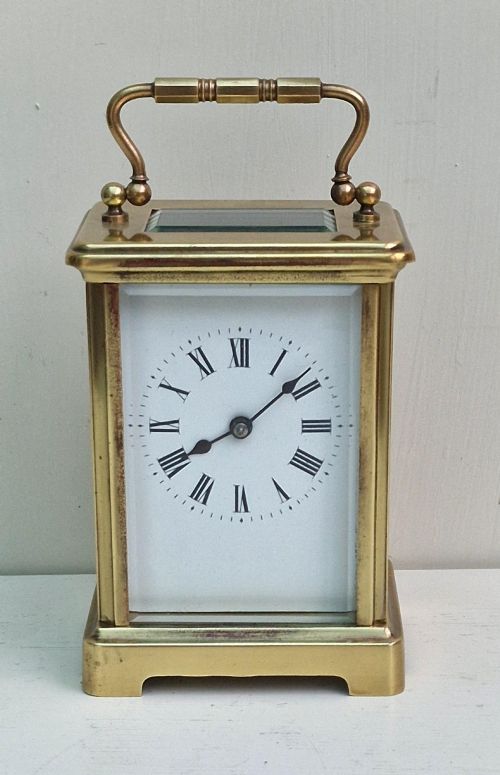
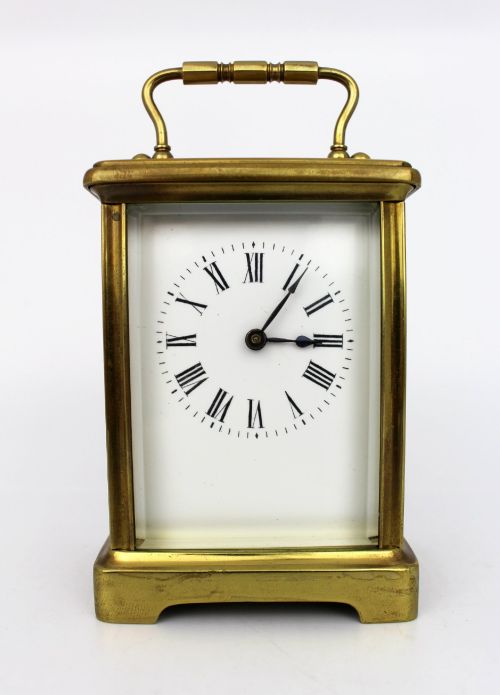
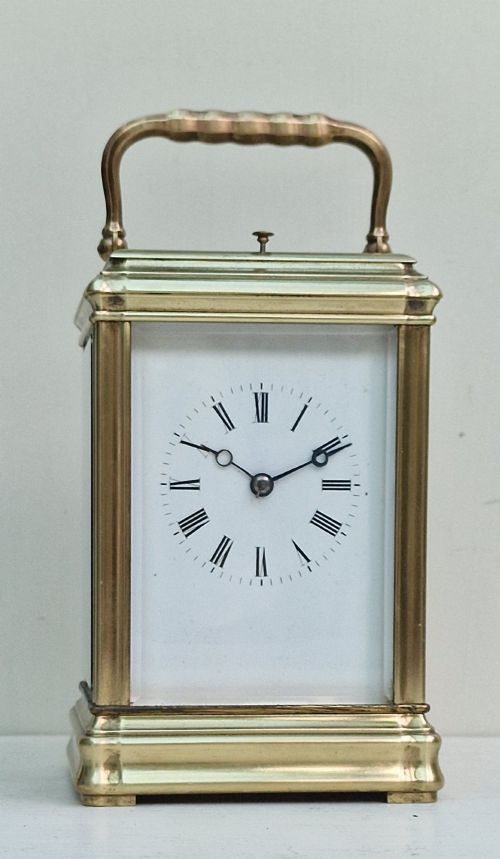
- A specific rectangular carriage clock housing style featuring stepped mouldings at the top and base of the brass frame.
- Pendule d'Officier
- A portable military-style timepiece housed in a brass frame, designed for travel during the nineteenth century.
Antique French Clock Dial: Frequently Asked Questions
What periods do these clocks represent?
The listings span the nineteenth and early twentieth centuries, encompassing Victorian, Edwardian, and Napoleon III aesthetic movements. Many pieces originate from French workshops active between eighteen-fifty and nineteen-twenty.
Specific design revivals such as Louis XVI style and French Rococo also appear frequently among the items recorded.
How do I identify a carriage clock?
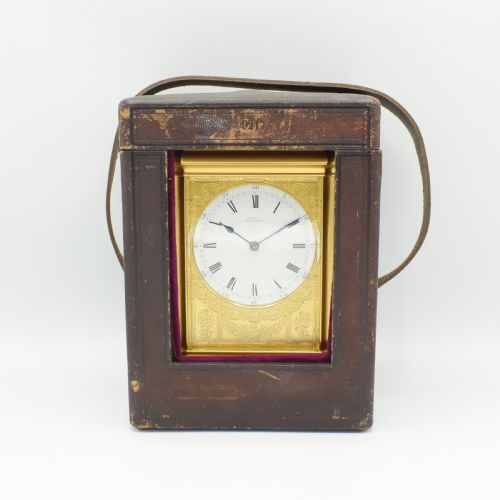
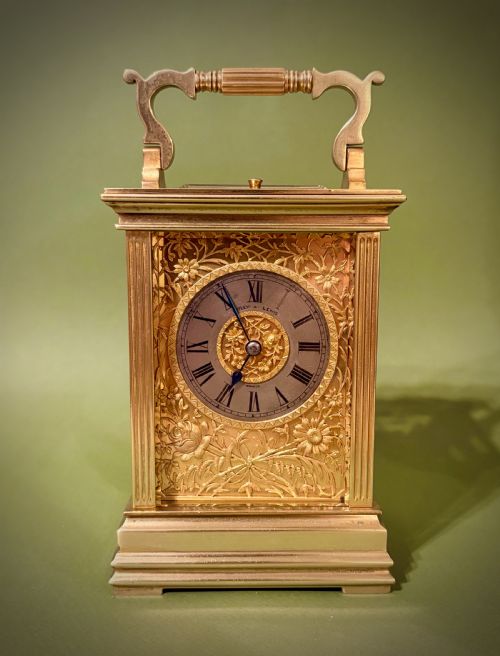
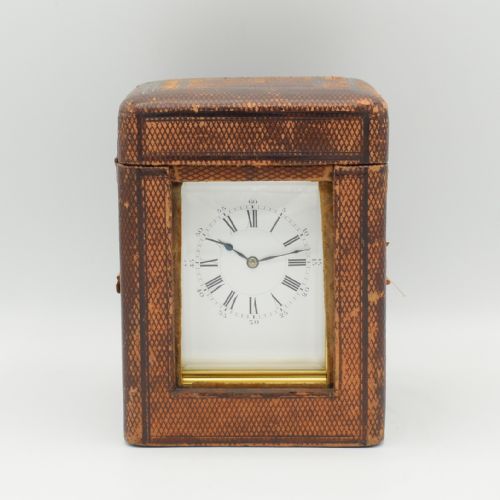
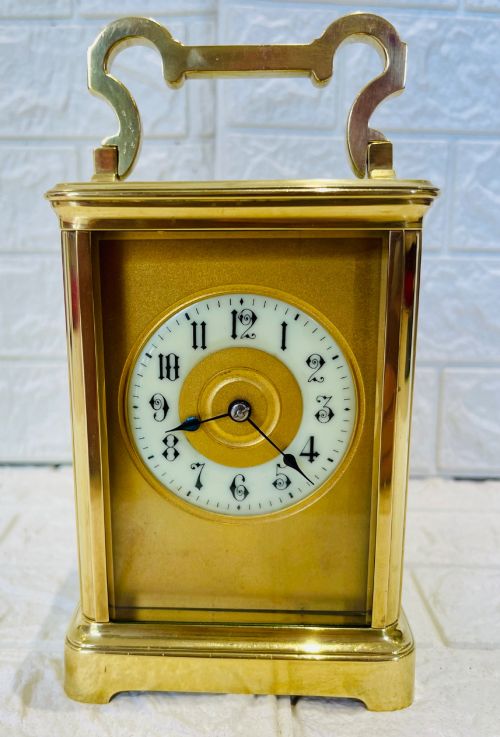
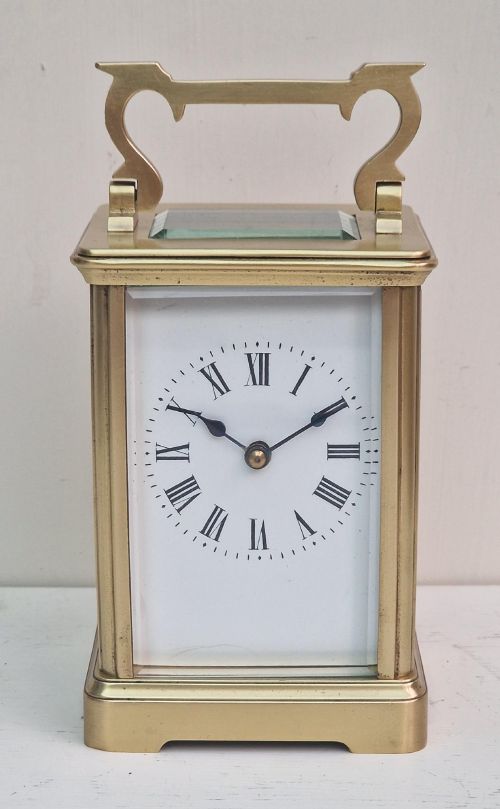
A carriage clock is a portable timepiece fitted with a handle, traditionally housed in a brass and glass case that allows the movement to remain visible from multiple angles. These pieces often feature white enamel dials with black numerals.
They frequently come with travel cases designed to protect the clock during transit.
What materials are common on these dials?
Enamel and porcelain form the primary surfaces for the painted numerals, offering a bright, reflective background that remains legible in dim light. Brass and gilt bronze surround these faces as bezels and dial plates.
Glass panels and crystals protect the delicate enamel from dust and physical contact.
How should I care for an enamel dial?
Enamel requires gentle dusting with a soft, dry cloth to prevent abrasive particles from scratching the glossy surface. Avoid using liquid cleaners or chemical solvents, which can damage painted numerals and discolour hairline fractures.
Keep the piece away from direct sunlight and extreme temperature fluctuations to protect the underlying metal and ceramic components.