


Antique French China
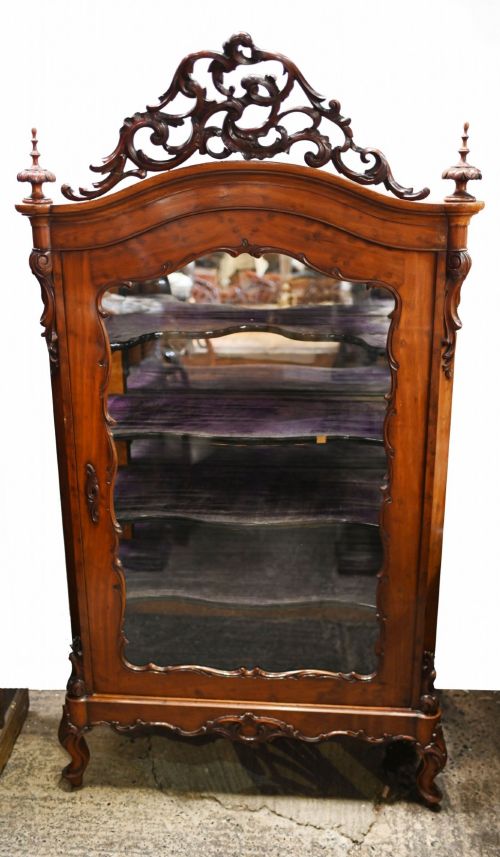
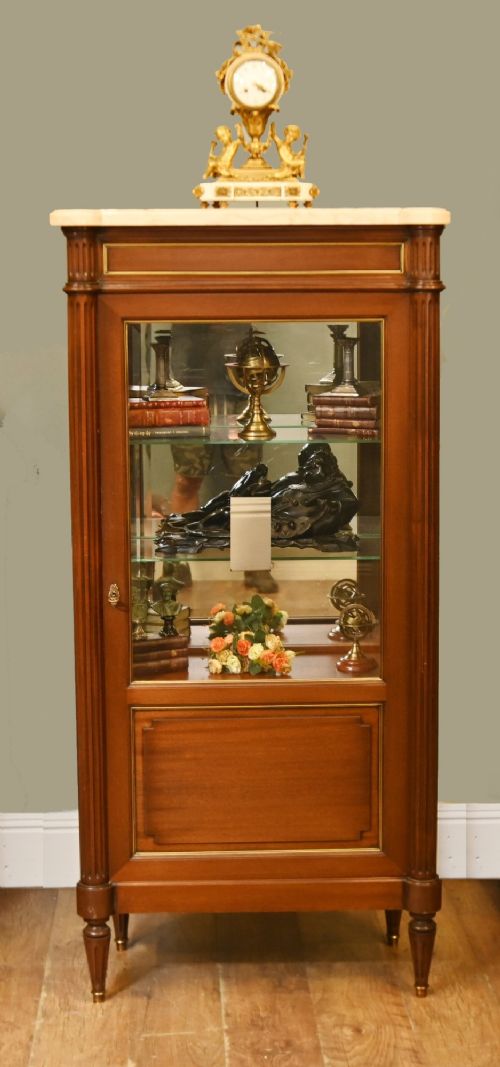
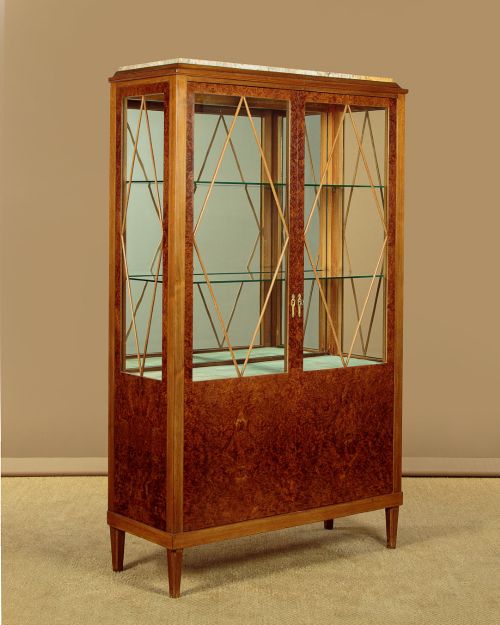
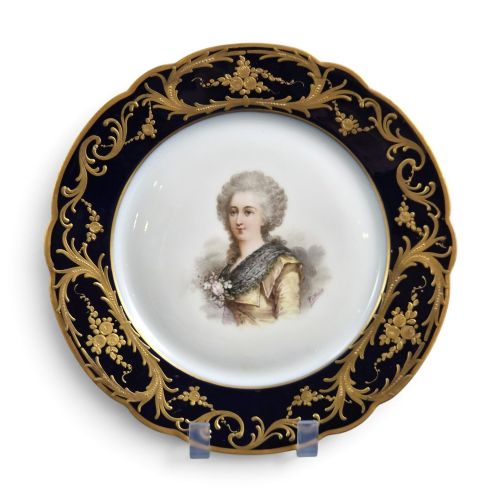
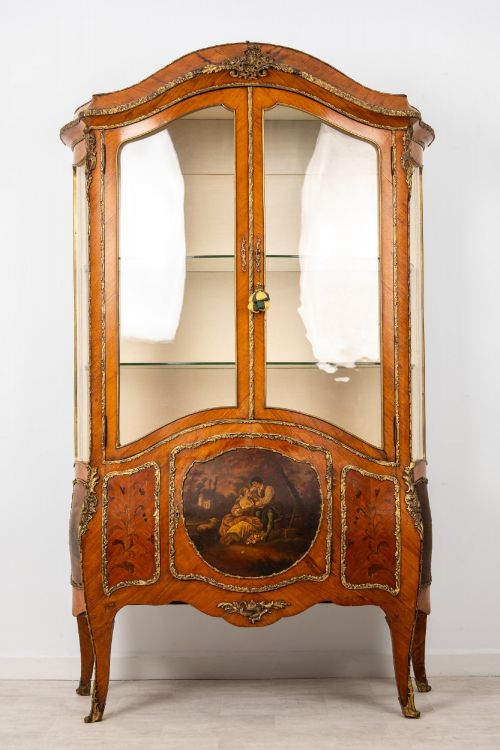
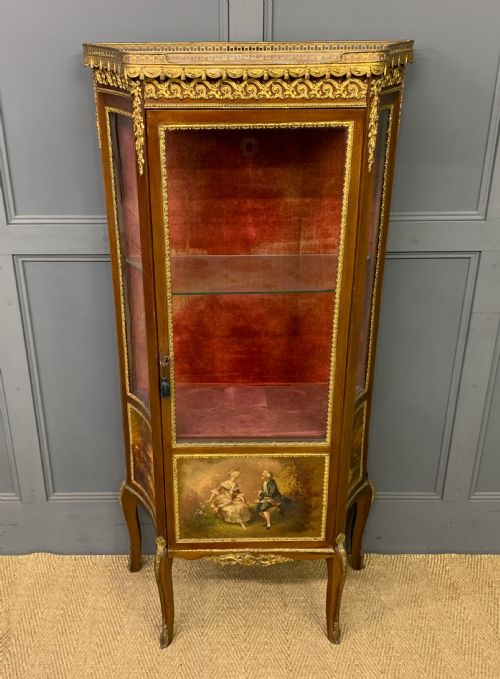
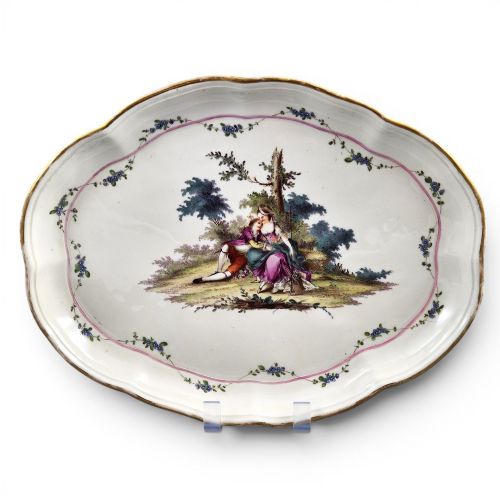
These pieces of antique french china bring the polished porcelain and decorative cabinet work of continental salons straight to the room.
Antique French China
When searching for antique french china, buyers encounter cabinet plates, decorative plates, breakfast sets, teacups, saucers, porcelain figures, and portrait plates alongside the vitrines that house them. These objects span from the eighteenth century through the nineteenth century, Edwardian era, and into the nineteen-thirties.
The evidence shows porcelain work originating from Sèvres, Chantilly, Marseille, and Paris, often paired with display cabinets in mahogany, kingwood, walnut, and amboyna.
Makers and artists such as Joseph-Gaspard Robert, Pucher Deroche, Letu and Mauger, François Linke, Paul Sormani, and H. J. Hatfield and Sons appear in the record, grounding these pieces in notable workshops and traditions.
Materials and Techniques
The manufacture relies on hard-paste and soft-paste porcelain bodies, decorated with hand-painted floral motifs, portraits, and ozier borders.
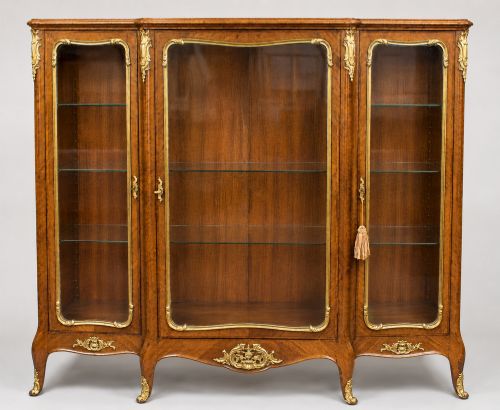
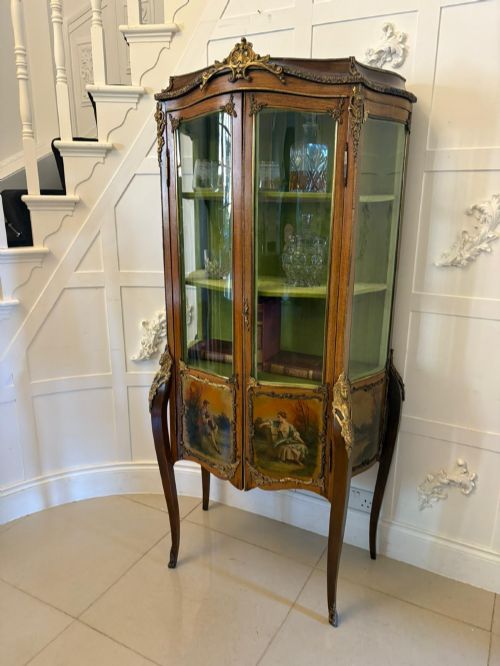
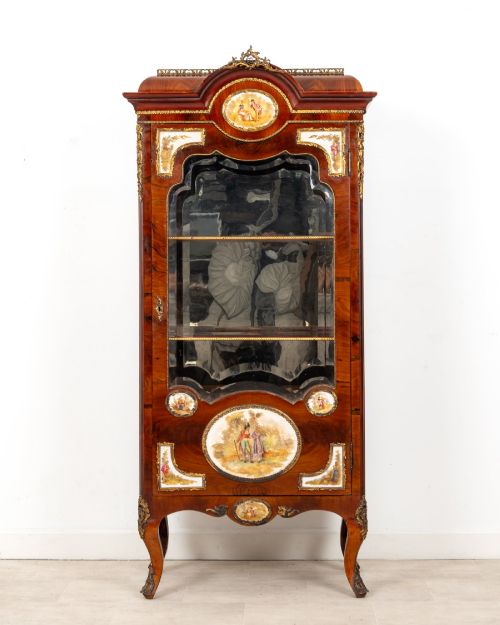
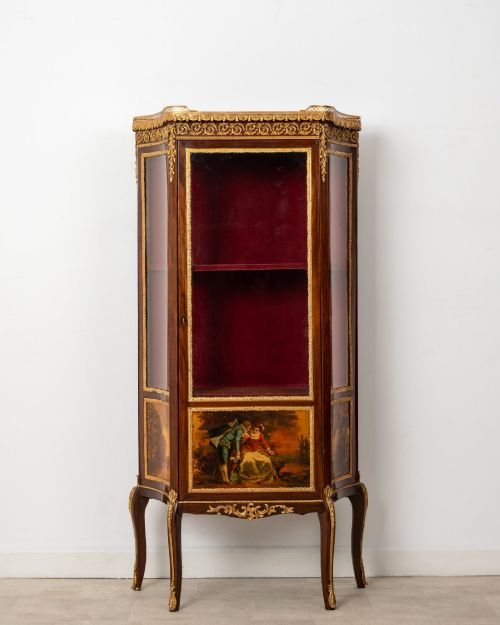
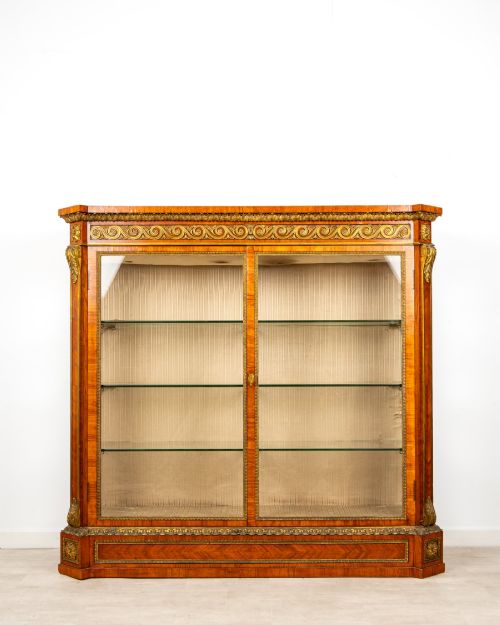
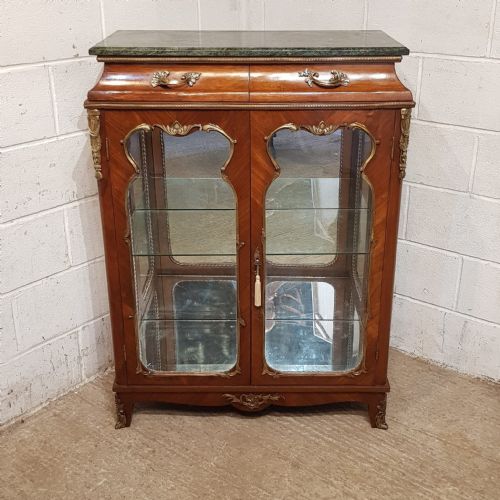
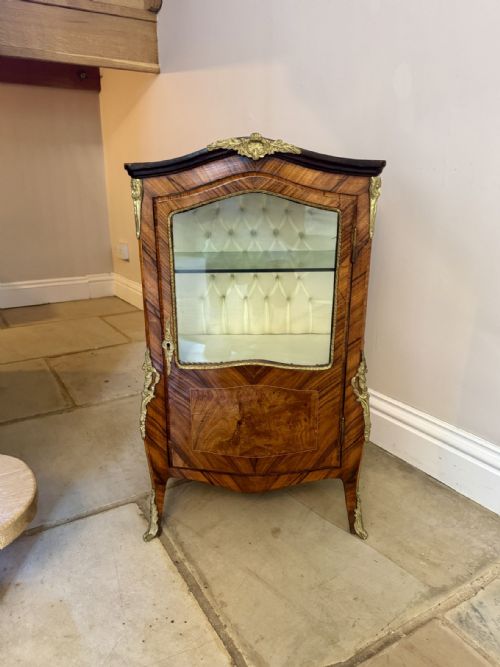
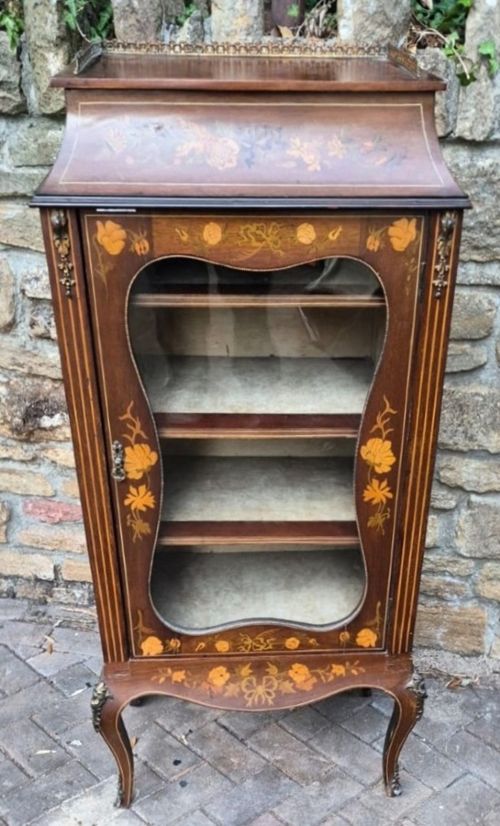
Cabinets and vitrines employ woods like mahogany, kingwood, walnut, amboyna, and oak, frequently enhanced with parquetry, marquetry, and painted Vernis Martin panels.
Metal mounts in ormolu, gilt-bronze, and gilt metal frame the porcelain plaques and glass doors, while marble tops finish the surfaces.
Antique French China Retail Price Guide 2026
Typical asking prices for french china among the pieces listed under this phrase on Sellingantiques today, from the lower quarter to the upper quarter. They describe what is for sale here now, not the wider market.
Listings span the eighteenth century, nineteenth century, Edwardian period, and nineteen-thirties, combining porcelain plates and figures with mahogany and kingwood vitrines.
Levels of Execution
Quality rests upon the crispness of the hand-painting on the porcelain and the precision of the gilt-bronze or ormolu mounts affixed to the furniture.
The integration of decorative techniques, such as detailed marquetry panels and vernis martin work combined with fine timbers like kingwood, separates standard items from exceptional pieces.
H. J. Hatfield and Sons·Joseph-Gaspard Robert·Pucher Deroche·Letu and Mauger·François Linke·Paul Sormani
The Antique French China Glossary
- Vernis Martin
- A simulated Japanese lacquer technique developed in eighteenth-century France by the Martin brothers. It uses multiple resin coats to achieve a luminous finish on furniture and panels.
- Ormolu
- Gilded bronze furniture mounts and decorative ornaments cast and chased by hand. The technique involves applying a gold amalgam to bronze.
- Ozier Border
- A moulded or painted basketweave pattern found on the edges of eighteenth-century plates and dishes. It references wickerwork moulds used in early porcelain production.
- Vitrine
- A glass-fronted display cabinet designed to showcase porcelain and curiosities. These cabinets often feature glazed side panels and gilt-bronze mounts.
Antique French China: Frequently Asked Questions
Where should I place a vitrine cabinet?
Position the cabinet away from direct sunlight to protect delicate porcelain pigments and wooden veneers from fading over time.
Ensure the floor is level so the glazed doors hang correctly and close smoothly without strain.
How do I clean antique porcelain?
Dust porcelain surfaces gently with a soft, dry brush to remove particles without scratching the glaze or gilding.
Avoid soaking old pieces in water, particularly soft-paste items, as moisture can penetrate unglazed areas or damage historical repairs.
Can I use antique teacups daily?
Historic teacups and breakfast sets feature fragile ceramic bodies and worn gilding that resist modern dishwashers and harsh detergents.
Hand wash them cautiously in tepid water with mild soap when necessary, though display remains the safer option for eighteenth-century pieces.
How do I identify Louis Revival styles?
Louis Revival furniture borrows characteristic curves, floral marquetry, and asymmetrical mounts from seventeenth and eighteenth-century French court aesthetics.
Look for serpentine fronts, cabriole legs, and ormolu framing that echo original designs produced under Louis XV and Louis XVI.