

Antique Framing Mirror
An antique framing mirror brings depth and historic character to a room, offering functional reflection alongside ornate period craftsmanship.
Antique Framing Mirror
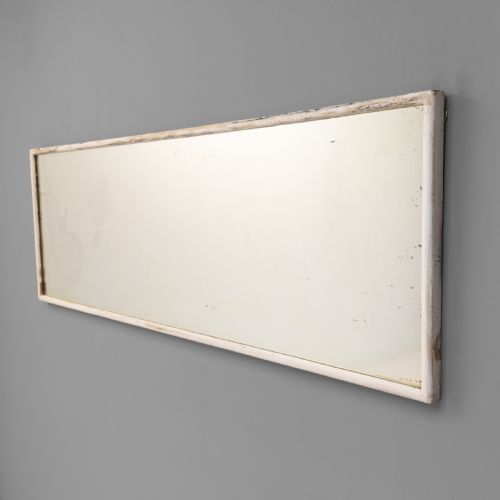
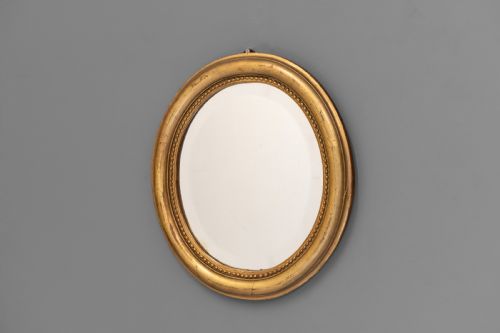
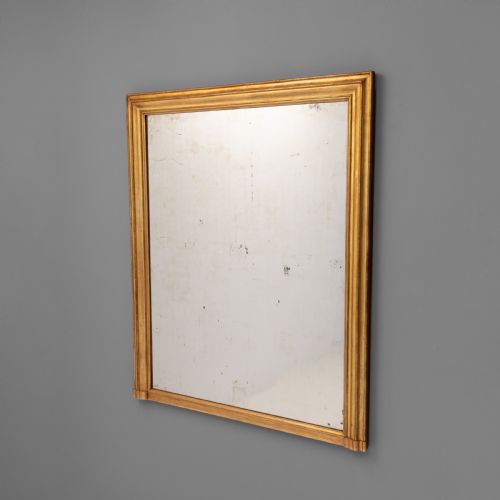
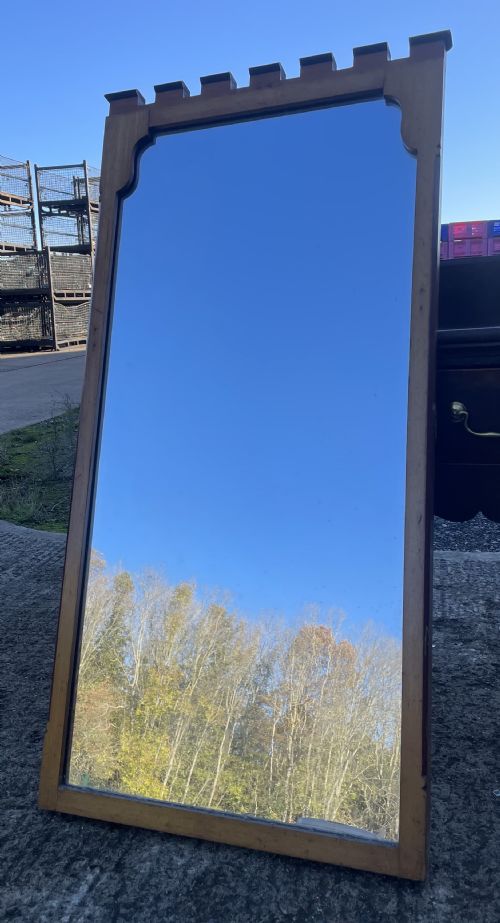
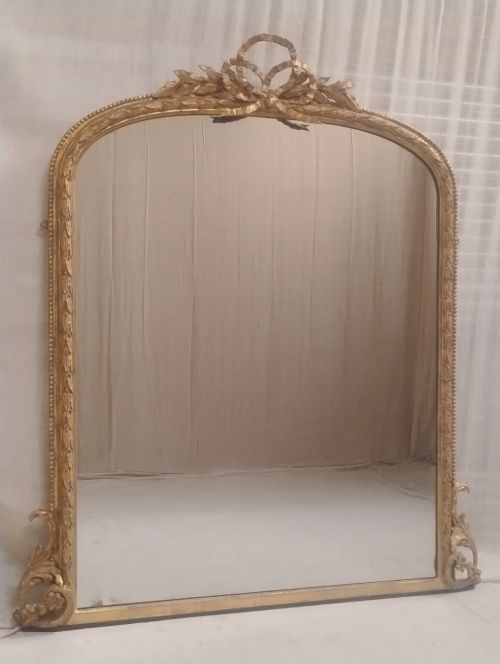
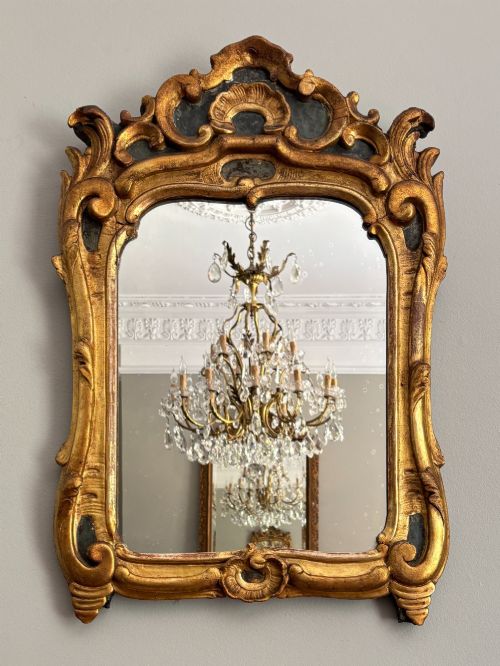
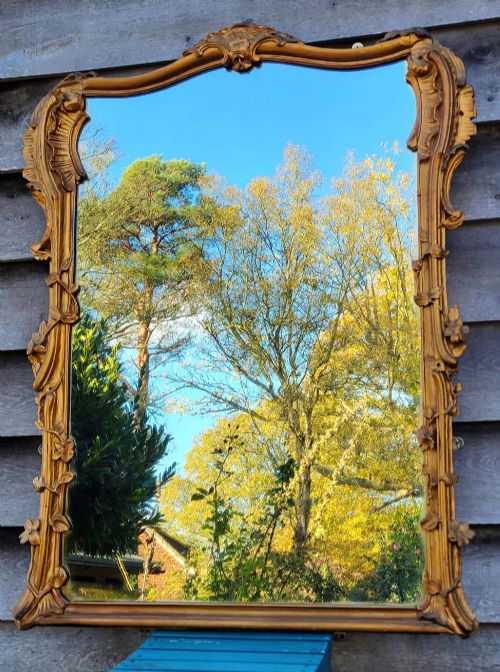
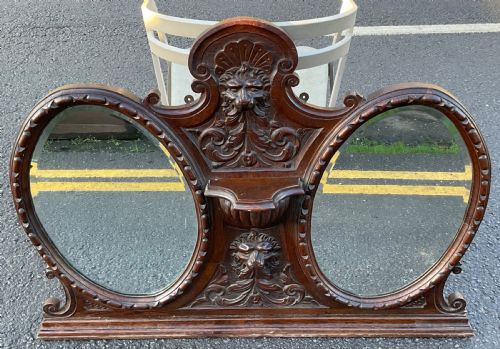
An antique framing mirror serves as a central decorative fixture, combining practical glass with period artistry. When searching for an antique framing mirror, buyers encounter a diverse array of forms ranging from grand architectural overmantels to smaller wall-hanging pieces.
The selection on this page draws primarily from the nineteenth and eighteenth centuries, incorporating Georgian, Victorian, and Edwardian eras. Pieces often arrive from French, English, Italian, and Spanish colonial origins, displaying regional stylistic preferences.
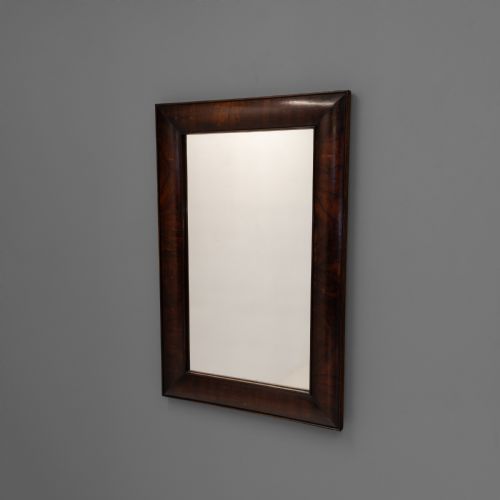
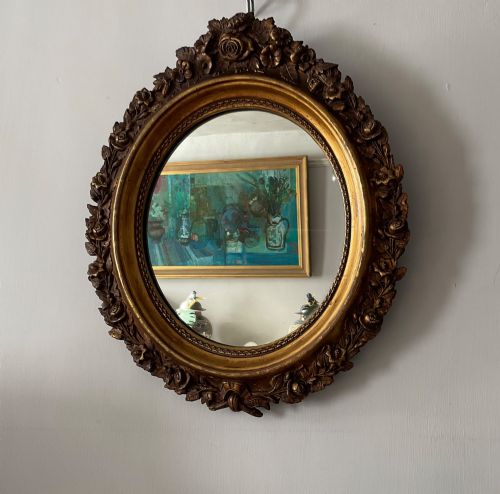
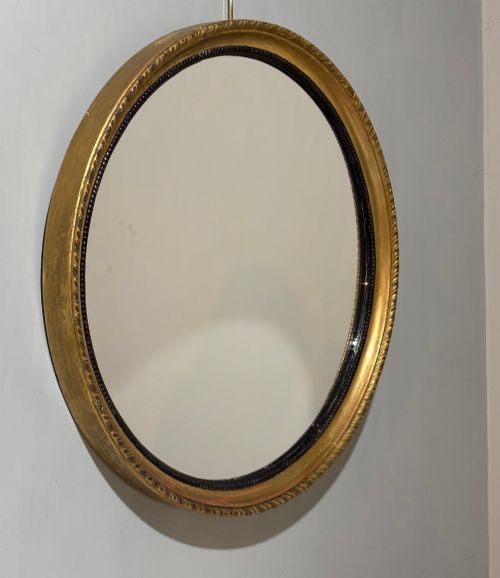
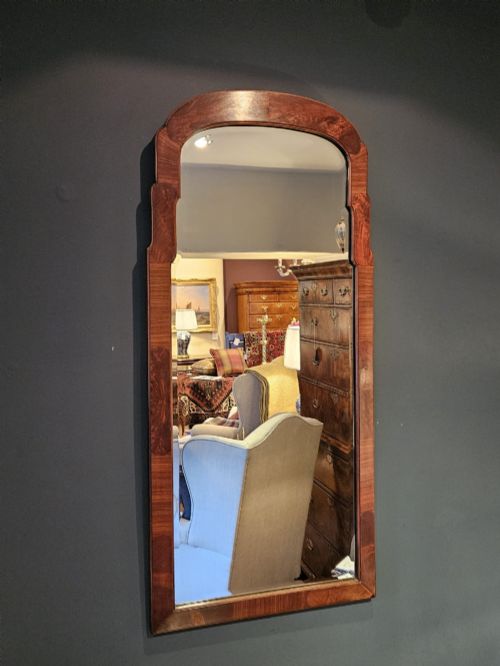
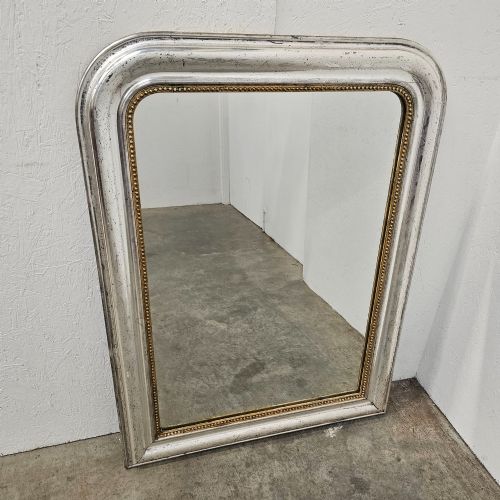
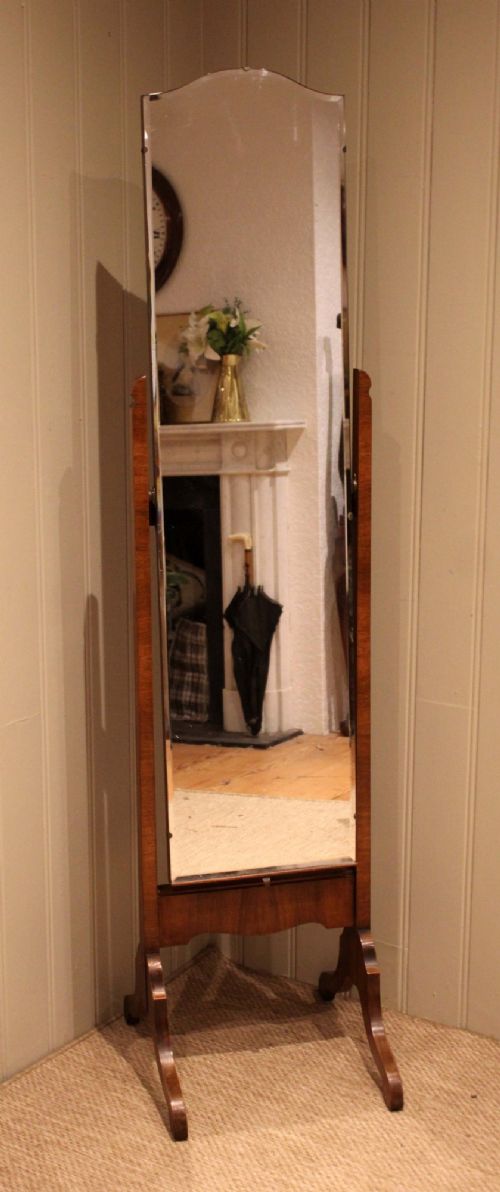
Common formats include rectangular, arched, oval, and circular mirrors alongside specialised trumeau panels and overmantel designs. Walnut, oak, pine, and gesso-coated timber form the primary structures supporting the glass.
Materials and construction
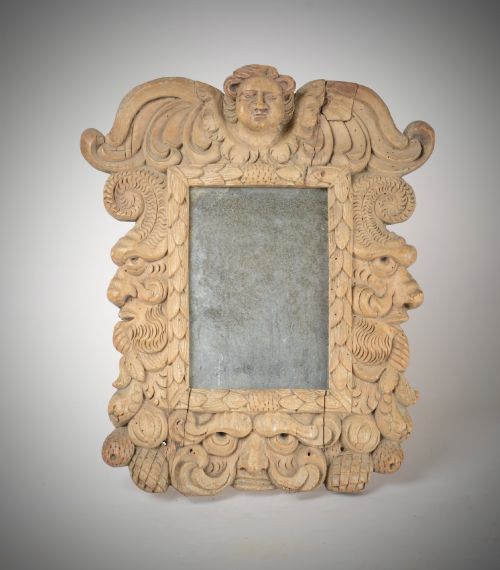
Frames rely heavily on traditional timbers such as oak, walnut, and pine, often shaped and joined by hand. Carved details utilise softwoods or applied gesso and plaster layers to build up intricate relief patterns.
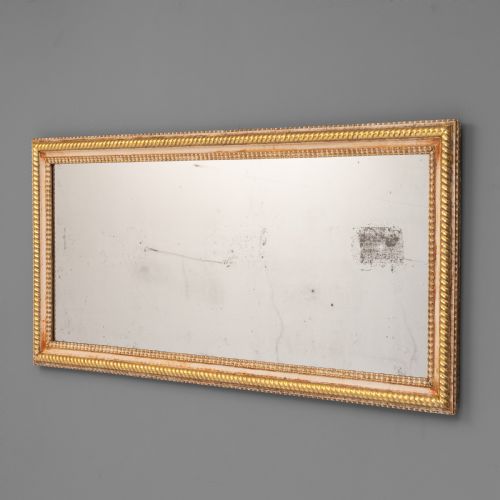
Gilding techniques involve applying gold leaf or water gilding directly onto prepared surfaces, creating a luminous finish that ages patination over decades. Some examples employ parcel gilt methods where only specific carved highlights receive gold leaf.
Glass plates vary from early mercury silvered sheets with natural foxing to later bevelled mirror glass. Frames frequently feature hand-carved motifs reflecting French Rococo, Neoclassical, or Regency styles.
Antique Framing Mirror Retail Price Guide 2026
Typical asking prices for framing mirror among the pieces listed under this phrase on Sellingantiques today, from the lower quarter to the upper quarter. They describe what is for sale here now, not the wider market.
Some antique mirrors travelled across oceans in sailing ships, arriving in colonial homes with secret layers of tortoiseshell intact.
Distinguishing quality
The sophistication of the carved ornament and the purity of the gilding technique separate standard pieces from masterworks. Hand-carved wooden details and traditional water gilding demonstrate superior artisan skill compared to moulded plaster substitutes.
Originality of the glass plate and backing boards significantly impacts character, with untouched mercury glass or period bevelled edges holding distinct historic value. The depth and integrity of the original wood grain, whether walnut, oak, or maple, dictate the baseline robustness of the frame.
Arsène Rochette of Versailles
The Antique Framing Mirror Glossary
- Giltwood
- Wood that has been coated with gold leaf or gold dust. This finish is characteristic of many grand period frames.
- Overmantel mirror
- A large mirror designed to hang specifically above a fireplace mantelpiece. These pieces often feature wide proportions and elaborate crests.
- Gesso
- A plaster mixture applied to wood surfaces as a base for painting or gilding. It allows craftsmen to carve intricate relief details.
- Trumeau mirror
- A decorative wall mirror incorporating an oil painting or panel above the glass. Originating in France, they often feature pastoral scenes.
- Foxed glass
- Mirror glass displaying dark spots and age-related degradation caused by the breakdown of the silver backing over time.
Antique Framing Mirror: Frequently Asked Questions
How do I hang a heavy overmantel mirror?
Heavy period mirrors require secure fixing directly into wall studs or masonry using heavy-duty brackets. Professional installation is strongly advised due to the substantial weight of timber and glass.
Ensure the hanging wire or integrated mirror rings match the weight capacity of the chosen wall fixings to prevent structural failure over time.
What is foxed glass?
Foxed glass refers to mirror plates that have developed mottled dark spots and speckling as the reflective backing ages. This natural oxidation process occurs over many decades.
Many collectors prize foxed glass because it confirms the genuine antique age of the mirror plate rather than indicating a modern replacement.
How do I identify a Regency mirror?
Regency mirrors typically display Neoclassical influences, featuring bold architectural lines, ebonised reeded details, and classical motifs such as spheres or eagles. The frames frequently utilise giltwood with robust proportions.
Comparing the decorative hardware and construction methods to established early nineteenth-century design patterns helps confirm the period.