


Antique Foyer Lantern
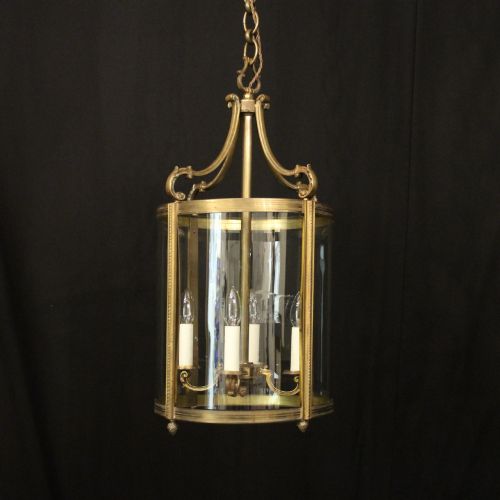
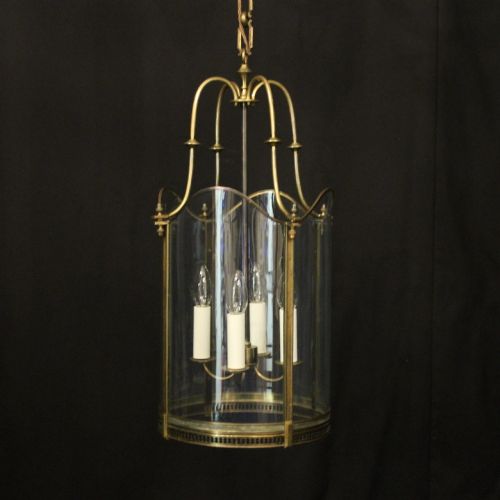
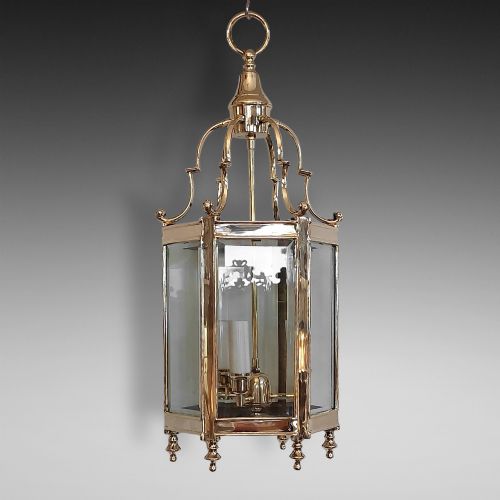
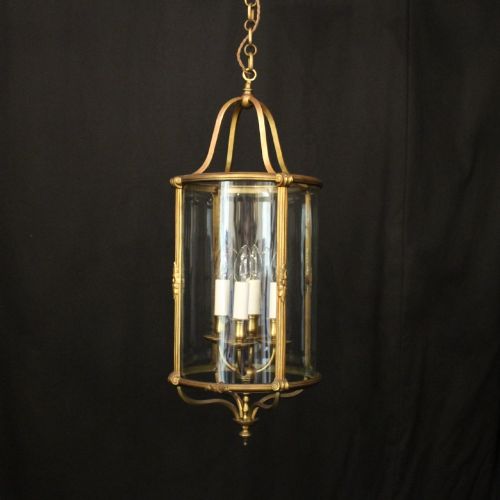
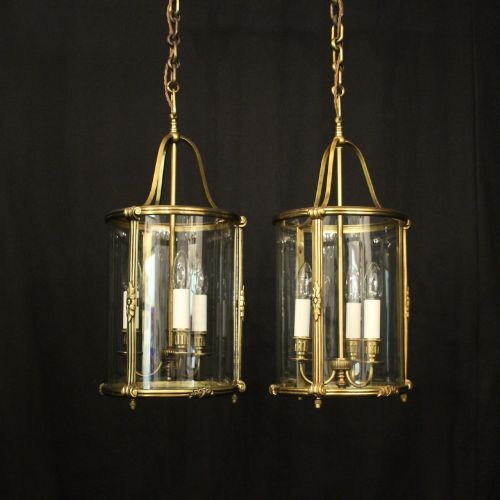
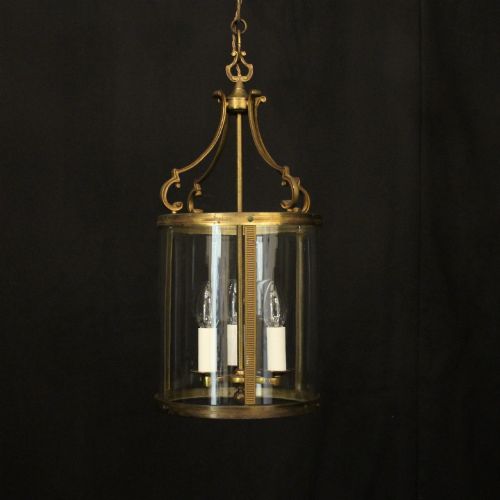
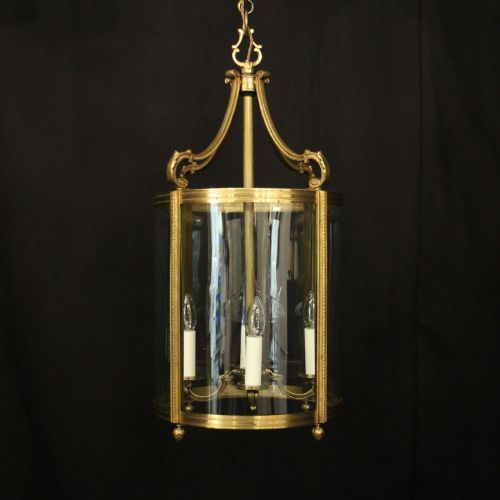
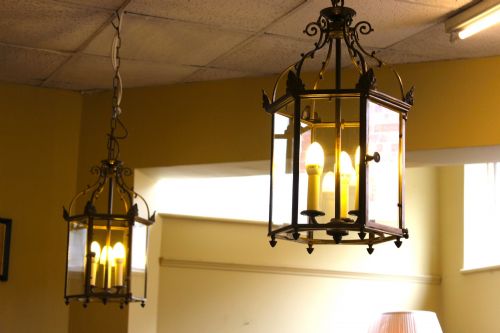
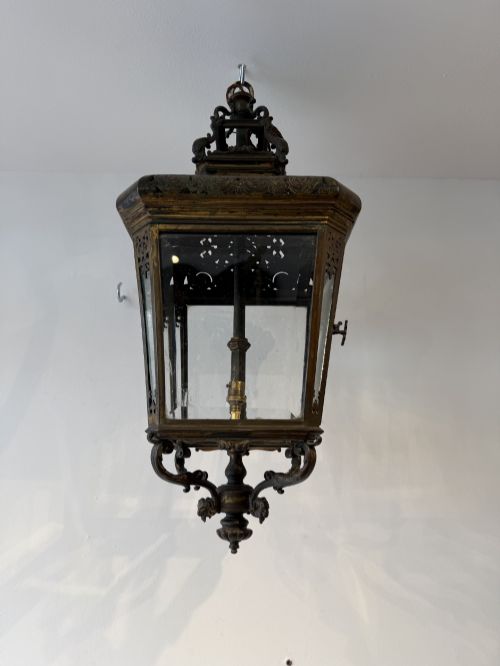
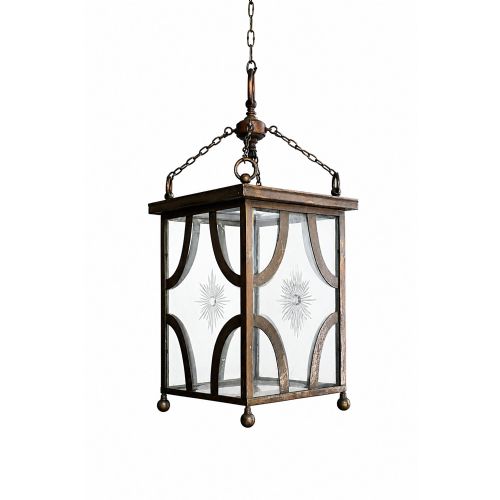
An antique foyer lantern sets the tone for an entrance hall, casting warm illumination through bevelled glass and metalwork.
Antique Foyer Lantern
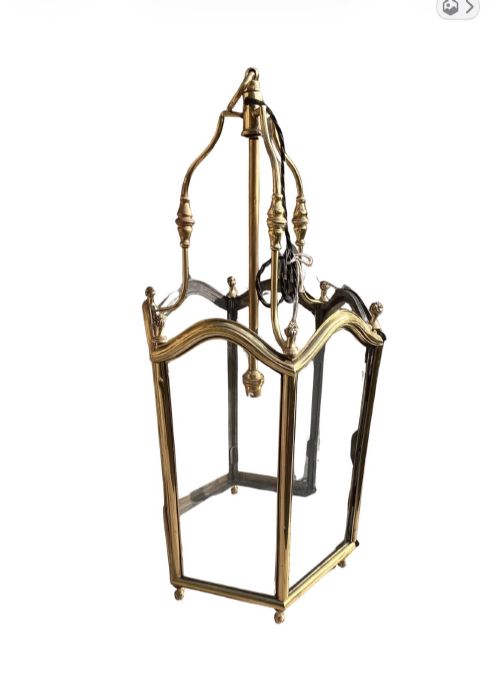
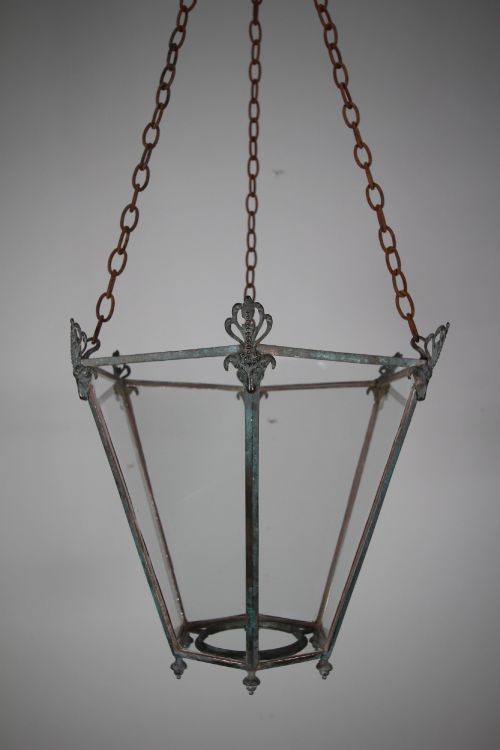
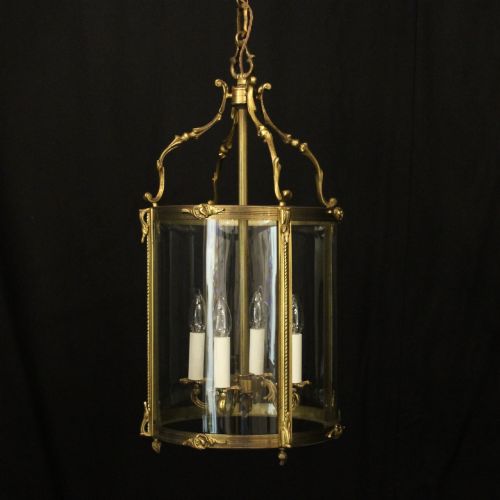
An antique foyer lantern is a hanging light fixture designed to illuminate entrance spaces, corridors, and stairwells. These pieces appear primarily as hall lanterns, ceiling lights, and pendant lights originating from the nineteenth and early twentieth centuries.
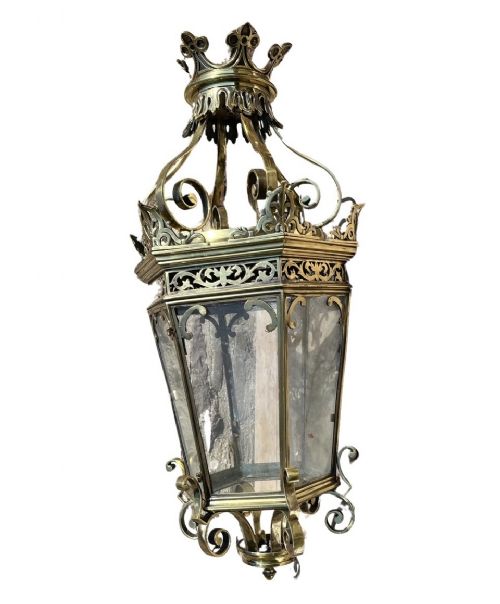
French chateau, neoclassical, and gothic revival styles dominate the design vocabulary. These hanging lanterns serve both practical illumination and decorative architectural purposes in traditional properties.
Materials and Construction
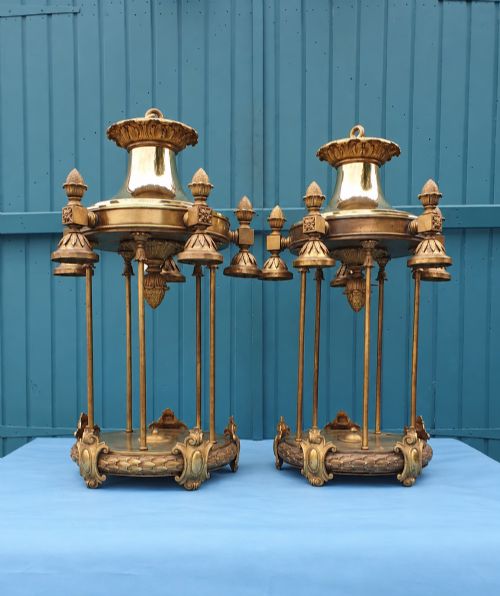
Maker construction relies heavily on cast and formed metals paired with glazed panels. Brass, bronze, and gilt bronze provide the structural framework for these hanging light fixtures.
Glass elements, particularly bevelled glass and convex panes, fit securely within the metal frames to diffuse light outward. Gilded finishes in gold and silver tones apply over bronze and brass surfaces to enhance visual depth.
Antique Foyer Lantern Retail Price Guide 2026
Typical asking prices for foyer lantern among the pieces listed under this phrase on Sellingantiques today, from the lower quarter to the upper quarter. They describe what is for sale here now, not the wider market.
Listings feature brass and bronze materials combined with bevelled glass across nineteenth and twentieth-century periods.
Distinctions in Quality
Quality rests in the weight of the metal casting and the precision of the joinery. Superior examples utilise thick, heavy bronze or brass frames with crisply defined decorative motifs rather than thin, pressed sheet metal.
The glass contributes significantly to the overall standard of a piece. Thick, heavy bevelled or convex glass panels fitted properly into the metal framework distinguish better examples from simpler utility lighting.
The Antique Foyer Lantern Glossary
- Convex glass
- Curved glass panels that project outward to diffuse light across a wider angle. This technique appears frequently on French hallway lanterns.
- Bevelled glass
- Glass panes with angled edges cut around the perimeter to refract light. Such detail reflects superior craftsmanship in period lighting.
- Gilt bronze
- Bronze metal treated with a thin layer of gold leaf or a gold-coloured mercury amalgam. This finish provides a durable metallic sheen.
- Hexagonal lantern
- A six-sided hanging light fixture offering multi-directional illumination. These geometric frames accommodate flat or shaped glass panels.
- Hall lantern
- A ceiling-suspended lighting fixture proportioned specifically for narrow passages and entranceways. They connect to ceilings via chains or rigid rods.
Antique Foyer Lantern: Frequently Asked Questions
How do I hang a heavy bronze lantern safely?
Suspension requires a secure fixing directly into ceiling joists or heavy structural noggins using an appropriate steel hook and chain rated for the weight of the bronze and glass.
Electrical wiring must be routed safely through the hanging chain and canopy to meet current safety standards before installation.
What rooms suit an antique hall lantern?
These fixtures fit naturally in entrance halls, stairwells, and high-ceilinged corridors where their vertical drop provides balanced illumination.
Their decorative metalwork and glass panels also complement dining rooms or libraries seeking period character.
How do I clean brass and glass lanterns?
Metal frames require gentle dusting with a soft, dry cloth to preserve aged patinas on bronze and brass surfaces without stripping the finish.
Glass panels detach easily in many designs for washing with mild soapy water before being dried and refitted.
How do I identify French versus English lanterns?
French examples frequently exhibit gilt bronze finishes with ornate neoclassical or rococo revival ornamentation and convex glass panes.
English pieces tend toward robust brass construction with simpler geometric forms, such as hexagonal shapes or Gothic revival details.