
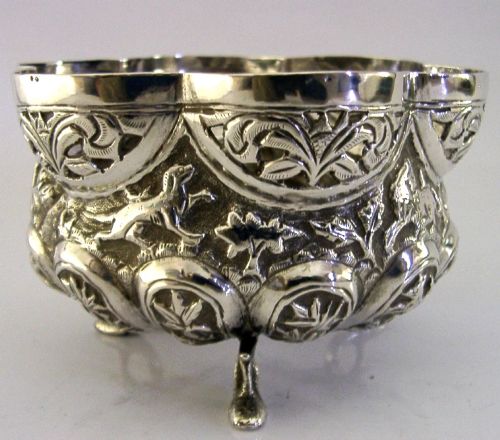


Antique Footed Sugar Bowl
These antique footed sugar bowl examples combine pedestal bases with precious metals and glass liners, offering a refined addition to any traditional tea service.
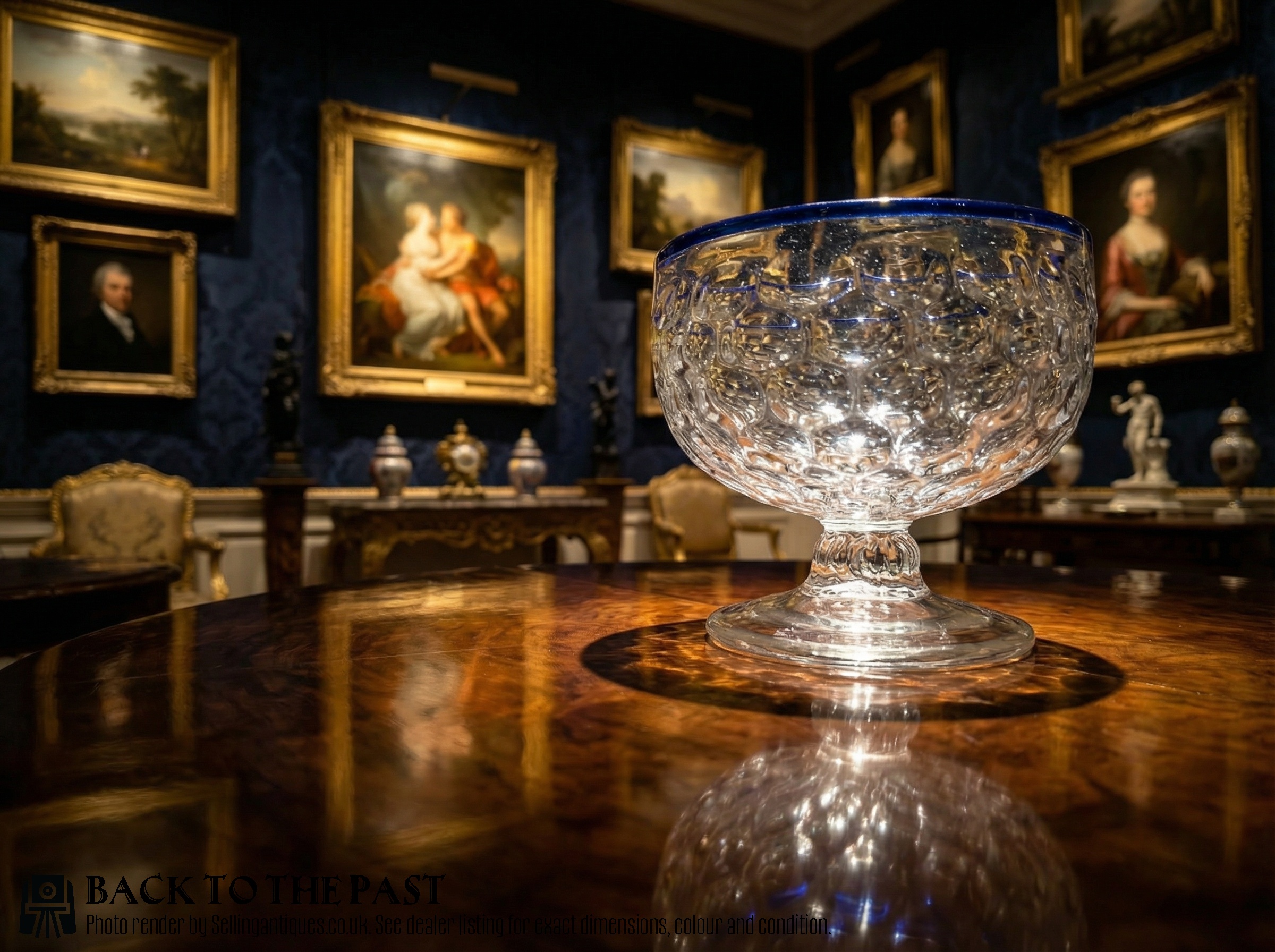
Antique Footed Sugar Bowl
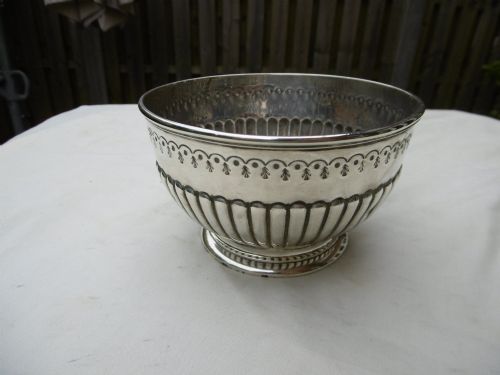
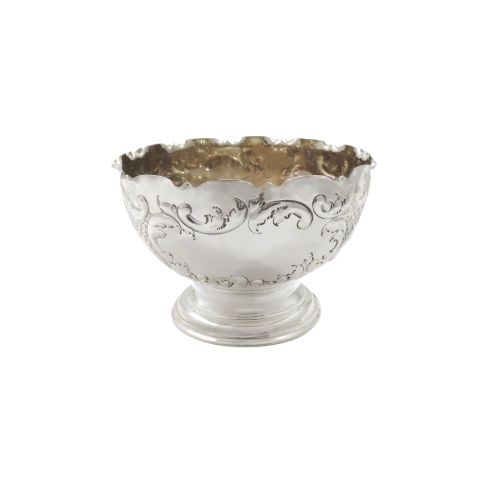
When you search for an antique footed sugar bowl, you are looking at elevated vessels designed to hold lump or loose sugar during formal tea service. The pieces found on this page span several centuries, crossing Georgian, Victorian, and Edwardian periods with distinct pedestal or footed designs.
The forms vary from simple rounded bowls to pierced silver baskets fitted with glass liners, along with larger tea sets and specialised bonbon dishes. You will encounter materials ranging from solid sterling silver to silver plate and cobalt or ruby glass.
Geographic origins in the listings stretch across English silversmithing traditions, Irish Georgian silver, Anglo-Indian colonial work, and Chinese export pieces. This variety means each bowl brings a different regional aesthetic and manufacturing history to the table.
Materials and construction methods
The construction relies heavily on solid sterling silver, silver plate, and blown glass inserts such as cobalt and ruby liners. Silversmiths formed the bodies through hammering, casting, and piercing techniques to create lattice patterns and raised pedestal feet.
Makers utilised traditional smithing methods, including hand-piercing decorative metalwork and soldering applied rims and feet to the main bowl body. Glass elements were mouth-blown and shaped to fit snugly inside pierced metal baskets.
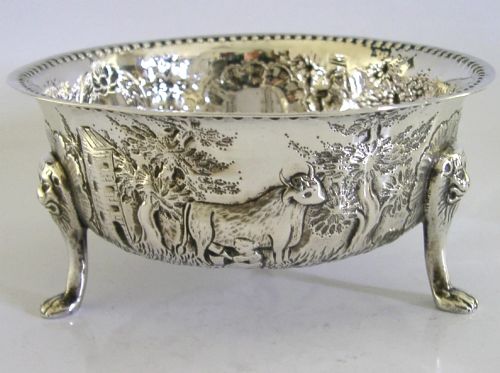
Some bowls feature hand-chased animal motifs, proving that Victorian tea tables occasionally welcomed a touch of unexpected wildlife.
Assessing quality and execution
Quality in these bowls rests on the crispness of the piercing, the weight of the metal, and the balance of the pedestal foot. Finer examples display precise hand-cut lattice work and substantial silver grams rather than thin plating.
The presence of original coloured glass liners and well-preserved maker marks elevates a piece, as does the complexity of engraved or chased decoration around the bowl.
Peter and William Bateman·Fenton
The Antique Footed Sugar Bowl Glossary
- Pedestal foot
- A raised base that lifts the bowl body off the table, common in Georgian and Victorian teaware. It adds height and architectural presence to the vessel.
- Pierced
- Metalwork that has been cut through to create decorative openwork patterns like lattices or scrolls. This technique lightens the visual weight of the silver.
- Sterling silver
- An alloy containing a high proportion of pure silver mixed with other metals for durability. It is the primary metal standard found across most English pieces.
- Silver plate
- A base metal coated with a thin layer of pure silver through electroplating or older techniques. It provided a bright finish at a more accessible cost.
- Cobalt glass
- A deep blue glass coloured with cobalt oxide, frequently used for contrasting liners inside pierced silver baskets. It offers a striking visual contrast to polished metal.
Antique Footed Sugar Bowl: Frequently Asked Questions
What is an antique footed sugar bowl used for?
These bowls served to hold sugar cubes or loose sugar granules on the tea table during formal afternoon gatherings. Guests would use sugar tongs to select portions for their tea.
Today, collectors frequently utilise them as decorative display items, small table centrepieces, or containers for holding small household trinkets.
How do I date an antique silver bowl?
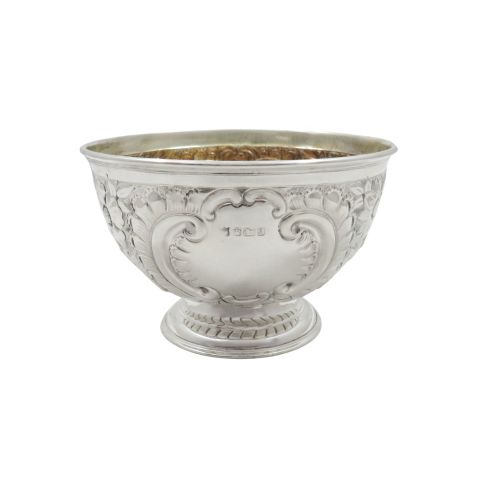
Dating relies on examining the hallmarks stamped into the metal, which typically indicate the assay office, the year of production, and the silversmith's mark.
Stylistic cues such as Georgian pedestal proportions, Victorian piercing, or Edwardian glass liners also help narrow down the decade of manufacture.
Are glass liners original to the bowls?
Many pierced silver baskets were designed specifically to hold coloured glass liners, protecting the metal from moisture and sugar acids.
Matching the exact fit, colour, and historical period of the glass helps determine whether a liner is contemporary to the silver basket.
How should I clean silver sugar bowls?
Maintenance requires gentle washing in warm soapy water using a soft cloth, followed by thorough drying to prevent water spots on the metal surface.
Harsh abrasive dips should be avoided to preserve the original patina and any delicate chased or pierced details.