


Antique Food Pantry
An antique food pantry is a sturdy timber storage piece designed to hold provisions, built to last centuries in domestic kitchens.
Antique Food Pantry
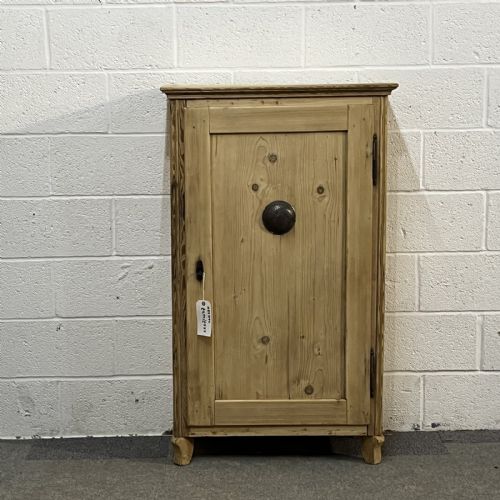
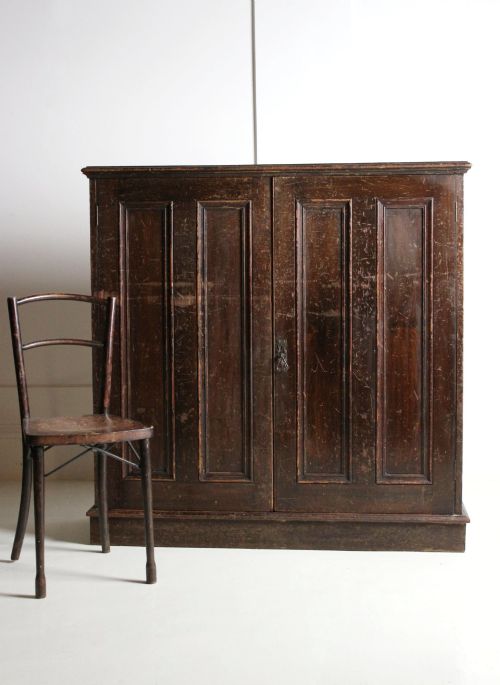
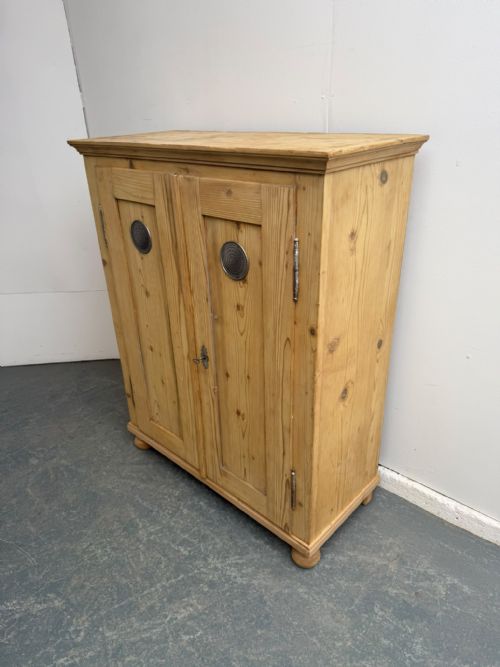
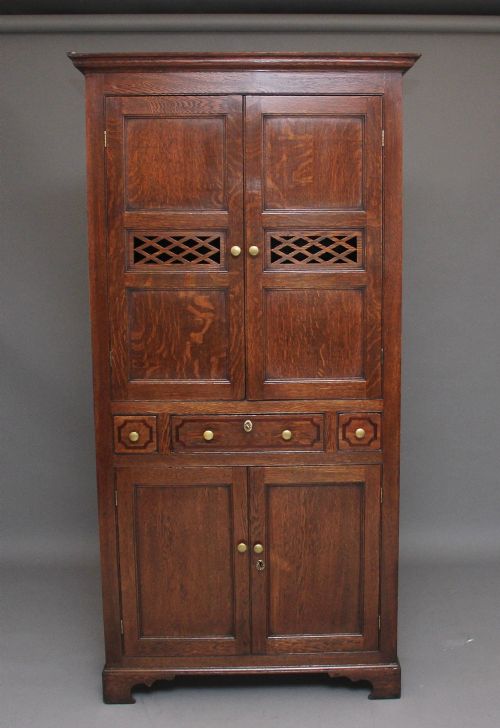
An antique food pantry serves as the traditional timber cabinet for storing kitchen provisions and dry goods before modern refrigeration. These functional storage units appear across regional domestic settings, spanning simple pine examples to substantial oak housekeeper designs.
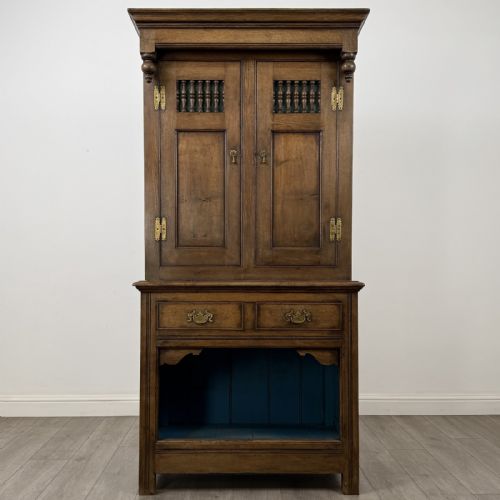
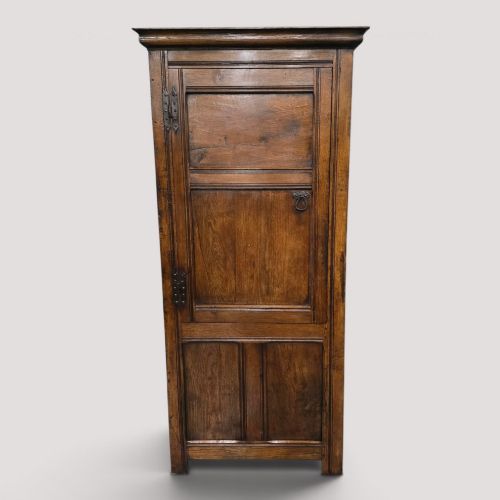
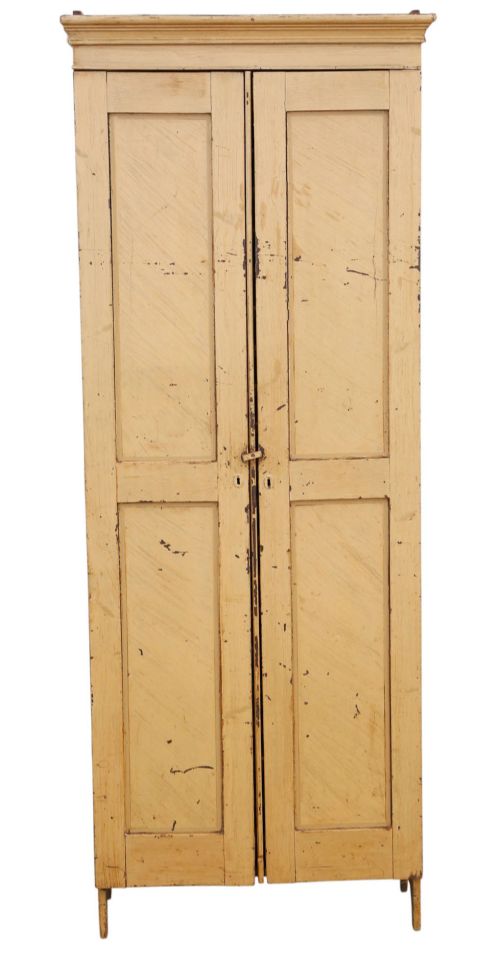
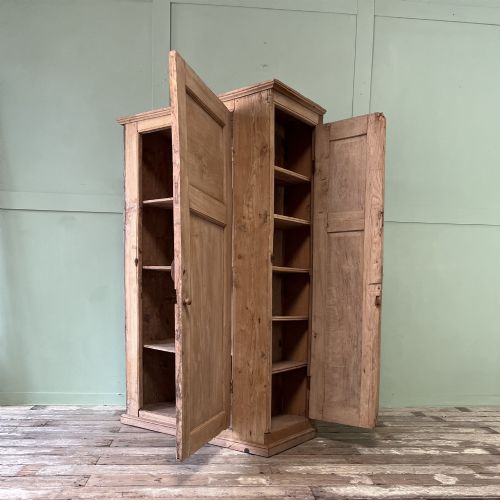
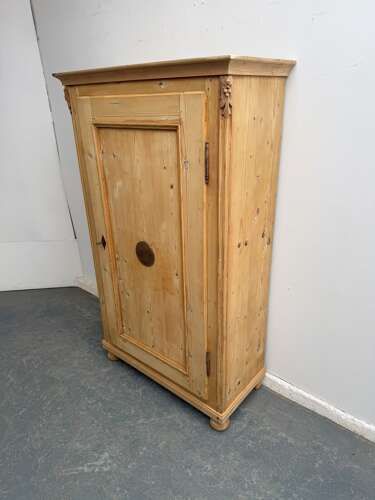
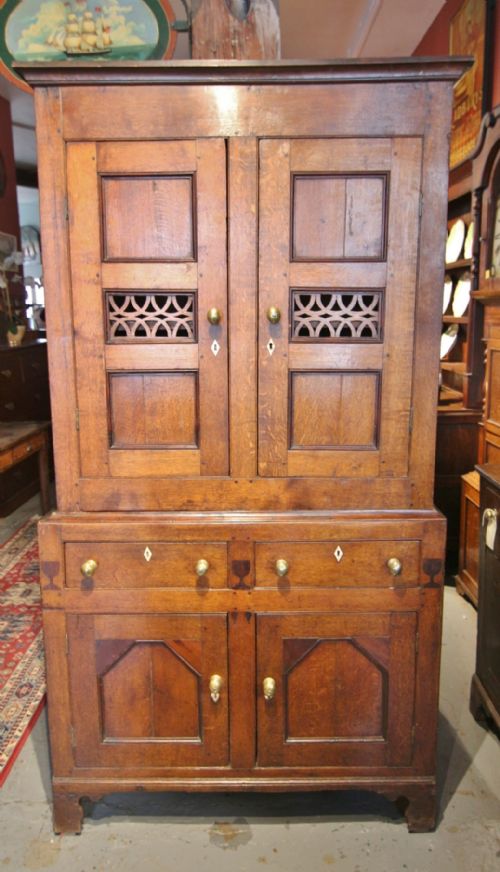
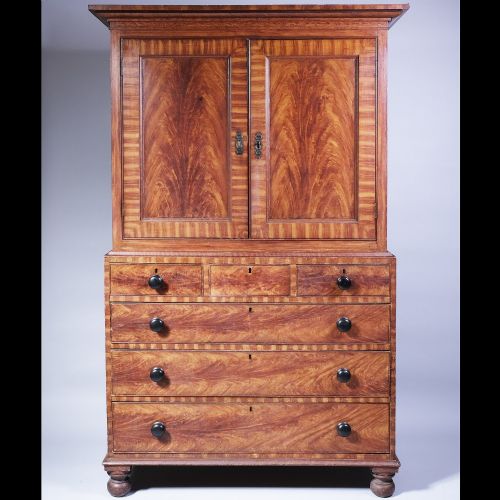
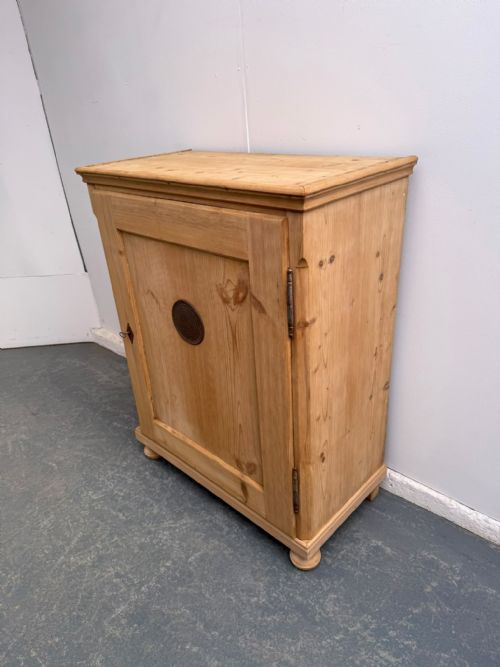
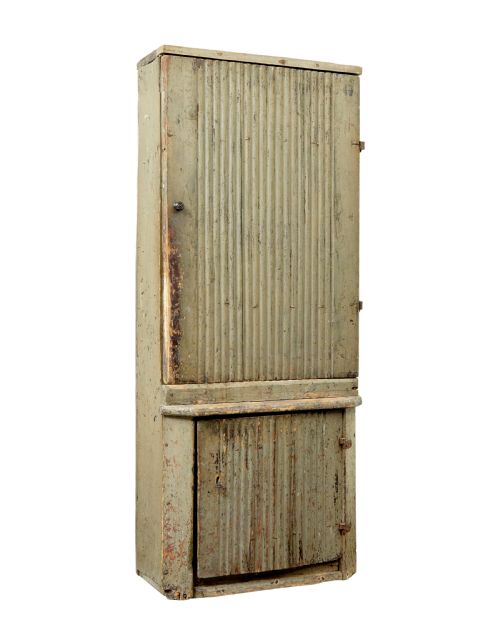
The pieces on this page include tall narrow kitchen cupboards, larder units, and specialised bread and cheese cupboards originating from British, French, Scandinavian, and wider European workshops. The Victorian pine vented cupboard represents the most common form encountered here.
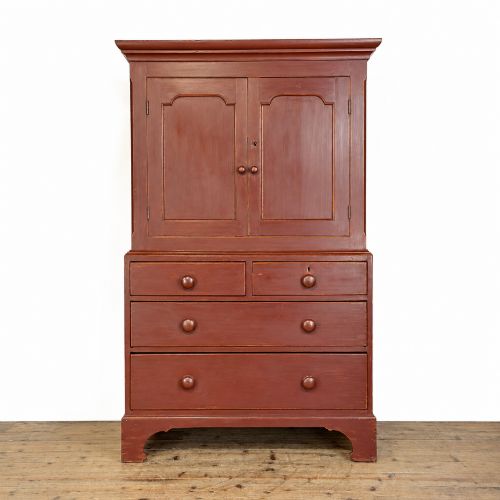
Makers constructed these storage cupboards in various configurations, ranging from single door vented formats to multi-drawer and two-door storage solutions. Styles stretch from eighteenth-century vernacular pieces to early twentieth-century interpretations.
Materials and construction methods
Cabinet makers relied primarily on solid timbers such as pine, oak, elm, and occasionally fruitwood for structural integrity. Boards joined through traditional methods, supported by wrought iron or brass hinges, latches, and pulls.
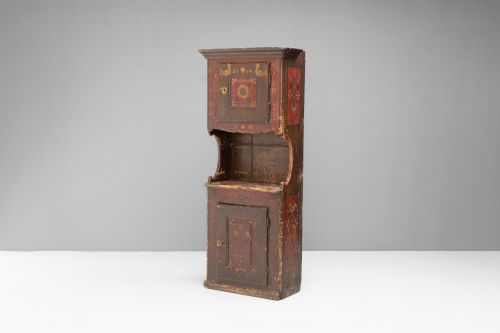
Surfaces frequently received protective or decorative treatments including scumble paint, cream paint, regional painted finishes, or clear wax. Vented doors utilised pierced or slatted wooden panels to circulate air around stored provisions.
Antique Food Pantry Retail Price Guide 2026
Typical asking prices for food pantry among the pieces listed under this phrase on Sellingantiques today, from the lower quarter to the upper quarter. They describe what is for sale here now, not the wider market.
Listings feature pine, oak, elm, and painted wood items spanning the eighteenth, nineteenth, and early twentieth centuries.
Quality variations in pantry cupboards
Construction depth and timber selection define the upper tier of these storage pieces, where dense regional oak or carefully seasoned elm outlasts softer utilitarian pine. Superior examples retain original hardware, intact panel work, and authentic surface patination without excessive modern timber replacement.
Decorative detailing elevates certain vernacular cupboards above basic utility, showing in carved pillar panels, inlaid woodwork, or deliberate painted finishes such as early scumble or regional colour. The preservation of original ventilation panels and interior shelving configurations further distinguishes finer specimens from simpler variants.
The Antique Food Pantry Glossary
- Housekeeper's cupboard
- A large storage cabinet traditionally used to store household linens, dry goods, and provisions under the care of the household housekeeper.
- Bread and cheese cupboard
- A regional storage piece featuring vented doors or panels specifically designed to keep dairy and baked goods fresh by allowing air circulation.
- Scumble paint
- A decorative surface finish applied with a translucent glaze over a base colour to imitate the grain pattern of more expensive hardwoods.
- Vernacular
- Localized domestic furniture built by regional craftsmen using traditional methods and native timbers rather than following strict classical academic design rules.
- Vented
- Fitted with pierced woodwork, mesh, or slatted panels to permit ventilation within an enclosed cupboard space.
Antique Food Pantry: Frequently Asked Questions
What is an antique food pantry?
An antique food pantry is a heavy timber cabinet built to store household provisions, dry goods, and kitchen stores before the invention of domestic refrigeration. These utility pieces ranged from simple regional pine cupboards to large fitted housekeeper units.
Craftsmen built them with solid boards and practical storage interiors, often incorporating ventilated doors to keep food cool and fresh. Today they function as freestanding kitchen larders or statement storage furniture.
How do I date an old pantry cupboard?
Dating relies on examining the timber species, construction joinery, fastener types, and surface finishes present on the cabinet. Eighteenth-century pieces commonly feature native elm or oak with pegged joints, while Victorian pine variants often show machine-sawn timber and simpler butt or rebate assembly.
Hardware style and underlying paint layers also help establish age. Original hinges and old surface treatments provide clear chronological indicators.
Where were these cupboards made?
These storage pieces originated in domestic kitchens and farmhouses across Britain, France, Scandinavia, and Eastern Europe. Regional workshops utilised whatever native timber grew nearby, resulting in distinct stylistic variations.
English and Welsh vernacular pieces contrast with French provincial examples and Scandinavian painted pine furniture. Each region developed specific door configurations and ventilation styles to suit local domestic needs.
How do I clean and care for a painted pine pantry?
Maintenance involves dusting with a soft dry cloth and avoiding harsh chemical cleaning agents that strip historic painted or waxed surfaces. Keeping the timber away from direct heat sources and extreme humidity prevents wood movement and paint flaking.
Applying a gentle microcrystalline wax helps protect bare pine surfaces while preserving aged patination. Regular gentle care maintains the structural integrity of old hinges and joints.