



Antique Folk Toy
An antique folk toy brings hand-carved character and playful social history straight into a room through simple vernacular craftsmanship.
Antique Folk Toy
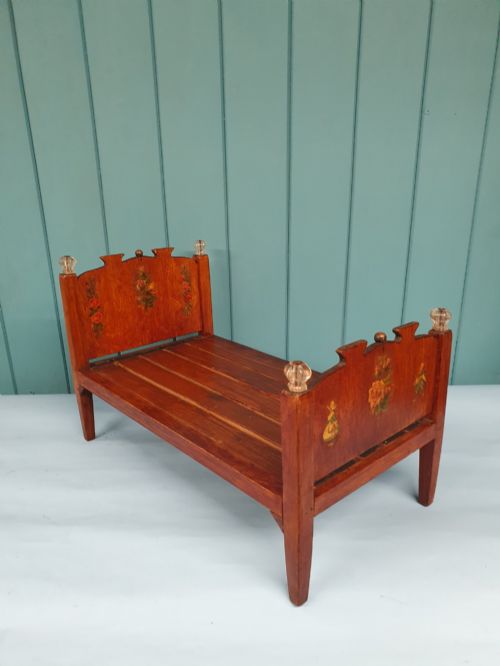
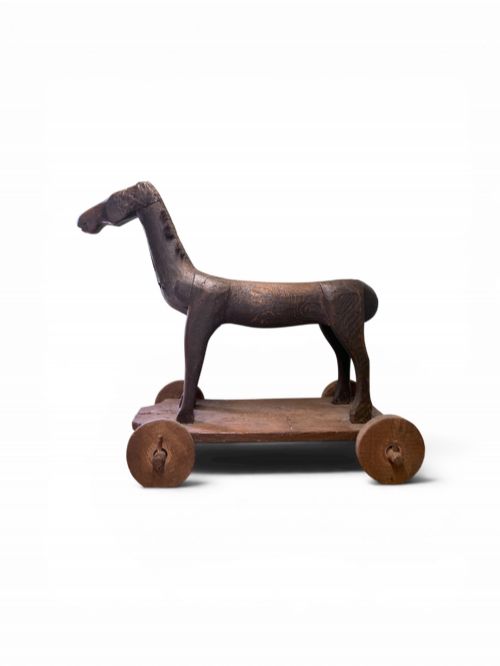
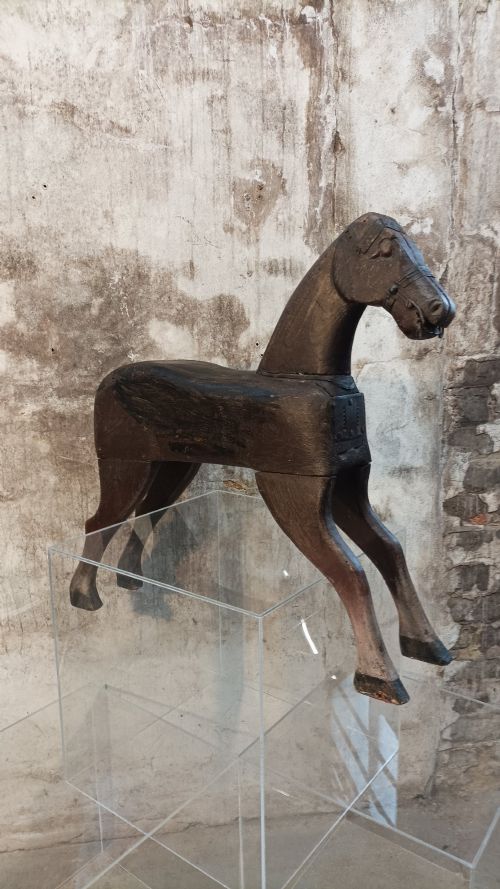
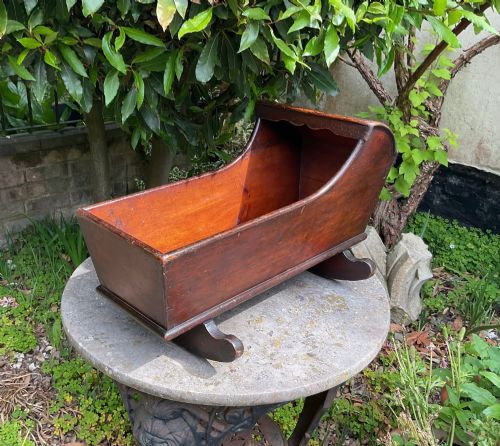
When you search for an antique folk toy, you encounter handmade playthings, miniature furniture, and naive animal sculptures originating from domestic workshops rather than commercial factories. The selection spans the eighteenth, nineteenth, and early twentieth centuries, capturing domestic creativity across various regions.
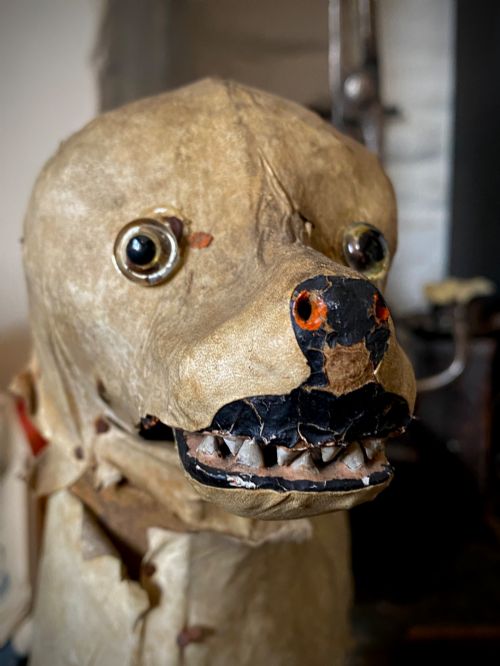
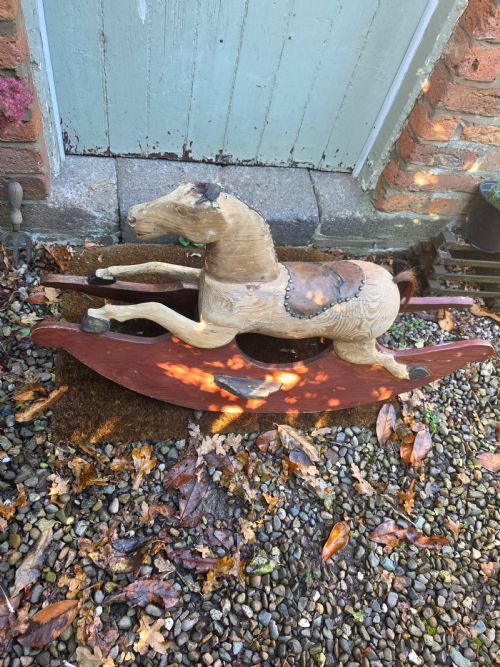
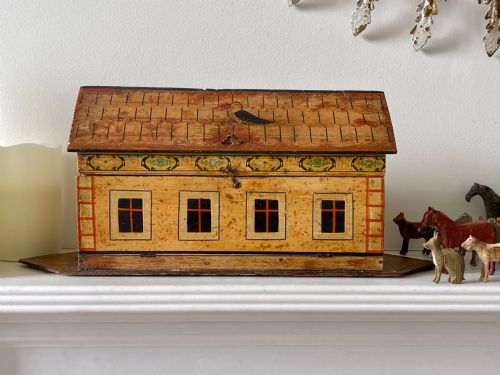
The most common forms on this page include carved wooden horses, rocking horses, Noah's ark sets, dolls' beds, and mechanical figures such as jigger dolls and whirligigs. These pieces reflect the everyday materials and aesthetic tastes of past households.
Makers ranged from rural artisans to parents carving for their children, applying straightforward methods to pine, hardwood, and metal. The resulting objects carry distinct tool marks and traces of genuine play.
Materials and construction methods
Wood serves as the primary medium, utilising pine, carved hardwoods, and treen alongside applied elements like horsehair and leather. Artisans shaped these materials with hand tools, forming solid bodies for rocking horses, miniature cradles, and animal figures.
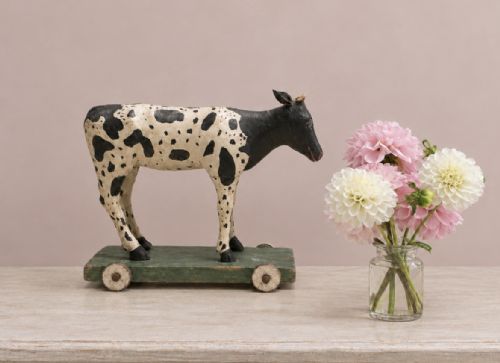
Paint finishes are frequently found in original layers, ranging from muted primers to bold decorative schemes on horses and Noah's ark animals. Metal components appear in balance toys, while textiles and paper mache support items like marionettes and bull figures.
Antique Folk Toy Retail Price Guide 2026
Typical asking prices for folk toy among the pieces listed under this phrase on Sellingantiques today, from the lower quarter to the upper quarter. They describe what is for sale here now, not the wider market.
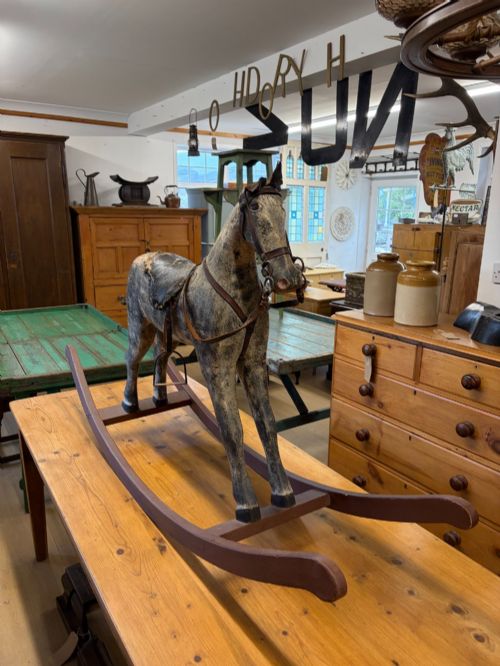
Several Victorian rocking horses retain their original dapples, looking ready to gallop straight out of the nursery.
Judging quality and character
Quality in these objects rests upon the strength of the carving, the expressive honesty of the naive form, and the survival of original surface paint. Pieces displaying deliberate proportions and untouched historic patination stand apart from heavily altered examples.
The integrity of construction matters, whether joining a rocking horse body to its safety swing or assembling a miniature dolls' bed with traditional fastenings. Greater sculptural animation in figures like jigger dolls or carved animal sculptures elevates a piece above standard domestic output.
The Antique Folk Toy Glossary
- Folk Art
- Artistic work produced from an indigenous culture or by a peasant labourer or other tradeperson. In toys, this implies a lack of academic training in favour of direct, expressive execution.
- Treen
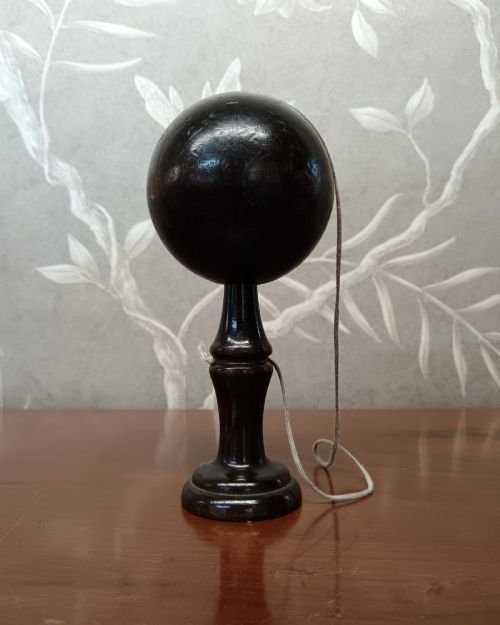
- Small handmade wooden domestic objects and utensils. This term covers miniature items and traditional pocket-sized playthings like bilboquet games.
- Bilboquet
- A traditional game consisting of a ball attached to a cup or pin by a string. Players attempt to catch the ball in the cup through coordinated movement.
- Jigger Doll
- A mechanical folk toy featuring a jointed wooden figure that dances on a board when tapped. These figures often wear period attire such as top hats and tailcoats.
- Whirligig
- A wind-driven kinetic sculpture that moves its arms or components when caught by breezes. American and English examples translate wind power into humorous mechanical motion.
- Patina
- The surface appearance developed by wood, paint, and metal through age and handling. This gradual change provides evidence of historic use.
Antique Folk Toy: Frequently Asked Questions
What is an antique folk toy?
An antique folk toy is a handmade plaything or miniature created by vernacular artisans or family members using traditional local materials. These items include carved wooden animals, rocking horses, and early mechanical figures.
Unlike mass-produced factory items, each piece displays individual hand carving, naive proportions, and historic painted surfaces reflecting domestic life from past centuries.
How do I care for wooden folk toys?
Wooden toys require stable room environments protected from direct sunlight, extreme heat sources, and damp conditions. Maintaining moderate humidity prevents the timber from splitting.
Dusting gently with a dry, soft cloth preserves delicate historic paint layers and horsehair without introducing moisture that might harm old glues and pigments.
Are these toys safe for children to play with?
These historical objects are intended as decorative antiques and collector pieces rather than modern playthings. Early finishes may contain lead-based paints, and fragile joints can detach during active use.
Displaying them securely on shelves or in cabinets protects their structural integrity and preserves their fragile patination for future study.
How can I tell the age of a folk toy?
Dating relies on examining tool marks, construction methods, timber species, and the chemical composition of original paint layers. Hand-sawn boards and early fasteners provide key chronological clues.
Comparing stylistic traits with documented examples from the eighteenth, nineteenth, and early twentieth centuries helps narrow down the period of manufacture.