





Antique Folk Chair
An antique folk chair brings regional craft and rural character into a room through honest timber and vernacular design.
Antique Folk Chair
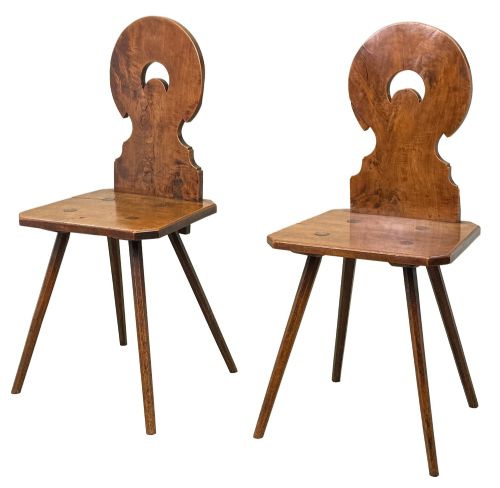
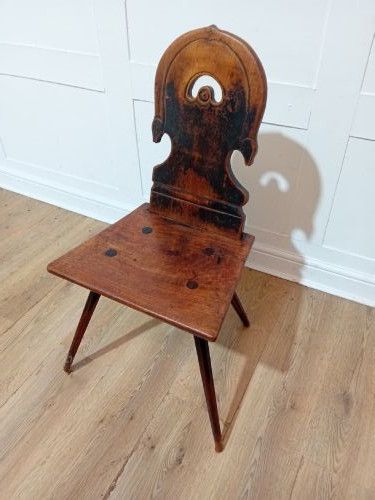
An antique folk chair encompasses utilitarian seating made by rural makers across Britain, Ireland, and continental Europe. These pieces reflect local traditions, utilising native materials and regional joinery methods rather than metropolitan furniture patterns.
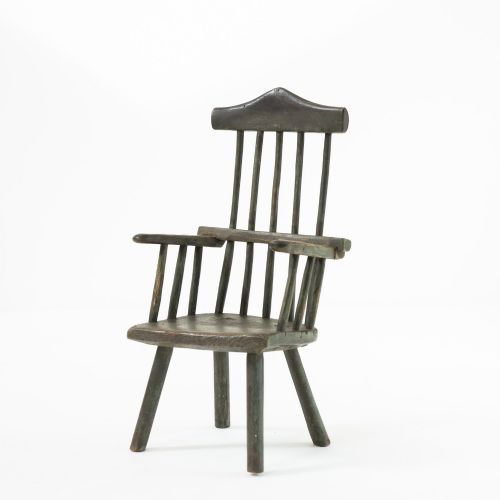
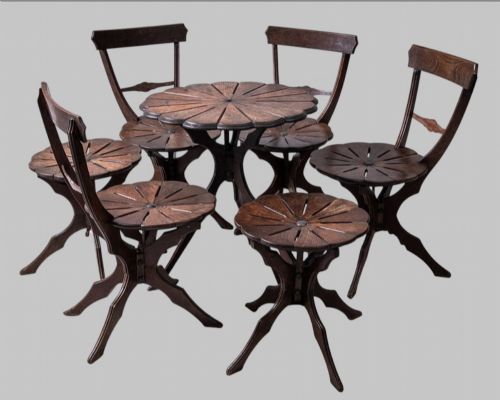
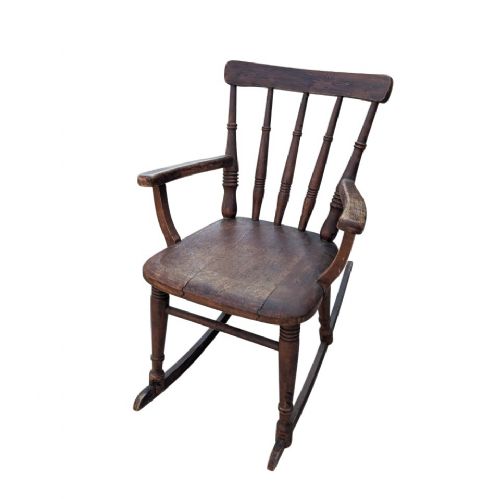
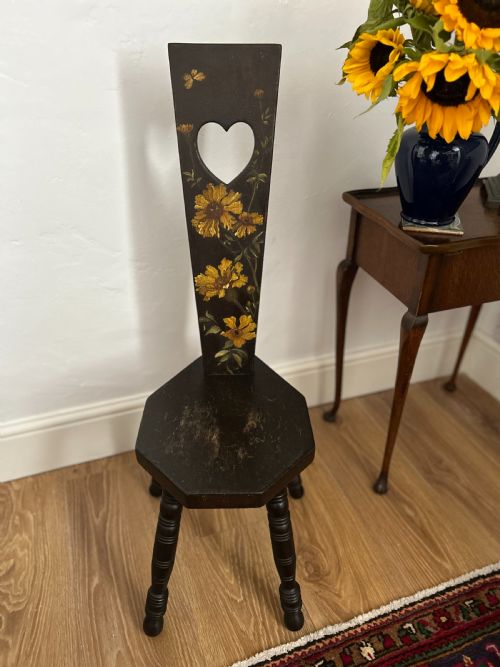
The selection ranges widely across forms, from armchairs and side chairs to rocking chairs, spinning chairs, and children's high chairs. Scandinavian, Swiss, Bavarian, and Welsh examples appear frequently, often displaying distinct regional carving or turning.
Makers shaped these seats for daily domestic use in cottages, farmhouses, and mountain dwellings. This practical origin gives each piece a straightforward presence that sets it apart from formal period furniture.
How they were made
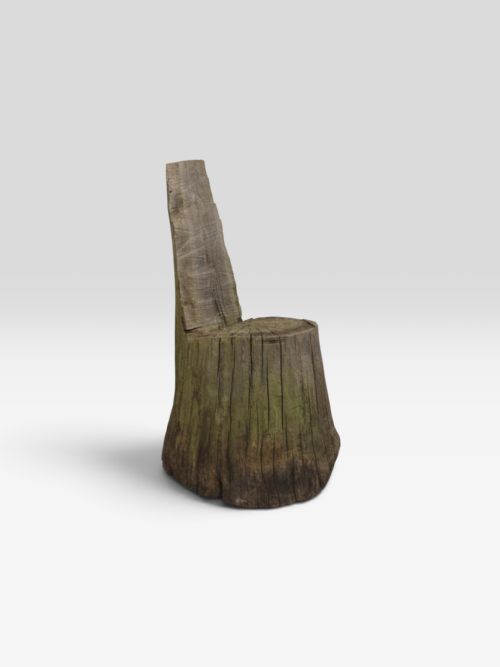
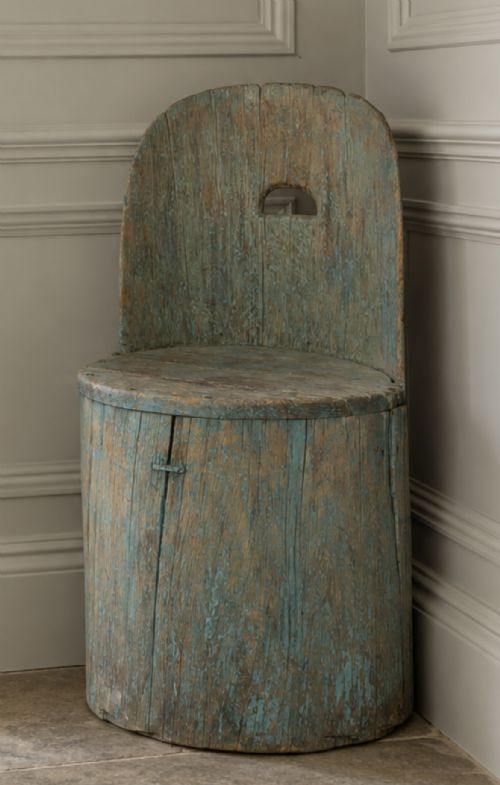
Makers relied on native hardwoods and softwoods such as oak, pine, fruitwood, beech, and ash, often shaping seats from a single dug out log. Turned spindles, stick backs, and pegged joints provided structural strength without complex metal hardware.
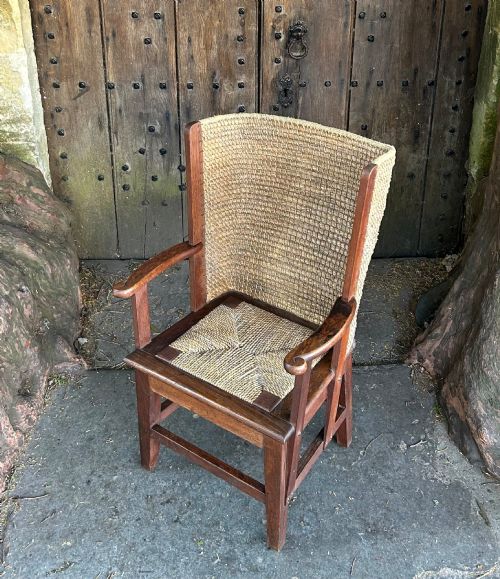
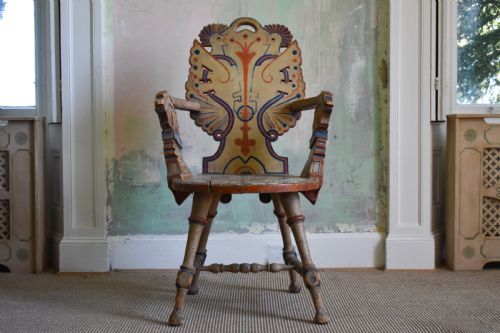
Surfaces frequently retain layers of original paint, stain, or distemper, while seats incorporate plaited straw, rush, or súgán cord. Carving and painted decoration draw directly on local folk motifs specific to regions like Tyrol, Hindeloopen, or the Scottish islands.
Antique Folk Chair Retail Price Guide 2026
Typical asking prices for folk chair among the pieces listed under this phrase on Sellingantiques today, from the lower quarter to the upper quarter. They describe what is for sale here now, not the wider market.
Regional styles represented include Scandinavian, Swiss, Bavarian, Welsh, and Irish vernacular traditions.
What varies in quality
Quality rests in the integrity of the original construction and the survival of early or untouched surfaces. Untouched painted finishes and honest structural wear distinguish pieces that retain their authentic domestic context.
The boldness of regional carving and the balance of vernacular proportions separate standard utility pieces from exceptional works of folk art. Untouched original straw work or early paint elevates the standing of an individual chair.
The Antique Folk Chair Glossary
- Dug out chair
- A primitive seat formed by hollowing out a single solid log of timber. This heavy construction represents one of the oldest forms of rural seating.
- Spinning chair
- A small, low seat often featuring an elaborately carved back panel. These pieces were traditionally used by women engaged in spinning yarn.
- Orkney chair
- A distinct regional armchair featuring a high, pegged strawwork back supported by a wooden frame. They were designed to protect the sitter from draughts in remote northern dwellings.
- Súgán chair
- A traditional Irish chair fitted with a seat made from twisted straw or hay rope. The flexible plaiting provides a resilient and comfortable surface.
- Escabelle
- A traditional type of continental wooden chair or stool with a panelled back and box base. They are frequently associated with Swiss and Alpine folk furniture traditions.
Antique Folk Chair: Frequently Asked Questions
What is an antique folk chair?
An antique folk chair is a piece of vernacular seating made by regional craftspeople for everyday use in rural homes. These chairs reflect local cultural traditions and materials rather than urban fashion.
They include dug out seats, stick back armchairs, spinning chairs, and painted rocking chairs from Britain, Scandinavia, and central Europe.
How were folk chairs used?
These chairs served practical functions around the farmhouse, cottage, or mountain dwelling, from fireside seating to specialised tasks like spinning.
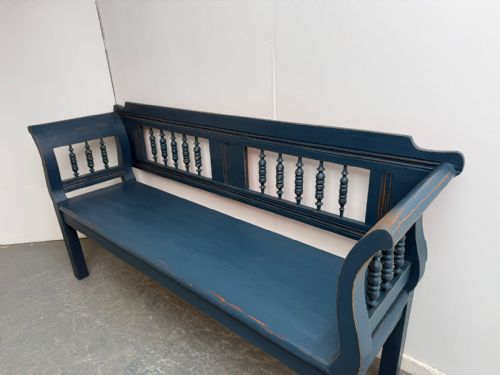
Smaller variants were built as children's high chairs or armchairs, while larger benches and settles accommodated multiple sitters by the hearth.
How do I live with a folk chair?
Folk chairs anchor modern interiors by introducing warmth, texture, and a sense of history to a room. Their sculptural forms work well as standalone accent pieces in hallways, bedrooms, or living spaces.
Position them away from direct heat sources and strong sunlight to protect aged timber, original painted surfaces, and natural straw seats.
How can I tell the period?
Dating relies on construction methods, tool marks, timber selection, and regional style indicators. Pegged joinery, adze marks, and early painted layers point toward the eighteenth and nineteenth centuries.
Comparing regional turning patterns and vernacular forms against documented examples helps narrow down the geographic origin and approximate date of manufacture.