



Antique Folk Art Games
These antique folk art games are tactile pieces of social history, offering hand-carved boards and traditional amusements that bring character to any interior.
Antique Folk Art Games
The pieces you are most likely to meet on this page span the nineteenth and early twentieth centuries, encompassing Victorian and Edwardian examples. They take familiar domestic pastimes, such as cribbage and ball and cup games, and elevate them through individual craftsmanship and vernacular design.
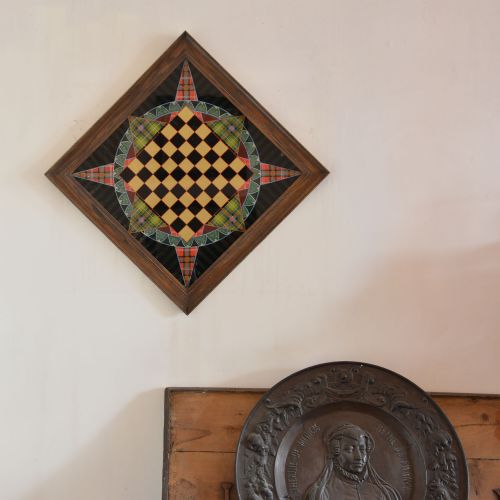
Originating from various British and European traditions, these items include Scottish reverse glass painted boards, French country boules sets, and English carved treen. Each piece reflects regional materials and local pastimes of its era.
Materials and construction methods
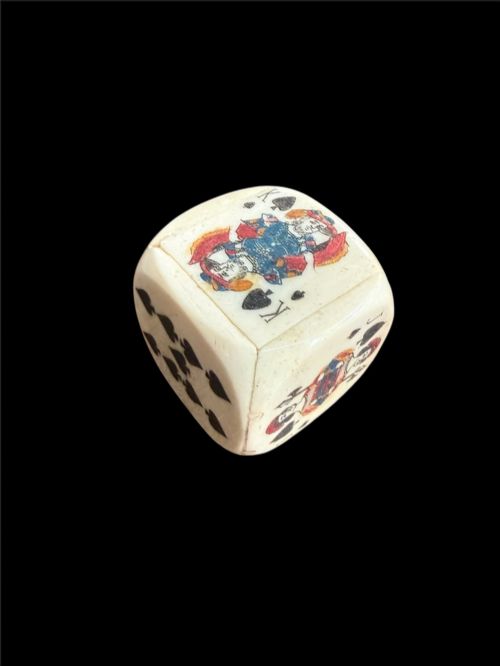
Wood serves as the primary medium for these pieces, utilising timber, ebonised wood, and carved elements fashioned by hand with simple workshop tools. Artisans also worked with bone, stag horn, cord, glass, and ink to add contrast and detail to playing surfaces and gaming pieces.
Surface decoration relies heavily on traditional techniques such as reverse glass painting, hand-applied paint, and intricate carving. These methods impart the distinct vernacular charm characteristic of folk art objects produced outside large industrial factories.
Antique Folk Art Games Retail Price Guide 2026
Typical asking prices for folk art games among the pieces listed under this phrase on Sellingantiques today, from the lower quarter to the upper quarter. They describe what is for sale here now, not the wider market.
Listings feature items from the nineteenth century, Victorian era, nineteen-twenty, and Edwardian period.
Judging quality in folk art pastimes
Quality in these items rests upon the depth and vigour of the hand carving, the clarity of painted details, and the preservation of original surfaces. Pieces with expressive sculptural forms and untouched patination stand apart from plainer, more utilitarian examples.
The integrity of the materials also dictates standing, with well-figured timber, complete sets of original gaming pieces, and crisp glass panels elevating an object. Evidence of genuine handling and domestic use over generations adds authenticity to the construction.
The Antique Folk Art Games Glossary
- Treen
- Small wooden domestic objects made by turning or carving. These items include everyday household utensils, small games, and decorative novelties.
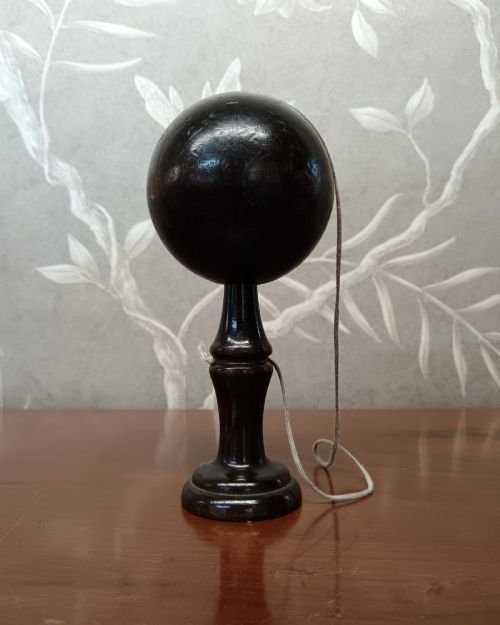
- Bilboquet
- A traditional skill toy consisting of a ball attached by a cord to a cup or spike. Players attempt to catch the ball in the cup or on the point.
- Cribbage board
- A counting board used to score the card game cribbage. They are frequently carved from bone, horn, or timber with small peg holes.
- Ebonised wood
- Timber treated with a dark stain or finish to imitate ebony. This technique provides a stark, contrasting surface for games and decorative objects.
- Reverse glass painting
- An artistic technique where an image is painted directly onto the back of a glass pane. Viewed from the front, the colours appear glossy and protected.
Antique Folk Art Games: Frequently Asked Questions
How were these games used?
People used these objects for domestic entertainment, social gatherings, and public amusement in settings ranging from parlours to fairgrounds. They provided physical skill challenges, card scoring, and group leisure before mass-produced plastic toys existed.
Many pieces served dual purposes as both functional gaming equipment and decorative interior items. Their survival points to careful handling by families over generations.
How do I live with antique folk art games?
Display these pieces on open shelves, sideboards, or coffee tables where their tactile textures and hand-carved details can be appreciated up close. They integrate easily into rustic, traditional, or contemporary interiors by adding warmth and historical narrative.
Keep them away from direct sunlight and extreme humidity changes to protect painted surfaces, delicate cords, and aged timber. Handle wooden and horn components gently to preserve their original patination.
How do I tell periods apart?
Victorian and nineteenth-century pieces often display traditional hand-carved motifs, bone components, and domestic pastimes like cribbage and bilboquet. They rely on classic materials such as timber, ebonised wood, and reverse glass painting.
Early twentieth-century and Edwardian items frequently include fairground panels, carnival targets, and clockwork mechanisms reflecting changing leisure habits. Stylistic shifts from Victorian folk art towards bolder fairground graphics help distinguish the later eras.