






Antique Folio Rack
An antique folio rack is a substantial stand designed to hold large prints, drawings, and maps, and a collector chooses one for its rich timbers and practical display capability.
Antique Folio Rack
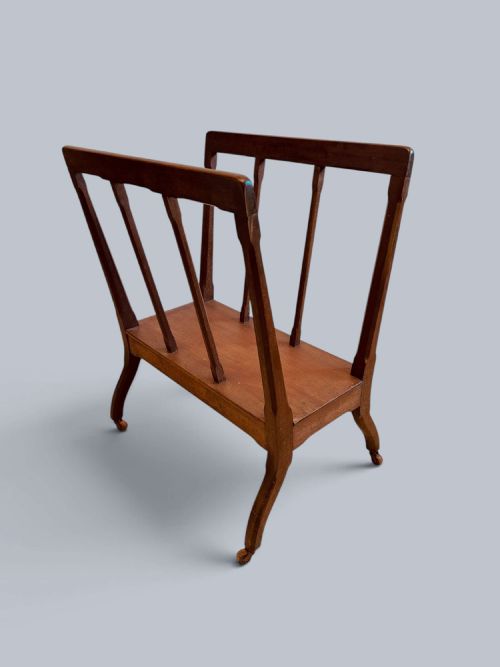
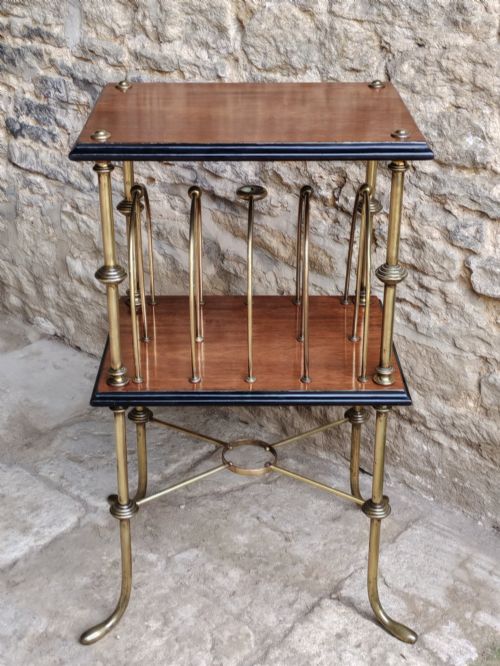
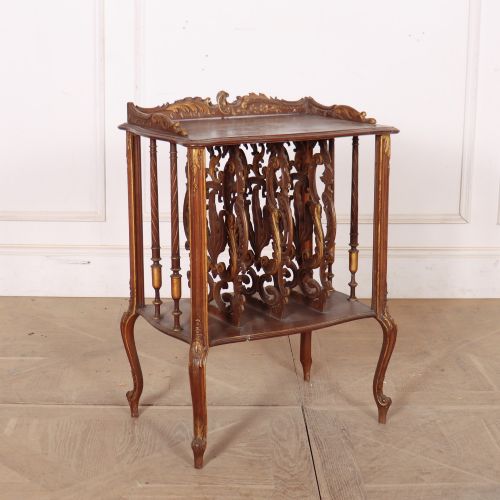
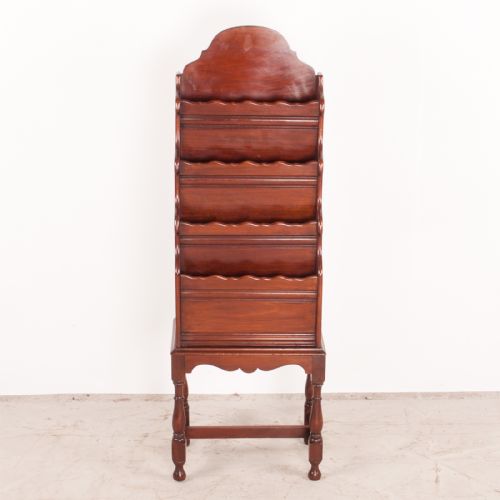
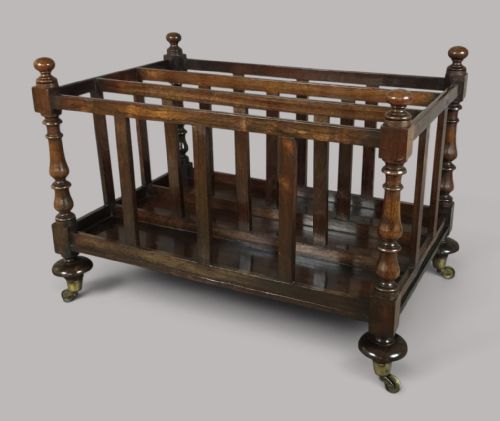
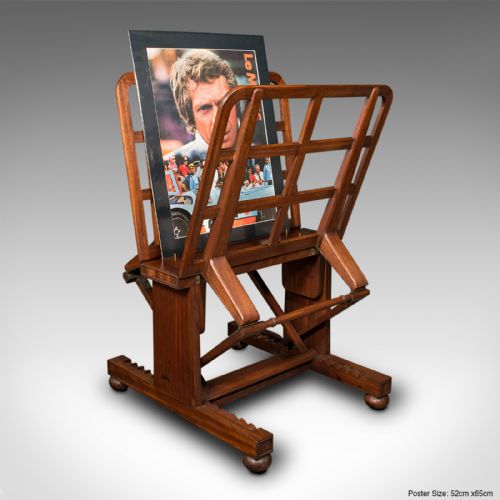
An antique folio rack takes several forms across this selection, appearing primarily as dedicated folio stands, adjustable picture racks, and hybrid canterburys or magazine tables. These pieces span periods from the Georgian and Regency eras through to the Victorian period, with occasional twentieth century examples.
The form is built to hold oversized papers securely while allowing them to be browsed with ease. Buyers frequently encounter robust mahogany, rosewood, and walnut frames, sometimes enhanced with brass mounts or turned feet.
Materials and construction methods
Cabinetmakers utilised dense hardwoods such as mahogany, rosewood, and teak to provide the structural strength needed for heavy portfolios and books. These timbers were often finely turned or carved, reflecting the Regency, Victorian, and French Rococo Revival tastes of their respective periods.
Metal components played a crucial functional role, with brass fittings and original castors allowing these large stands to be repositioned smoothly across a room. Joinery was executed to support heavy loads without compromising the elegance of the profile.
Antique Folio Rack Retail Price Guide 2026
Typical asking prices for folio rack among the pieces listed under this phrase on Sellingantiques today, from the lower quarter to the upper quarter. They describe what is for sale here now, not the wider market.
Distinctions in craftsmanship
Quality in an antique folio rack is found in the integrity of the timber selection and the precision of the mechanical adjustments. Superior examples exhibit finely figured mahogany or rosewood grains and robust hinges or racks that hold their position securely under weight.
Proportion and scale also separate standard items from exceptional pieces, such as grand country house stands or adjustable artist models. The refinement of turned details and the presence of original brass castors complete the measure of a finer piece.
The Antique Folio Rack Glossary
- Folio stand
- A piece of furniture designed specifically to store and display large sheets of paper, prints, or maps. They usually feature hinged sides that open in an A-frame configuration.
- Canterbury
- A low stand with vertical partitions, originally created to hold sheet music or folios. Many examples incorporate a drawer at the base for smaller accessories.
- Regency
- A British design period spanning the early nineteenth century, characterised by classical restraint, architectural lines, and often influenced by ancient Roman and Greek forms.
- Rosewood
- A heavy, durable timber with a distinct dark grain pattern highly favored during the Regency and Victorian periods for fine cabinet making.
Antique Folio Rack: Frequently Asked Questions
What were antique folio racks originally used for?
These racks were utilised in libraries, studios, and grand drawing rooms to store large unbound prints, architectural drawings, and valuable maps without damaging them.
They allowed collectors and artists to display and browse large sheets easily by flipping through the upright compartments.
How do I date an antique folio rack?
Dating relies on observing the prevailing wood species, turning styles, and construction methods characteristic of periods like the Regency or Victorian eras.
Fittings such as brass castors and the style of any carving provide further clues to the decade of manufacture.
Can I use a folio rack for modern art prints?
These stands are well suited for housing contemporary large-format prints, photographs, and oversized books in a domestic setting.
The sturdy timber frames and deep troughs keep paper collections organised and accessible.
Are all folio racks adjustable?
Adjustability varies by design, with some dedicated artist and architect models featuring mechanisms to alter the angle of the display sides.
Other forms, such as standard canterburys or fixed magazine tables, maintain a static A-frame or vertical partition structure.