





Antique Folio Holder
An antique folio holder is a sturdy wooden rack designed to store large prints, maps and drawings safely. You want one to display oversized artwork and keep papers flat in a study.
Antique Folio Holder
When you search for an antique folio holder, you encounter robust timber stands built to support heavy paper collections without bending. The pieces here span the Regency and Georgian eras alongside later Victorian and 1920s interpretations.
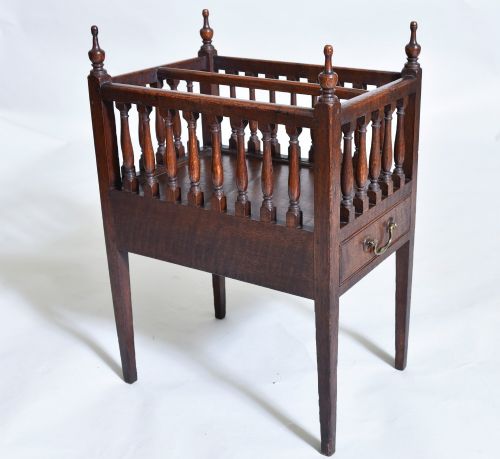
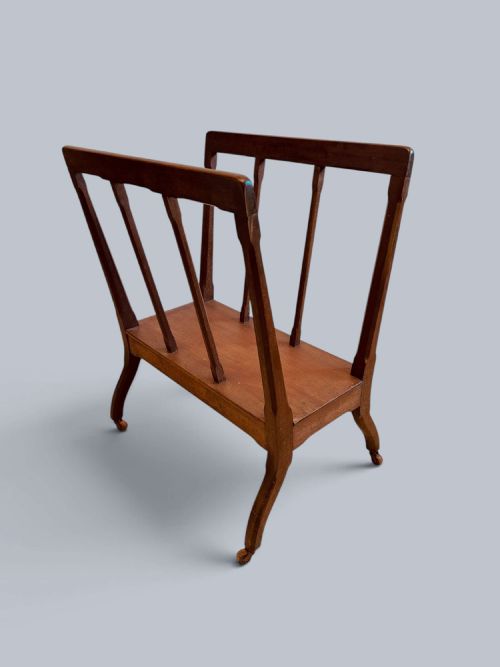
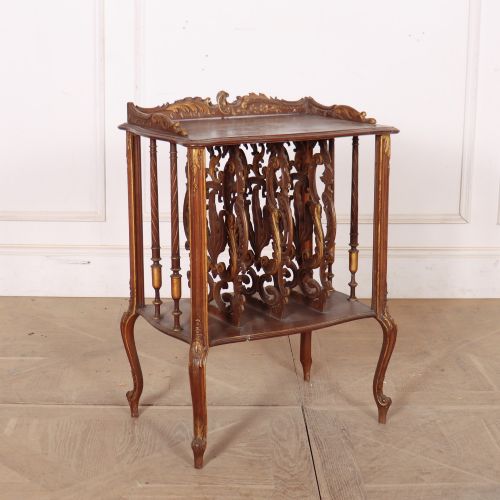
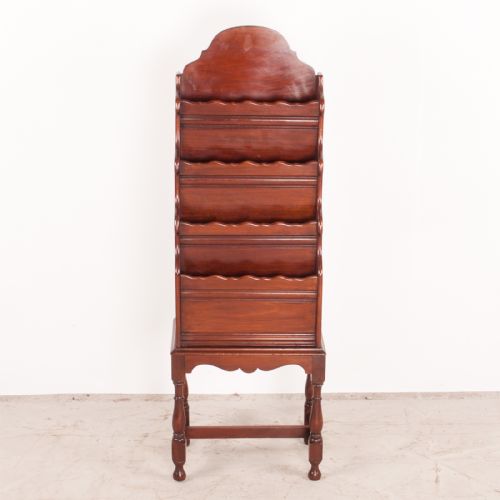
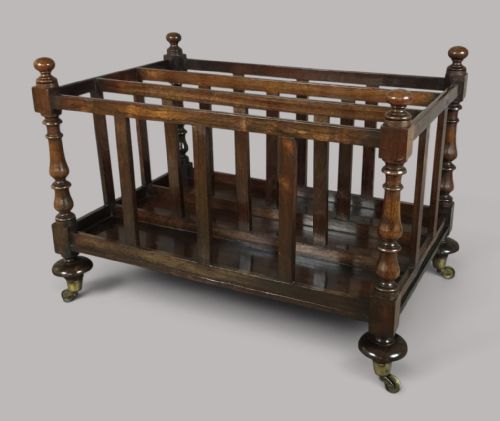
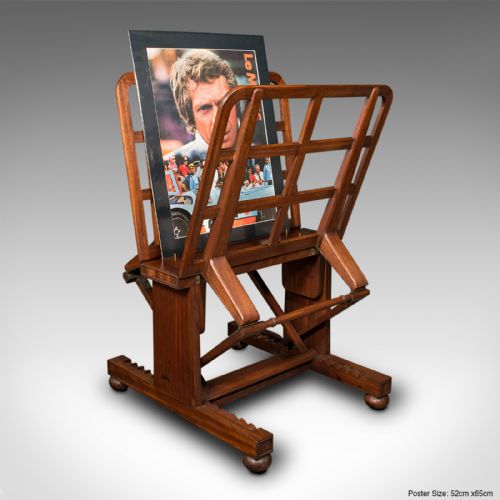
The form typically manifests as an adjustable rack or a combined canterbury with slatted dividers. These items originated in grand country houses and artist studios to house architectural plans and master drawings.
Mahogany and rosewood dominate the material record, frequently accompanied by brass fittings and walnut accents. You are most likely to meet mahogany examples featuring adjustable mechanisms and generous country house proportions.
Materials and construction
Cabinet makers utilised dense hardwoods such as mahogany and rosewood to ensure the upright frames could bear the weight of heavy paper stacks. These timbers were selected for their structural integrity and polished to a rich finish.
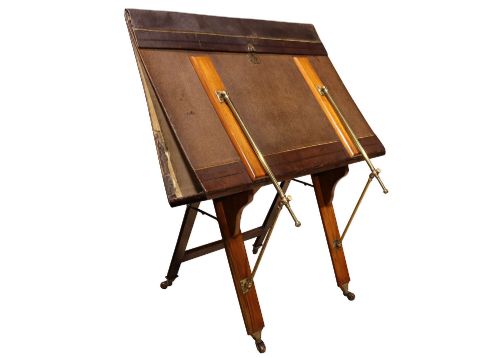
Brass fittings appear as hinges, castors and adjustable ratchet mechanisms that allow the stand to alter its angle. Skilled joinery connects the slatted sides to sturdy bases, often supported by turned legs and rolling castors.
Antique Folio Holder Retail Price Guide 2026
Typical asking prices for folio holder among the pieces listed under this phrase on Sellingantiques today, from the lower quarter to the upper quarter. They describe what is for sale here now, not the wider market.
Assessing quality in folio stands
Quality rests upon the proportion of the timber frame and the smoothness of any adjustable mechanism. Finer examples display carefully figured mahogany or rosewood grain across the broad upright panels and solid stretcher bases.
The refinement of the turned uprights and the weight of the brass components separate standard utility pieces from grand architectural commissions. Superior construction ensures the stand remains stable even when fully loaded with heavy folios.
Gillow s
The Antique Folio Holder Glossary
- Canterbury
- A low stand featuring slatted dividers, originally intended for sheet music and folios. It usually sits on castors for easy movement across a room.
- Folio Stand
- A hinged or fixed rack designed specifically to hold large portfolios of prints and drawings upright. The design prevents delicate paper from curling or creasing.
- Regency
- A British design period spanning the early nineteenth century, known for classical restraint and the use of exotic timbers like rosewood. Pieces from this era often incorporate bold brass details.
- Ratchet mechanism
- An adjustable metal rack fitted between the uprights to alter the viewing angle of the stand. It allows the frame to be secured at various positions.
Antique Folio Holder: Frequently Asked Questions
What were antique folio holders used for?
These stands served artists, architects and collectors as practical storage for large unbound papers, maps and prints.
They kept delicate works flat and accessible in studios and libraries without risking damage from rolling or folding.
How do I choose the right size?
Consider the scale of the room and the dimensions of the artwork or papers you intend to store.
Grand country house proportions require substantial floor space, whereas smaller variants fit neatly beside a desk or reading chair.
Can I adjust the stand angle?
Many period examples feature a brass ratchet mechanism that alters the incline of the display frame.
This allows you to exhibit a favourite print securely or lay the rack flat for browsing through a collection.
How do I distinguish Regency pieces?
Regency folio holders typically display dense rosewood or mahogany timbers paired with classical brass mounts and castors.
Makers of this era focused on clean architectural lines and robust construction suited to grand country houses.