


Antique Flower Illustration
These antique flower illustration pieces range from delicate watercolour paintings to hand-coloured engravings capturing botanical studies.
Antique Flower Illustration
An antique flower illustration brings historic botanical observation into modern interiors through original watercolours, framed artwork, and early prints. Buyers seek these works to add natural detail and period character to domestic spaces.
The selections available span several distinct eras, with nineteenth-century pieces forming a substantial part of the range. Examples stretch from eighteenth-century engravings to works produced in the nineteen-twenties and thirties.
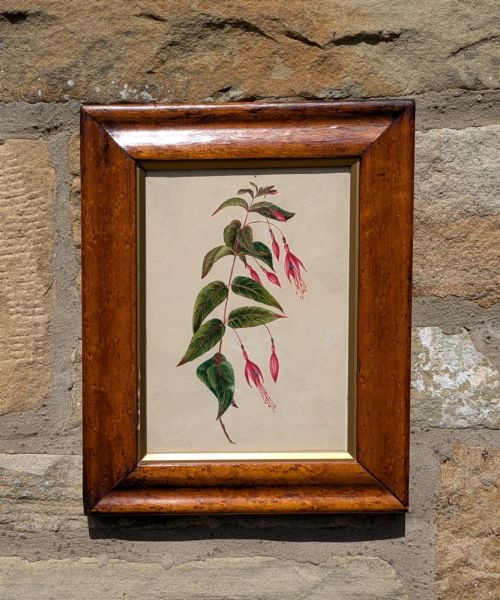
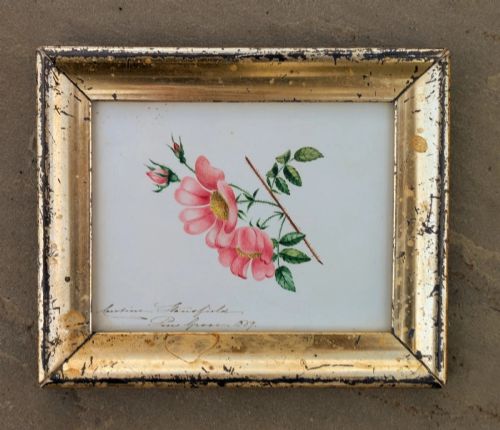
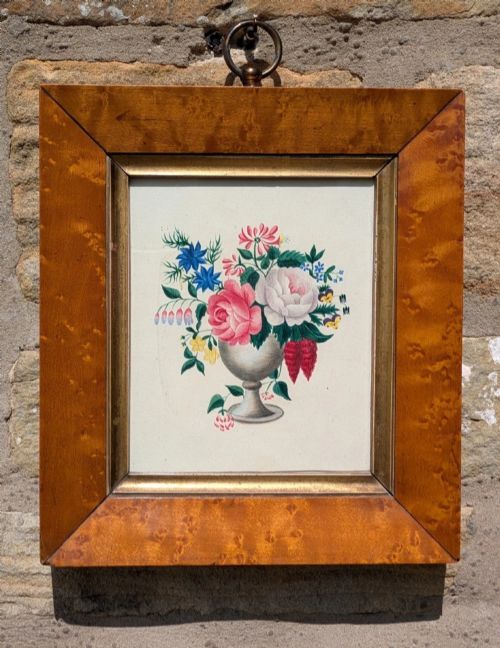
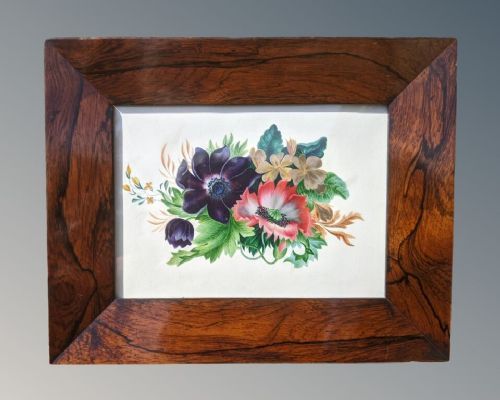
Subjects appear primarily as individual flower studies, framed wall art, and still life compositions featuring subjects such as pelargoniums, wild roses, and azaleas. Framed formats predominate, utilising wood, rosewood, and gilt wood surrounds.
Assessing quality and execution
The fineness of the brushwork or the crispness of the engraved line dictates the visual strength of each piece. Skilled hand-colouring on early prints preserves fine botanical detail without obscuring the printed marks beneath.
Preservation of the paper support and the vibrancy of the original pigments influence the overall desirability of an artwork. Period framing that suits the age of the paper adds appropriate contextual integrity.
Several flower studies manage to include an unexpected butterfly or bird's nest tucked quietly among the petals.
Henrietta Creswell·Eloise Harriet Stannard·Jabez Bligh·Charlotte Isa James·Alice Macallan Swan·Annie Mary Youngman·Edith Alice Andrews·Georg Wolfgang Knorr·M.K Rhodes·Pierre-Joseph Redouté·Minnie Smythe·George Dionysius Ehert
The Antique Flower Illustration Glossary
- Watercolour
- A painting method where fine pigment is suspended in a water-based solution on paper. This medium allows for transparent washes that capture delicate petal textures.
- Engraving
- A printmaking technique where an image is incised into a metal plate to hold ink. Hand-coloured examples receive pigment by hand after the printing process.
- Botanical
- Scientific illustration focused on the accurate depiction of plant forms and structures. These works combine artistic skill with empirical observation.
- Still life
- An artwork depicting inanimate subject matter, frequently featuring arrangements of cut flowers in vases or baskets. This genre highlights the texture and form of natural objects.
- Hand-coloured
- A print that has received pigment by hand after the initial impression is struck. This method adds individual colour variation to multiple printed sheets.
Antique Flower Illustration: Frequently Asked Questions
How do I date an antique botanical?
Dating relies on examining the paper stock, framing methods, and stylistic conventions used in the artwork. Inscribed dates or artist signatures provide the most direct evidence for the period of creation.
Changes in printing technology and watercolour palettes across the eighteenth, nineteenth, and early twentieth centuries also offer clues to the age of the piece.
Are these works original or prints?
The selection includes both original hand-painted watercolours and historic printed engravings. Close inspection under magnification reveals whether an image consists of ink lines or direct brushstrokes.
Original paintings show the texture of dried pigment on paper, while engravings display the distinct indentation left by a printing plate.
How should I hang botanical watercolours?
Paper works require protection from direct sunlight to prevent the fading of delicate watercolours and hand-coloured inks. Positioning them away from bright windows preserves the original pigment tones.
Using conservation-grade mounting materials during framing prevents acid migration from backing boards and maintains the longevity of the paper support.
What subjects are most common?
Floral studies frequently focus on specific garden varieties such as pelargoniums, roses, azaleas, and fuchsias. Compositions range from scientific single-stem diagrams to decorative still life arrangements.
Artists often placed blooms alongside natural elements like birds' nests, butterflies, or woven baskets within the composition.