



Antique Flower Container
An antique flower container brings nature indoors through hammered metal or carved wood, offering enduring craftsmanship for any room.
Antique Flower Container
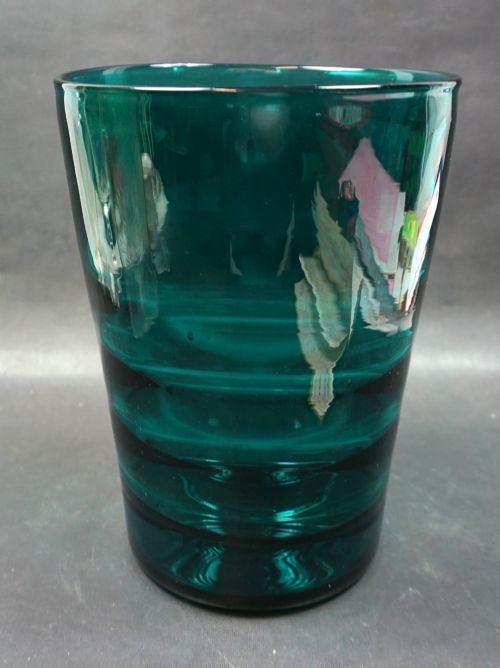
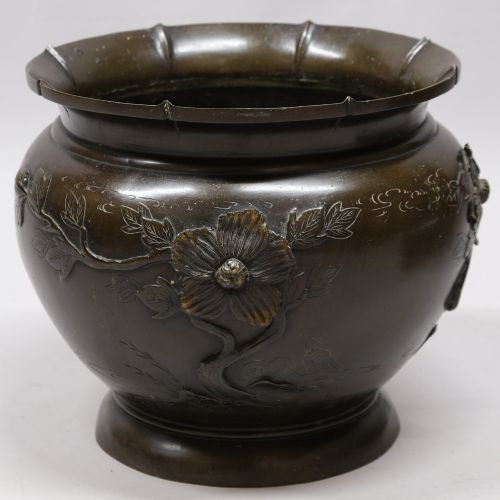
The forms vary widely across the inventory, taking shape as large copper buckets, Japanese bronze planters, and intricate small vases. Many examples date from the late nineteenth and early twentieth centuries, reflecting the domestic horticultural interests of those periods. These vessels function equally well as standalone decorative objects or as working indoor planters.
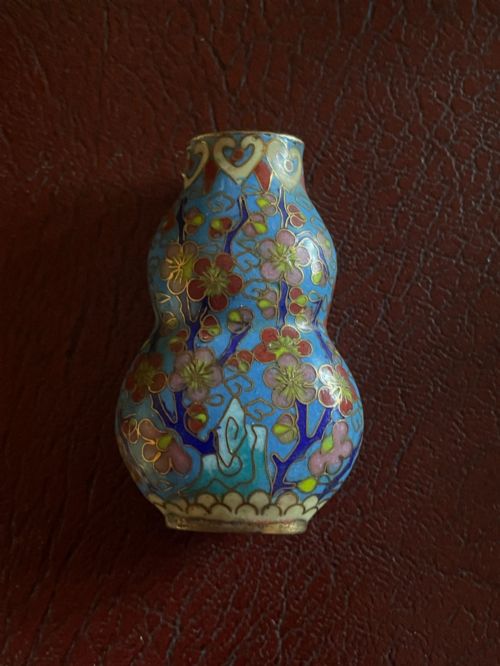
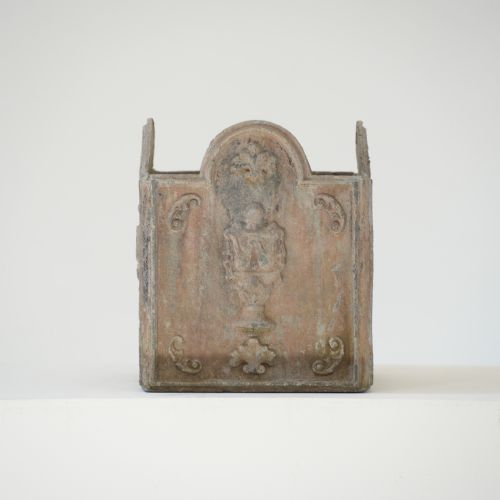
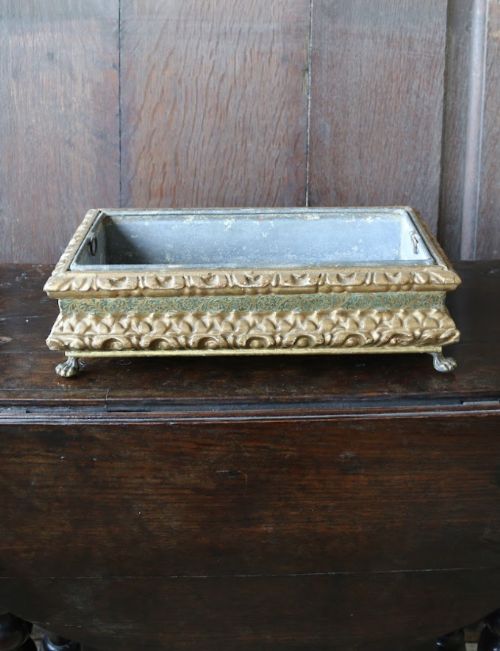
Origins stretch from English workshops to continental Europe and East Asia, introducing diverse aesthetic traditions into domestic spaces. Chinese cloisonné miniatures, Japanese Meiji period bronzes, and Italian carved giltwood boxes all fall within this broad category. Each piece carries the distinct regional material choices and decorative motifs of its maker.
Materials and Techniques
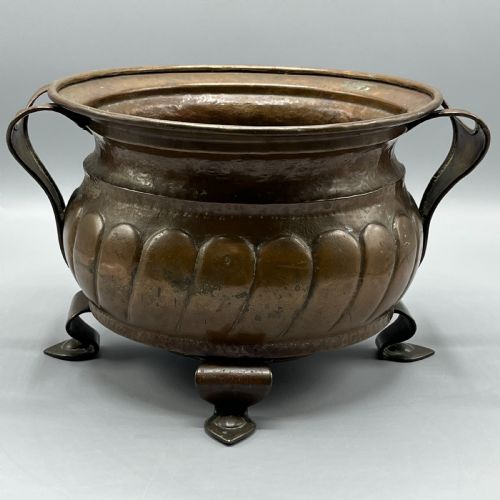
Metalworking dominates the construction of these pieces, with copper, brass, and bronze worked by hand into durable vessels. Artisans utilised techniques such as panel hammering, riveting, and casting to shape heavy sheets into jardinières and buckets. Brass pique work and silver plating appear on smaller ornamental items like snuff boxes and novelty containers.
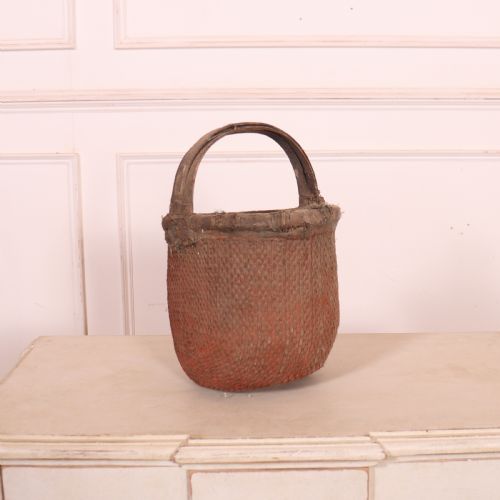
Woodworking forms another pillar of production, seen in carved giltwood boxes and turned plant stands from earlier centuries. Artisans applied gold leaf and hand-painted finishes to wooden surfaces to achieve decorative richness. Woven natural materials also appear in utilitarian baskets designed for gathering or holding flora.
Antique Flower Container Retail Price Guide 2026
Typical asking prices for flower container among the pieces listed under this phrase on Sellingantiques today, from the lower quarter to the upper quarter. They describe what is for sale here now, not the wider market.
Listings span multiple centuries, ranging from seventeenth-century carved giltwood to twentieth-century industrial enamel pails and Japanese bronzes.
Assessing Quality and Execution
The distinction between ordinary and exceptional pieces lies in the weight of the metal and the crispness of the hand-beated or cast details. Heavier gauges of copper and bronze retain their structural integrity better over decades of use and hold water securely. Superior examples display refined surface decoration, such as integrated lion mask handles or intricate repoussé foliage, rather than plain machine-rolled edges.
Age and regional origin further influence the desirability of a piece, particularly when traditional handcraft methods are evident in the finish. Patina develops naturally over centuries on bronze and copper, giving higher-quality items a depth of colour that chemical ageing cannot replicate. Maker attribution, when present through stamps or distinct regional styles, sets certain vessels apart from unmarked production pieces.
J Sankey and Sons·WMF
The Antique Flower Container Glossary
- Jardiniere
- A large ornamental pot or stand for holding flowers or plants, typically made of ceramic or metal. These vessels often sit directly on the floor or a dedicated plant stand.
- Repousse
- A metalworking technique in which a malleable metal is ornamented or shaped by hammering from the reverse side. This method creates raised relief designs on copper and brass planters.
- Cloisonne
- An ancient technique for decorating metalwork objects with coloured glass paste placed within small metal wire compartments. Miniature vases often employ this detailed enamelling process.
- Meiji Period
- The era in Japanese history spanning from 1868 to 1912, known for fine metalwork and bronze casting. Bronzes from this era frequently feature subtle patination and naturalistic motifs.
- Giltwood
- Wood that has been treated with a thin layer of gold leaf or gold paint to give a metallic sheen. Italian baroque boxes often utilise this decorative surface treatment.
Antique Flower Container: Frequently Asked Questions
What is a jardiniere?
A jardiniere is a decorative pot or container designed specifically to hold plants and floral displays. Unlike standard flower vases, these vessels are typically larger and sturdier, intended to house potted greenery.
They often feature handles, decorative feet, or embossed surface patterns. Originally placed in grand parlours, they now serve as statement pieces in modern interiors.
How do I clean old copper?
Old copper requires gentle care to preserve the dark, rich patina accumulated over decades. Avoid harsh chemical polishes that strip away the authentic aged surface.
Warm water and mild soap are usually sufficient for removing dust and grime. A soft cloth will dry the metal without scratching the delicate hammered finish.
Can I use these for plants?
Many metal and ceramic containers were built to hold damp soil and living plants. However, older vessels may lack modern waterproof liners or drainage holes.
To protect antique materials, place a plastic saucer or inner pot inside the container. This prevents moisture from sitting directly against the historical metal or wood.
How do I date metalwork?
Dating metalwork involves examining construction marks, fastening methods, and stylistic cues. Hand-hammered seams and riveted joints generally point towards nineteenth-century craftsmanship.
Maker marks, registration stamps, and specific design movements like Arts and Crafts offer precise chronological clues. Comparing the patination and wear patterns further confirms the age of the piece.