



Antique Floral Wash Jug
An antique floral wash jug brings hand-painted botanical charm and historic earthenware character straight into a modern country interior.
Antique Floral Wash Jug
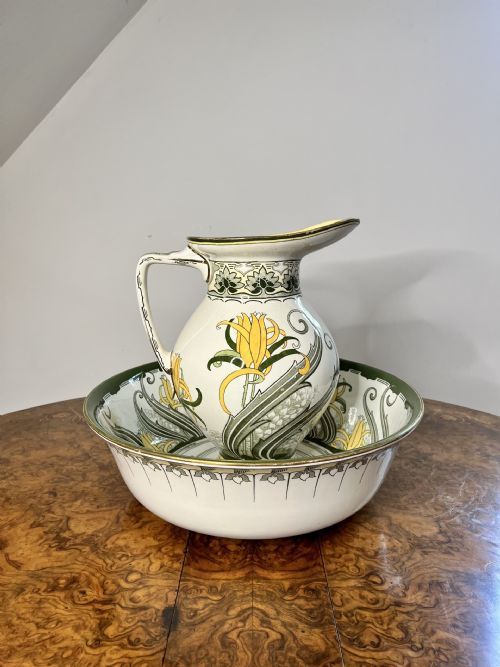
An antique floral wash jug forms the centrepiece of a traditional ceramic washing set, accompanied by its matching basin for daily ablutions before indoor plumbing. These pieces arrive in earthenware, porcelain, and ironstone, bearing floral patterns that range from delicate hand-painted petals to bold transfer-printed blooms.
Most examples appearing here belong to the Victorian and Edwardian eras, alongside earlier Georgian pottery and later twentieth-century earthenware. Forms vary from large one-gallon vessels down to miniature sets, reflecting the diverse domestic needs of past households.
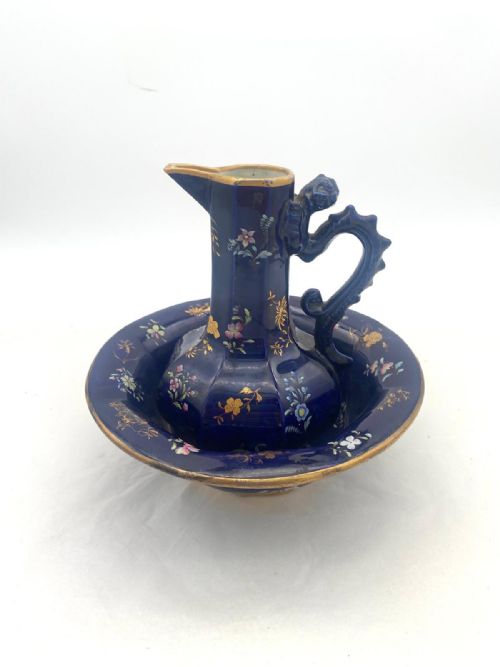
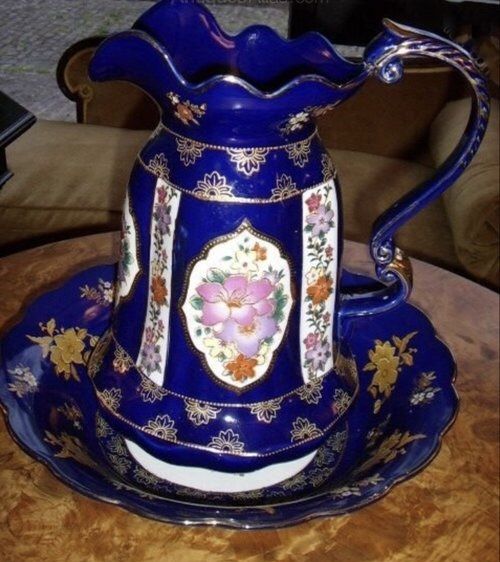
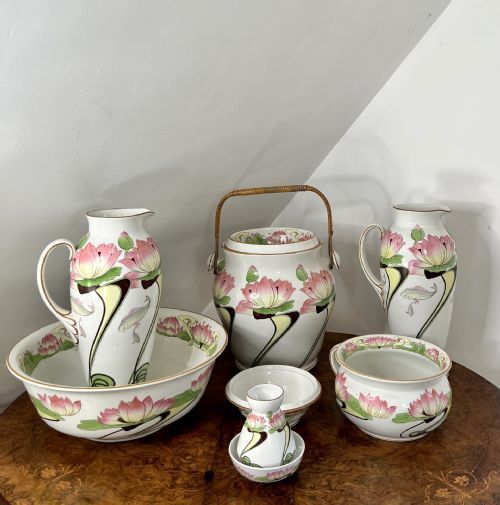
Makers such as Doulton Burslem and Mason's feature among these ceramic kitchen and bathroom sets, often decorated with cobalt glaze, enamel, or touches of gold leaf. Buyers encounter everything from complete multi-piece bathroom suites to singular pitchers meant for display.
How they were made
Potters shaped these vessels using traditional earthenware and porcelain bodies, firing the clay before applying intricate floral decoration. Artisans then coated the ceramic in a protective glaze, sometimes adding cobalt blue pigments or gold leaf details to highlight the moulded contours.
Transfer-printing and hand-enamelling allowed workshops to produce rich botanical motifs across octagonal jugs and rounded basins alike. Metal examples also exist, utilising silver plate over a sturdy base for a different reflective finish.
Antique Floral Wash Jug Retail Price Guide 2026
Typical asking prices for floral wash jug among the pieces listed under this phrase on Sellingantiques today, from the lower quarter to the upper quarter. They describe what is for sale here now, not the wider market.
Some miniature Victorian wash jugs measure barely larger than an egg, made either as salesman samples or children's nursery toys.
What varies in quality
The clarity of the floral transfer or the precision of the hand-painted brushwork distinguishes standard utility ware from finer chamber sets. Crisp definition in the ceramic moulding and an even, glossy glaze distribution separate the standard output of the period from superior studio and factory pieces.
The weight of the earthenware and the crispness of maker stamps, such as those from Doulton Burslem or Mason's, indicate the care taken during production. Completeness of the original matching basin and well-preserved surface gilding elevate the overall execution.
Doulton Burslem·Masons Ironstone·Christofle·Mark Jones And Sons·John Baley
The Antique Floral Wash Jug Glossary
- Earthenware
- A porous pottery body fired at lower temperatures, requiring a vitreous glaze to hold water effectively. It forms the heavy base of many nineteenth-century chamber sets.
- Cobalt glaze
- A deep blue metallic oxide colouring applied under or over the glaze before firing. This pigment creates the striking contrast seen on traditional blue and white pottery.
- Ironstone
- A durable heavy ceramic patented in the nineteenth century to imitate Chinese porcelain. It resists chipping better than standard earthenware.
- Transfer-printing
- A method of applying detailed patterns to ceramics by pressing paper engraved with pigment onto the unglazed or bisque surface. This technique enabled the mass production of complex floral designs.
- Basin
- The large bowl designed to pair with a wash jug for personal hygiene on a washstand. Surviving alongside its pitcher, it completes the traditional bathroom set.
Antique Floral Wash Jug: Frequently Asked Questions
How were wash jugs used originally?
These jugs sat atop wooden washstands alongside a deep basin, holding water fetched from downstairs for morning and evening routines. Domestic staff or household members used them for washing hands and face before bathrooms moved indoors.
Over time, as indoor plumbing rendered them obsolete for washing, people repurposed them as flower vases or decorative hallway display pieces.
How do I date a ceramic wash jug?
Dating relies on maker marks stamped underneath the base, stylistic clues like Art Nouveau curves, and the specific ceramic body used. Earlier Georgian and early nineteenth-century pieces often display heavier ironstone or distinct octagonal forms.
Victorian and Edwardian examples frequently bear registry marks or factory names such as Doulton Burslem, helping pinpoint the exact decade of manufacture.
Can I use these jugs for fresh flowers?
Many people use these sturdy ceramic pitchers to hold fresh cut flowers, taking advantage of their original water-holding capacity. Earthenware and porcelain interiors handle water well, provided there are no hairline cracks.
Placing felt pads underneath protects wooden tabletops from the unglazed bottom rims common on antique pottery.