

Antique Flap Desk
An antique flap desk combines drop-leaf practicality with fitted writing surfaces, offering compact elegance for daily correspondence.
Antique Flap Desk
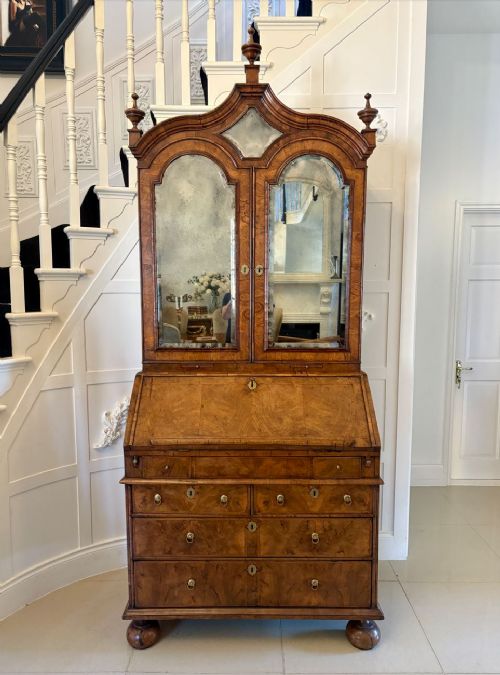
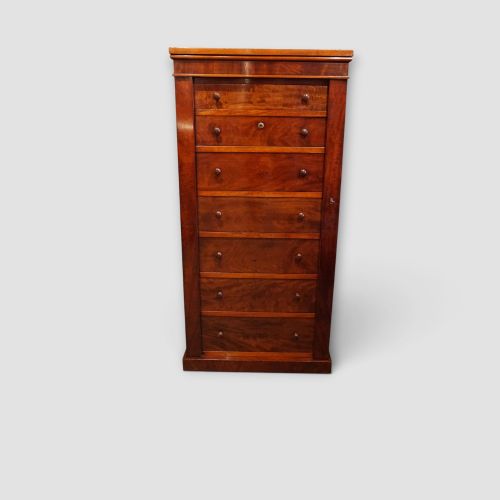
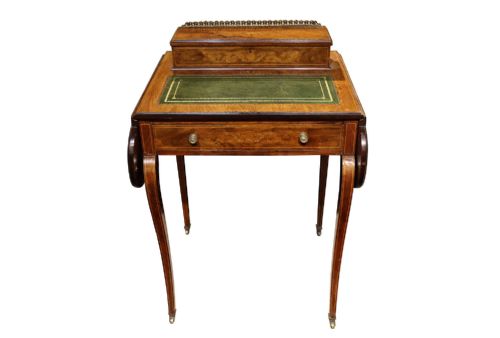
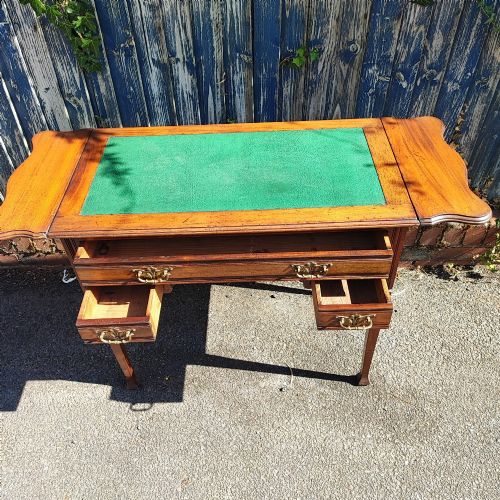
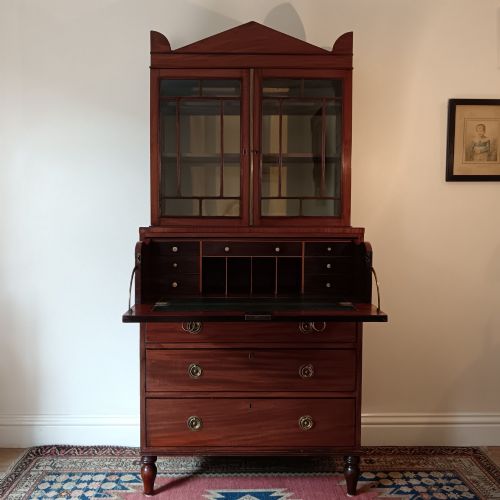
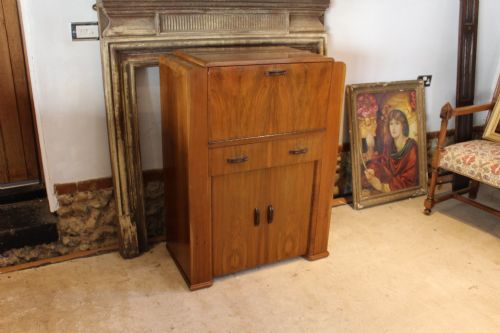
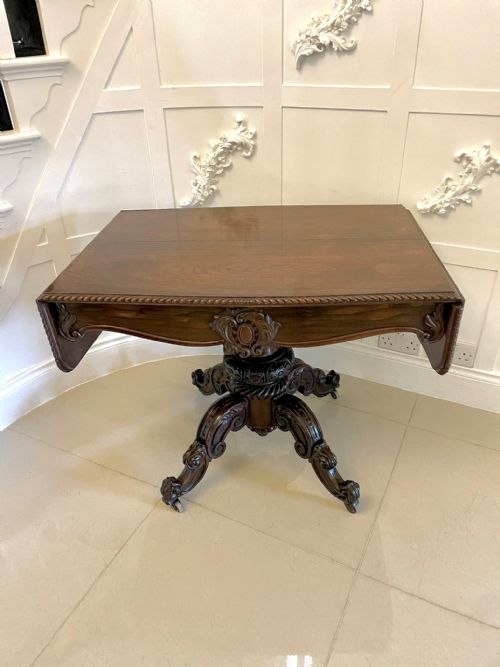
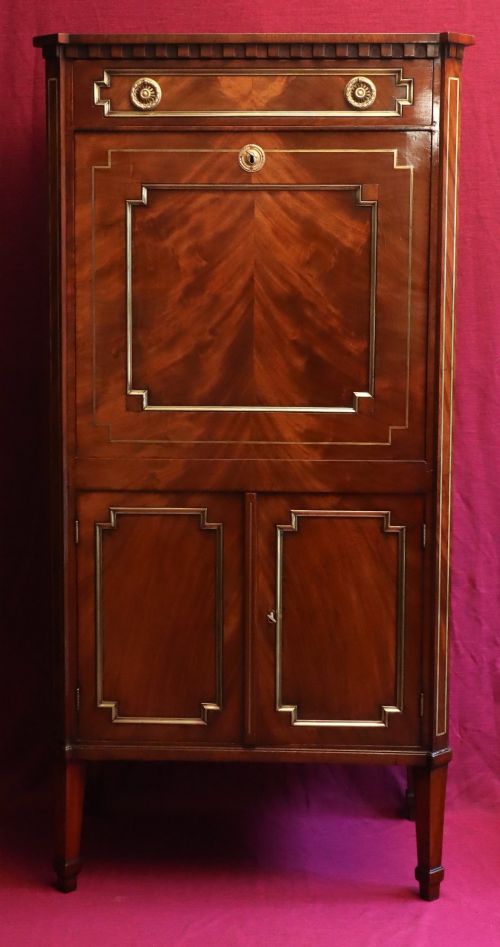
Buyers exploring an antique flap desk encounter a diverse grouping of furniture, ranging from Georgian bureau bookcases and Victorian secretaire chests to Regency library tables and drop-leaf writing surfaces. The pieces span the eighteenth, nineteenth, and early twentieth centuries, reflecting changing domestic requirements for storage and compact writing areas across different design periods.
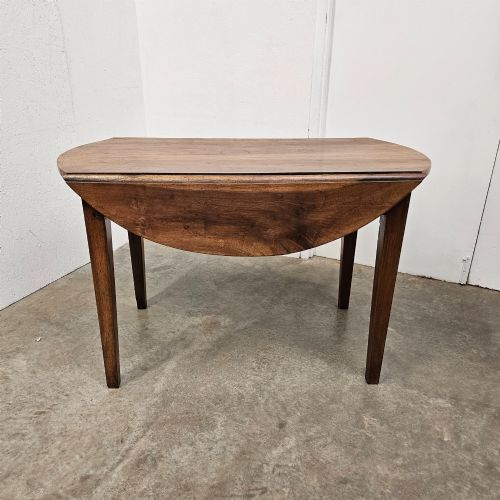
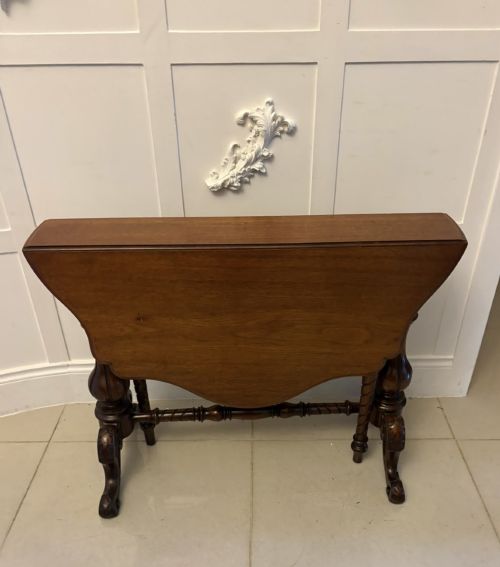
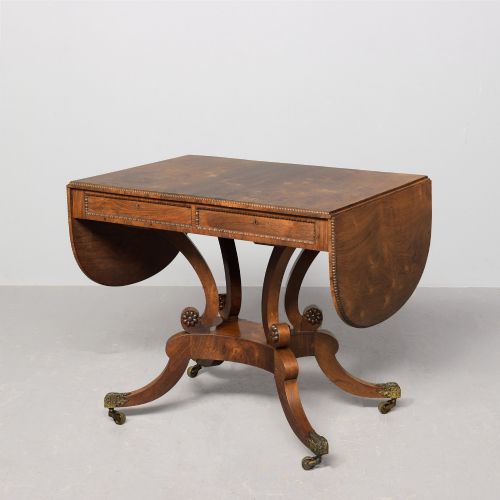
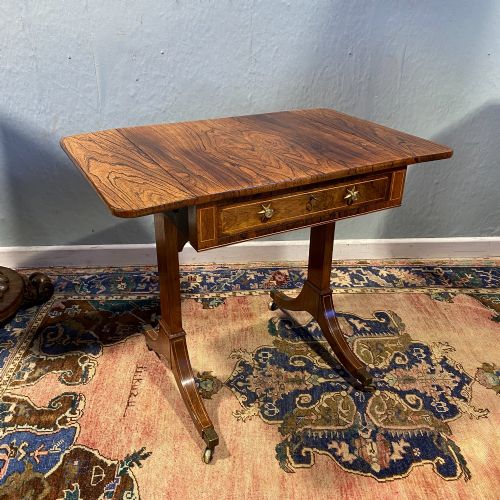
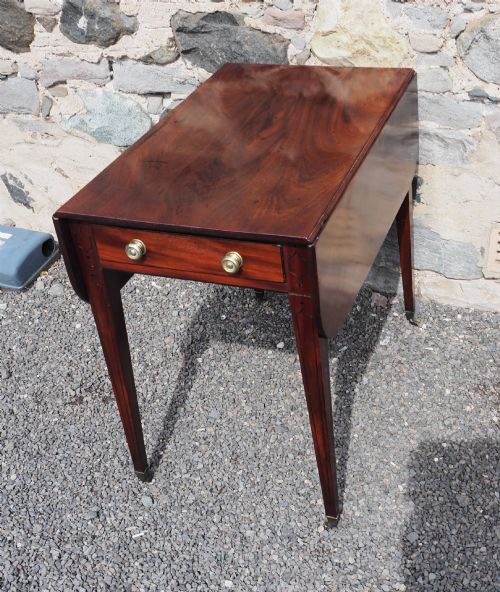
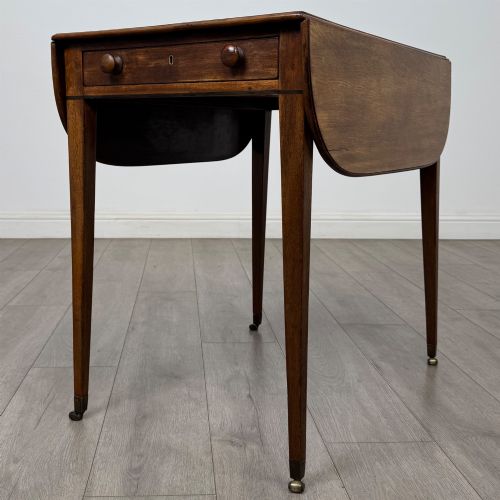
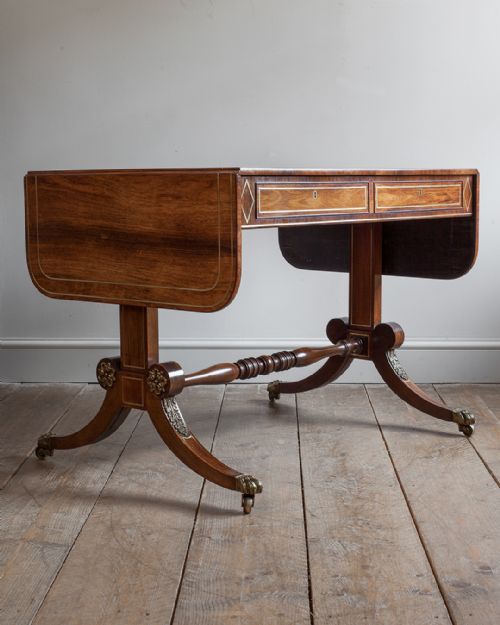
The most common forms on this page include mahogany drop-leaf Pembroke and sofa tables with operating flaps, alongside upright bureau cabinets and writing desks featuring hinged writing flaps. These items originate from English, French, Swedish, and Scottish workshops, utilising traditional cabinet-making forms appropriate for parlours, libraries, and private studies.
Makers and designers responded to the demand for multi-functional furniture by integrating drop leaves, folding flaps, and secretaire drawers into tables and chests. Surviving examples demonstrate how period cabinet-makers prioritized adaptability without sacrificing structural integrity or decorative appeal.
Materials and construction methods
Cabinet-makers relied primarily on solid timbers and veneers of mahogany, rosewood, walnut, and burr walnut, often complemented by secondary woods such as oak and pine. Selected surfaces frequently display detailed featherbanding, inlay, or satinwood stringing to highlight the grain and colour of the primary timber.
Structural joints typically incorporate traditional hand-cut dovetails for drawers and solid tenon construction for frames, ensuring durability across active drop leaves and folding flaps. Brass hardware, including hinges, castors, and drop handles, provides essential mechanical support while accentuating the exterior design.
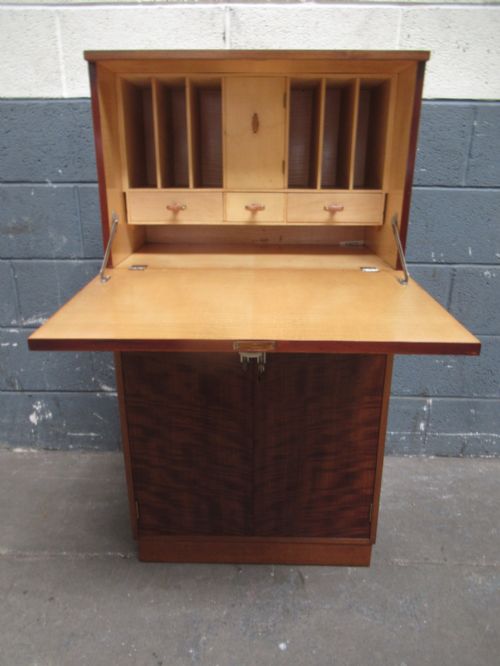
Writing compartments and fitted interiors often feature leather insert panels for a smooth writing surface, accompanied by concealed small drawers, pigeonholes, and locking mechanisms operated via folding flaps or secretaire drawers.
Antique Flap Desk Retail Price Guide 2026
Typical asking prices for flap desk among the pieces listed under this phrase on Sellingantiques today, from the lower quarter to the upper quarter. They describe what is for sale here now, not the wider market.
Form variations range from compact Pembroke tables and library desks to full bureau bookcases and Wellington chests.
Distinctions in craftsmanship and condition
Quality separates ordinary utility pieces from exceptional examples through the choice of timber and the precision of the veneer work, such as matched burr walnut or figured mahogany. Finer items exhibit careful attention to internal fittings, secret drawers, and the seamless alignment of folding flaps when closed.
The integrity of the structural joints, particularly around drop leaves, hinges, and pivoting support mechanisms, dictates longevity and daily usability. Superior workshops employed robust pivot pins and substantial brass hinges that maintain stability under repeated opening and closing.
Original surface finishes, patination, and undisturbed brass hardware contribute substantially to the authenticity and visual depth of a piece. Excessive restoration or replacement components alter the original character established by the nineteenth or eighteenth-century maker.
George Oakley·F.H. Marshall & Co
The Antique Flap Desk Glossary
- Pembroke table
- A small occasional table featuring hinged drop leaves on two opposing sides, typically fitted with a single drawer.
- Secretaire
- A piece of furniture containing a drawer or compartment with a drop-down flap that serves as a writing desk.
- Featherbanding
- A decorative technique using thin strips of veneer arranged in a herringbone pattern around the border of a panel.
- Burr walnut
- Timber taken from the abnormal growth of a walnut tree, highly prized for its swirling, intricate grain patterns.
- Sofa table
- A rectangular occasional table designed to stand in front of a sofa, fitted with drop leaves and often twin pedestal supports.
Antique Flap Desk: Frequently Asked Questions
What is an antique flap desk?
An antique flap desk is a writing surface or table equipped with hinged leaves, drop-down flaps, or secretaire drawers that fold down for writing.
These versatile items were designed to save space in period homes while offering concealed storage for writing materials.
How do I use a flap desk today?
You can use a flap desk as a compact home workstation, a laptop table, or a decorative writing surface in a study or living room.
The folding flaps allow you to expand the surface area when writing and fold them away when floor space is limited.
How do I tell different periods apart?
Period identification relies on observing the prevailing styles, timber choices, and construction techniques associated with Georgian, Regency, Victorian, or Edwardian cabinet-making.
For example, Regency pieces often feature rosewood and classical brass mounts, whereas Georgian items frequently highlight solid figured mahogany.
Are drop-leaf tables the same as flap desks?
Drop-leaf tables and flap desks share similar mechanical folding leaves, but flap desks specifically incorporate designated writing surfaces and internal stationery compartments.
Many tables on this page combine both functions, offering drop leaves alongside fitted writing drawers.