
Antique Flame Mahogany
Antique flame mahogany centres on striking timber figures that elevate formal furniture across Georgian, Regency and Victorian periods.
Antique Flame Mahogany
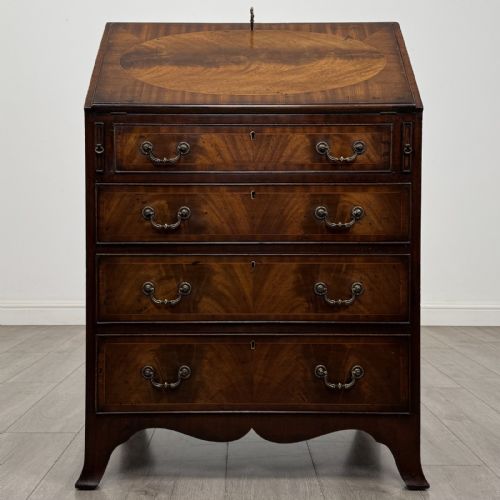
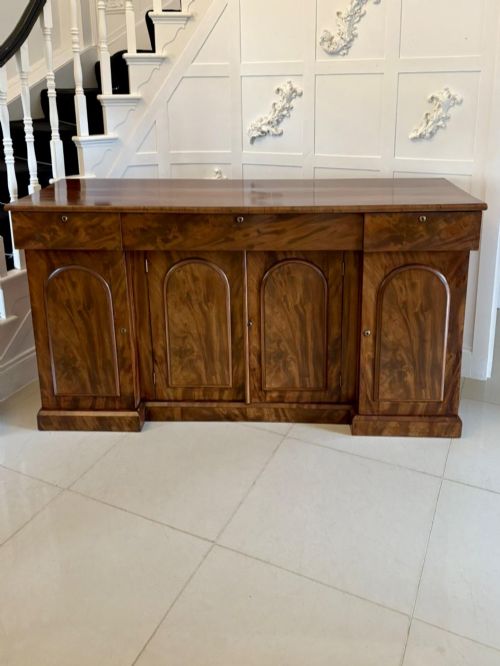
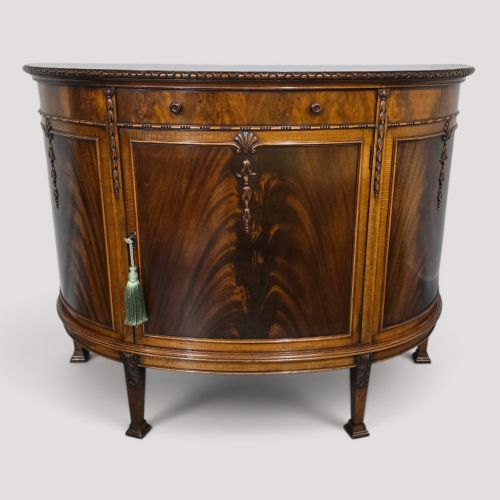
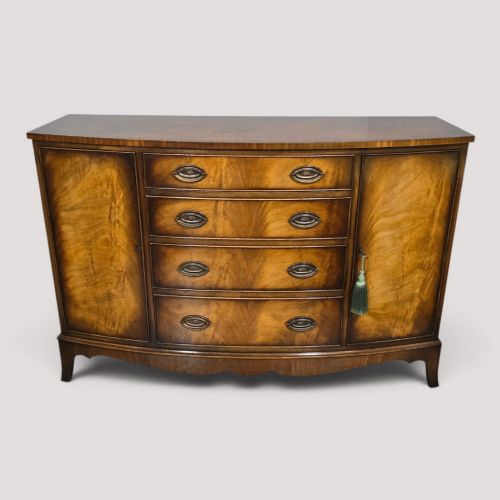
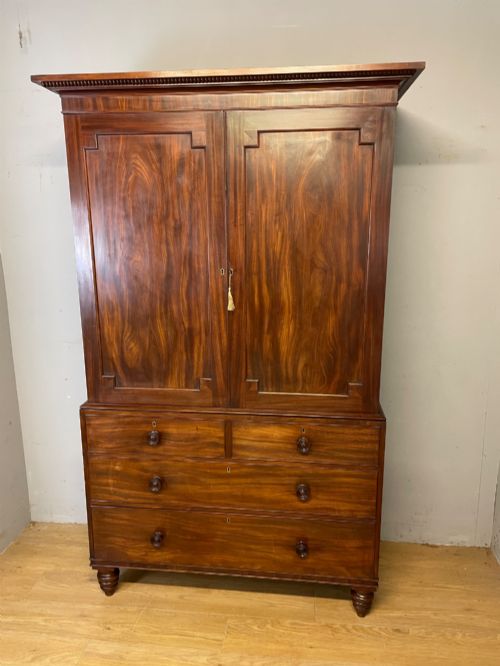
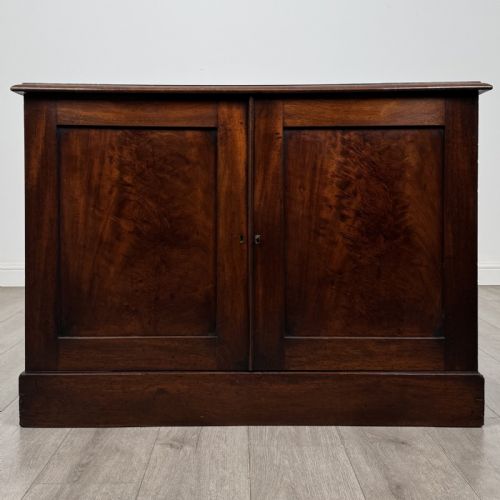
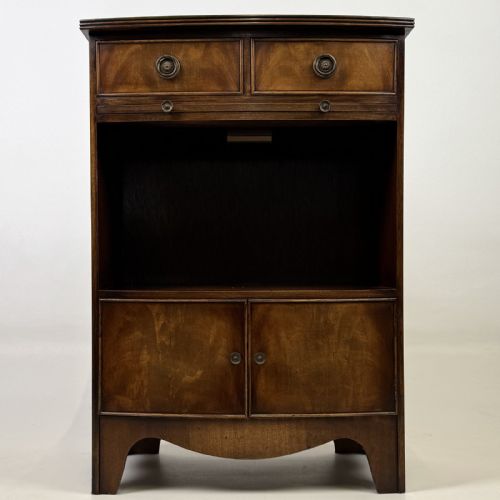
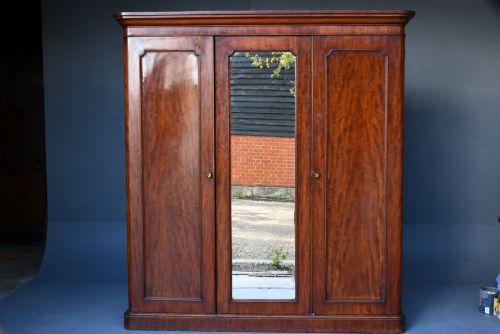
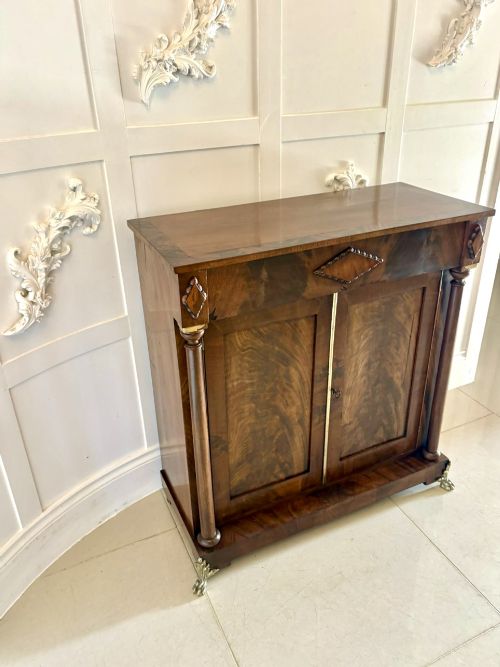
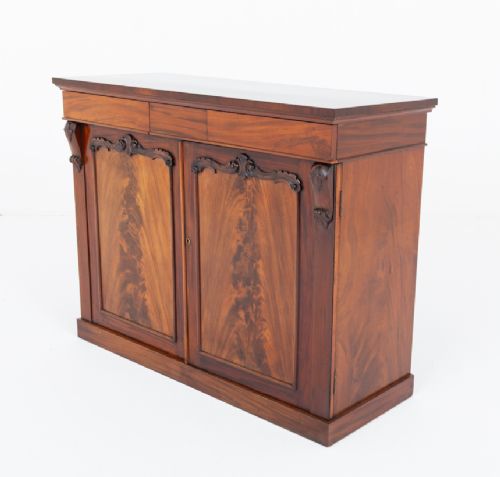
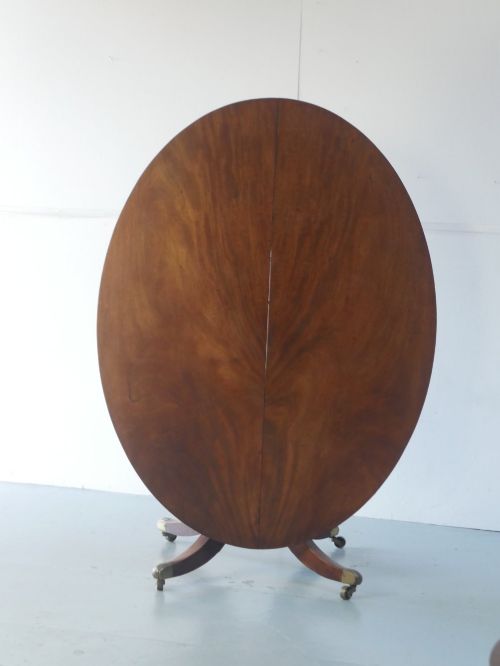
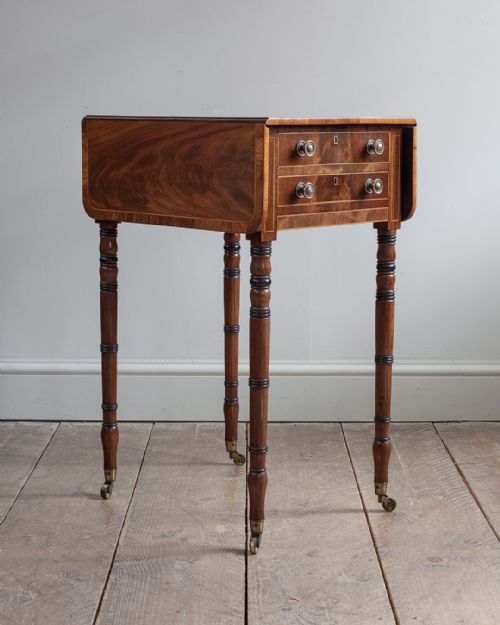
When buyers search for antique flame mahogany, they seek furniture displaying the undulating, fire-like grain patterns achieved through careful timber selection and cutting. These pieces span formal dining tables, secretaire bookcases, chests of drawers and sideboards originating from the eighteenth, nineteenth and early twentieth centuries.
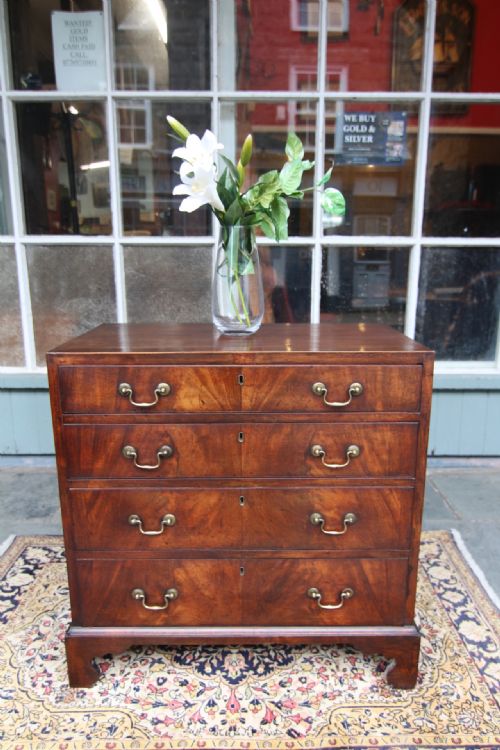
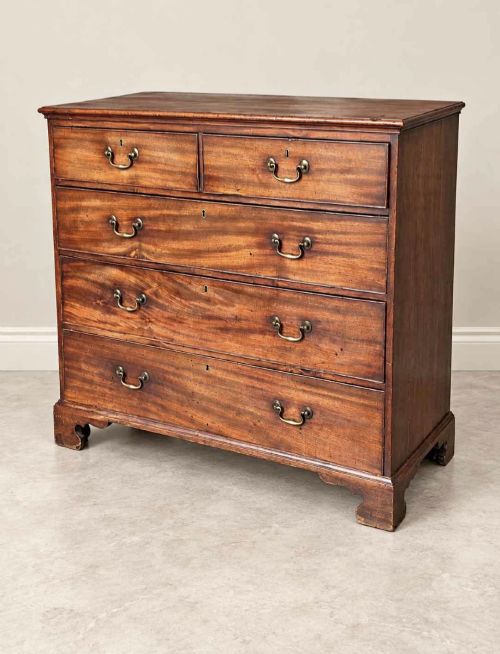
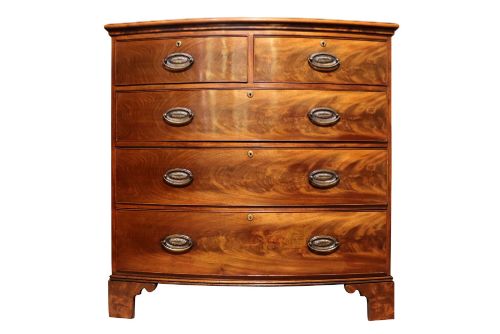
The material appears most frequently on primary display surfaces such as drawer fronts, door panels and table tops, where the dramatic veneer figures create strong visual depth. Georgian and Regency pieces demonstrate restraint and balance, whilst Victorian and Edwardian examples often showcase bolder proportions and grander cabinetry.
How They Were Made
Craftsmen created these surfaces by slicing thin veneers from mahogany logs harvested where branches met the main trunk, revealing the characteristic swirling flame grain. These delicate veneers were then painstakingly applied to stable secondary woods such as oak or pine using animal glues, ensuring the decorative face remained flat and secure over generations.
Secondary materials like brass handles, leather inserts and occasionally marble tops complemented the timber frames. Cabinetmakers utilised hand tools to plane, scrape and polish the finished surfaces, building a smooth sheen through successive coats of wax or shellac.
Materials recorded across the inventory include solid mahogany, flame mahogany veneer, brass hardware, glass panels, leather inserts and marble tops.
What Varies in Quality
The distinction between tiers rests upon the density and symmetry of the veneer figure itself, alongside the precision of the underlying cabinet construction. Superior examples exhibit matched grain patterns that flow seamlessly across multiple drawers or doors, reflecting exceptional planning by the maker.
Originality of the brass hardware, stability of the secondary timbers and the integrity of the polished finish further separate standard production pieces from masterwork furniture. Subtle inlay work, well-proportioned mouldings and undamaged carcases denote superior workshop origin.
Whytock & Reid·Hendrie Ogg·John Ellicott·Gillows·Maples & Co
The Antique Flame Mahogany Glossary
- Flame mahogany veneer
- A thin slice of timber cut from the fork of a mahogany tree to produce a rippling, flame-like grain pattern. This decorative veneer served as the primary visual element on high-status cabinets and drawer fronts.
- Secretaire
- A cabinet or desk incorporating a fitted writing drawer with a drop-down front. These hybrid pieces combined the storage capacity of a chest or bookcase with a functional writing surface.
- Breakfront
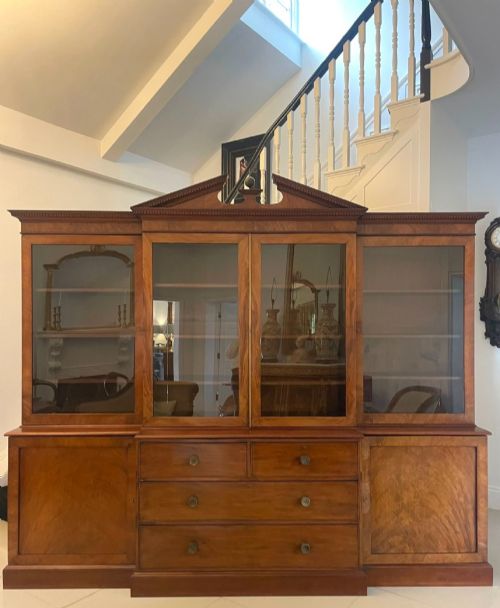
- A large piece of cabinetry where the central section projects forward from the flanking wings. This architectural arrangement added depth and shadow play to bookcases and wardrobes.
- Partners desk
- A large freestanding desk designed with drawers and cupboards on both sides to accommodate two users facing one another. They frequently featured leather writing inserts and substantial pedestals.
- Linen press
- A tall cabinet originally designed for storing folded linen on sliding trays inside the upper section, situated above a bank of drawers. Later examples often saw conversion into general wardrobes.
Antique Flame Mahogany: Frequently Asked Questions
How do I care for antique flame mahogany?
Maintain a stable indoor environment away from direct sunlight and sudden temperature shifts to protect the thin wood veneers from drying out or lifting. Apply natural beeswax sparingly and buff gently with a soft cloth to nourish the polish without building up residue.
Avoid placing damp items or heavy heat sources directly onto the polished timber surfaces. Regular gentle dusting prevents microscopic particles from dulling the grain depth over time.
How can I tell the difference between Georgian and Victorian pieces?
Georgian furniture generally exhibits lighter proportions, restrained classical stringing, and understated bracket feet or slender legs. The emphasis rested on architectural harmony and refined restraint.
Victorian pieces frequently display heavier construction, bolder carvings, and darker, highly figured timber panels. Proportions expanded to suit larger nineteenth-century rooms, and hardware styles shifted towards robust brass or turned wooden knobs.
What is a scotch chest of drawers?
A Scotch chest is a traditional nineteenth-century form originating in Scotland, typically characterised by a deep cushion drawer situated across the very top. These pieces often feature bold flame mahogany veneers and barley twist columns flanking the main bank of drawers.
They offer substantial storage capacity and robust proportions compared to standard English counterparts of the same era.
Where was flame mahogany typically used on furniture?
Cabinetmakers reserved flame mahogany for the primary visual surfaces of a piece, such as drawer fronts, door panels, and fold-over table tops. Secondary structural elements like drawer linings and carcase sides utilised sturdier woods like oak or pine.
This technique allowed workshops to display expensive, highly figured timber efficiently while maintaining structural stability throughout the piece.